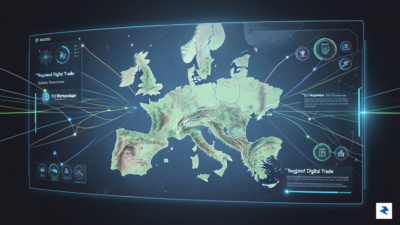
AliExpress Hit With Massive $630M Fine: The EU’s New Digital Crackdown
Understanding the Digital Services Act (DSA) The European Union’s Digital Services Act (DSA) represents the most significant overhaul of…
The news that Robert Downey Jr. would be returning to the Marvel Cinematic Universe did more than just break the internet; it fundamentally altered the gravitational pull of the entire franchise. For over a decade, Downey was the bedrock of the MCU, embodying the red-and-gold altruism of Tony Stark. By casting him as Victor Von Doom, Marvel Studios has executed a masterstroke of meta-narrative storytelling that challenges everything audiences thought they knew about the actor’s relationship with the studio. This isn’t merely a nostalgic cameo or a multiverse gimmick; it is a calculated pivot that demands viewers reconcile the face of the MCU’s greatest hero with the mask of its most terrifying antagonist.
Transitioning an actor of Downey’s caliber into such a distinct, villainous role carries immense risks, as it threatens to overshadow the legacy of Iron Man. However, the potential rewards for this creative choice are equally staggering. By placing a familiar, beloved face behind the cold, metallic visage of Doctor Doom, Marvel is effectively grounding its most ambitious narrative arc in a performance that carries instant emotional weight. This decision serves to stabilize the MCU’s public perception, which has grappled with experimental volatility and a search for direction following the conclusion of the Infinity Saga. It acts as a beacon of familiarity, promising a level of gravitas that the franchise has been desperate to reclaim.
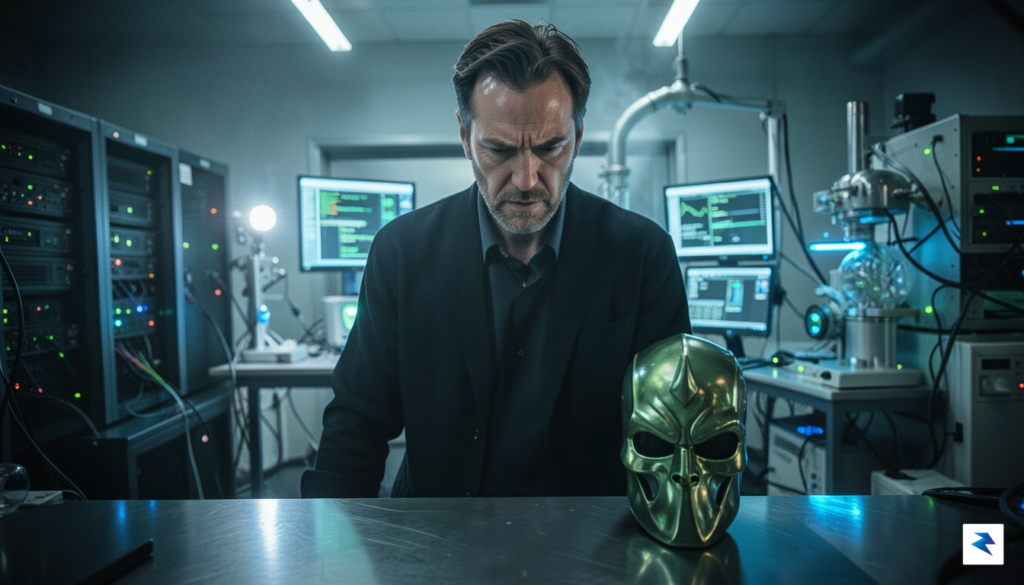
The choice to cast Downey as Doom isn’t just about drawing eyes to the screen; it is about weaponizing the audience’s history with the actor to create a villain who feels deeply personal and unpredictably dangerous.
Furthermore, this casting move signals a departure from the traditional hero-villain dichotomy that defined the MCU’s first three phases. By blurring the lines between the savior we once cheered for and the despot we must now fear, Marvel is testing the emotional intelligence of its fanbase. It invites a complex dialogue about identity, legacy, and the corruption of power, themes that are central to the character of Victor Von Doom. Whether this bold experiment succeeds in reinvigorating the franchise remains to be seen, but one thing is certain: Marvel has successfully shifted the conversation from “what comes next” to “how could this possibly happen,” ensuring that Avengers: Doomsday will be the most scrutinized entry in the history of the studio.
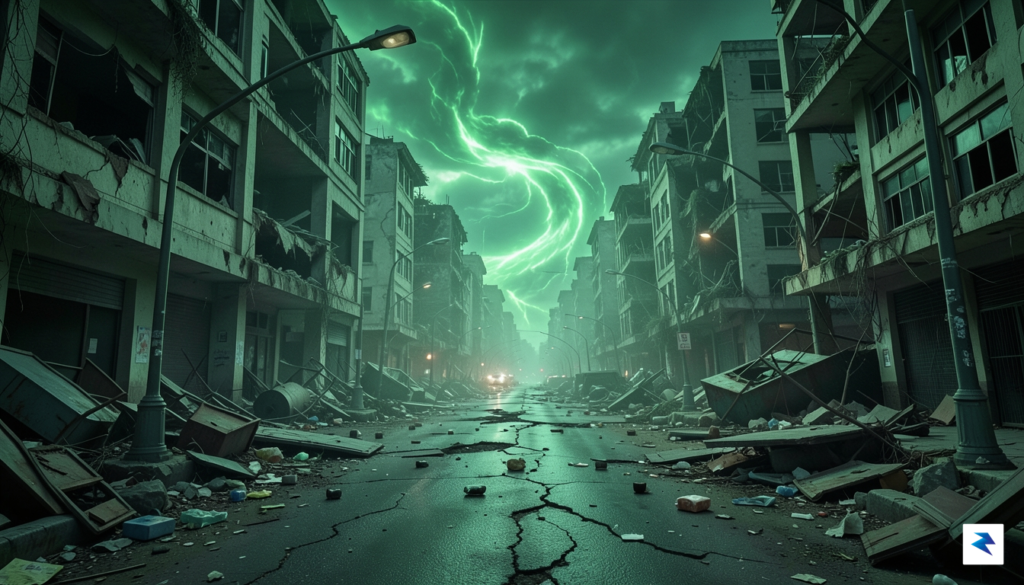
The visual language of the Avengers: Doomsday trailer marks a distinct departure from the vibrant, often saturated aesthetics that defined much of Phases 4 and 5. Instead of the high-contrast, pop-art sensibilities of recent cosmic adventures, this footage leans heavily into a desaturated, grim color palette that emphasizes shadow and weight. Deep, oppressive grays and bruised purples dominate the frame, signaling a world on the brink of structural collapse. By stripping away the gloss, Marvel Studios is clearly leaning into a grounded, visceral sense of dread that forces the audience to confront the reality of a threat that feels physically imposing rather than just digitally expansive.
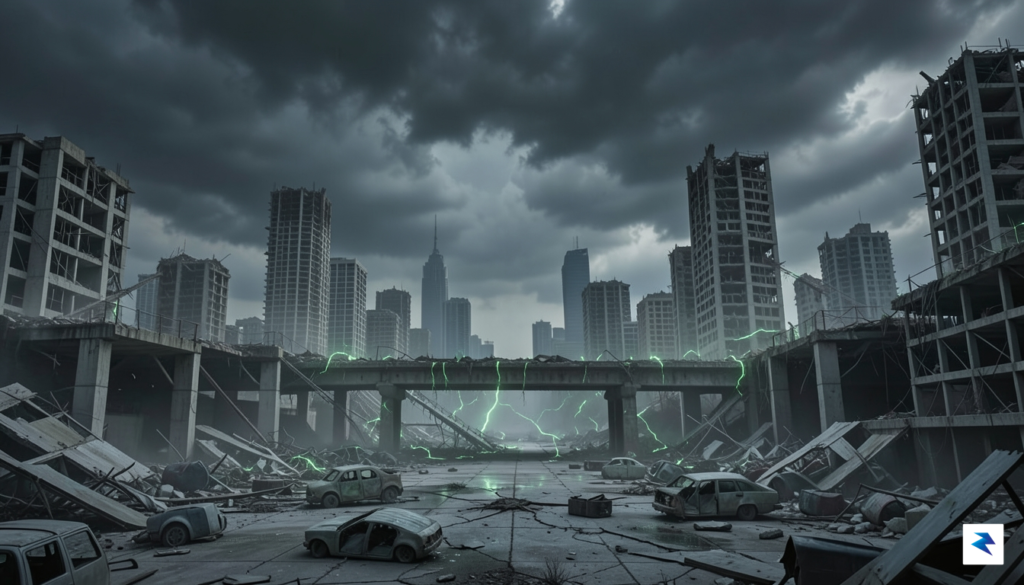
Specific shots—particularly those lingering on the hollowed-out remnants of iconic landmarks—serve to ground the narrative stakes in a way that feels reminiscent of the gravity found in Infinity War. Where previous entries often balanced world-ending threats with quips and lighthearted interludes, the framing here is claustrophobic and focused on the scale of human—or superhuman—consequences. The camera moves with a deliberate, slow pace, favoring long takes that allow the audience to soak in the destruction rather than cutting rapidly between action beats. This stylistic choice effectively communicates that the heroes are no longer just fighting an enemy; they are fighting against an inevitable erasure of their reality.
The shift in tone is not just aesthetic; it represents a fundamental change in the stakes of the Multiverse Saga, moving from experimental exploration to a desperate, final stand.
The choice of the title “Doomsday” carries significant weight, implying an endgame scenario that transcends the typical “villain of the week” formula. While previous Avengers films focused on specific invaders or singular artifacts, this trailer suggests a systemic failure of the universe itself. The narrative implications are clear: the heroes are not merely attempting to save the day, but are struggling to prevent an absolute, irreversible termination of their existence. This looming sense of finality is reinforced by the lack of traditional hero shots, instead prioritizing scenes of isolation and strategic desperation. By emphasizing this existential threat, the trailer successfully recalibrates audience expectations, promising a cinematic experience that trades the whimsical nature of recent multiverse journeys for a high-tension, high-consequence survival story.
The sheer scale of Avengers: Doomsday is perhaps its most daunting narrative hurdle, as the production attempts to juggle a roster that feels less like a traditional team and more like a historical convergence of the entire Marvel Cinematic Universe. Managing screen time for dozens of established icons while simultaneously introducing fresh faces is a logistical tightrope walk that could easily result in a cluttered, disjointed experience. However, the latest footage suggests that the directors are leaning into this complexity, utilizing the sheer volume of characters not as a burden, but as a strategic tool to raise the stakes. By placing legacy heroes alongside newer additions, the film creates a dynamic friction that forces long-standing characters to adapt to an evolving world where the familiar rules of heroism no longer apply.
Rumors regarding the cast list have reached a fever pitch, with fans dissecting every frame of the trailer to spot subtle cameos from multiversal variants and long-absent allies. Confirmed appearances suggest that the film will bridge the gap between the grounded, street-level threats of recent television outings and the cosmic, reality-warping scale of the original Infinity Saga. This integration is essential, as the plot necessitates a unified front that draws upon disparate skills—from high-tech tactical expertise to mystical, reality-bending power sets. The challenge lies in ensuring that each character feels essential to the mission rather than just another face in a crowded frame; every appearance must serve a narrative purpose that pushes the central conflict against Victor von Doom closer to a breaking point.
The true test for Avengers: Doomsday will be its ability to synthesize these conflicting character arcs into a cohesive, high-stakes journey that honors the past while forcing the franchise into a terrifying new future.
Ultimately, the interaction between these new and old guard characters is designed to drive the plot forward by highlighting the ideological rifts within the superhero community. As veterans of the Battle of New York encounter the next generation of protectors, the screen becomes a stage for debating the very nature of sacrifice in a post-Thanos reality. This thematic layering transforms what could have been a simple “hero versus villain” spectacle into a complex character drama. If the studio manages to balance these competing personalities effectively, the sheer density of the ensemble will likely become the film’s greatest asset, providing a rich, multifaceted perspective on the existential threat posed by the arrival of Doctor Doom.
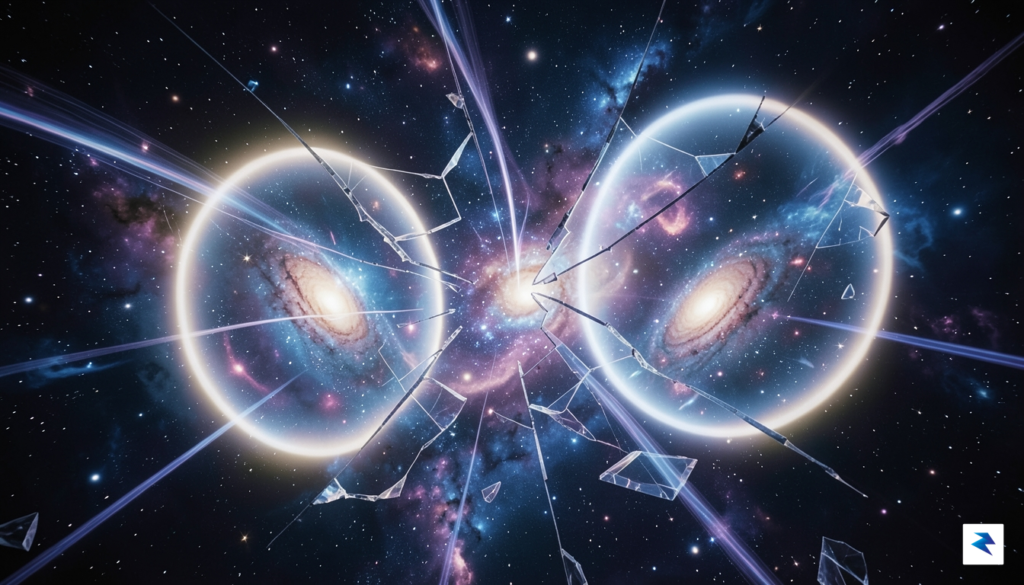
For years, the Multiverse Saga has felt like a collection of disparate threads, scattered across Disney+ series and standalone film sequels. From the intricate bureaucratic failures of the Time Variance Authority in Loki to the messy, reality-bending carnage showcased in Deadpool & Wolverine, Marvel has been busy establishing the mechanics of a fractured existence. Avengers: Doomsday arrives not merely as another blockbuster, but as the essential linchpin that finally pulls these loose ends into a singular, cohesive narrative. By centering the story around the arrival of a world-ending threat, the film transforms the multiverse from a convenient plot device into a ticking clock, forcing every previous discovery and character evolution to finally mean something on a grand scale.
This approach allows Marvel Studios to escalate the stakes to an unprecedented level without resorting to a total, jarring reboot of the timeline. Instead of erasing the history that fans have spent years investing in, the studio is choosing to collide those histories together. We have watched the walls between realities thin through the antics of the Scarlet Witch and the cosmic tampering of Kang, and now, Doomsday leverages that established instability to push the heroes into a corner. It is a brilliant structural pivot: by leaning into the consequences of multiversal travel, the writers can effectively raise the tension, knowing that the audience already understands the high price of existence when realities begin to overlap and collapse.
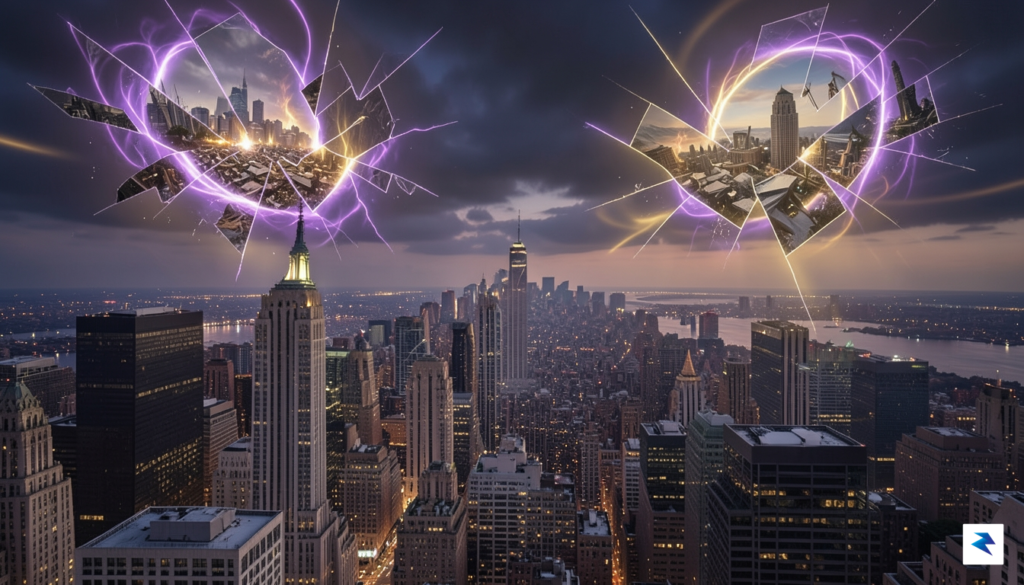
The multiverse is no longer just a playground for cameos or nostalgic reunions; it is the battlefield where the very survival of reality will be decided.
Furthermore, the introduction of a threat as monumental as the one teased in the footage suggests that the era of “isolated adventures” is firmly behind us. Whether it is the lingering trauma from the TVA’s reorganization or the aftermath of incursions mentioned in previous entries, every story beat from the past four years is being funneled toward this conflict. This film serves as the inevitable collision point where the cost of saving one reality might mean the destruction of another. By grounding the chaos in a tangible, looming menace, the saga finally achieves the sense of urgency required to make the audience believe that the end—or perhaps a permanent transformation—is truly on the horizon.

The trajectory leading up to Avengers: Doomsday represents more than just another entry in a blockbuster franchise; it marks a pivotal recalibration for Marvel Studios. After a period defined by an experimental, sprawling narrative scope, the studio appears to be pivoting back toward a more streamlined and focused storytelling model. This shift is clearly designed to revitalize the brand’s cinematic dominance, prioritizing narrative cohesion and high-stakes emotional resonance over the rapid-fire content release schedule that characterized the previous phase. By consolidating their creative energy into a singular, monumental event, Marvel is signaling to audiences that they are listening to the demand for quality over sheer volume.
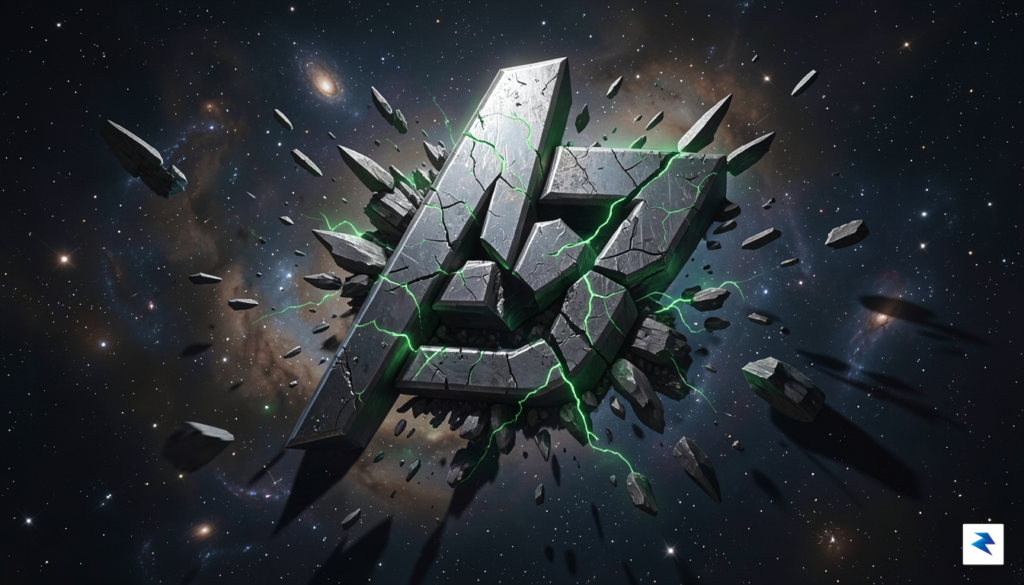
Central to this strategy is the urgent need for a resounding box-office success that restores unwavering confidence in the Marvel Cinematic Universe. Recent years have seen the studio grapple with shifting audience tastes and a fatigue that threatened to undermine the brand’s once-invincible reputation. Doomsday serves as the bedrock for this recovery, functioning as both a massive crowd-pleaser and a necessary narrative tightening. The studio is betting heavily on the return of iconic elements and familiar faces to recapture the magic of the Infinity Saga, yet they must tread carefully to ensure this isn’t merely a hollow exercise in nostalgia. Success will depend on whether they can effectively balance fan service with a fresh, compelling direction that pushes the overarching story into uncharted territory.
The true measure of Avengers: Doomsday will be its ability to satisfy long-time followers while simultaneously proving that the MCU still possesses the creative vitality to surprise and innovate in an increasingly crowded superhero landscape.
Looking ahead, fans should manage their expectations by recognizing that this film is the architect of a new era rather than just a conclusion to an old one. While the anticipation is reaching a fever pitch, the realistic expectation is that the movie will function as a bridge, utilizing high-stakes drama to set the stage for the Multiverse Saga’s ultimate climax. The narrative path forward suggests a more deliberate pace, where every character beat and plot twist carries significant weight. Ultimately, if Marvel Studios can successfully synthesize these grand expectations with a tightly woven script and genuine stakes, Doomsday will likely prove to be the anchor that stabilizes the studio’s future for years to come.
You must be logged in to post a comment.