The Voice of Google: How AI Is Reshaping Human Communication
The Evolution of Synthetic Speech The journey of synthetic speech began in the realm of rigid, rule-based systems that viewed language as a…


The European Union’s Digital Services Act (DSA) represents the most significant overhaul of internet regulation in decades, fundamentally rewriting the rules of engagement for digital platforms operating within the bloc. At its core, the DSA is designed to create a safer digital space by ensuring that the fundamental rights of all users are protected, with a specific emphasis on shielding consumers from illegal goods, harmful content, and deceptive practices. By establishing a clear set of responsibilities, the legislation seeks to bridge the gap between the rapid evolution of global e-commerce and the static nature of older, outdated legal frameworks.
For many years, tech giants and e-commerce marketplaces operated under “safe harbor” protections, which generally shielded platforms from legal liability regarding the content or products uploaded by third-party sellers. The DSA marks a definitive shift away from this hands-off approach toward a model of active platform accountability. Under these new mandates, companies are no longer passive intermediaries; they are now viewed as digital gatekeepers with an affirmative duty to proactively monitor their platforms, mitigate systemic risks, and implement robust mechanisms for removing illicit items. Failure to do so no longer results in a mere slap on the wrist, but rather catastrophic financial penalties that can reach up to six percent of a company’s total global annual turnover.
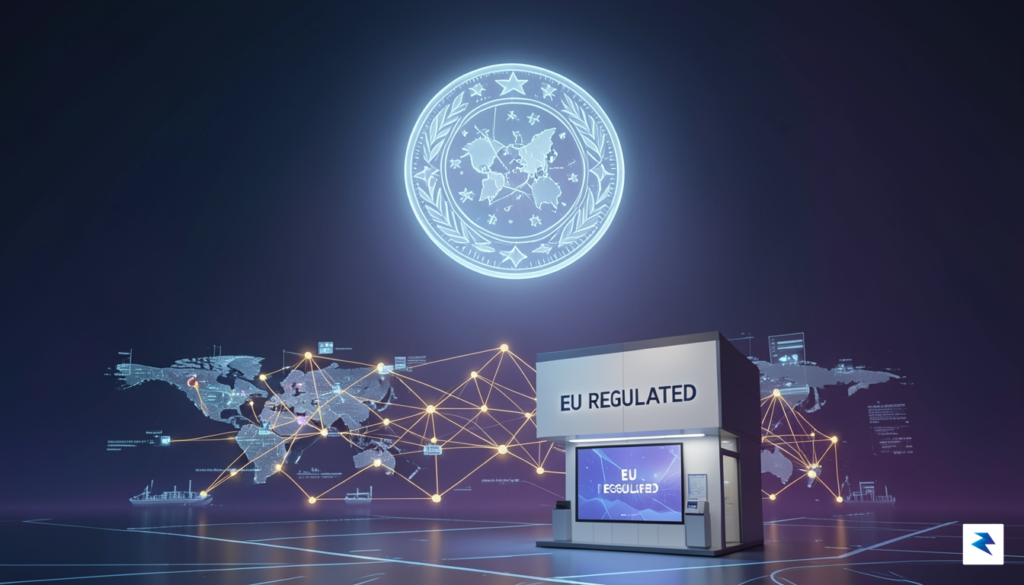
The era of self-regulation is over; the DSA forces platforms to prove that they are actively policing their ecosystems rather than simply profiting from them.
Regulators are increasingly focusing their attention on massive cross-border e-commerce players, recognizing that these platforms pose unique challenges that differ significantly from social media giants. While platforms like Facebook or X deal primarily with the viral spread of misinformation, e-commerce marketplaces like AliExpress manage the physical flow of goods that can pose direct safety, health, or security risks to the public. Whether it is counterfeit electronics, banned pharmaceuticals, or toys that fail to meet safety standards, the potential for real-world harm is immense. Because these marketplaces facilitate millions of transactions between independent global sellers and unsuspecting European consumers, the EU has determined that these platforms must be held to the highest standards of transparency and product verification to ensure the integrity of the Single Market.
This aggressive enforcement signifies a new chapter in digital governance where geography no longer provides a shield against regulatory oversight. By targeting major players, the EU is setting a global precedent, demonstrating that no entity is too large to ignore the legal standards of the markets they serve. As compliance becomes an essential cost of doing business, the landscape will continue to evolve, forcing platforms to invest heavily in algorithmic oversight, human moderation, and rigorous seller vetting processes to avoid future scrutiny.

The European Commission’s decision to impose a monumental €550 million penalty—totaling nearly $630 million—was not a reactive move, but rather the result of a surgical investigation into the structural weaknesses of AliExpress’s operations. At the heart of the critique is the platform’s failure to adequately police its digital marketplace, which allowed a flood of illegal and hazardous goods to reach European consumers. Investigators identified a systemic lack of safeguards intended to block the sale of counterfeit pharmaceuticals, non-compliant toys that posed significant choking hazards, and ineffective screening processes for products that failed to meet basic EU safety standards. These were not merely isolated incidents of oversight; the Commission viewed them as a fundamental dereliction of duty in maintaining a safe online environment.

Beyond the presence of dangerous physical goods, the Commission’s ruling highlighted the platform’s sophisticated use of “dark patterns”—manipulative interface designs that intentionally obscured the activities of bad actors. The investigation revealed that AliExpress employed UI/UX tactics that made it difficult for users to report illegal content or identify the true provenance of sellers. By obscuring these details, the platform effectively shielded high-risk vendors from the scrutiny of both regulators and the average buyer. This deliberate architecture of opacity served as a key factor in the Commission’s decision-making process, as it suggested that the platform was actively prioritizing conversion rates and seller volume over the safety and transparency required by the Digital Services Act (DSA).
The scale of the fine reflects a clear message from Brussels: the era of “move fast and break things” is over for platforms operating within the European Union. The penalty is proportional to the severity of the negligence, accounting for both the massive volume of users exposed to these risks and the duration over which AliExpress failed to implement corrective internal controls.
To determine the exact financial weight of the fine, the Commission calculated the severity of the negligence by analyzing the platform’s systemic lack of internal oversight mechanisms. AliExpress reportedly lacked the robust, automated content moderation tools necessary to handle its gargantuan listing volume, relying instead on archaic or manual processes that were easily circumvented by illicit merchants. Because the platform failed to provide adequate transparency regarding its recommendation algorithms and its advertising practices, it could not demonstrate a proactive commitment to user safety. Ultimately, this massive financial sanction serves as a stark warning to all global e-commerce giants that the EU’s regulatory framework is no longer a suggestion, but a strictly enforced mandate that demands full accountability for every product listed on a digital storefront.

The recent penalty levied against AliExpress marks a seismic shift in the digital landscape, signaling the end of the era where platforms could hide behind the “neutral intermediary” defense. Under the European Union’s Digital Services Act (DSA), major online retailers are no longer merely passive digital marketplaces; they have been elevated to the status of “gatekeepers” responsible for the integrity of their own ecosystems. This new legal reality forces companies to move away from a reactive model, where they only addressed illegal content or dangerous products after consumer complaints or government intervention, toward a strictly proactive framework. The burden of safety now rests squarely on the shoulders of the platform owners, who must prove they have implemented robust systems to prevent harm before it ever reaches the end-user.
To meet these stringent compliance requirements, global e-commerce giants are being pushed to invest heavily in sophisticated technological infrastructure. This goes beyond simple keyword filtering; companies are now required to deploy advanced AI-driven moderation tools that can identify illicit goods—such as counterfeit luxury items, hazardous toys, or banned pharmaceuticals—in real-time as listings go live. However, technology alone is no longer considered sufficient by European regulators. The DSA mandate necessitates a hybrid approach, combining automated machine learning with significant human oversight to address the nuances of complex listings that algorithms might overlook. Consequently, platforms are restructuring their internal operations, hiring vast teams of compliance officers and trust-and-safety specialists to ensure that their digital storefronts remain transparent and secure.

The transition from a hands-off marketplace to an accountable gatekeeper represents the most significant regulatory change in internet commerce since the inception of the web.
This development is a definitive turning point for global commerce, distinguishing the current regulatory climate from the historical “wild west” of the early internet. Previously, platforms often operated with minimal liability, relying on safe-harbor protections that shielded them from the actions of third-party sellers. Today, those protections are effectively gone for those operating within European borders. Retailers that fail to implement rigorous verification processes for their vendors now face existential financial risks, with fines reaching a significant percentage of their total global turnover. As the EU continues to set the global standard for digital governance, this precedent will likely force international retailers to adopt these rigorous safety protocols worldwide to streamline their operations, fundamentally altering the way the world shops online.

For the average online shopper, the massive financial penalty levied against AliExpress serves as a significant turning point in the digital retail landscape. While many users have long viewed global marketplaces as a “buyer beware” environment, this regulatory action suggests a shift toward a more protected consumer experience. By holding platforms accountable for the goods flowing through their virtual storefronts, authorities are effectively signaling that the convenience of low-cost, cross-border shipping cannot come at the expense of public safety or ethical standards. For the person clicking “buy” from their smartphone, this means a potential long-term reduction in the prevalence of counterfeit electronics, non-compliant toys, and hazardous beauty products that have historically plagued massive third-party platforms.
When platforms are legally tethered to the quality of the items listed by their third-party vendors, the balance of power begins to shift back toward the consumer. In the past, shoppers often felt helpless when a product arrived damaged, misrepresented, or fundamentally unsafe, as the platform would frequently deflect responsibility by claiming to be a mere intermediary. Now, as these marketplaces are compelled to implement stricter vetting processes and more robust monitoring systems, the likelihood of encountering fraudulent sellers decreases. This heightened oversight acts as a digital filter, forcing vendors to adhere to standardized safety certifications and clearer product descriptions before they are permitted to reach a global audience.

The enforcement of these regulations transforms the consumer’s role from a passive participant in a risky marketplace to an empowered user protected by the weight of international law.
However, this transition toward a safer digital marketplace may come with its own set of trade-offs that shoppers should anticipate. As platforms scramble to comply with stringent new regulations, the immediate consequence may be seen in the form of longer processing times or a narrower selection of goods. Because AliExpress and similar giants must now perform deeper due diligence on millions of independent merchants, the lightning-fast, frictionless experience of the past may slow down. Furthermore, we may observe a gradual increase in prices as vendors are forced to invest in the compliance testing and safety documentation required to remain on the platform. While these changes might impact the immediate gratification of bargain hunting, they represent a necessary evolution toward a more trustworthy global economy where the integrity of the product is finally treated as a priority rather than an afterthought.

The massive financial penalty levied against AliExpress serves as a definitive turning point for the global e-commerce ecosystem, signaling that the era of unfettered digital growth at the expense of consumer safety is rapidly coming to a close. As the European Union’s Digital Services Act (DSA) transitions from a theoretical framework into a potent enforcement tool, other regulatory bodies in the United Kingdom, the United States, and beyond are closely observing these proceedings. It is highly probable that we will witness a domino effect, where these jurisdictions adopt similar, if not more stringent, compliance mandates to curb the proliferation of counterfeit goods and hazardous products. For global retail giants, the cost of non-compliance is no longer merely a calculated business risk; it is a direct threat to their market access and long-term viability.

To mitigate the risk of further punitive measures, major platforms are likely to consolidate their compliance efforts, effectively adopting EU-level standards as their global baseline. Instead of managing fragmented, region-specific safety protocols, these companies will likely invest heavily in unified, AI-driven oversight systems designed to scan millions of listings for illicit content in real-time. While this transition requires a massive upfront investment in technology and human moderation teams, it offers a distinct competitive advantage for platforms that can successfully “clean up” their marketplaces. By prioritizing transparency and safety, these retail leaders can build greater consumer trust, which remains the most valuable currency in an increasingly skeptical digital economy.
The future of online retail will be defined not by the speed of logistics, but by the rigor of consumer protection and the integrity of the supply chain.
Ultimately, the post-DSA world necessitates a delicate balancing act between the drive for technological innovation and the fundamental requirement for public safety. As global trade becomes more digitized, the friction between open markets and government oversight will likely intensify. However, if platforms can successfully integrate these safety-first protocols into their core operations, they may find that the regulatory burden eventually leads to a more mature and sustainable industry. The goal is a marketplace where global trade thrives without compromising the well-being of the end user, ensuring that the convenience of a “click-to-buy” culture does not come at the cost of the fundamental rights of the consumer.
You must be logged in to post a comment.