
The EV Shakeout: Why Your Favorite Electric Models Are Being Discontinued
The Shifting Landscape of the US Electric Vehicle Market The American automotive landscape is currently navigating a profound period of…


South Korea is currently at the forefront of a profound financial transformation, shifting from years of theoretical research into the tangible realm of sovereign digital assets. The Bank of Korea (BOK) has officially initiated a live pilot program, bringing together nine of the nation’s largest commercial banks to test the technical and operational viability of a retail Central Bank Digital Currency (CBDC). This initiative represents a departure from the abstract simulations that have defined global central banking discussions over the past decade. By moving the digital won into a real-world testing environment, the BOK is not merely experimenting with new technology; it is actively preparing the domestic financial infrastructure for a future where digital legal tender functions as a cornerstone of the national economy.
To understand the magnitude of this project, it is essential to distinguish a retail CBDC from the volatile world of private cryptocurrencies. While digital assets like Bitcoin rely on decentralized, often fluctuating market mechanisms, a retail CBDC is a digital form of fiat currency issued and regulated directly by the central bank. It carries the same value and legal status as physical cash, providing users with the stability of a state-backed asset combined with the efficiency of modern digital payments. Unlike private tokens, which often struggle with issues of volatility and lack of consumer protection, the digital won is designed to be a secure, universal, and reliable instrument that enhances the efficiency of everyday transactions while maintaining the integrity of the sovereign monetary system.

The transition to a live CBDC pilot signifies a shift in priority: the focus has moved from asking whether a digital currency is theoretically possible to determining how it can be safely and seamlessly integrated into the daily lives of millions of citizens.
South Korea has positioned itself as a global leader in this financial evolution due to its exceptionally high rates of mobile payment adoption and its sophisticated, hyper-connected digital infrastructure. The decision to involve commercial banks in this pilot is particularly strategic, as it ensures that the CBDC will be compatible with the existing financial ecosystem rather than forcing a disruptive overhaul. By testing the digital won within actual banking systems, the BOK can identify potential bottlenecks in security, latency, and interoperability before a nationwide rollout. This methodical approach highlights why South Korea remains a preferred testing ground for global financial technology; the country possesses the unique combination of regulatory clarity, advanced consumer habits, and a robust banking sector necessary to successfully pioneer the next generation of money.

The transition toward a national digital currency is not merely a technological upgrade; it is a fundamental restructuring of how value moves through South Korea’s financial ecosystem. By enlisting nine of the nation’s most prominent banking institutions, the Bank of Korea (BOK) is effectively creating a collaborative laboratory designed to stress-test a decentralized ledger architecture. This multi-bank approach is critical because, unlike a centralized database managed by a single entity, the pilot utilizes a distributed framework that requires disparate commercial systems to speak the same digital language. The objective is to ensure that the tokenized won can move between different institutions with the same speed and reliability that citizens have come to expect from physical cash, effectively eliminating the friction typically associated with interbank transfers.

At the heart of this integration are rigorous testing parameters focused on settlement latency and cross-platform interoperability. Historically, interbank settlements have relied on tiered messaging systems that can take time to reconcile; however, this pilot replaces that legacy delay with instantaneous, blockchain-based verification. Participating banks are tasked with managing their own nodes on the network, which allows them to validate transactions in real-time while maintaining individual security protocols. By running these live simulations, the BOK can observe how the system handles high-frequency demand, ensuring that the network remains resilient under the pressure of millions of concurrent requests without sacrificing the integrity of the ledger.
The success of this pilot hinges on the seamless synchronization of diverse banking architectures, proving that a centralized currency can thrive within a decentralized, multi-institutional framework.
Unifying distinct, decades-old legacy banking systems into a singular, blockchain-based ledger presents a monumental technical challenge. Each of the nine participating banks operates its own internal database, security infrastructure, and accounting software, all of which were never originally designed to communicate with a distributed ledger protocol. To solve this, the BOK and its partners are implementing standardized middleware and API bridges that act as a translation layer, allowing traditional banking software to interface with the new CBDC network. This process involves a delicate balance of maintaining the unique security standards of each private institution while adhering to the uniform rules of the BOK’s digital platform. By successfully bridging these gaps, the pilot aims to prove that South Korea’s financial infrastructure is not only ready for modernization but capable of leading the global shift toward programmable money.

At the heart of the Bank of Korea’s pilot program lies a sophisticated distributed ledger technology (DLT) framework specifically architected to move beyond traditional, siloed banking databases. Rather than simply updating a central ledger, the system facilitates the creation of tokenized deposits, which function as digital representations of legal claims on commercial bank money. These tokens are not merely numerical entries; they are programmable assets that allow for instantaneous settlement and granular control. By anchoring these tokens within a permissioned blockchain environment, the BOK ensures that every unit of currency is verifiable, auditable, and traceable, providing a robust layer of transparency that current interbank systems struggle to match in real-time.

The operational backbone of this initiative relies on the deployment of highly secure smart contracts. These self-executing protocols act as the “rules of the road” for every transaction, automatically enforcing compliance and settlement conditions without the need for manual reconciliation. For example, if a user initiates a payment, the smart contract immediately verifies the availability of funds and completes the transfer across the ledger in a single atomic action. This automation drastically reduces the risk of settlement failure and eliminates the latency typically associated with clearinghouses, effectively making money programmable for both retail consumers and institutional participants.
The transition to tokenized deposits represents a paradigm shift from passive ledger entries to active, rule-based digital assets that can interact seamlessly with other financial applications.
To address the massive scale required by a national economy, the network is designed with high-throughput architecture capable of managing retail demand across nine major commercial banks. Scaling a blockchain for millions of concurrent users presents unique challenges, yet the BOK has prioritized a modular infrastructure that allows for rapid transaction validation without compromising the security of the underlying ledger. By utilizing a consensus mechanism optimized for financial speed rather than decentralized mining, the system maintains a balance between the integrity of a central bank-monitored environment and the efficiency of modern distributed networks. As the pilot progresses, this technical foundation will serve as the primary sandbox for testing how South Korea’s financial ecosystem can evolve into a fully digitized, high-performance economy.
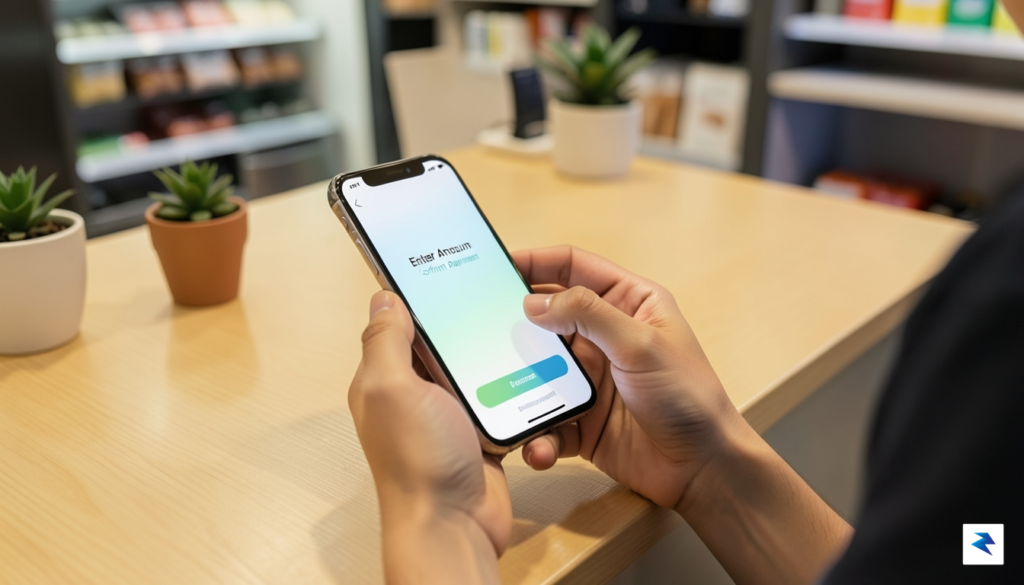
For the average South Korean consumer, the move toward a live Central Bank Digital Currency (CBDC) pilot marks a fundamental shift in how we perceive and interact with money. Unlike current mobile payment systems that act as an intermediary layer between bank accounts and merchants, a CBDC functions as a direct digital claim on the central bank. This transition promises to eliminate the friction often associated with traditional electronic transfers, such as delayed settlement times and complex reconciliation processes. As a result, users can expect a future where peer-to-peer payments and retail purchases occur instantaneously, providing a level of reliability and speed that current banking apps are only just beginning to approximate.
Beyond simple transaction speed, the programmable nature of a CBDC opens the door for innovative financial services that are safer and more transparent. By utilizing smart contracts, consumers could automate complex payments—such as escrow services for high-value items or conditional government subsidies—ensuring that funds are released only when specific, pre-defined criteria are met. This capability reduces the risk of fraud and removes the need for expensive third-party escrow services, effectively putting more control back into the hands of the individual user.
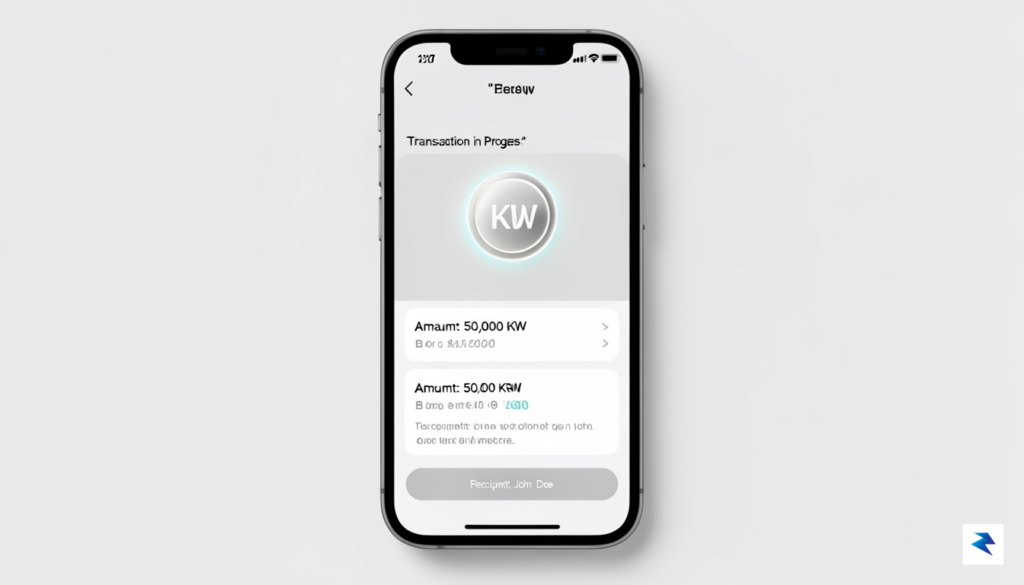
While consumers stand to benefit from increased convenience, commercial banks are facing a period of significant operational transformation. For these institutions, the integration of a CBDC represents a move toward unparalleled settlement efficiency. By digitizing the interbank clearing process, banks can drastically reduce the capital tied up in liquidity management, which is currently required to settle transactions between disparate banking ledgers. This shift not only lowers the overall cost of operations but also mitigates the systemic risks inherent in traditional payment rails, as the central bank acts as the ultimate settlement authority.
However, this evolution does not come without challenges for the traditional financial sector. As the central bank takes a more direct role in digital currency circulation, commercial banks may find their traditional revenue models under pressure, particularly regarding transaction fees and payment processing margins. To remain competitive, banks will likely need to pivot away from acting merely as conduits for payments and toward becoming providers of value-added services. We can expect to see a surge in specialized wallet-based financial products, where banks leverage the programmability of the CBDC to offer automated wealth management, tax compliance tools, and personalized budgeting services that reside directly within the user’s digital wallet.
The integration of CBDCs is not just a technological upgrade; it is a fundamental architectural shift that will redefine the relationship between the central bank, commercial lenders, and the end-user.
Ultimately, the transition from traditional mobile banking to a wallet-based CBDC ecosystem signifies a move toward a more integrated and inclusive financial infrastructure. By reducing reliance on multiple intermediaries, the Bank of Korea is paving the way for a system that is more resilient to market volatility and more efficient for the digital economy. As these nine banks begin their live testing, the insights gained will be crucial in determining how South Korea balances the benefits of innovation with the necessity of maintaining a stable and secure monetary framework for all citizens.

The transition toward a Central Bank Digital Currency (CBDC) necessitates a sophisticated regulatory framework that serves as the bedrock for public trust and institutional stability. As the Bank of Korea (BOK) embarks on this live pilot, the primary challenge lies in constructing a distributed ledger architecture that is inherently resilient against cyber threats while simultaneously ensuring rigorous adherence to Anti-Money Laundering (AML) and Know Your Customer (KYC) protocols. By integrating advanced encryption standards and multi-layered security protocols, the BOK aims to mitigate the systemic risks associated with digital asset volatility and unauthorized access, effectively creating a “fortress” environment for national financial transactions. This technological vigilance is not merely a technical requirement; it is a fundamental prerequisite for maintaining the integrity of the South Korean won in a digitized global economy.

Navigating the delicate equilibrium between financial anonymity and regulatory oversight represents perhaps the most contentious aspect of this transition. While users naturally demand the same level of privacy currently afforded by physical cash, central banks must maintain sufficient visibility to prevent illicit activities and ensure macroeconomic stability. The BOK is actively exploring “privacy-preserving” technologies, such as zero-knowledge proofs, which allow for transaction verification without exposing sensitive personal data to unauthorized parties. This approach suggests a nuanced future where individual financial autonomy is respected, yet the state retains the necessary tools to monitor systemic liquidity and prevent large-scale financial crimes. By striking this balance, South Korea is positioning itself to set a precedent for how modern democracies can embrace digital innovation without sacrificing the essential protections of their citizenry.
The success of the CBDC pilot hinges not on the speed of transactions, but on the public’s confidence that their digital assets are as safe as they are private.
Looking toward the horizon, the implications of this initiative extend far beyond domestic borders, potentially influencing the trajectory of global monetary policy for decades to come. If this pilot proves successful, it could serve as a blueprint for other nations seeking to modernize their payment systems while retaining sovereign control over their currency. Furthermore, the standardization of CBDC protocols could facilitate more efficient cross-border settlements, reducing the reliance on traditional correspondent banking networks that have historically been slow and costly. As South Korea leads this charge, it contributes to a growing international dialogue on the potential for a global digital standard, moving the world closer to a future where money is as fluid, secure, and transparent as the information that now powers the global digital economy.
You must be logged in to post a comment.