
China’s AI Surge: The New Challenge to Silicon Valley’s Dominance
The New Frontier: China’s AI Challenge to Silicon Valley For over a decade, the global artificial intelligence landscape has been synonymous…
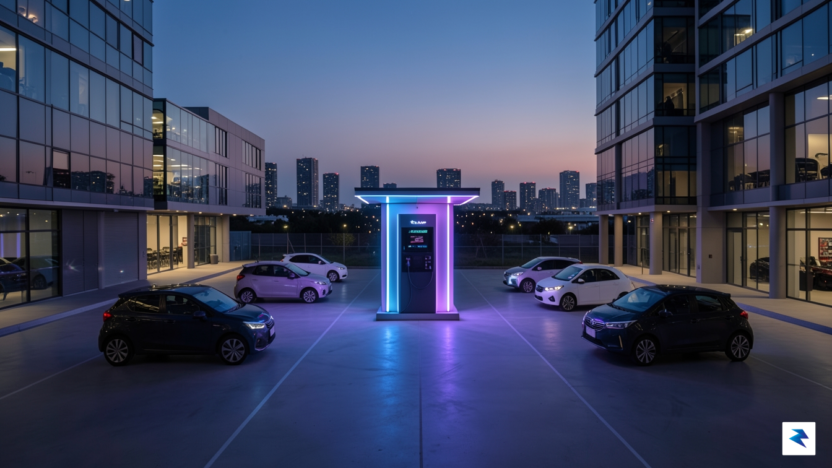

The American automotive landscape is currently navigating a profound period of recalibration, marking a stark departure from the unchecked optimism that characterized the previous half-decade. For years, manufacturers sprinted toward aggressive electrification targets, fueled by a mix of regulatory pressure, venture capital, and the intoxicating promise of the early adopter phase. However, the industry has now collided with the realities of the mass-market transition. As the pool of enthusiastic, tech-forward buyers begins to thin, automakers are finding that the average American consumer is far more sensitive to price, charging infrastructure gaps, and the lingering sting of high interest rates. This friction has forced a pivot from rapid, volume-heavy expansion toward a more guarded, strategic consolidation of resources.
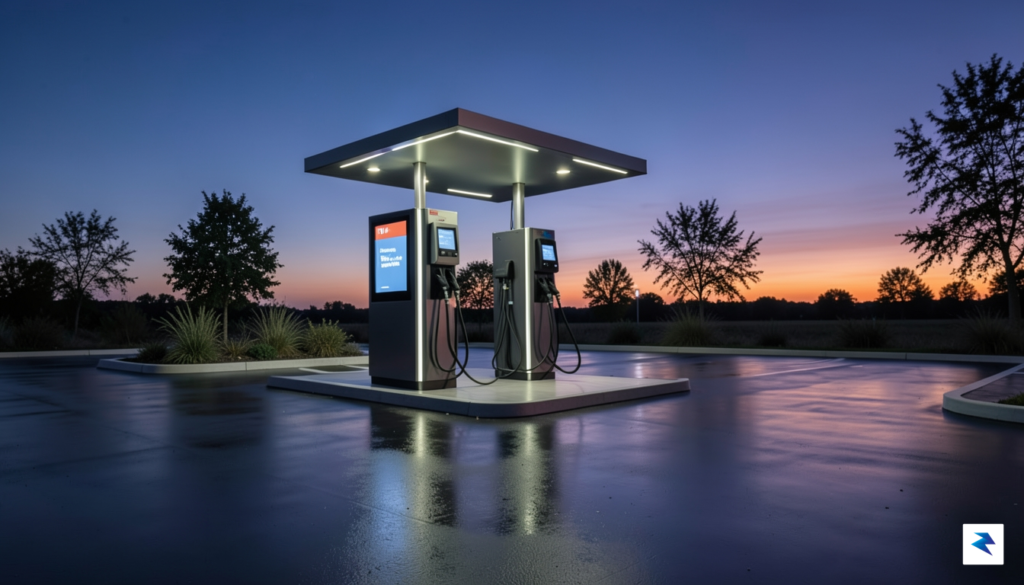
This correction is not merely a sign of slowing momentum, but rather a necessary maturation of a sector that perhaps grew too quickly. High capital costs and the sustained burden of elevated interest rates have made it increasingly difficult for original equipment manufacturers (OEMs) to justify maintaining bloated, underperforming portfolios. When a model fails to gain traction among the broader public, it becomes a liability on the balance sheet, draining the R&D budgets required to develop the next generation of battery technology. Consequently, we are witnessing the quiet sunsetting of several notable nameplates—a tactical withdrawal designed to preserve capital for more profitable, high-demand segments like hybrid SUVs and next-generation platforms that promise better margins.
The transition from an EV market driven by novelty to one driven by utility requires a ruthless focus on profitability. Manufacturers are effectively pruning their lineups to ensure that only the most viable, scalable vehicles survive the current economic headwinds.
This climate of reassessment explains why models that were once heralded as heralds of the green revolution are now being scrutinized—or even cut—before they can fully establish themselves. Even vehicles backed by legacy giants, such as the Honda Prologue, are being subjected to a rigorous “survival of the fittest” logic. As manufacturers refine their strategies, they are prioritizing vehicles that offer a clearer path to consumer adoption and profitability. This shift signals the end of the “electrify everything” era and the beginning of a more measured, pragmatic approach where only the models that truly align with current infrastructure and consumer demand will be permitted to remain in the showroom.
The recent wave of electric vehicle discontinuations is far from a random industry correction; it represents a fundamental shift in how legacy automakers approach the electrification of their lineups. For the past few years, manufacturers were locked in a frantic race to capture market share, often prioritizing rapid launches over long-term fiscal sustainability. Today, however, the industry has moved past the “volume at all costs” phase and entered a rigorous era of profitability. When an automaker decides to kill a specific EV model, it is almost always the result of a cold, calculated analysis of production costs that far exceed the price the market is willing to pay. Developing specialized, low-volume EV platforms is prohibitively expensive, and when those models fail to achieve the necessary economies of scale, they become anchors on the corporate balance sheet that investors are no longer willing to tolerate.

Beyond the raw manufacturing costs, the hidden burden of modern vehicle development lies in software. Modern EVs are effectively computers on wheels, requiring continuous, costly software updates, sophisticated battery management systems, and proprietary infotainment architectures. When a model fails to gain traction, the overhead required to maintain its software ecosystem becomes a recurring drain on resources that could be better spent on high-growth projects. Consequently, automakers are increasingly opting to consolidate their offerings, focusing their R&D budgets on modular, multi-vehicle platforms that can share software and hardware components across different segments. This strategy minimizes fragmentation and allows for more efficient updates, but it also necessitates the sacrifice of older, niche models that don’t fit into this new, unified vision.
The transition to electric mobility is no longer a sprint toward total electrification; it is a tactical pivot toward fiscal resilience.
The strategic pendulum is also swinging back toward hybrid technology, which is currently being positioned as a crucial bridge for consumers who are not yet ready to commit to a purely battery-electric lifestyle. As inventory pile-ups at dealerships signal a softening of demand for high-priced, long-range EVs, automakers are responding by diversifying their portfolios to include more plug-in hybrids and traditional hybrids. By killing off underperforming EVs, companies are freeing up capital to pivot toward these more accessible, high-margin alternatives. This shift is not necessarily a retreat from electrification, but rather a maturation of the strategy, acknowledging that the path to a fully electric future requires a sustainable economic foundation built on models that actually sell through to consumers without the need for massive, profit-eroding incentives.
The landscape of the electric vehicle market is currently undergoing a period of intense rationalization, where manufacturers are ruthlessly pruning portfolios that fail to meet stringent profit margins or sales volume expectations. Among the most prominent departures is the Honda Prologue, an electric crossover that represented the brand’s first serious, mass-market effort to enter the battery-electric space. Despite its handsome design, spacious cabin, and the trust associated with the Honda badge, the Prologue struggled to carve out a distinct identity in a segment crowded with established competitors like the Tesla Model Y and the Hyundai Ioniq 5. Ultimately, the vehicle suffered from a lack of unique technological differentiation, as it relied heavily on General Motors’ Ultium platform rather than proprietary Honda architecture, leading to a tepid reception from consumers who were looking for a quintessential Honda experience that simply wasn’t fully realized.
When analyzing why models like the Prologue and other discontinued EVs failed to gain sustained traction, a clear pattern emerges regarding pricing and target demographics. Many of these retired vehicles were positioned as “bridge” cars—intended to appease early adopters while the automakers finalized their own next-generation electric platforms. However, this strategy often backfired. Because these cars were frequently priced at a premium to account for initial development costs, they found themselves squeezed between high-performance, lower-cost rivals and luxury offerings that provided a more premium interior experience. For the average buyer, the value proposition simply wasn’t strong enough to justify the jump from a reliable internal combustion engine vehicle to an EV that felt like a placeholder for future, better-integrated technology.
The current EV shakeout is less about a lack of consumer interest and more about a brutal correction in product strategy, where “good enough” is no longer a viable competitive advantage.
Beyond the Honda Prologue, the list of recent exits includes a diverse array of performance-focused machines and legacy automaker experiments that failed to find their footing. Whether it was a lack of charging infrastructure compatibility at launch, bloated MSRPs that alienated the middle-market buyer, or simply a strategic pivot toward hybrid powertrains, the common thread is clear: automakers are abandoning models that don’t offer a “must-have” feature set. This trend signifies a shift toward maturity in the EV sector. Manufacturers are no longer content to simply put an electric motor in a chassis; they are moving toward a model where every vehicle must justify its existence through superior range, proprietary software ecosystems, or disruptive pricing. For the consumer, this means that the era of the “experimental” EV is ending, making way for a future where only the most refined and purposeful designs will survive the transition to a fully electric lineup.
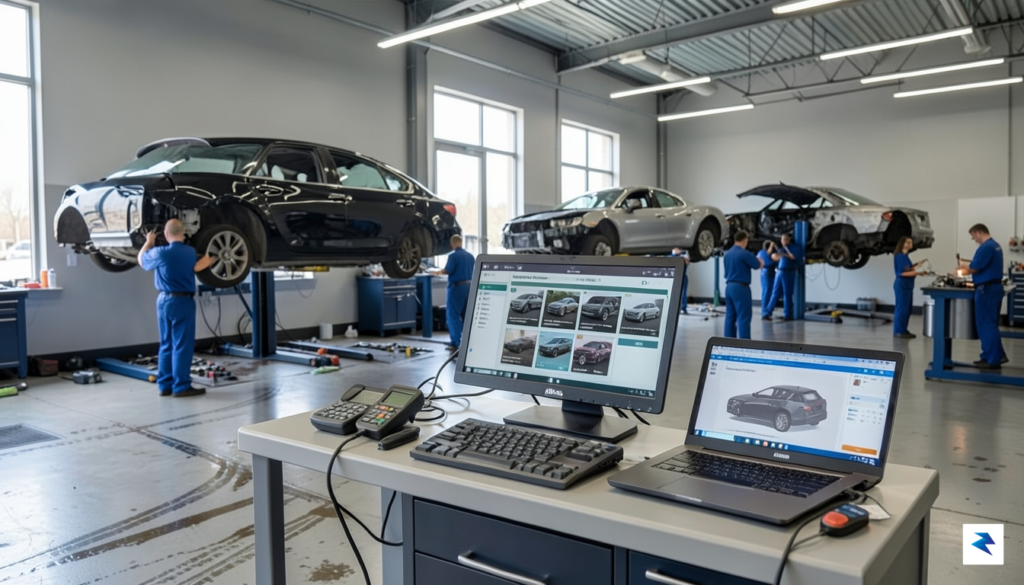
When an electric vehicle model is ushered out of production, it naturally sparks a wave of questions and concerns among current owners and those considering a purchase on the secondary market. The immediate anxiety often revolves around the long-term viability of their investment: will it become an ‘orphan’ with dwindling support, leading to rapid depreciation and insurmountable maintenance hurdles? While these fears are understandable, the reality is often more nuanced, requiring a deeper look into manufacturer obligations and the evolving nature of automotive ownership in the electric era.
One of the most pressing concerns for current owners is the impact on their vehicle’s residual value. Typically, when a model is discontinued, its resale value tends to soften more quickly than that of actively produced models, reflecting buyer apprehension about future support. For EVs, this effect can be amplified by the rapid pace of battery technology advancements, which already contributes to unique depreciation curves. However, not all discontinued EVs face the same fate; models that were particularly well-regarded for their performance, reliability, or unique features might hold their value better, especially if they have a dedicated enthusiast base. It’s essential for owners to manage expectations and understand that while some depreciation is inevitable, a well-maintained discontinued EV can still offer considerable value.
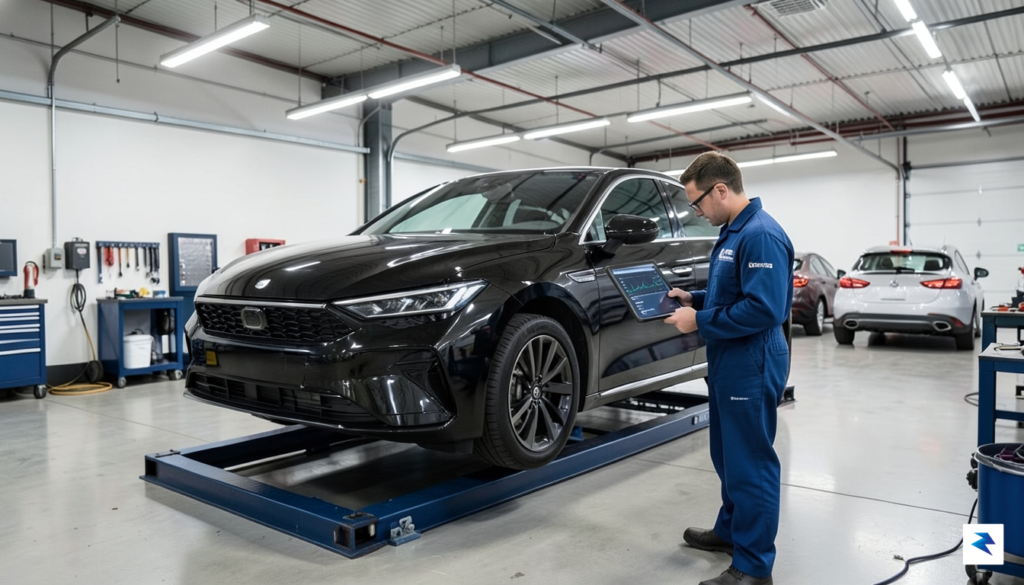
Regarding parts availability and servicing, consumers have a significant safeguard through existing regulations. Automotive manufacturers are generally legally required to supply replacement parts for a set number of years after a vehicle model ceases production, often ranging from 7 to 10 years, and sometimes longer for critical components. This means that for a considerable period, owners can expect access to essential parts like brake pads, suspension components, and even specialized EV parts such as battery modules or electric motors through official channels. While the availability of cosmetic or niche accessories might diminish over time, core operational components are usually protected, offering a crucial layer of reassurance for long-term ownership.
The realm of software updates presents a unique challenge for discontinued EVs, as these vehicles rely heavily on over-the-air (OTA) updates for everything from performance optimizations and infotainment features to critical battery management system (BMS) refinements and security patches. Manufacturers are unlikely to completely abandon ‘orphaned’ models, particularly when it comes to safety-critical updates or fixes for major operational bugs. However, the frequency and scope of new feature rollouts or significant infotainment enhancements will likely diminish significantly compared to active models. Owners should anticipate that while their vehicle will remain functional and secure, it might not receive the latest cutting-edge software features that newer models enjoy, gradually creating a divergence in the user experience.
For current owners navigating the news of their EV’s discontinuation, a measured approach is advisable. Firstly, thoroughly research the manufacturer’s specific commitments regarding parts availability and software support for your model; this information can often be found on their official websites or by contacting customer service directly. Secondly, consider if an extended warranty, particularly one covering the battery and powertrain, might offer additional peace of mind beyond the standard factory coverage, especially if you plan to keep the vehicle for many years. Finally, maintaining meticulous service records and staying engaged with owner communities or forums can provide invaluable insights into common issues, available parts, and even independent repair options, ensuring a more informed and supported ownership journey.
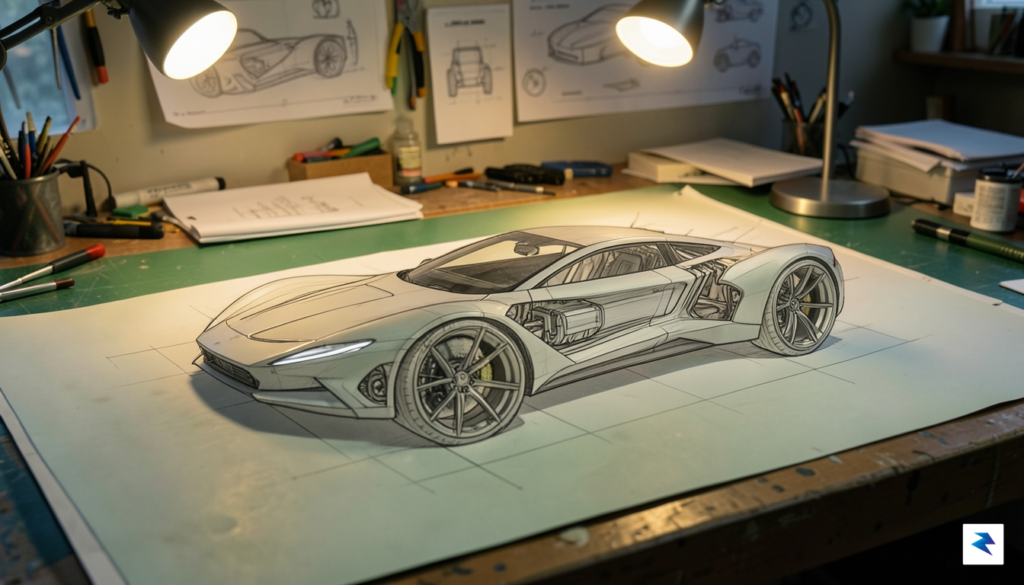
The recent departures of several electric vehicle models from the U.S. market, while perhaps disheartening for some enthusiasts, are not a sign of the industry’s weakness but rather a clear indication of its rapid maturation. This period represents a crucial “clearing of the deck,” as early, experimental models make way for a more sophisticated and purpose-built generation of EVs. The lessons gleaned from these discontinued vehicles—ranging from consumer preferences to manufacturing challenges and technological limitations—are not lost; instead, they are being rigorously analyzed and integrated into the design philosophies of the next wave of electric cars and trucks. This iterative process is fundamental to any nascent technology sector, ensuring that future offerings are more robust, efficient, and ultimately, more appealing to a broader audience.
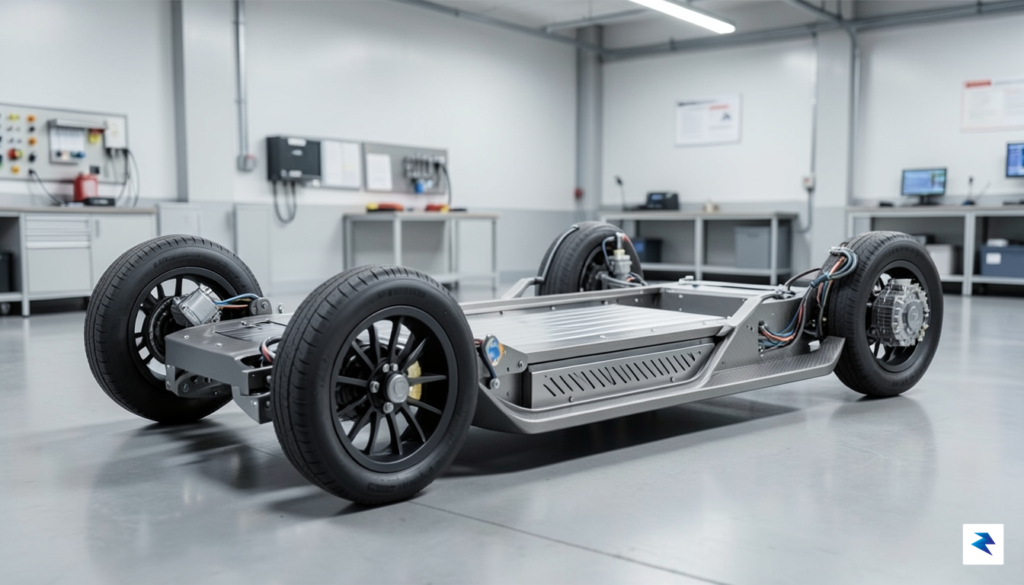
Crucially, the industry is witnessing a significant pivot away from adapting existing internal combustion engine (ICE) platforms for electric powertrains, which often resulted in compromises in battery packaging, weight distribution, and overall efficiency. The focus has unequivocally shifted toward developing dedicated, ‘skateboard’ EV platforms from the ground up. These purpose-built architectures allow for optimal placement of batteries, electric motors, and power electronics, leading to superior aerodynamics, lower centers of gravity, and vastly improved interior space. This fundamental design change is the bedrock for delivering the next generation of EVs with substantially better range, faster charging capabilities, and the kind of driving dynamics that truly differentiate them from their fossil-fueled predecessors.
Furthermore, a pivotal transformation is underway in the realm of battery manufacturing and supply chains. Historically, EV manufacturers have largely relied on external suppliers for battery cells, a dependency that has exposed them to volatile raw material costs, supply chain bottlenecks, and limited control over battery chemistry innovation. The industry is now aggressively moving towards vertical integration, with major players investing heavily in their own battery research and development, raw material sourcing, and even full-scale cell production facilities. This strategic shift is designed to stabilize production costs, ensure a consistent supply of critical components, and accelerate the development of next-generation battery technologies that offer higher energy density, faster charging, and a longer lifespan. This control over the entire battery ecosystem is vital for achieving economies of scale and ultimately making EVs more affordable and accessible.
Looking ahead, the next 24 months promise to be a transformative period for the U.S. EV sector. We can anticipate a continued consolidation within the market, where less competitive or financially strained offerings will likely fade, making room for more refined and technologically advanced vehicles. The emphasis will increasingly be on delivering not just performance and range, but also practical considerations like robust charging infrastructure, seamless software integration, and competitive pricing. This intense period of innovation and market adjustment will pave the way for a more sustainable and diverse EV landscape, offering consumers a wider array of choices that are better suited to their needs and budgets, solidifying electric vehicles as a mainstream transportation solution.
You must be logged in to post a comment.