Bank of Korea Launches Live CBDC Pilot: What This Means for South Korea
The Evolution of Digital Won: Understanding the BOK CBDC Pilot South Korea is currently at the forefront of a profound financial…
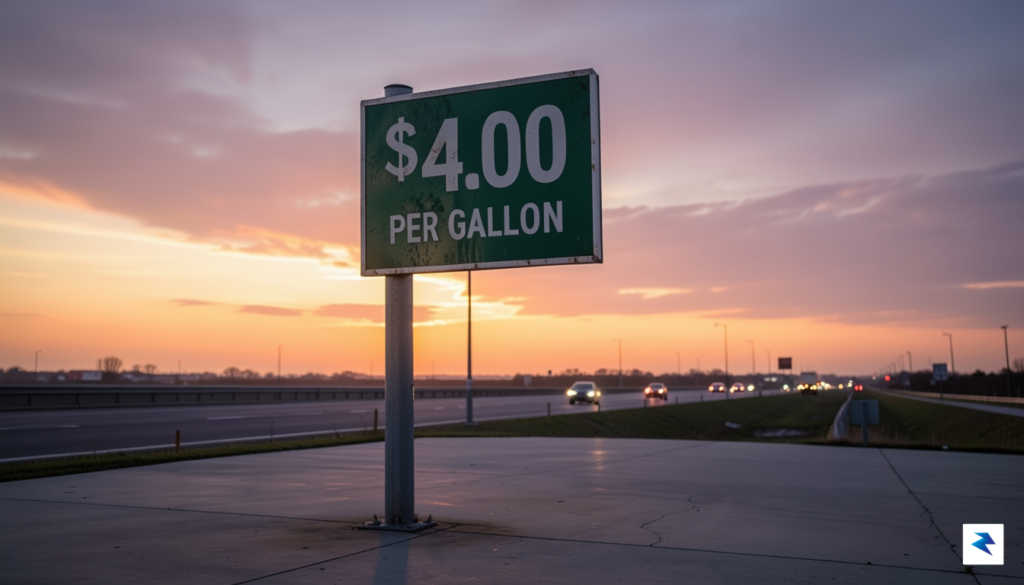
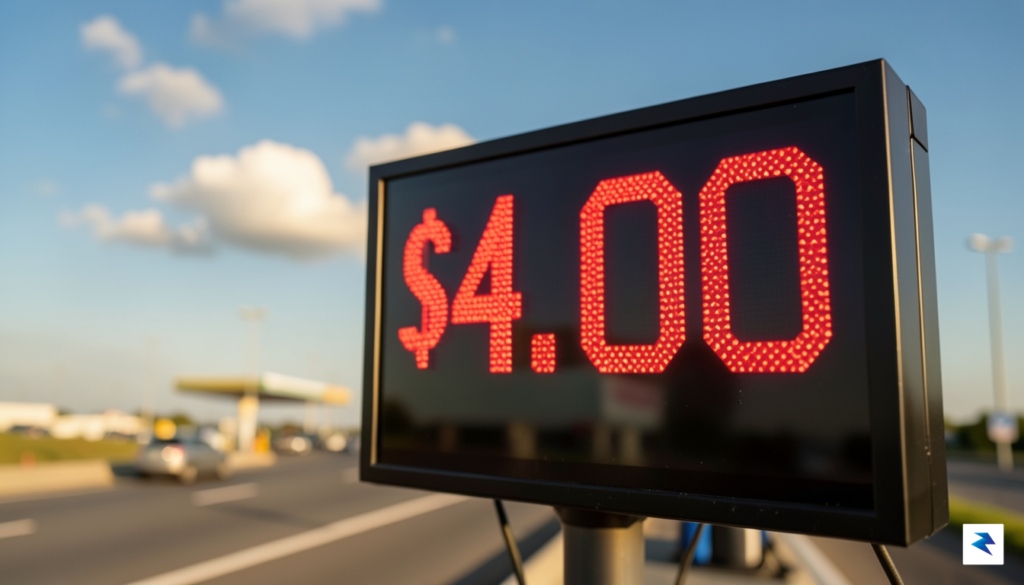
For many American households, the recent period of relative stability at the fuel pump felt like a much-needed reprieve from the inflationary pressures that have defined the past few years. However, that sense of normalcy has evaporated almost overnight as national averages once again climb toward the psychological threshold of $4 per gallon. This sudden shift is not the result of domestic supply failures or seasonal maintenance cycles, but rather a direct consequence of the rapidly deteriorating security situation in the Middle East. When geopolitical tensions flare in one of the world’s most vital energy corridors, the shockwaves are felt almost immediately in the budgets of commuters from coast to coast.
The connection between international conflict and local gas prices is rooted in the inherent fragility of global energy markets. Because oil is a globally traded commodity, its price is determined by a complex interplay of speculative trading, supply chain logistics, and the persistent fear of future disruptions. Even when local oil production remains steady, the mere threat of a blockade in the Strait of Hormuz or the potential for regional conflict to escalate can drive up the cost of crude oil futures. Consequently, when geopolitical risks rise, refineries and retailers prepare for higher procurement costs, passing those expenses down to the consumer long before a single gallon of supply is physically lost.
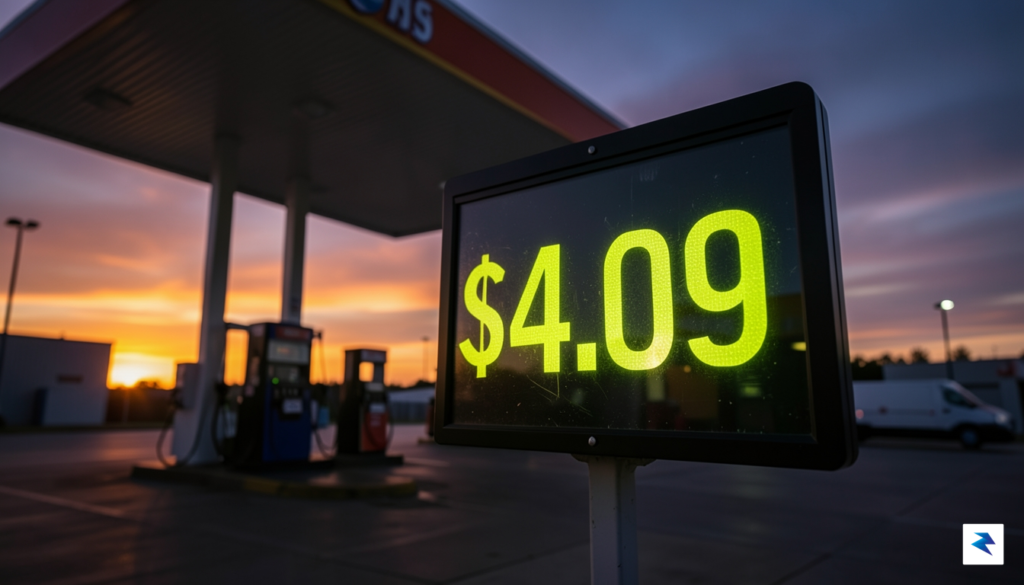
The volatility of gasoline prices serves as a constant reminder that the global energy market is an interconnected web where international diplomacy and domestic household expenses are inextricably linked.
For the average commuter, this price surge represents more than just a fluctuation on a digital sign; it is a direct reduction in disposable income that complicates household budgeting. When gasoline prices tick upward, the ripple effect is felt across the entire economy, increasing the cost of shipping, manufacturing, and the delivery of essential consumer goods. This inflationary pressure forces families to make difficult trade-offs, often scaling back on discretionary spending or travel to accommodate the rising cost of daily transportation. As we navigate this period of heightened uncertainty, the reality remains that domestic energy prices are rarely insulated from the geopolitical tremors that occur thousands of miles away.
It is important to recognize that the $4 threshold acts as a significant psychological barrier for consumers, often triggering changes in travel behavior and purchasing power. When fuel costs rise, the “hidden tax” on the economy manifests in higher prices for groceries and retail items, as transportation costs are baked into the final price of nearly every product on a store shelf. While experts continue to monitor supply levels and diplomatic negotiations, the immediate reality is that the volatility in the Middle East has effectively ended the short-lived era of cheaper gasoline, forcing a reassessment of household priorities as energy costs regain their position as a top-tier concern for the American public.

At the heart of the current spike in fuel costs lies the Strait of Hormuz, a narrow maritime passageway that functions as the literal jugular vein of the global economy. Stretching only 21 miles at its tightest point between Iran and Oman, this waterway facilitates the transit of roughly one-fifth of the world’s total petroleum consumption. Because so much of the globe’s crude oil is produced in the Persian Gulf, any instability in this region forces energy markets into a defensive posture. When diplomatic channels between Washington and Tehran falter, the mere suggestion that this corridor could be closed—or even partially restricted—triggers a volatile reaction from traders, who immediately price in the risk of a supply shock.
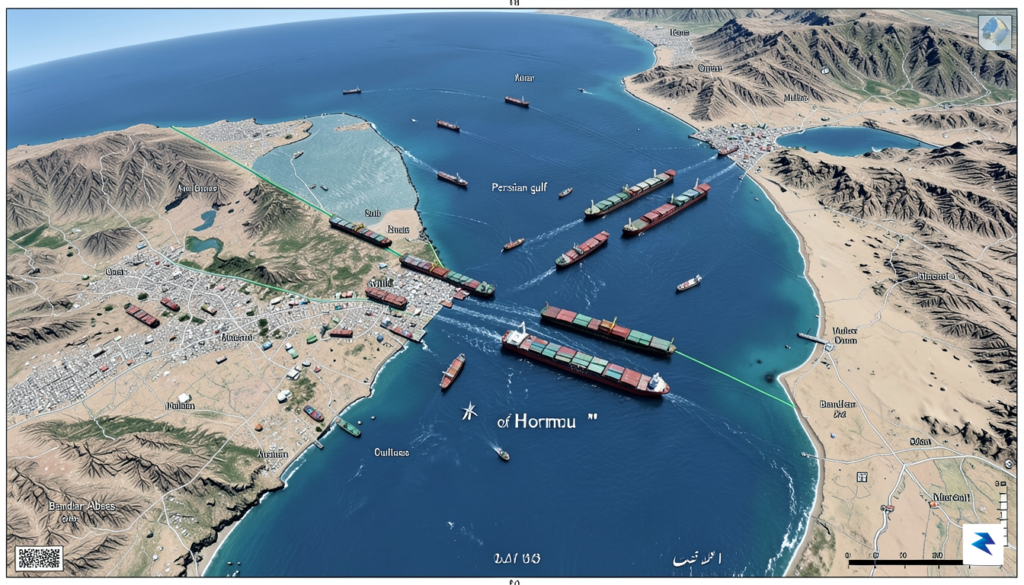
The recent collapse of diplomatic negotiations has significantly heightened military posturing, turning the strait into a high-stakes chessboard. As both nations increase their naval presence in the area, the margin for error shrinks dramatically. Investors look at these maneuvers not merely as political rhetoric, but as genuine threats to the reliable flow of energy. Because oil is traded on global markets that thrive on predictability, the uncertainty surrounding the strait creates a “fear premium.” This premium is baked into the price of a barrel of oil almost instantly, long before a single tanker is actually blocked or delayed.
“The Strait of Hormuz remains the world’s most critical energy chokepoint; its vulnerability is the primary lever that turns regional geopolitical friction into a direct, tangible cost for every driver at the gas station.”
This speculative pressure is the direct link to the $4-per-gallon price tag you see at your local station. When international markets anticipate a potential disruption, the cost of futures contracts surges, and those increased costs are passed down the supply chain with remarkable speed. Refineries, wholesalers, and retailers all adjust their margins to account for the heightened risk of future supply shortages. Consequently, the geopolitical tug-of-war playing out thousands of miles away manifests as an immediate, involuntary tax on the American consumer. As long as tensions remain elevated in the strait, the volatility in your wallet will likely persist, reflecting the precarious reality of our globalized energy dependency.

When gasoline prices climb toward the $4-a-gallon mark, the impact extends far beyond the pump, acting as a regressive “hidden tax” that permeates every corner of the American economy. Because fuel is a fundamental input for the logistics sector, any spike in energy costs triggers an immediate increase in the price of moving goods from warehouses to retail shelves. Trucking companies, shipping fleets, and air cargo services must inevitably pass these elevated operational costs onto businesses and, ultimately, the consumer. Consequently, the price tags on everything from fresh produce and household staples to consumer electronics begin to creep upward, creating a compounding effect that stretches family budgets thin across the country.
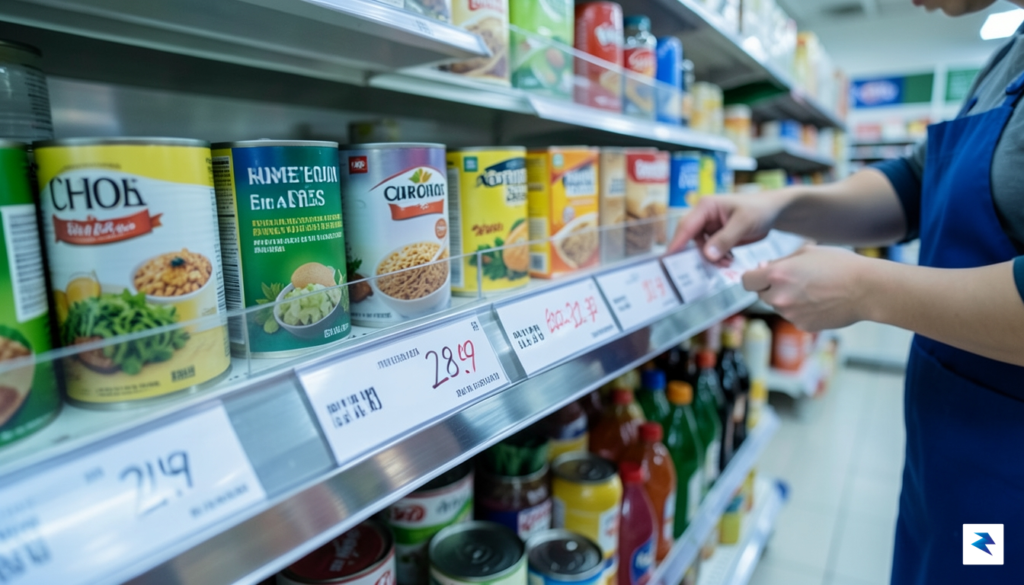
This inflationary pressure is particularly damaging because it forces households to reallocate their limited financial resources toward essential transportation and goods, leaving significantly less room for discretionary spending. As fuel costs consume a larger percentage of a household’s take-home pay, consumer sentiment often takes a sharp downturn. When people feel the pinch of high energy prices in their daily commutes and grocery bills, they tend to tighten their belts, reducing spending on non-essential services, entertainment, and luxury items. This shift in behavior can act as a drag on the broader economy, as consumer spending remains a primary engine for growth; when that engine slows, the pace of the overall economic recovery risks losing momentum.
Rising energy costs function as a silent economic headwind, simultaneously increasing the cost of living while suppressing the consumer demand necessary to sustain a healthy market.
The danger of this situation lies in the potential for persistent, long-term inflationary pressure if energy costs remain elevated for an extended period. If fuel prices stay at these heightened levels due to geopolitical instability, businesses may find themselves in a position where they must permanently adjust their pricing structures to protect their profit margins. This can lead to a cycle where inflation becomes “sticky,” making it much more difficult for the Federal Reserve and other economic policymakers to stabilize the cost of living. Ultimately, the return to $4 gas is not merely a temporary inconvenience for drivers; it is a signal that the cost of doing business is rising, which requires consumers to prepare for a more challenging financial environment in the months ahead.

When national security concerns in the Middle East threaten the stability of global oil supplies, the U.S. government often turns to the Strategic Petroleum Reserve (SPR) as its primary tool for damage control. Originally established in the wake of the 1973 oil embargo, the SPR is a massive complex of underground salt caverns designed to serve as an emergency supply during severe supply disruptions, such as natural disasters or geopolitical conflicts. By releasing millions of barrels of crude oil into the market, the administration aims to increase supply and thereby put downward pressure on retail gasoline prices. However, these interventions are inherently temporary measures that treat the symptoms of market volatility rather than the underlying structural causes of energy price inflation.
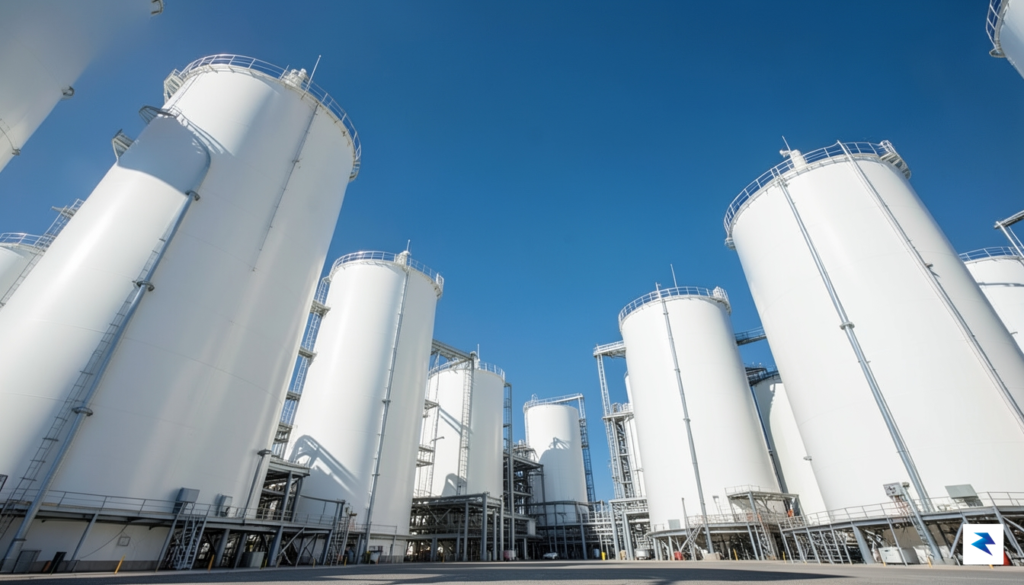
The effectiveness of these releases remains a subject of intense debate among economists and energy analysts. While historical data suggests that SPR drawdowns can provide a short-term psychological buffer for the markets, their impact on the actual price at the pump is often marginal and fleeting. Because global oil markets are interconnected and driven by complex factors—including refinery capacity, seasonal demand, and international speculation—a release from the SPR is frequently insufficient to offset a significant, sustained supply shock. Furthermore, because these reserves are finite, aggressive utilization during periods of moderate price pressure risks leaving the nation vulnerable should a more catastrophic emergency occur later, limiting the government’s future maneuvering room.
The Strategic Petroleum Reserve is an insurance policy, not a permanent solution to global supply chain volatility. Relying on it as a primary economic tool complicates long-term energy strategy.
Ultimately, the current crisis highlights the tension between the immediate need for affordable fuel and the broader goals of national energy independence. Relying on global supply chains that are susceptible to instability in regions like Iran underscores the fragility of the status quo. Policymakers are now caught in a difficult trade-off: they must decide whether to continue utilizing emergency stockpiles to keep prices low for consumers, or to encourage a more robust domestic production strategy that minimizes reliance on foreign imports. Both paths involve significant political and environmental hurdles, yet as price volatility becomes a recurring theme, the limitations of temporary interventions are becoming increasingly apparent to the public.
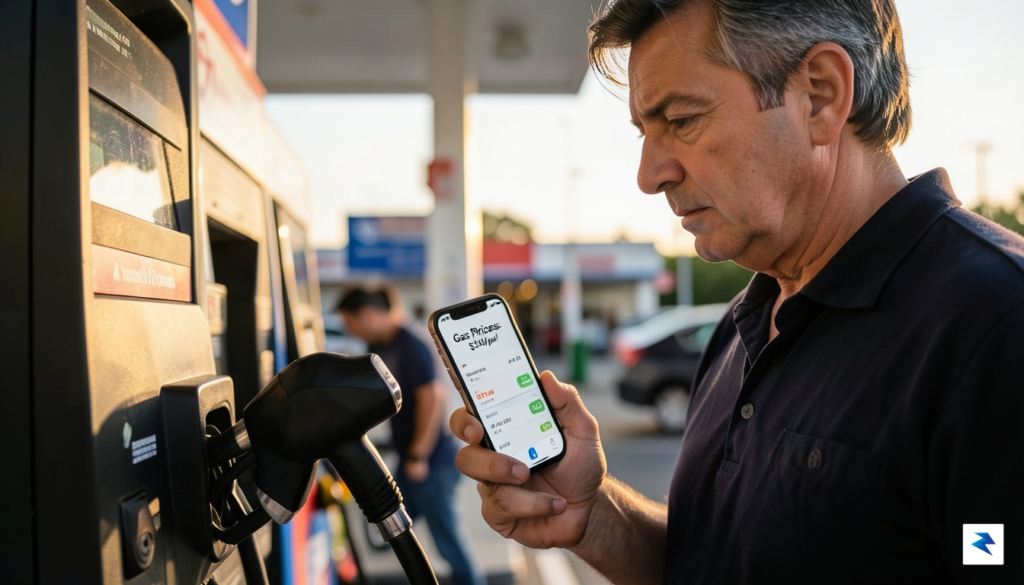
As geopolitical tensions in the Middle East continue to introduce unpredictability into global energy markets, experts suggest that volatility will likely remain the defining characteristic of the coming months. Because crude oil prices are tethered to perceptions of supply security, any sudden escalation in regional conflict can trigger immediate spikes at the pump. For the remainder of the summer, consumers should brace for a period where prices remain sensitive to every headline. While energy analysts are not necessarily predicting a sustained, runaway surge, they do emphasize that the “cushion” typically provided by stable inventories has thinned, meaning the market is less equipped to absorb supply-side shocks without passing the cost directly to the end user.
In this uncertain environment, adopting proactive fuel-management habits is the most effective way for drivers to shield their personal budgets from erratic price fluctuations. Small adjustments can aggregate into meaningful savings over the course of a busy travel season. To maximize your vehicle’s efficiency, consider the following strategies:
The key to navigating this summer is shifting from a reactive mindset to a strategic one; treating fuel as a variable expense that can be managed through behavioral changes is essential for maintaining financial equilibrium while prices remain elevated.
Ultimately, the current situation serves as a stark reminder of the necessity for long-term energy resilience. Relying on a global supply chain that is inherently susceptible to geopolitical instability leaves household budgets vulnerable to forces far beyond our control. While individual drivers cannot influence international policy, they can certainly exert control over their own consumption patterns. By becoming more intentional about how and when we drive, we not only alleviate the immediate financial sting of a four-dollar gallon but also reduce our collective dependence on a volatile energy market. As we move through the rest of the summer, patience and preparation will be the most valuable tools in your driving arsenal.
You must be logged in to post a comment.