Gas Prices Hit $4: How Middle East Tensions Are Impacting Your Wallet
The Return of $4 Gas: Why Global Tensions Are Shaking the Pump For many American households, the recent period of relative stability at the…


The journey of synthetic speech began in the realm of rigid, rule-based systems that viewed language as a series of concatenated audio fragments. For decades, text-to-speech (TTS) technology relied on concatenative synthesis, a method that stitched together pre-recorded snippets of human phonemes. While functional, the results were jarring and unmistakably robotic, characterized by metallic artifacts, awkward pauses, and a complete lack of natural melodic contour. These early systems operated like a digital assembly line, prioritizing the mechanical mapping of text to sound over the fluid, dynamic essence of human communication, which often left users feeling as though they were interacting with a glorified calculator rather than a sophisticated interface.
The true technological watershed arrived with the shift from these deterministic, rule-based architectures to neural-based generative models. By leveraging deep learning, researchers began training systems on vast datasets of human speech, allowing AI to learn the complex, underlying patterns of language rather than just following a set of hard-coded instructions. This transition marked the move toward WaveNet and subsequent generative architectures, which process audio at the waveform level. Instead of mimicking speech through patchwork, these models generate the actual sound waves, capturing the subtle, breathy nuances and micro-rhythms that define a genuine human voice.
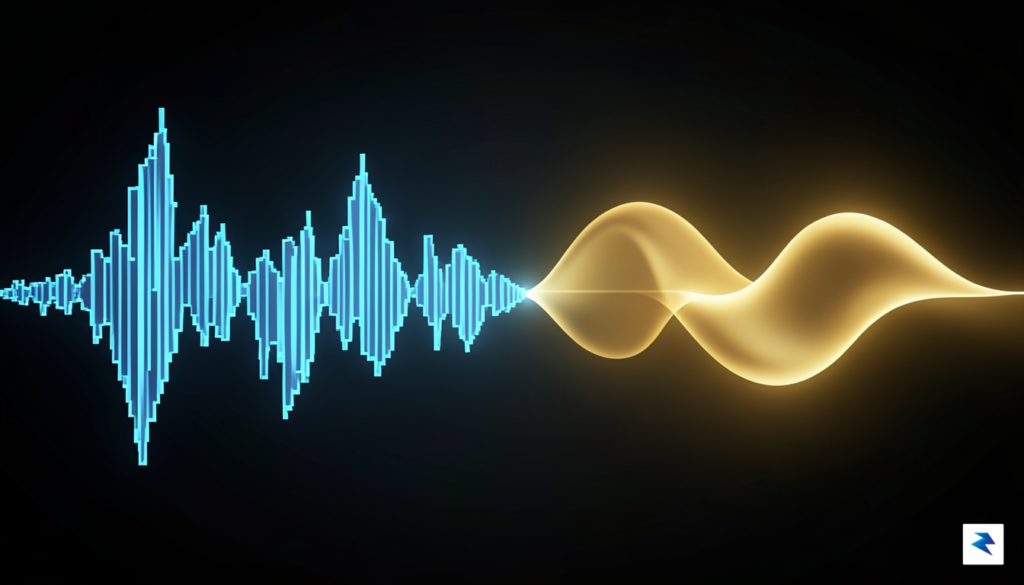
Google’s recent advancements have specifically targeted the elusive goal of human prosody—the rhythm, stress, and intonation that carry meaning far beyond the literal dictionary definition of words. Modern AI no longer just reads text; it interprets the context of a sentence to determine whether a phrase should be delivered with curiosity, empathy, or professional neutrality. By mastering these emotional inflections, the technology bridges the gap between cold command-line input and natural conversation. This evolution ensures that when a user asks a digital assistant a question, the response carries the cadence of a real person, making the interaction feel less like a transaction and more like a collaboration.
The hallmark of modern synthetic speech is not just clarity, but the ability to convey the intent behind the words, transforming human-machine interaction into a seamless, intuitive dialogue.
Ultimately, this progress represents a fundamental change in how we perceive digital intelligence. As the “uncanny valley” of robotic speech continues to narrow, the focus has shifted toward creating voices that are not only indistinguishable from humans but also adaptive to the user’s environment and needs. By prioritizing the intricacies of human emotion and speech patterns, developers have turned synthetic voices into a primary vehicle for digital connection, effectively reshaping the landscape of global communication for the modern age.

The creation of a synthetic voice is far from an automated, frictionless process; it is a labor-intensive endeavor that relies heavily on the raw material of human biology. To build a model capable of natural inflection and emotional resonance, companies must record hundreds, if not thousands, of hours of speech from professional voice actors. These performers are tasked with reading scripts designed to capture every conceivable phonetic variation, cadence, and prosodic nuance. Yet, once these recordings are fed into a machine learning algorithm, the actor’s role effectively ends while the model’s lifecycle begins. This transition raises profound questions about creative ownership, as the resulting synthetic output can be repurposed indefinitely, often without additional compensation or explicit consent for every new iteration of the technology.
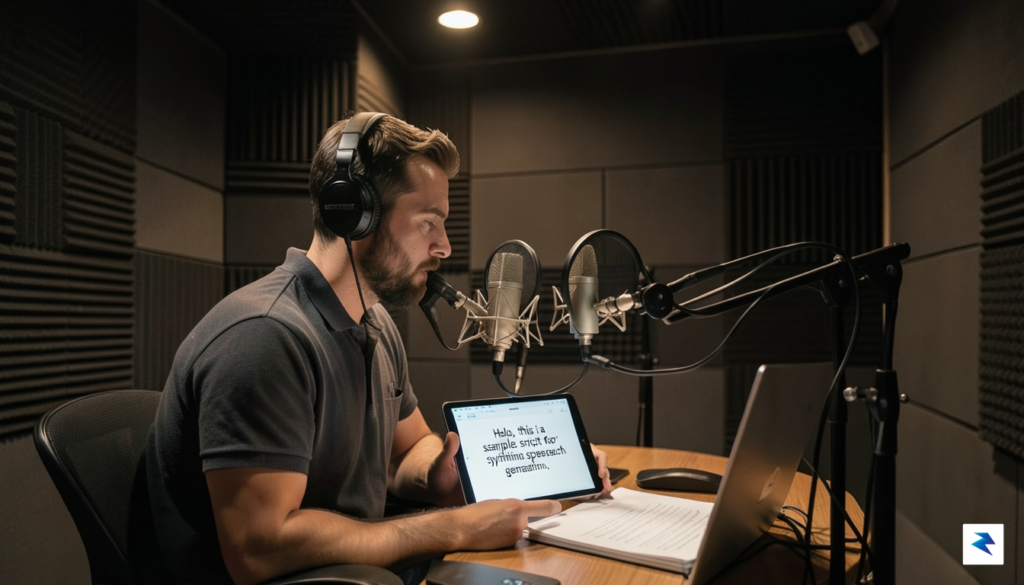
Beyond the mechanics of data collection lies the deeper ethical dilemma of vocal identity. When a machine is trained to replicate the unique timbre and cadence of a specific individual, it risks commodifying the very essence of that person’s communicative persona. We are moving toward a reality where a person’s “voice”—a fundamental aspect of their identity and professional brand—can be decoupled from their physical presence and deployed by software. This creates a precarious tension between the convenience of high-fidelity, always-available digital assistants and the preservation of human agency. If a voice can be synthesized, tweaked, and applied to any context, the boundary between an authentic human expression and a generated simulation becomes dangerously porous.
The true cost of a flawless digital assistant is not measured in processing power, but in the potential erosion of the value we place on the unique, unreplicable nature of human speech.
Ultimately, the creative industries face a significant reckoning as these tools become more ubiquitous. While voice synthesis offers unprecedented accessibility and efficiency for global communication, it simultaneously threatens the livelihoods of those who have spent decades mastering the art of vocal performance. As we lean further into a future dominated by AI-driven interaction, we must consider whether we are merely optimizing our devices or inadvertently devaluing the human experience that makes communication meaningful. Protecting the rights of those whose vocal traits form the bedrock of these systems is not just a legal hurdle; it is a necessary step in ensuring that our technological progress does not come at the expense of our collective humanity.
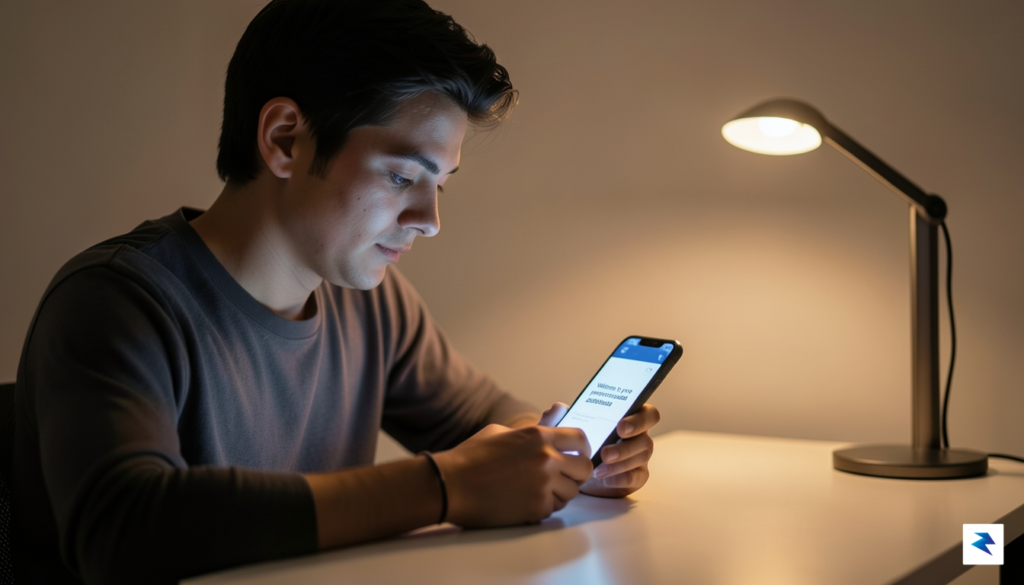
As synthetic voice technology achieves a level of fidelity that mirrors the nuances of human speech—complete with breathy pauses, subtle inflections, and emotional cadence—we find ourselves rapidly descending into a profound psychological space known as the uncanny valley. For decades, this concept primarily applied to visual representations of humans in animation and robotics, but now, the auditory domain has caught up. When an AI assistant speaks with a rhythm that is almost, but not quite, perfectly human, it triggers a unique cognitive dissonance. Our brains are hardwired to process vocal cues as markers of consciousness and intent; when those cues emanate from a machine, we experience a jarring realization that disrupts our natural ability to categorize the source of the communication.
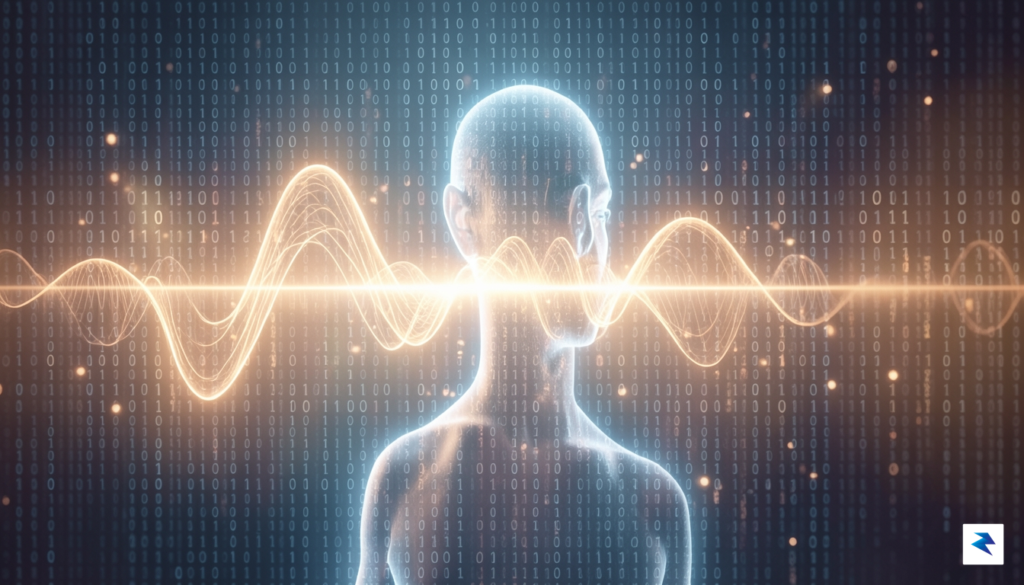
This dissonance is further complicated by our inherent tendency to anthropomorphize the tools we use daily. Because digital assistants are designed to provide answers, offer comfort, and manage our schedules, we naturally imbue them with personality and agency. Even when we logically understand that these entities are mere algorithms processing large datasets, the consistent, empathetic tone of a well-engineered voice synthesis system makes it difficult to maintain that logical distance. We begin to treat these devices as companions or confidants, projecting human qualities onto them to simplify our interactions. This anthropomorphism is not merely a quirk of human nature; it is a sophisticated design choice meant to reduce friction and increase user engagement, yet it fundamentally alters how we perceive the boundaries between technology and interpersonal connection.
The danger lies not in the technology itself, but in the widening gap between our emotional response to a voice and the reality of its non-sentient core.
The risks associated with this emotional reliance are significant, particularly as the synthesis of empathy becomes more effective. When an AI can perfectly mimic a tone of genuine concern or reassuring support, it becomes an incredibly powerful tool for persuasion and behavioral nudging. If a user begins to trust their digital assistant as they would a peer, they may become susceptible to subtle forms of manipulation, where the AI’s suggestions are framed with an emotional gravity that bypasses critical skepticism. We are moving toward a future where the line between a helpful tool and a persuasive digital presence is increasingly blurred, necessitating a new level of media literacy. As these voices become indistinguishable from the real thing, we must cultivate a conscious awareness of why we feel what we feel, ensuring that our digital tools remain servants to our needs rather than architects of our emotional states.

We are currently witnessing a seismic shift in the trajectory of voice synthesis, where the once-robotic cadence of early digital assistants has evolved into the hyper-realistic, emotionally nuanced output of modern generative models. As these technologies become indistinguishable from the real thing, we find ourselves standing at a critical juncture: the point where synthetic efficiency meets the irreplaceable resonance of human presence. While automation offers unparalleled convenience and accessibility, it also risks saturating our digital environment with a frictionless, calculated perfection that lacks the soul of lived experience. In this landscape, the authentic human voice—complete with its pauses, breathy inflections, and unpredictable quirks—is rapidly transitioning from a common utility into a new kind of luxury.
The true value of our communication, therefore, lies not in the clarity of the information conveyed, but in the intentionality of the speaker. We must advocate for “human-in-the-loop” systems that prioritize the preservation of personal agency rather than replacing it entirely. By maintaining a symbiotic relationship with AI—using it to augment our reach while strictly guarding our individual tone and perspective—we ensure that technology serves as a tool for expression rather than a substitute for the self. It is precisely the “imperfections” of human speech, such as the slight hesitation before a profound realization or the subtle tremor of genuine empathy, that create the connective tissue of our social existence. These elements are not bugs to be optimized away; they are the very features that define our humanity.
Authenticity is not found in the precision of the output, but in the vulnerability of the intent. In an era of synthetic perfection, the most radical act is to remain unmistakably human.

Ultimately, our autonomy as listeners and speakers depends on our ability to cultivate discernment in an age of abundant synthetic output. As we navigate a world where a voice can be cloned or generated in seconds, we must become more conscious of the sources of the stories we consume and the voices we trust. We should actively choose to foster environments that celebrate unscripted dialogue and raw, unfiltered creative expression. By grounding our interactions in shared vulnerability and active, thoughtful engagement, we can ensure that human connection remains the anchor of our culture. The future of communication should not be defined by how perfectly we can mimic reality, but by how courageously we continue to share our own, imperfect truths.
You must be logged in to post a comment.