
The Growing Tension Between Corporate Policy and Employee Advocacy

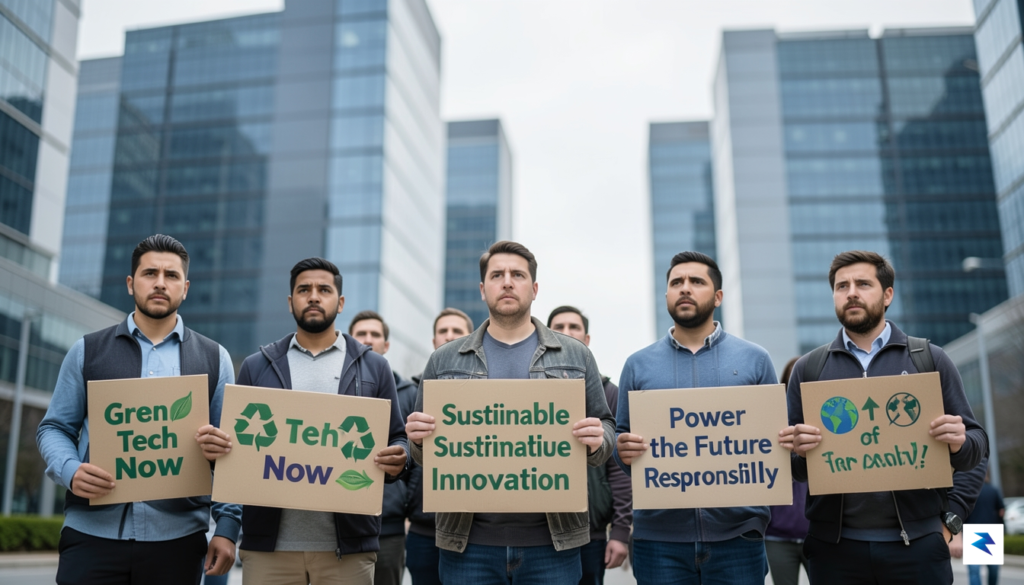
A recent internal investigation at Amazon has brought into sharp focus the escalating tension between corporate communication policies and the growing desire of employees to advocate for causes they believe in. At the heart of this dispute are several Amazon software engineers who reportedly faced probes after publicly voicing concerns regarding the environmental impact of the company’s vast data centers. These employees, driven by a commitment to sustainability and a sense of ethical responsibility, spoke out about issues like water consumption and energy usage, believing these to be matters of significant public interest and environmental concern. Their actions have ignited a critical discussion about the boundaries of free speech within a corporate structure and the moral obligations felt by those working for some of the world’s most influential technology giants.
This situation underscores a deepening rift between the established internal communication guidelines of major tech companies and the evolving landscape of employee activism. For years, tech employees have been increasingly scrutinized for their environmental and social footprints, and this scrutiny often extends to the workforce itself. Workers, particularly in the tech sector, are no longer content to simply perform their job functions; many feel a profound duty to speak out when they perceive their employer’s practices to be at odds with broader societal values or environmental stewardship. Consequently, corporate policies designed to manage public image and protect proprietary information are clashing directly with a workforce that feels increasingly empowered and compelled to engage in public discourse.
The core of this philosophical divide lies in balancing a company’s legitimate need to protect its internal operations and strategic information with an employee’s right to engage in advocacy on issues of public concern. While companies like Amazon have robust policies dictating how employees can speak publicly about the company, often requiring approval for external commentary, the line blurs when employees address global issues such as climate change or resource depletion, even if their employer is a key player. From the employees’ perspective, they are not leaking trade secrets but rather contributing to an important public dialogue about the impact of large-scale infrastructure and technology, a dialogue they believe is crucial for collective societal progress. This creates a significant ethical dilemma, where personal convictions about environmental responsibility clash with the terms of employment.
Indeed, Amazon’s stringent internal policies regarding public-facing comments are increasingly creating friction within the context of current tech labor trends. The modern tech workforce is often characterized by a strong sense of social consciousness and a desire for transparency from their employers. Employees want to see their companies not just succeed financially, but also operate ethically and sustainably. When internal channels for addressing these concerns are perceived as insufficient or when significant issues are not openly acknowledged, some employees feel their only recourse is to speak out externally. This shift represents a fundamental challenge to traditional corporate hierarchies and communication models, signaling that the era of employees as silent cogs in the corporate machine is rapidly drawing to a close, paving the way for a more vocal and values-driven workforce.
The Intersection of Data Center Ethics and Workplace Culture

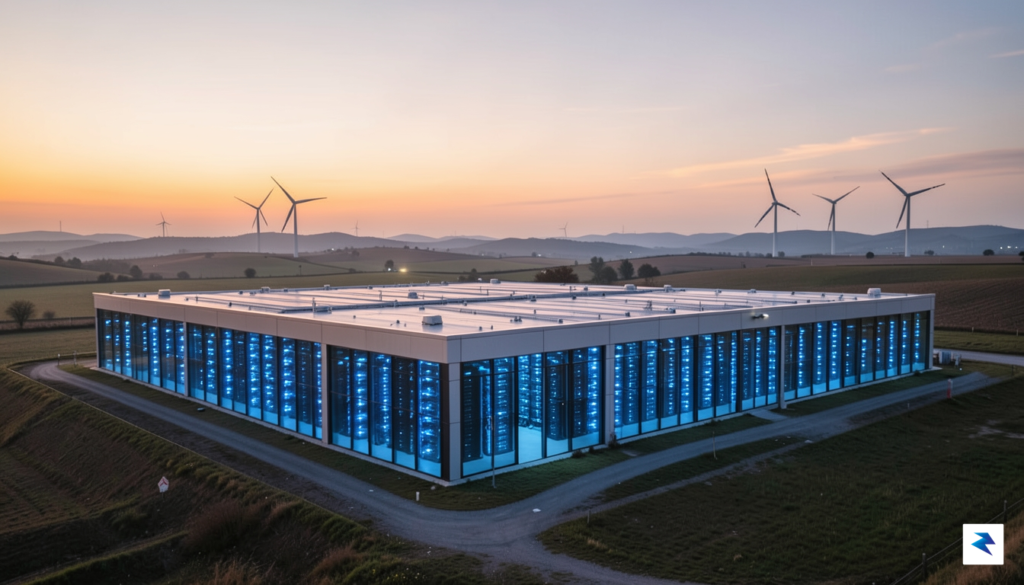
For the engineers and data specialists at the heart of this controversy, the decision to speak out was not born of professional spite, but rather a profound sense of cognitive dissonance. While Amazon frequently touts ambitious sustainability goals and carbon-neutral commitments in its public-facing marketing, these employees witnessed a starkly different reality on the ground. They observed that the massive expansion of the company’s data center infrastructure—the literal backbone of the modern internet—often bypassed the rigorous environmental standards the firm claims to uphold. By choosing to voice their dissent, these workers sought to bridge the gap between high-level corporate rhetoric and the tangible, energy-intensive environmental footprint left by thousands of servers running around the clock.
The core of their critique rests on two primary pillars: the staggering energy consumption required to cool and power these facilities and the resulting impact on local communities. Data centers are far from the “silent” infrastructure they appear to be; they are power-hungry behemoths that can strain local electrical grids and monopolize water resources in drought-prone regions. These employees argued that a truly sustainable company cannot simply offset its emissions through distant investments while simultaneously constructing infrastructure that localizes environmental degradation. For them, speaking out was an attempt to practice a form of “corporate conscience,” holding their employer accountable to the very standards that attract conscientious talent to the tech sector in the first place.
True professional integrity often requires the courage to challenge the status quo when corporate infrastructure projects directly contradict the values an organization claims to champion.
The tension that these employees navigated is a growing phenomenon within the tech industry, where the scale of operations often outpaces the development of ethical oversight. Many engineers feel a personal responsibility for the systems they design, maintain, and expand, leading to a sense of moral distress when those systems are perceived to cause harm. When their internal warnings were met with silence or bureaucratic resistance, the step toward public advocacy became, in their view, a professional necessity. This conflict highlights a deeper challenge: as tech companies become the primary architects of our global infrastructure, the employees building that foundation are increasingly finding themselves forced to choose between job security and their personal ethical compass, ultimately demanding a seat at the table where decisions about sustainability and community impact are actually made.
Understanding Labor Rights and Retaliation Claims

The core of the current dispute involving several Amazon workers hinges on a critical legal and ethical question: when does an employer’s internal investigation cross the line into unlawful retaliation? At its heart, the complaint filed with Seattle’s civil rights office alleges that Amazon’s internal probes are not merely procedural inquiries, but rather a deliberate and illegal tactic designed to silence employees who speak out about the company’s data center practices. This scenario forces a close examination of the intricate legal framework governing workplace speech and the often-contested protections afforded to employees who voice concerns, especially on matters of public interest.
Workplace retaliation, broadly defined, occurs when an employer takes adverse action against an employee for engaging in legally protected activity. Such actions can range from disciplinary measures, demotion, or termination to more subtle forms of harassment or undue scrutiny, like prolonged internal investigations. In the tech industry, where innovation and public image are paramount, employees often possess unique insights into corporate operations, making their speech potentially impactful. The legal standards for proving retaliation typically require demonstrating that the employee engaged in protected activity, the employer took adverse action, and there was a causal connection between the two.
Distinguishing Protected Speech from Policy Violations
A central tenet of U.S. labor law, particularly under the National Labor Relations Act (NLRA), is the protection of “protected concerted activity.” This legal concept safeguards the rights of employees, even in non-union workplaces, to discuss their wages, hours, and working conditions with fellow employees or third parties. When employees raise concerns about the environmental impact of data centers, for instance, they might argue that these issues directly affect their working conditions or are matters of public concern that fall under a broader interpretation of protected activity. However, employers often counter by citing non-disclosure agreements (NDAs) or company communication policies, arguing that employees have breached contractual obligations or internal rules, rather than engaged in protected speech.
The tension arises precisely in this grey area: does an employee’s public statement about company practices constitute a legitimate exercise of free speech and a protected concerted activity, or does it represent a violation of corporate policy? The engineers involved in the Amazon case specifically contend that their statements were made in good faith and pertained to significant public interest issues, therefore meriting legal protection. They argue that Amazon’s subsequent investigations are not legitimate attempts to address policy violations, but rather punitive measures intended to intimidate and suppress future dissent, thus chilling the exercise of fundamental labor rights.
Beyond direct working conditions, the legal landscape becomes even more complex when employees speak out on broader societal issues related to their employer’s business, such as environmental sustainability or ethical AI development. While some jurisdictions and specific laws offer whistleblower protections, the general scope of protection for employees speaking on matters of public interest—which may not directly pertain to their own employment terms but rather the company’s broader impact—can be ambiguous. This situation often pits corporate control over proprietary information and public messaging against an employee’s right to contribute to public discourse, especially when they possess specialized knowledge.
Ultimately, these legal battles serve as a critical bellwether for the entire tech industry, setting precedents for how major corporations manage employee dissent and public criticism. The outcome will likely influence the balance between corporate power and employee advocacy, especially as tech companies increasingly face scrutiny over their societal and environmental footprints. It will determine the extent to which employees can hold their employers accountable for practices with wider implications without fear of professional retribution, thereby shaping the future of workplace speech and corporate transparency.

The Broader Implications for Big Tech Transparency

As tech giants increasingly integrate themselves into the bedrock of global infrastructure—from powering municipal grids to managing sensitive cloud-based government data—the traditional corporate approach to internal dissent is facing a profound reckoning. The situation involving Amazon workers serves as a critical bellwether for a shifting corporate landscape where the demand for transparency is no longer confined to external regulators or shareholders. Instead, a new vanguard of tech employees is asserting that they, as the architects and maintainers of these massive systems, possess a fundamental right to weigh in on the ethical trajectory of their employers. This is not merely an isolated labor dispute; it is a manifestation of a broader movement seeking to redefine the social contract between hyper-scale technology corporations and the workforce that sustains them.

The long-term impact on Big Tech corporate governance is likely to be seismic. Historically, these organizations have operated under a model of centralized, top-down decision-making, often shielding controversial internal practices from public scrutiny under the guise of intellectual property or competitive advantage. However, as employee activism gains momentum, companies are finding it increasingly difficult to silence concerns regarding environmental sustainability, data privacy, and the ethical deployment of artificial intelligence. By organizing and advocating for change, these workers are effectively forcing a transition toward more accountable governance models. As these disputes move through internal investigation processes and potentially into the public eye, they will likely set a significant precedent for how major corporations manage the tension between protecting their brand image and respecting the rights of employees to highlight systemic risks.
The future of corporate culture will be defined not by how companies silence dissent, but by how they integrate internal feedback loops to address the ethical implications of their massive infrastructure footprints.
Looking forward, the success or failure of these “speak-up” initiatives will determine the culture of Silicon Valley for the coming decade. If corporations continue to respond to criticism with investigations and internal pressure, they risk fostering a culture of fear that ultimately stifles innovation and hides critical operational flaws. Conversely, those that embrace a more transparent, collaborative relationship with their staff may find themselves better positioned to navigate the complex regulatory and ethical landscapes of the future. The reality is that the era of the “silent employee” is coming to a close; in its place, we are seeing the rise of a workforce that views its professional contribution as inextricably linked to the ethical stewardship of the platforms they build. Ultimately, the ability for these companies to maintain public trust will depend on whether they view this internal activism as a liability to be contained or as a vital, necessary component of responsible technological development.