
The Evolution of Ethical Aquaculture
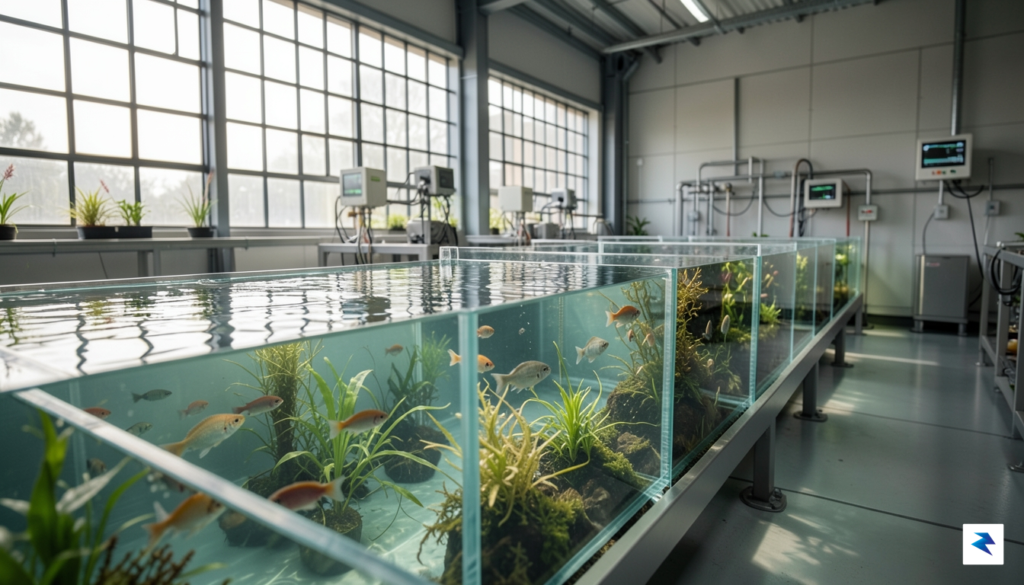
For decades, the global seafood industry has operated under a singular, relentless mandate: maximize yield while streamlining the logistics of harvest. In this industrial pursuit, the welfare of the fish themselves remained a peripheral concern, often relegated to the background of a supply chain obsessed with speed and volume. Fish were treated as commodities—units of protein to be moved from water to market with little regard for the physiological experience of the animal. This historical indifference was rooted in a widespread, scientific misconception that fish were incapable of experiencing pain or stress in a way comparable to land-based livestock. As a result, the standard practices of commercial aquaculture and wild capture often involved prolonged periods of asphyxiation or harsh handling, methods that were accepted as necessary trade-offs for feeding a growing global population.
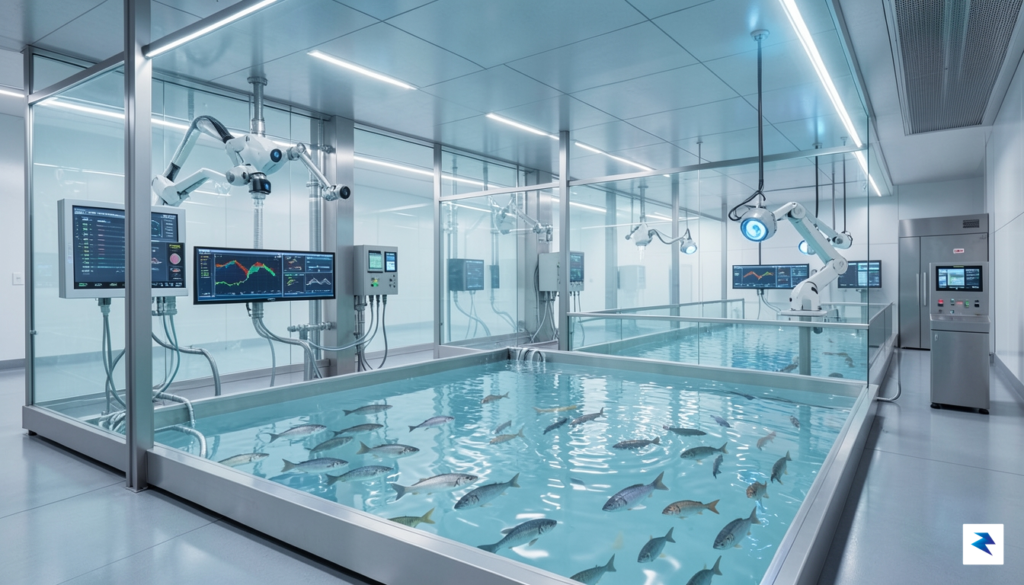
However, a profound transformation is currently underway as scientific understanding of aquatic sentience evolves and consumer consciousness reaches a tipping point. Modern research has increasingly illuminated the complex nervous systems of fish, confirming that they are indeed sentient beings capable of suffering. Consequently, the “stress-free” movement has transitioned from the fringe concerns of animal welfare activists to a significant market driver. Today’s consumers are more informed and ethically discerning than ever before, frequently demanding transparency regarding the entire lifecycle of the food on their plates. They are no longer content with “wild-caught” labels that ignore the morality of the harvest; instead, they are seeking brands that prioritize the humane treatment of marine life as a hallmark of quality and sustainability.
The ethical treatment of seafood is no longer just a moral imperative; it is becoming a critical benchmark for long-term industry viability and brand integrity.
This shift has created a unique dilemma for producers: how to maintain the scalability required to meet global demand while adhering to these rigorous ethical standards. Historically, manual handling was the only way to process fish, which was not only labor-intensive but frequently resulted in high levels of cortisol—the stress hormone—which negatively impacts the quality and shelf-life of the final product. Fortunately, the emergence of sophisticated automation is finally bridging the gap between scale and ethics. By integrating robotics and precision technology, producers can now ensure that fish are handled with minimal intervention and dispatched through instantaneous, humane methods. This technological evolution proves that ethical treatment is not an obstacle to efficiency, but rather a catalyst for a more refined and high-quality seafood economy.
The Mechanics Behind Poseidon Technology

At the heart of Shinkei’s innovation lies the Poseidon robot, a machine that represents a fundamental shift in how we handle aquatic harvests. Rather than relying on the haphazard and often stressful methods of traditional industrial fishing—which frequently leave fish to expire slowly on decks—Poseidon utilizes high-precision robotics to perform a modernized, automated version of ike-jime. This ancient Japanese technique involves an immediate, nerve-severing strike that causes instant brain death, preventing the fish from struggling or experiencing distress. By digitizing this process, Shinkei ensures that every single fish, regardless of the size of the catch, receives the exact same standard of care, effectively removing the margin of human error that has plagued the industry for decades.
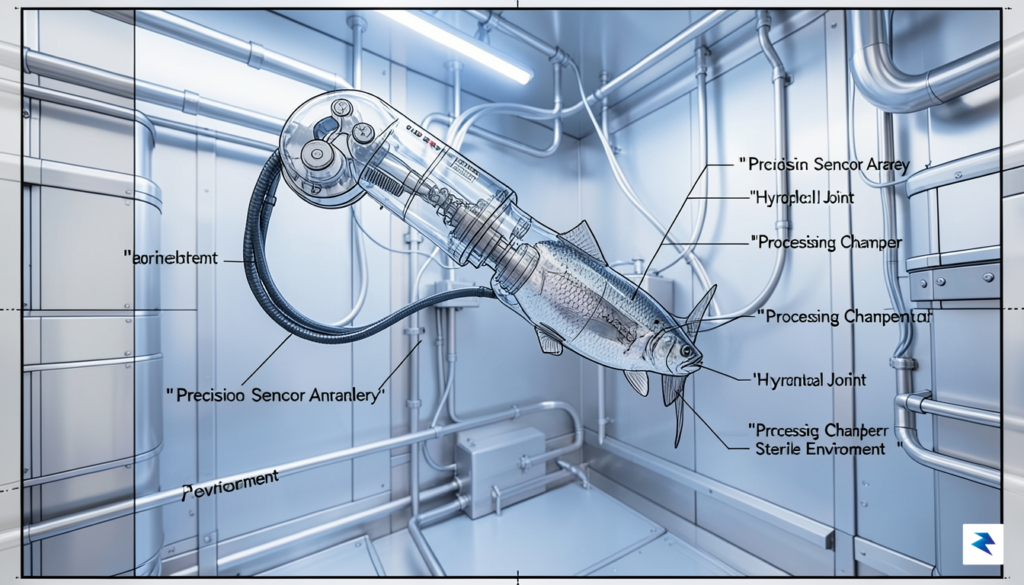
The engineering brilliance of the system begins with an array of advanced sensors that perform a real-time assessment of each fish as it enters the processing bay. These sensors detect the precise dimensions and anatomical orientation of the animal, allowing the robot’s actuators to adjust their path with sub-millimeter accuracy. This is not a “one-size-fits-all” production line; instead, the Poseidon system treats each fish as a unique data point, calculating the optimal strike trajectory in milliseconds. Because the process is fully automated, the fish is spared the chaotic environment of a busy deck, keeping it in a calm state until the very moment of transition.
The quality of the final fillet is directly linked to the biological state of the fish at the moment of harvest. By eliminating struggle, we eliminate the chemical degradation of the flesh.
This technical precision serves a vital biological purpose: the minimization of cortisol and lactic acid buildup. When a fish is stressed, its body undergoes a chemical cascade that floods its muscle tissues with hormones; this not only lowers the overall quality of the meat but also accelerates the rate at which it spoils. By utilizing the Poseidon robot to initiate a rapid, painless end, Shinkei keeps the fish’s physiological markers near baseline levels. The result is a product that maintains a superior texture, color, and flavor profile compared to conventionally processed seafood. By aligning humane treatment with high-end culinary standards, Shinkei has successfully turned ethical processing into a competitive advantage that appeals to both conscious consumers and high-end distributors who demand the absolute best in consistency and quality.
Why Founders Fund is Betting on Seafood Robotics

When an institutional heavyweight like Founders Fund directs capital toward seafood robotics, it serves as a definitive signal that the investment community is moving beyond the hype cycle of synthetic meat and toward the hard engineering required to fix our broken food supply chains. Unlike the early wave of alternative protein startups—which often prioritized lab-grown substitutes or plant-based mimicry—this shift focuses on optimizing the actual harvesting process of real protein. The logic here is centered on radical automation: by deploying sophisticated robotics, firms can eliminate the systemic inefficiencies of manual labor, reduce the massive overhead associated with maritime hazards, and implement standardized, automated harvesting protocols that were previously impossible at scale.
The business thesis relies on a simple, high-stakes realization: the global demand for premium, high-quality fish is rising, yet the traditional methods of procurement are increasingly plagued by supply chain volatility and ethical scrutiny. Founders Fund is betting that the path to market dominance in the seafood industry lies in technological superiority, not just branding. By replacing inconsistent manual processes with precision robotics, companies can achieve a level of operational consistency that traditional fisheries simply cannot replicate. This is not merely about increasing output; it is about guaranteeing a product that meets the stringent quality benchmarks of modern consumers who are increasingly sensitive to both the origin and the condition of their food.
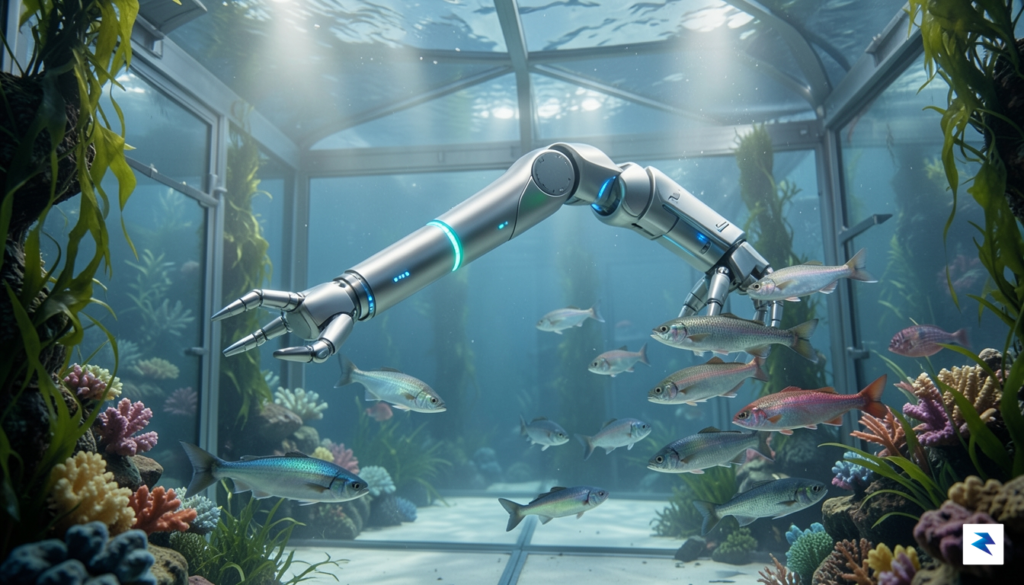
The competitive advantage of humane robotics lies in the intersection of operational efficiency and market-driven ethics; when automation ensures a cleaner, more humane product, it shifts from a moral choice to a premium market necessity.
Crucially, the focus on “humanely killed” seafood represents a savvy long-term competitive advantage that transcends simple corporate social responsibility. From the perspective of institutional investors, the “humane” label acts as a powerful hedge against future regulatory changes and shifting consumer demographics. As governments tighten standards around animal welfare and environmental impact, companies that have already integrated humane, tech-driven practices into their core infrastructure will face significantly lower transition costs than their competitors. By prioritizing humane automation, Founders Fund is essentially betting on a future where the most ethically produced fish is also the most profitable, effectively turning moral compliance into a formidable barrier to entry for legacy players still relying on outdated and inhumane methods.
Ultimately, this investment reflects a broader skepticism toward the viability of lab-grown proteins in the near term and a pivot toward “real” food systems that have been re-engineered for the twenty-first century. By leveraging robotics to solve the labor-intensive, often brutal realities of commercial fishing, these ventures aim to capture the premium segment of the market—customers willing to pay for transparency, quality, and a clear conscience. For Founders Fund, the goal is to capture the infrastructure layer of the protein industry, ensuring that as global standards evolve, their portfolio companies remain the standard-bearers for how the world sources its seafood.
The Intersection of Quality, Sustainability, and Welfare
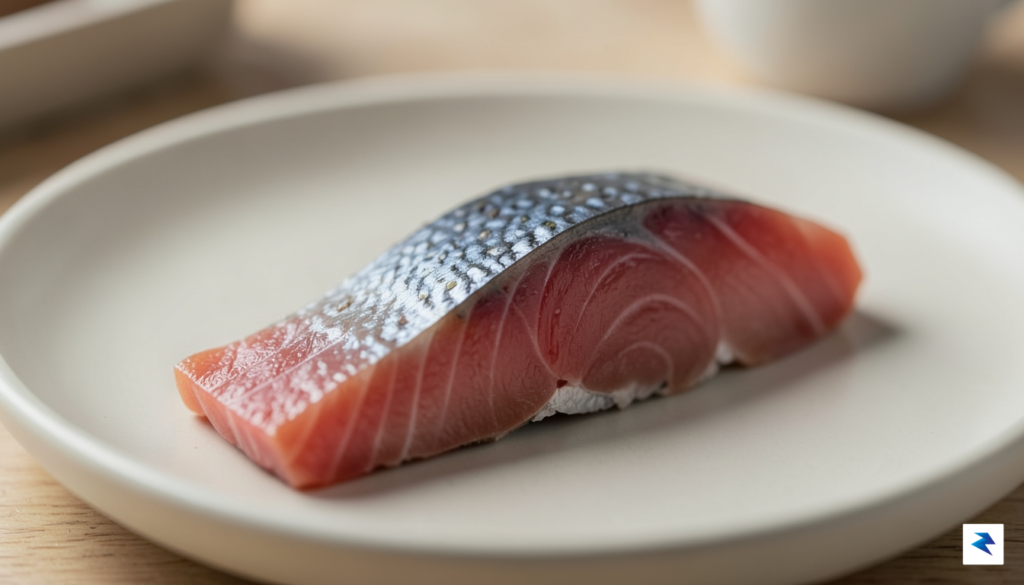
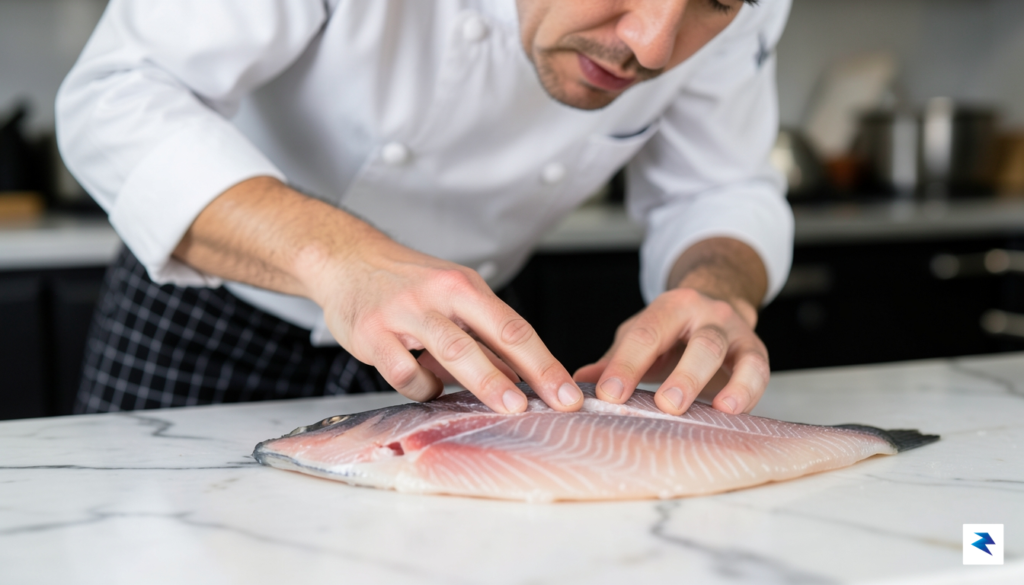
The most compelling argument for the modernization of fish processing lies not merely in the ethics of the harvest, but in the undeniable elevation of the culinary experience. Traditional methods of industrial fishing often subject marine life to prolonged periods of stress, a biological reality that triggers a cascade of biochemical reactions within the animal. When a fish experiences significant distress, its metabolism shifts into overdrive, rapidly depleting its glycogen stores and causing a surge in lactic acid. This process, often referred to as “struggle-induced degradation,” physically compromises the muscle tissue, leading to a softer texture, accelerated spoilage, and a muted flavor profile that fails to meet the standards of top-tier gastronomy.
By integrating automated, humane harvesting technologies like those championed by Shinkei, the industry is effectively eliminating the physiological trauma that traditionally plagues the supply chain. When a fish is dispatched instantaneously and stress-free, the muscle tissue remains in a pristine state, preserving the delicate proteins and natural fats that define high-quality seafood. For the end consumer and the discerning chef, this translates to a firm, clean, and vibrant product that retains its structural integrity far longer than traditionally harvested alternatives. Consequently, the humane approach acts as a quality assurance mechanism, ensuring that the seafood arriving on the plate is as fresh as the moment it was caught.
“Quality is not an accident; it is the result of intelligent processing that respects the biological integrity of the catch from the water to the plate.”
Beyond the immediate sensory benefits, this shift in methodology has profound implications for the sustainability of the global food system. A major contributor to seafood waste is the shortened shelf life caused by the rapid chemical breakdown of stressed muscle tissue. By mitigating this degradation at the source, producers can significantly extend the viability of their inventory, allowing for a more efficient distribution network that reduces the necessity for rapid, carbon-heavy transport. This creates a virtuous cycle where higher welfare standards directly correlate to reduced waste, proving that ecological responsibility and premium culinary outcomes are not competing interests, but rather two sides of the same coin.
Furthermore, this elevation of the baseline product allows high-end culinary markets to justify premium price points based on verifiable quality. When a restaurant can guarantee a superior dining experience—characterized by unparalleled texture and flavor—the consumer is willing to pay a premium that supports the underlying technological investment. By aligning the interests of the animal, the chef, and the planet, this technological leap is not just a trend, but a fundamental restructuring of how we value the resources we harvest from the sea.
Market Implications for the Future of Protein


The integration of automated, humane processing technology represents a fundamental pivot in how the global seafood supply chain operates. As systems like those backed by Founders Fund move from experimental pilots to industry standards, the traditional, labor-intensive model of fish processing faces an inevitable obsolescence. Scalability is the next frontier; as these robotic units become more compact and energy-efficient, they will likely be retrofitted onto larger commercial fishing fleets. This transition effectively decouples processing speed from human physical endurance, allowing for immediate, onboard stunning and cleaning that maintains peak freshness while drastically reducing the environmental footprint of waste management at sea.
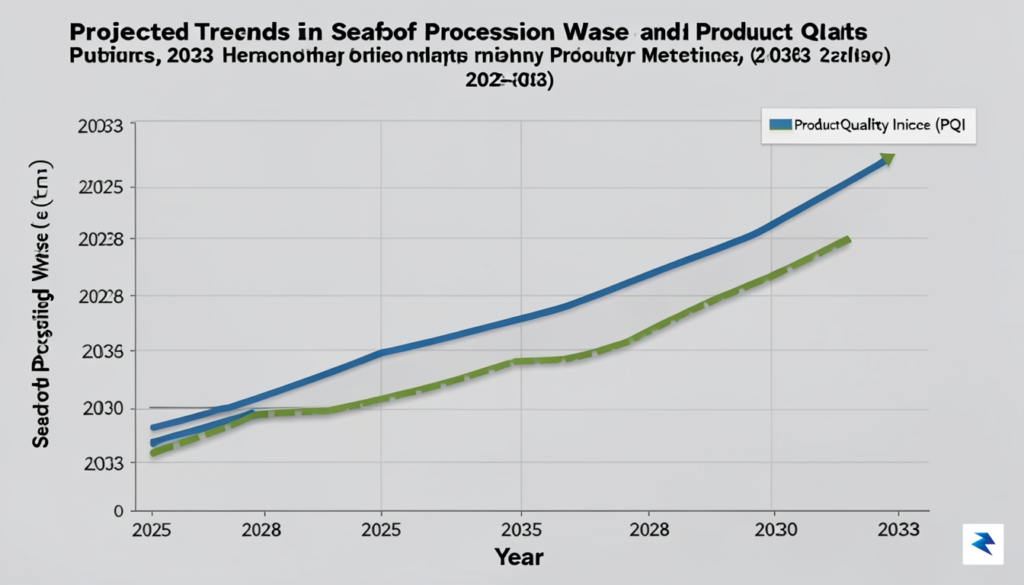
This technological shift will almost certainly invite a new wave of regulatory scrutiny and reform. Once humane processing becomes a technical capability rather than a theoretical ideal, global bodies will find it increasingly difficult to defend the status quo of outdated, mass-slaughter methods. We can anticipate the emergence of “humane-certified” supply chain mandates, where major retailers and global distributors prioritize processors that employ mechanical precision over traditional methods. As these standards solidify, they will act as a barrier to entry, pushing smaller, inefficient operations to modernize or risk being marginalized from the premium market.
The future of seafood will not be defined solely by the volume of the catch, but by the precision and ethics of the processing cycle.
In the long term, this modernization is poised to reshape the economics of global protein. While the initial capital expenditure for such high-tech infrastructure is significant, the gains in yield, shelf-life, and supply chain transparency will likely offset those costs for large-scale operators. By minimizing spoilage and maximizing the value of every fish harvested, the industry can stabilize protein pricing even in the face of rising environmental volatility. Ultimately, we are moving toward a fully tech-enabled seafood industry where the ocean’s health and the consumer’s demand for quality finally align through the lens of automation. This evolution ensures that the seafood of tomorrow is not only more ethical but also a more reliable component of the global food security architecture.