Introduction: The Evolution of the Smart Home

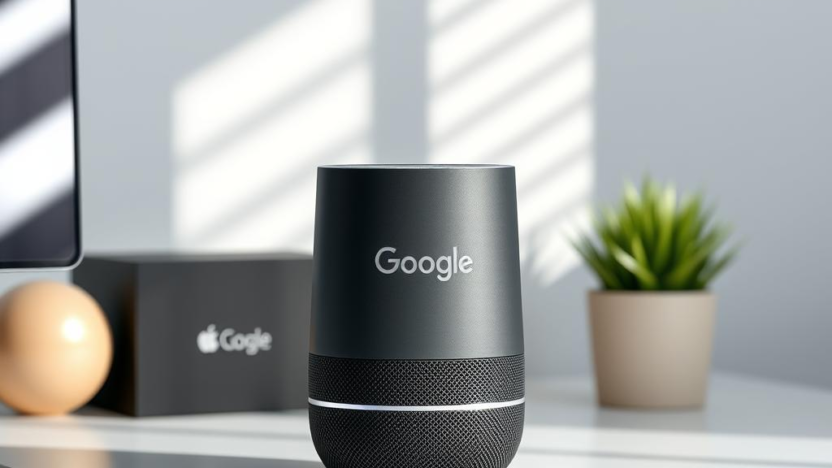
For nearly a decade, our relationship with smart home technology has been defined by a series of rigid, transactional commands. We learned to speak in a specific syntax, asking our devices to “turn on the living room lights” or “set a timer for ten minutes,” always hoping the software wouldn’t misinterpret our phrasing. However, Google is fundamentally rewriting this playbook by phasing out the legacy Google Assistant in favor of its flagship Gemini AI. This transition marks a monumental shift from reactive voice recognition to proactive, conversational intelligence. Instead of merely parsing keywords, this new generation of hardware is engineered to understand nuance, recall context, and engage in fluid, multi-turn dialogues that feel genuinely human.
“The shift from Google Assistant to Gemini represents an evolution from a simple voice-activated remote control to a truly cognitive household companion.”
Historically, cutting-edge artificial intelligence has been gated behind premium price tags, restricted to high-end smartphones, or locked behind monthly subscription tiers. By introducing this new Gemini-powered speaker at a highly disruptive $99 price point, Google is democratizing advanced AI and aggressively positioning itself in an already saturated smart home market. This strategic pricing directly challenges competitors who still rely on older, more rigid voice assistants, significantly lowering the barrier to entry for households eager to upgrade their smart infrastructure. It signals that ambient intelligence is no longer a luxury feature, but an accessible utility designed to be seamlessly integrated into any room.
Ultimately, this hardware release is about more than just playing music or checking the weather; it represents a fundamental re-imagining of daily home management. Because Gemini can process complex, contextual requests, it transforms the smart speaker from a simple utility into an active, intelligent household coordinator. Families can now interact with their environment using natural language, asking the device to coordinate schedules, manage complex smart home routines, or interpret vague requests that would have baffled older systems. By bridging the gap between raw technological capability and intuitive human behavior, this affordable device is poised to redefine how we interact with our living spaces on a daily basis.
Under the Hood: Gemini AI Meets Audio Hardware
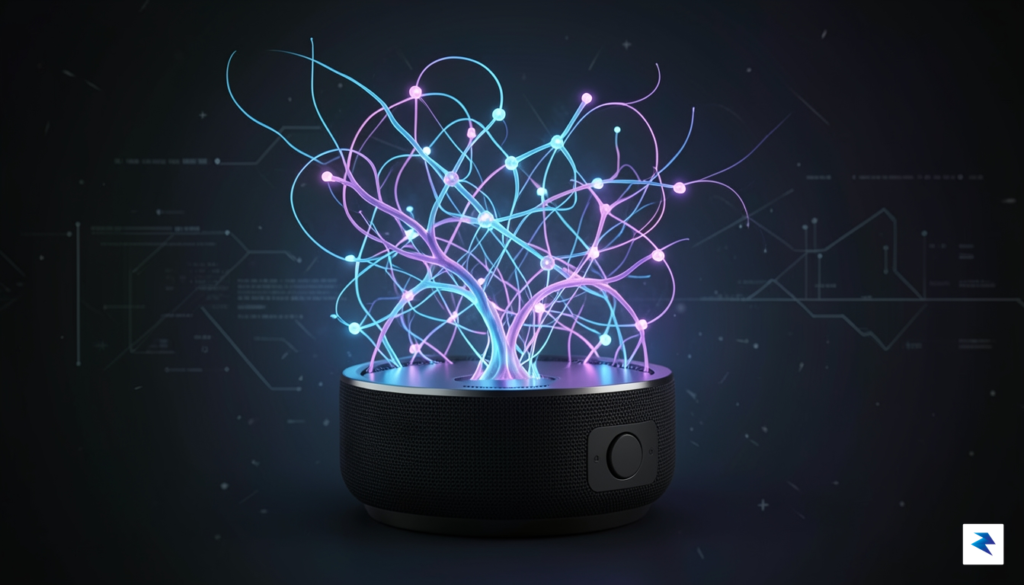
Beyond its sleek, minimalist exterior, the new $99 smart speaker is engineered as a sophisticated vessel for Google’s most advanced large language model, Gemini. While traditional smart speakers often struggle with rigid, command-based interactions, this device utilizes Gemini’s neural architecture to facilitate fluid, multi-turn conversations that feel strikingly human. The hardware is built around a custom-tuned 360-degree acoustic array, ensuring that as the AI processes complex requests, the resulting audio output is crisp, immersive, and distributed evenly throughout the room. By combining high-fidelity sound reproduction with an AI brain that understands context, nuance, and intent, Google has moved the smart speaker from a simple task-performer to a genuine conversational partner.

The transition from the legacy Google Assistant to Gemini represents a massive leap in natural language processing (NLP) capabilities. Previous iterations were often hampered by linear processing, where the device had to wait for a full sentence to finish before attempting to parse a command. In contrast, Gemini’s integration allows for “streaming” intelligence, where the system begins analyzing the semantic structure of your request in real-time. This means the speaker can handle layered queries—such as asking for a recipe and then requesting a substitution while adjusting a timer simultaneously—without losing the thread of the conversation. The result is a device that no longer requires you to memorize specific trigger phrases, but instead adapts to your natural speaking patterns.
The integration of Gemini marks a departure from static command-response models, moving toward a dynamic, context-aware interface that learns from the flow of human dialogue.
Efficiency is further bolstered by a strategic shift toward localized processing. By offloading a significant portion of the speech-to-text and intent-recognition tasks to an onboard neural processing unit, the speaker drastically reduces the latency previously associated with cloud-dependent smart home hubs. This localized approach not only ensures that your requests are handled with near-instantaneous speed, but it also enhances privacy by keeping sensitive voice data processing closer to the source. When combined with the high-excursion woofer and tweeter configuration, the device maintains a consistent audio profile that balances deep, resonant bass with clear, articulate vocal tones. This synergy between localized AI processing and superior hardware design creates a seamless experience, proving that a device doesn’t need to be expensive to offer a premium, high-tech interface for the modern home.
Seamless Smart Home Integration and Automation

The true power of this new $99 device lies in its role as the central nervous system of your living space, moving far beyond the primitive voice commands that defined the previous generation of smart speakers. By harnessing Gemini’s advanced reasoning capabilities, the speaker can interpret nuanced requests and manage complex, multi-device ecosystem interactions that were once impossible to automate without tedious manual programming. Rather than simply flipping a single switch, the device acts as a sophisticated conductor, orchestrating a symphony of connected hardware to align with your specific intentions and daily rhythms.

Consider, for instance, a comprehensive “prepare for guests” routine. With a single, natural-language prompt, the speaker can simultaneously adjust your smart thermostat to a comfortable temperature, dim the living room lights to a welcoming hue, activate a curated playlist on your surround sound system, and even check your smart doorbell to alert you when someone arrives. Because Gemini understands context, it doesn’t just execute a list of instructions; it analyzes the current state of your home, ensuring that the devices work in harmony rather than conflicting with one another. This transition from binary “on/off” automation to context-aware environments represents a significant leap forward in home utility.
The integration of Gemini transforms the smart home from a collection of isolated gadgets into a cohesive, intelligent environment that anticipates user needs rather than just reacting to them.
Furthermore, this speaker is built with deep compatibility at its core, seamlessly bridging the gap between your existing Google Home infrastructure and the latest Matter-enabled devices. Whether you are using specialized smart plugs, advanced security cameras, or automated window treatments, the speaker serves as a universal translator that brings disparate protocols into one streamlined interface. By supporting the Matter standard, Google ensures that you are not locked into a single brand ecosystem, allowing you to mix and match the best hardware available on the market today. This open-ended approach, combined with Gemini’s ability to troubleshoot and optimize device performance in real-time, makes it an indispensable tool for anyone looking to cultivate a truly responsive and efficient household.
Comparing Value: The $99 Price Point Strategy
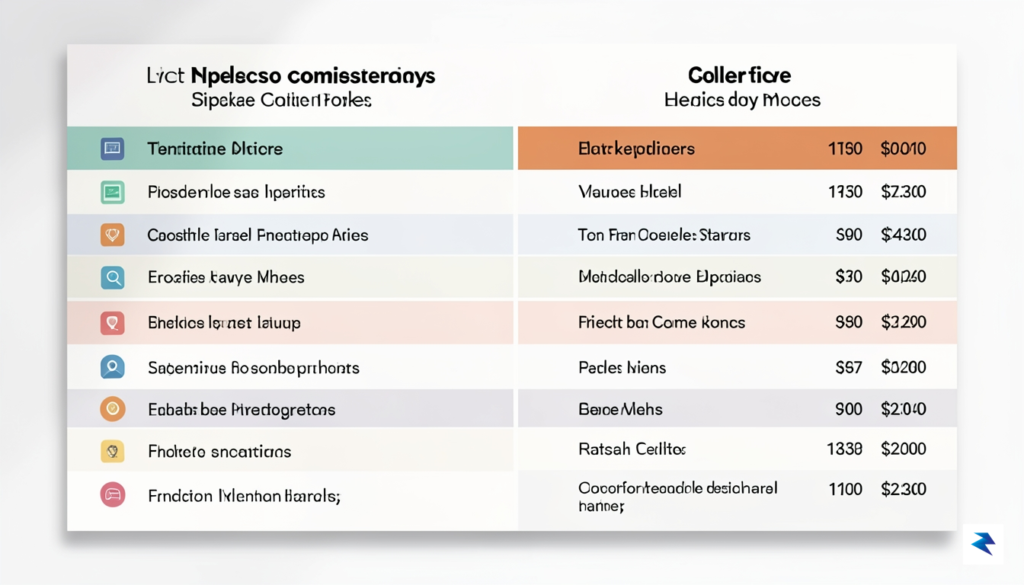
Google’s decision to launch a Gemini-powered smart speaker at the aggressive $99 price point represents a significant pivot in the competitive landscape of home automation. For years, the market has been bifurcated: users could either opt for entry-level, budget-friendly smart displays and basic speakers that lacked sophisticated intelligence, or they could invest in high-end, premium audio hardware like the Apple HomePod that carried a hefty price tag. By hitting the sub-$100 mark, Google is effectively bridging this gap, democratizing access to high-level generative AI that was previously sequestered behind more expensive hardware or subscription services. This strategy forces competitors, particularly Amazon with its Echo lineup and Apple with its HomePod mini, to reconsider the value proposition of their own entry-to-mid-tier devices.
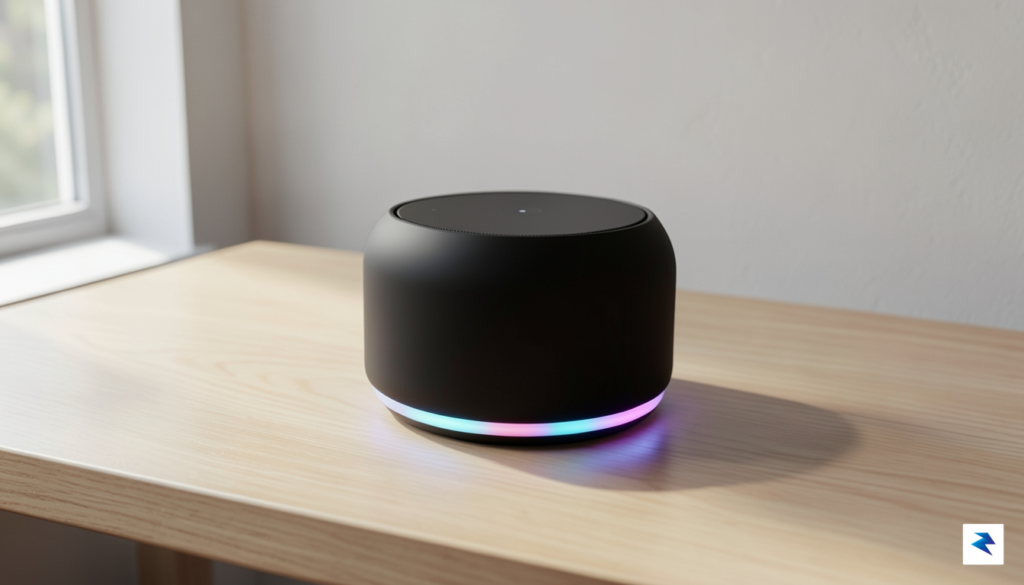
When analyzing the cost-to-feature ratio, the $99 price tag offers a compelling argument for both casual users and smart home enthusiasts. While a traditional smart speaker might excel at playing music or setting timers, this Gemini-integrated device promises a more conversational, context-aware experience that feels significantly more “human” than its predecessors. For the average consumer, this means the device isn’t just a conduit for voice commands, but an actual assistant capable of summarizing complex schedules, drafting emails, or troubleshooting home technical issues. This jump in functionality at a mid-tier price point makes it an incredibly attractive upgrade for those who feel that current voice assistants have stagnated or hit a wall in terms of utility.
The true value of this device isn’t found in its speaker drivers alone, but in the latent potential of the Gemini model to turn a passive piece of hardware into a proactive household partner.
For power users who maintain robust smart home ecosystems, the value proposition is equally strong. Integrating advanced LLM capabilities into a $99 unit allows users to deploy multiple nodes throughout their home without facing the diminishing returns of purchasing expensive flagship devices for every room. This ubiquity is essential for a seamless AI experience, ensuring that whether you are in the kitchen or the bedroom, the assistant remains consistent in its reasoning and capabilities. By undercutting the premium market while simultaneously outperforming the budget market in intelligence, Google is clearly betting that the sheer volume of users will outweigh the margins on individual hardware sales. Ultimately, this move shifts the focus of the smart home industry away from raw audio fidelity and toward raw cognitive capability, setting a new benchmark for what consumers should expect for their money.
Privacy and Future-Proofing Your Home Ecosystem

Integrating an AI-powered assistant into your living space is a significant decision that necessitates a clear understanding of how your private data is managed. With the introduction of this new Gemini-powered speaker, Google has implemented robust security layers designed to ensure that your interactions remain as confidential as possible. Central to this approach is the concept of local processing for routine commands, which minimizes the need to transmit sensitive audio data to the cloud. When more complex requests are made, Google employs advanced encryption protocols to protect your information, ensuring that your personal habits and voice data are not being harvested for intrusive advertising profiles without your explicit consent.
Transparency regarding how your requests are handled is a fundamental pillar of this new ecosystem. Users are provided with granular controls within the Google Home app, allowing for the easy deletion of voice history and the management of activity settings. Google has emphasized that Gemini’s learning process is designed to be user-centric, meaning you can opt out of having your anonymized interactions used to refine the model’s capabilities. By providing these transparent oversight tools, the company aims to foster trust, ensuring that you remain the primary gatekeeper of your own domestic environment.
The core of a secure smart home lies in the balance between powerful machine learning and the user’s ability to maintain absolute sovereignty over their personal data stream.
Beyond immediate privacy concerns, the device is built with a long-term strategy for technological relevance. Because Gemini operates through cloud-based updates, your $99 speaker is designed to evolve alongside the rapid advancements in generative AI. Rather than becoming obsolete as software standards shift, the hardware benefits from continuous performance improvements and feature rollouts sent directly from Google’s servers. This future-proofing approach ensures that your initial investment is protected, as the speaker will gain the ability to handle more complex context and nuanced queries as the model matures over the coming years.
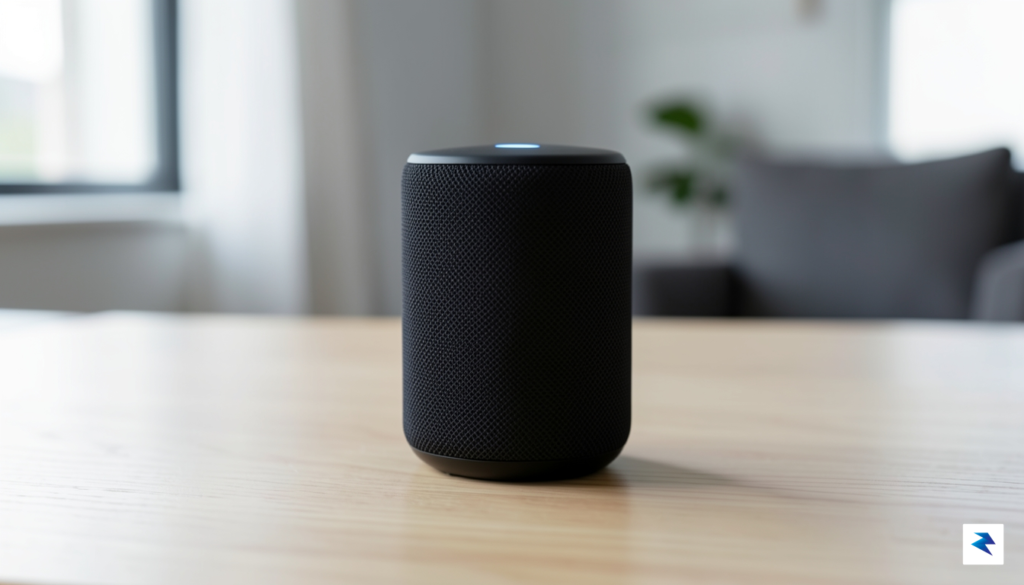
Ultimately, this device represents a shift toward a more intelligent and adaptable smart home, provided that the user stays informed about their digital footprint. By combining rigorous on-device security measures with a cloud-based update architecture, Google is attempting to create a sustainable ecosystem that balances convenience with safety. As you invite this technology into your most personal spaces, it is essential to periodically review your privacy settings and stay updated on the latest security patches provided by the manufacturer to ensure your home remains both cutting-edge and secure.