
Top 5 Prompt Engineering Certifications Worth Your Time in 2026
The Evolution of Prompt Engineering in 2026 In the early days of generative AI, interacting with large language models often felt like…
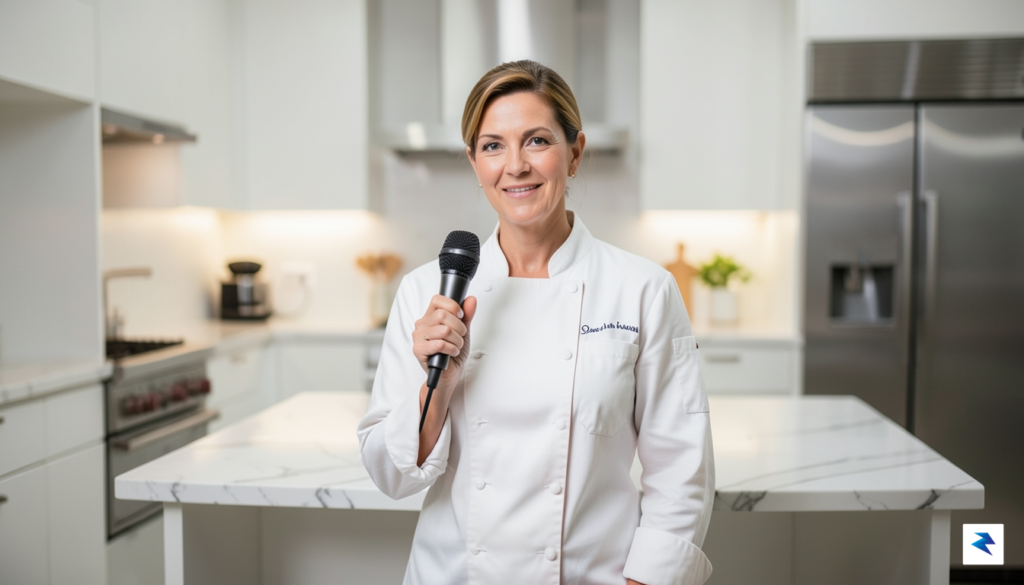
For over two decades, Ina Garten has reigned as the undisputed queen of comforting culinary elegance, transforming the way millions of home cooks approach entertaining. Through her iconic Food Network series, Barefoot Contessa, she did far more than just share foolproof recipes for perfect roast chicken or effortless French apple tarts; she invited viewers into her idyllic East Hampton home, establishing a lifestyle brand built on warmth, quality, and the comforting reassurance that “store-bought is fine.” Garten’s television presence was defined by its soothing, aspirational, yet remarkably attainable visual storytelling, making her a beloved fixture of American food culture. Now, as she embarks on a groundbreaking partnership with Vox Media, the culinary icon is stepping away from the glossy television kitchen to embrace a medium that prioritizes voice over visuals. This transition represents a significant evolution for Garten, proving that her enduring appeal lies not just in the aesthetic of her Hamptons garden, but in the comforting authority of her perspective.
Transitioning from a highly visual medium like television—where the sizzle of a pan and the vibrant colors of fresh produce do much of the heavy lifting—to the purely auditory landscape of podcasting is a bold leap for any culinary figure. However, Garten’s signature persona is uniquely suited for this intimate format. Her television success was always anchored by her conversational charm, her ability to make the viewer feel like a close friend sitting at her kitchen counter, and her rich, narrative-driven approach to hospitality. In an audio-only space, this capacity for deep, unhurried connection will likely flourish, allowing her to trade quick cooking demonstrations for expansive, long-form conversations. Listeners can expect the same soothing cadence and gentle wisdom that defined her television tenure, now channeled into exploring the intersection of food, culture, and life’s simple pleasures with a diverse array of guests.
“At its core, Ina Garten’s appeal has never actually been about the food itself, but about the feeling of safety, warmth, and connection she fosters—a quality that translates seamlessly from a television screen to a pair of headphones.”
The industry’s reaction to Garten’s audio debut underscores the immense cultural capital she still commands. The deal with Vox Media was reportedly the result of a highly competitive bidding war among major media networks, all eager to secure the audio rights to one of the lifestyle world’s most trusted voices. This intense industry interest highlights a broader trend in media: the immense value of established, cross-generational icons who can bring loyal, highly engaged audiences into the digital audio space. By choosing Vox Media—a network celebrated for its thoughtful, high-production journalism and storytelling—Garten is signaling that her podcast will be more than just a casual chat show. It is positioned to be a premium cultural touchstone, cementing her legacy as a versatile modern broadcaster who continues to redefine how we consume lifestyle content in the digital age.
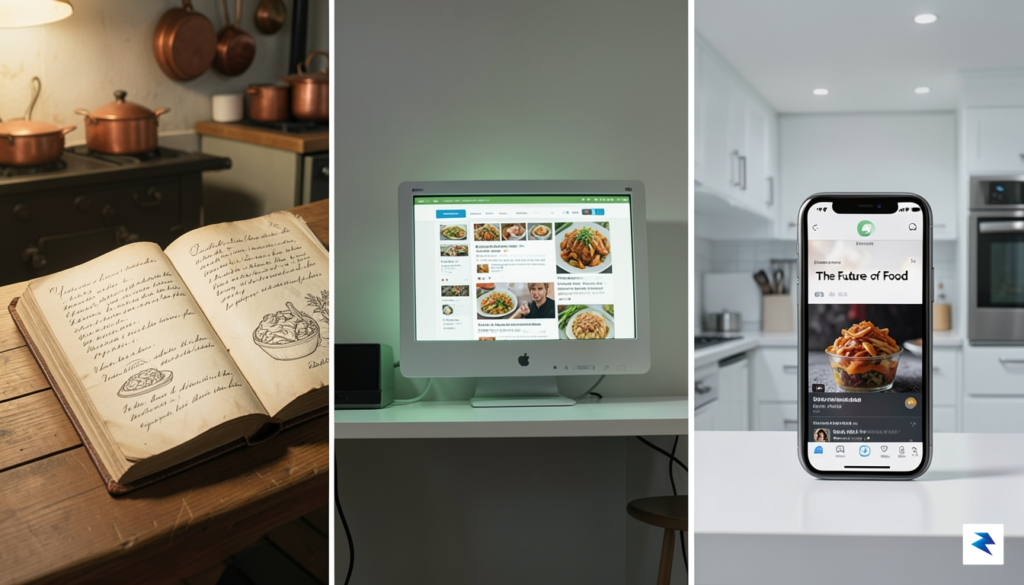
For decades, the culinary world was defined by the glossy, high-production standards of television. From the pristine, herb-filled kitchens of daytime talk shows to the high-stakes drama of reality cooking competitions, food media has historically been a visual medium where the camera dictated the pace. However, the rise of podcasting is fundamentally shifting this dynamic, offering an auditory landscape where the focus moves from the aesthetics of a plated dish to the substance of a conversation. By stripping away the need for choreographed sets and perfectly lit food styling, culinary icons are discovering that the microphone offers a level of intimacy that a television screen simply cannot replicate.
This transition represents a broader shift in how audiences consume personality-driven content. While television demands a performative version of a chef—often restricted by strict time constraints and scripted segments—the podcast format thrives on unfiltered dialogue and deep-dive storytelling. For established figures in the culinary world, this medium provides a rare opportunity to peel back the curtain on their personal philosophies, career trajectories, and the complexities of the industry. Listeners are no longer just looking for a recipe; they are seeking a connection with the person behind the apron, favoring the long-form, conversational rhythm of audio over the fast-paced, instructional nature of traditional cooking segments.
The true power of the modern food podcast lies in its ability to humanize the celebrity chef, transforming them from an untouchable authority figure into a relatable voice in the listener’s ear.
The technical barrier to entry for audio storytelling is significantly lower than that of broadcast television, which allows for a more authentic and spontaneous listener experience. Without the logistical burden of multiple camera crews and complex lighting setups, food personalities can engage in candid discussions that feel more like a private dinner party than a studio production. This shift in the media landscape is driven by a listener base that increasingly values vulnerability and authenticity. As these culinary stars pivot toward audio, they are not merely following a trend; they are reclaiming the narrative of their own careers, proving that the most compelling ingredient in any kitchen story is the human voice itself.

Choosing to align with Vox Media is far more than a simple distribution play; it represents a calculated evolution in how legacy culinary authority bridges the gap into the modern digital audio landscape. By partnering with a media powerhouse known for its rigorous journalistic standards and sophisticated production values, the Barefoot Contessa is effectively elevating the standard for personality-driven food content. This collaboration signifies a major shift in the media ecosystem, where traditional broadcast stars are increasingly seeking out partners who can synthesize the intimacy of long-form conversation with the reach of a global digital network. Vox Media, with its deep bench of audio talent and established infrastructure, offers exactly the kind of strategic backbone required to translate Ina Garten’s iconic, conversational warmth into a format that feels both fresh and fundamentally familiar to her millions of loyal fans.
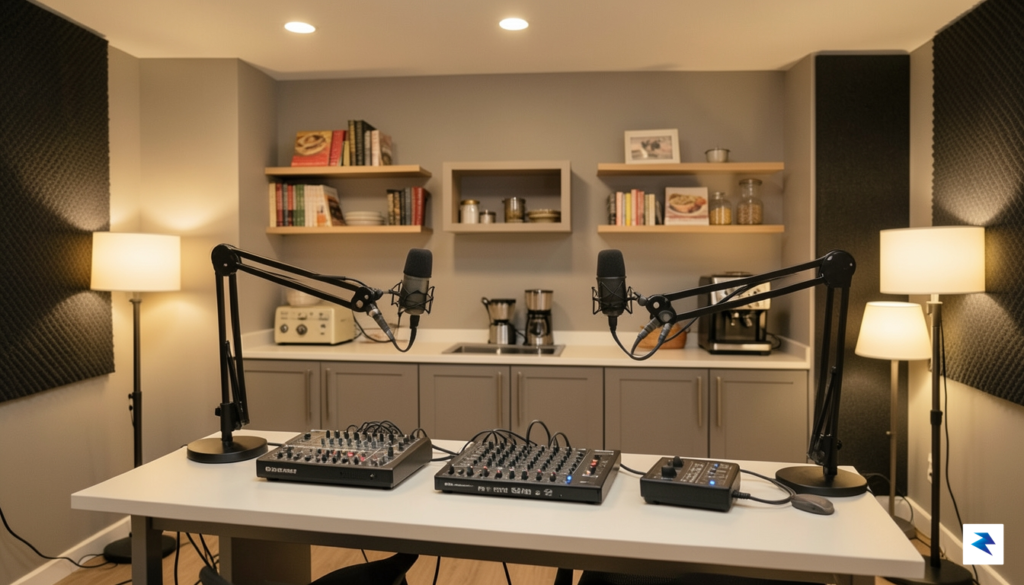
The significance of this partnership also lies in the blurring lines between high-fidelity video podcasts and the classic talk-show format. As audiences demand more visual immersion, Vox Media provides the technical prowess to ensure that this transition feels seamless rather than forced. Audiences are no longer content with mere audio; they crave the visual narrative—the subtle expressions, the environmental context, and the shared space that makes a conversation feel like an invitation to a private gathering. By leveraging Vox’s production expertise, the project is poised to mirror the high-quality aesthetic of Garten’s long-running television career, ensuring that the transition into audio is not an abandonment of her visual brand, but rather an expansion of it.
The marriage of Garten’s trusted culinary expertise with Vox’s digital storytelling capabilities serves as a blueprint for the future of the creator economy, where brand longevity is maintained through platform diversification.
Furthermore, this move underscores the critical role of strategic distribution in today’s fragmented media landscape. It is not enough to simply produce great content; creators must be positioned within an ecosystem that understands algorithmic reach, listener behavior, and community engagement. Vox Media acts as a conduit that connects Garten’s established audience with a new generation of digital listeners who may engage with content differently than traditional television viewers. By anchoring this project within such a robust network, the partnership ensures that the audio series will not exist in a vacuum but will instead be supported by a sophisticated web of promotion, editorial synergy, and technical excellence that defines the modern audio-first era.
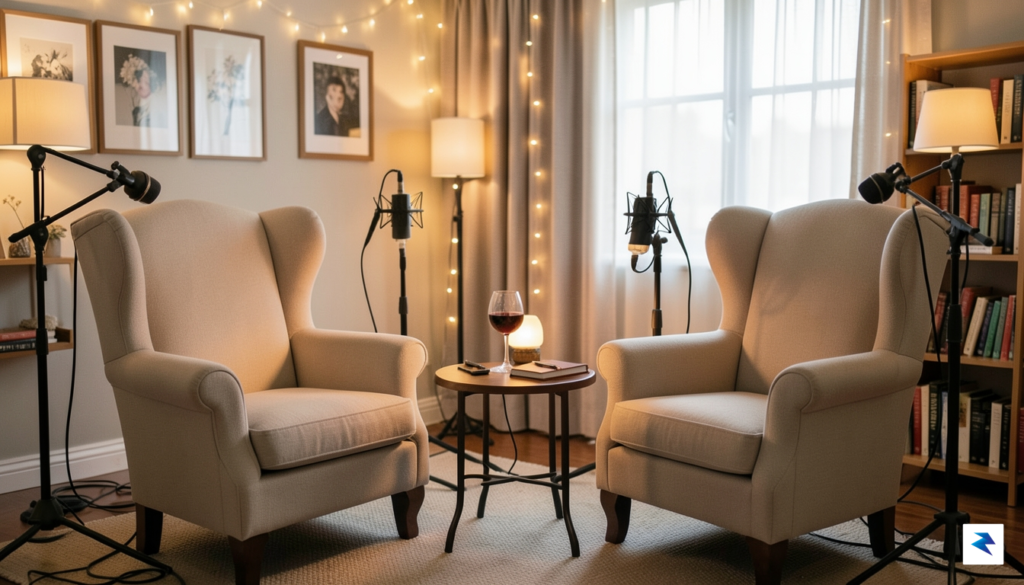
While the finer details of the production remain closely guarded, the prospect of a Garten-led audio series suggests a departure from the visual-heavy medium of television toward a more intimate, conversational experience. We can reasonably anticipate a format that leans into her signature blend of sophisticated culinary expertise and grounded, practical life philosophy. Rather than focusing solely on step-by-step recipes, the show will likely function as a space for slow-burn storytelling, where the act of cooking serves as a gateway to broader discussions about hospitality, resilience, and the art of cultivating a meaningful life. Much like her bestselling memoirs, the podcast will likely prioritize the narrative arc of the meal—the intention behind the gathering—over the technical minutiae of the kitchen.
The potential for high-profile guests is immense, given Garten’s decades-long tenure at the center of the cultural zeitgeist. We might expect a roster that mirrors her eclectic inner circle, ranging from fellow culinary titans and celebrated chefs to literary figures and unexpected voices from the worlds of art and design. These interviews would likely avoid the standard promotional circuit tropes, instead favoring the kind of deep-dive, fireside-chat dynamic that has become the gold standard of premium podcasting. By inviting guests to share the stories behind their own favorite comfort foods or formative kitchen memories, Garten could unlock a level of vulnerability that is rarely captured in high-gloss television profiles.
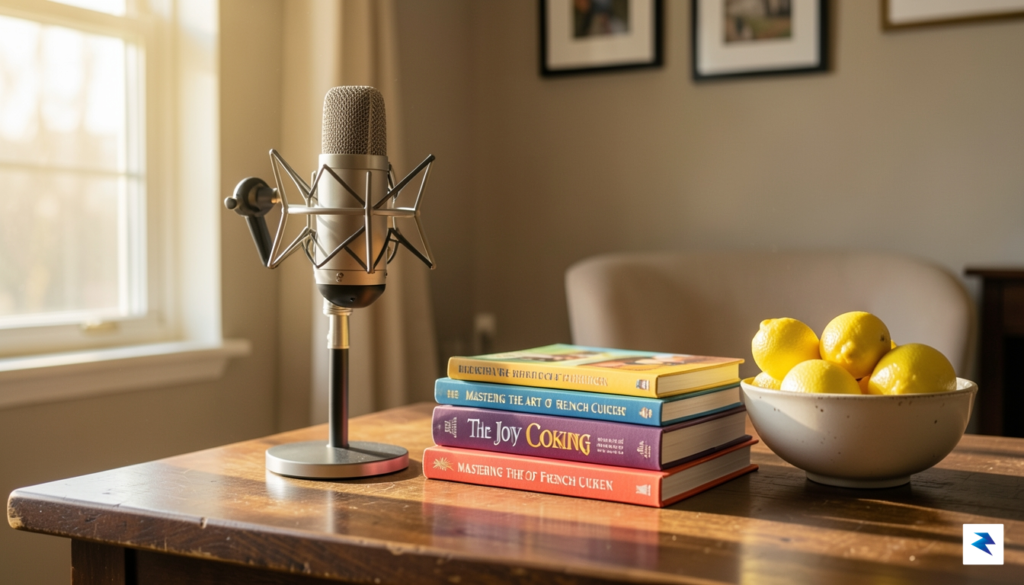
In the crowded landscape of culinary audio, where many shows focus on restaurant trends or industry news, Garten’s project occupies a unique lane of “lifestyle mentorship.” Her voice—steady, reassuring, and inherently authoritative—is perfectly suited for the audio-first format, which thrives on the listener’s feeling of companionship. While other podcasts might focus on the competitive intensity of the professional kitchen, this show will likely emphasize the warmth of the home. This shift in focus is vital; it transforms the culinary experience from a daunting chore into a source of accessible joy. By centering the conversation around the values of simplicity and quality, she is poised to redefine how we consume culinary media, moving the needle from consumption-based content to connection-based storytelling.
The true magic of the Barefoot Contessa brand has never been the recipes themselves, but the permission she gives her audience to slow down, simplify, and savor the moment.
Ultimately, the show’s success will likely hinge on this very sense of presence. Whether she is tackling the complexities of modern entertaining or offering advice on navigating career transitions, the podcast will likely serve as a masterclass in tone. If she successfully translates the “easy-breezy” ethos of her Hamptons kitchen to the digital airwaves, the project will undoubtedly become a staple for listeners seeking both inspiration and a sense of calm in their daily routines. By bridging the gap between the aspirational and the attainable, she is set to prove that the most compelling ingredient in any kitchen is, and always has been, the conversation that follows the meal.

The transition of culinary icons from television kitchens to the intimate, long-form medium of podcasting signals a fundamental shift in the economics of food media. For decades, the industry relied heavily on the aesthetic appeal of high-production television, where the focus remained squarely on the final plate. Today, however, the value proposition has migrated toward the personality behind the apron. As audiences become increasingly inundated with static recipe content and algorithmic cooking videos, the ability to foster a parasocial connection—one built on conversation, storytelling, and vulnerability—has become the new gold standard for influence.
Ina Garten’s move into the audio space is a clear acknowledgment that the modern audience is no longer satisfied with merely watching instructions; they are seeking a deeper narrative context. By leveraging her established brand equity to pivot toward an auditory format, Garten is proving that personal branding now outweighs the utility of a simple ingredient list. In a crowded digital landscape, where anyone can post a recipe, the chefs who survive and thrive will be those who can transform their expertise into a lifestyle dialogue. This evolution forces other celebrity chefs to reconsider their own platforms, moving away from rigid, scripted demonstrations toward more fluid, authentic interactions that feel less like a broadcast and more like a conversation among friends.
Looking toward the future, the food media industry will likely continue to fracture into smaller, community-driven niches where trust is the primary currency. We are moving away from the era of the monolithic celebrity chef and toward an ecosystem where listeners demand transparency, wisdom, and a seat at the table. This shift will inevitably influence how upcoming culinary talents build their careers, prioritizing podcasting, newsletters, and community forums over traditional media appearances. As audiences, engaging with this new format requires a more active role; listeners are no longer passive viewers of a program, but participants in a long-form exchange of ideas.
The future of culinary media belongs to those who can bridge the gap between technical expertise and the lived experience of their audience, turning the kitchen into a space for connection rather than just consumption.
Ultimately, this pivot serves as a blueprint for the next generation of food creators. By embracing the podcasting medium, industry leaders are not just expanding their reach; they are redefining what it means to be an expert in the digital age. As the lines between entertainment, education, and social connection continue to blur, the most successful figures will be those who recognize that the secret ingredient is no longer found in the pantry, but in the strength of the relationship they build with their listeners.
You must be logged in to post a comment.