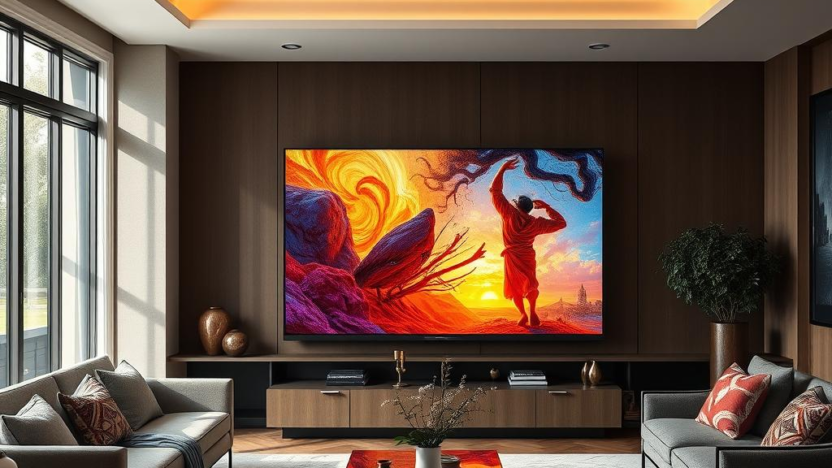
Design Evolution: Merging Art with Advanced Display Tech
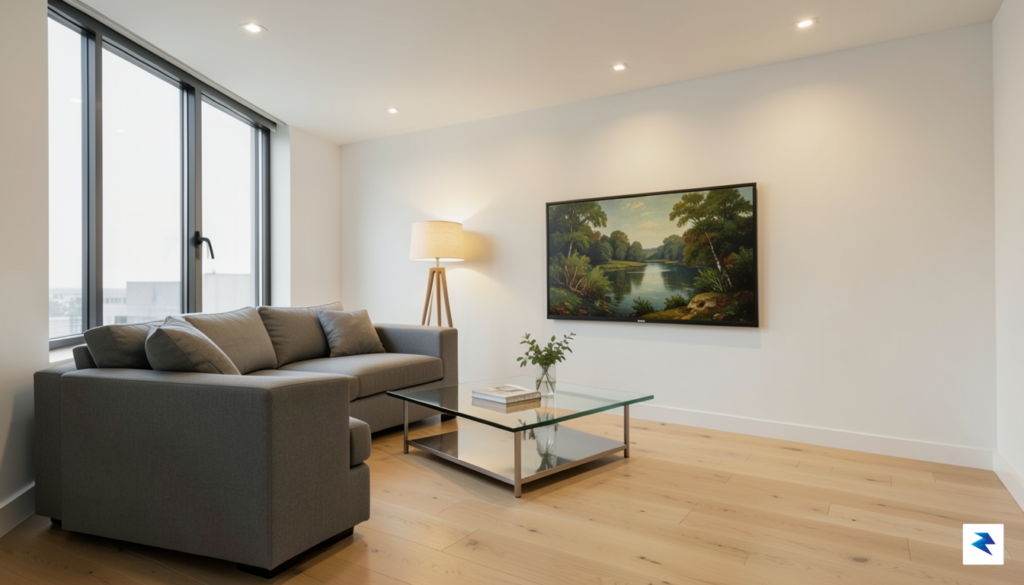
With the 2026 iteration, Samsung has successfully refined its “TV that isn’t a TV” philosophy, proving that the third iteration of The Frame Pro is less about radical transformation and more about the perfection of a singular, aesthetic vision. While previous models laid the groundwork for blending technology with decor, the 2026 Pro series introduces a thinner, more refined chassis that sits closer to the wall than ever before. This subtle shift in depth effectively eliminates the “floating” gap that once hinted at a television’s presence, allowing the display to sit flush against the drywall just like a traditional canvas frame. By slimming down the internal components and optimizing the cooling architecture, Samsung has finally achieved a profile that feels genuinely indistinguishable from a custom-mounted piece of art.
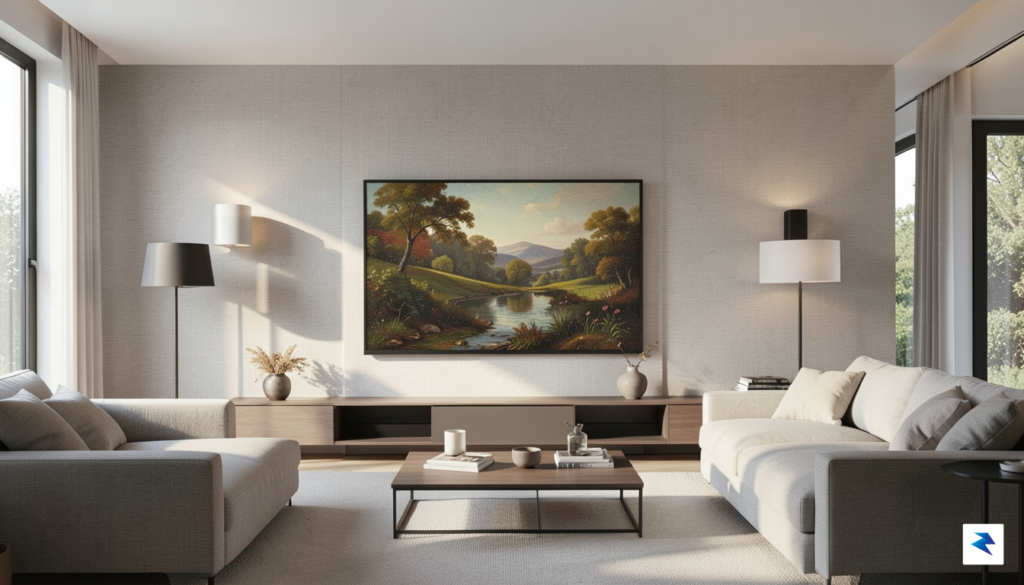
The most significant aesthetic improvement arrives in the form of the upgraded magnetic bezel system, which now offers a wider array of architectural textures and finishes. These new matte options are designed to mimic the weight and grain of real wood, brushed metal, and hand-finished plaster, effectively masking the plastic origins of the frame itself. Furthermore, Samsung has overhauled the cable management system, integrating a deeper recess into the back panel that ensures the One Connect cable remains completely invisible even when the TV is viewed from sharp side angles. This level of attention to detail is exactly why this model remains the gold standard for design-conscious homeowners who refuse to sacrifice interior harmony for a high-end cinematic experience.
The true success of the 2026 Pro model lies not in its technical specifications, but in its ability to disappear entirely into the background of a room, transforming a high-tech entertainment hub into a static, elegant gallery piece.
Beyond the physical hardware, the “Art Mode” experience has received a software refresh that prioritizes the tactile nature of physical media. The display now utilizes enhanced light-sensing technology that adjusts the color temperature of the screen in real-time, ensuring that the displayed digital art reacts to the ambient light in the room just as a physical canvas would. Whether the sun is setting or the room is bathed in warm evening lamplight, the image maintains a flat, non-reflective quality that prevents the “glowing screen” phenomenon common in standard televisions. By combining these advanced display calibrations with a near-invisible mounting system, Samsung has created a device that prioritizes the curator’s eye as much as the cinephile’s appetite, securing its place as the definitive choice for those who view their home as a living gallery.
Visual Performance: The Impact of New Anti-Glare Tech
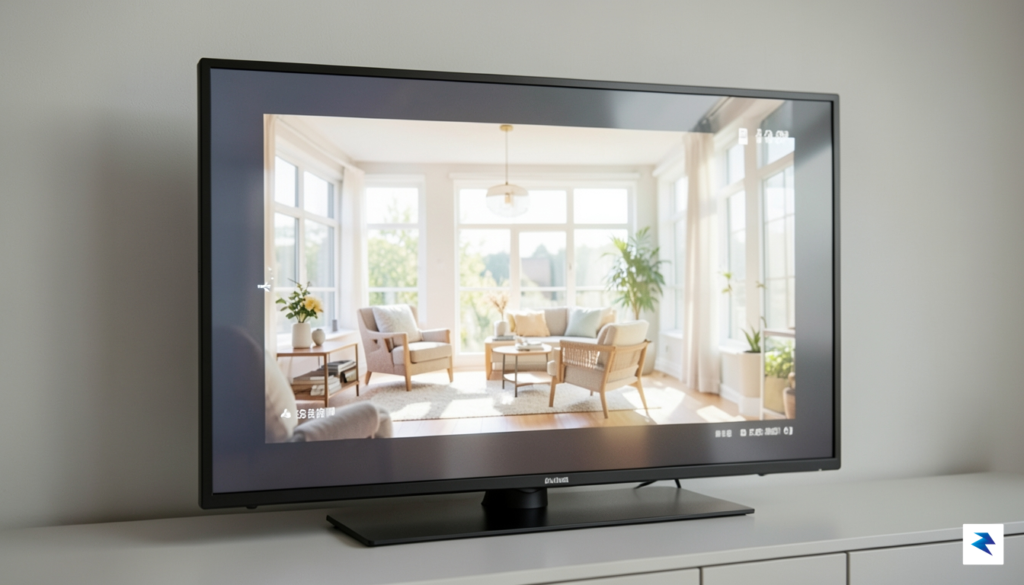
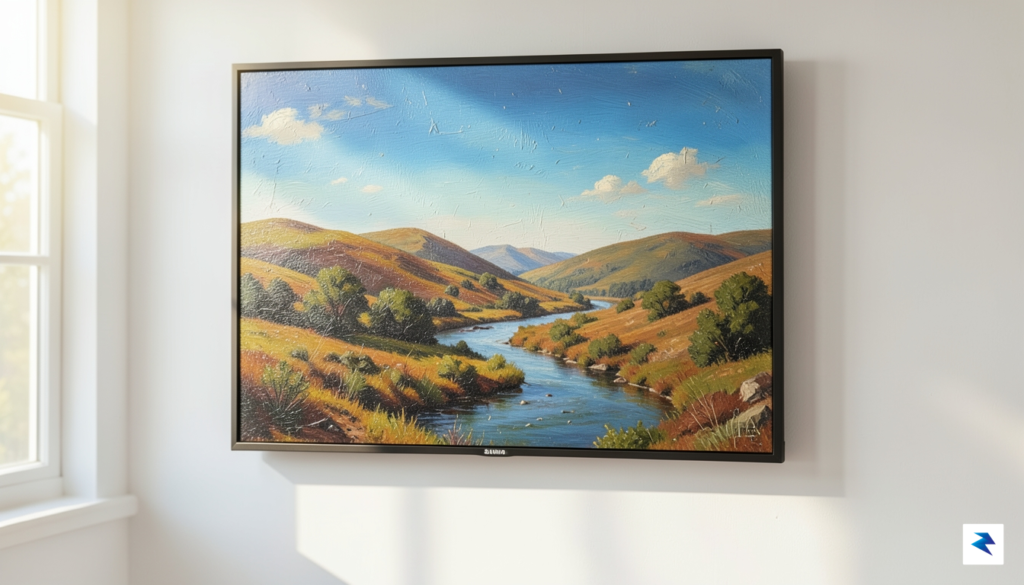
The most transformative hardware upgrade in the 2026 iteration of The Frame Pro is undoubtedly its sophisticated anti-glare coating. While previous generations relied on a standard matte finish that occasionally softened the image too much, this new iteration utilizes a multi-layered nanostructure designed to diffuse ambient light without compromising pixel-level clarity. By breaking up the light waves before they can bounce back to the viewer’s eye, the display effectively eliminates the “mirror effect” that has long plagued glossy television panels. In practical terms, this means that even if you have a window directly opposite the TV, you no longer need to rely on heavy blackout curtains to enjoy your favorite shows or view digital art during the brightest hours of the day.
When comparing the 2026 model to its 2024 and 2025 predecessors, the difference in direct sunlight is striking. Where earlier models would suffer from a “hazy” grey wash when hit with strong light, the 2026 panel maintains an impressive level of contrast. Samsung has managed to achieve this by refining the refractive index of the coating, ensuring that the screen remains readable without forcing the backlight to maximum intensity, which in turn preserves the longevity of the display. This improvement makes the transition from a piece of static art to a high-definition video source feel seamless, as the screen no longer fights against the ambient environment of your living space.
The true triumph of the 2026 anti-glare technology is how it handles the difficult balance between light diffusion and color depth; it manages to keep deep blacks looking ink-like, even when the room is flooded with natural daylight.
One might worry that such a heavy-duty coating would result in a loss of vibrancy or sharpness, but the reality is quite the opposite. Because the new layer is chemically bonded to the panel rather than acting as a simple surface film, it minimizes the internal light scattering that often makes matte screens look dull. In real-world viewing, colors appear punchy and saturated, while fine details in both photography and high-bitrate video content remain razor-sharp. By successfully marrying glare reduction with high-fidelity color reproduction, Samsung has turned a functional necessity into a visual strength, ensuring that the display serves its dual purpose as a high-end television and a convincing digital canvas with equal proficiency.
AI-Driven Optimization: Audio and Picture Quality

The centerpiece of the 2026 iteration of The Frame Pro is undoubtedly the new Neural Quantum Processor, a silicon powerhouse that shifts the television from a static display into a dynamic, context-aware companion. While many manufacturers tout AI as a buzzword, Samsung’s implementation here genuinely changes the viewing experience for non-4K content. By leveraging a massive database of visual patterns, the processor performs real-time upscaling that breathes new life into older cable broadcasts and streaming legacy content. Instead of simply blowing up low-resolution pixels, the AI intelligently reconstructs textures, reduces compression artifacts, and sharpens edges, ensuring that even standard HD content feels crisp and intentional on the massive 4K panel.
Beyond the visuals, the integration of AI extends into the acoustic realm, addressing one of the most common complaints regarding thin-profile televisions: poor soundstage. The 2026 model utilizes advanced room-sensing technology that maps the physical dimensions of your living space within seconds of activation. By analyzing how sound waves reflect off your walls, furniture, and ceilings, the TV automatically calibrates its internal speakers to optimize for your specific seating position. This means that whether you have a cavernous open-plan living room or a tightly furnished bedroom, the audio output remains balanced, clear, and surprisingly immersive without the immediate need for an external soundbar.
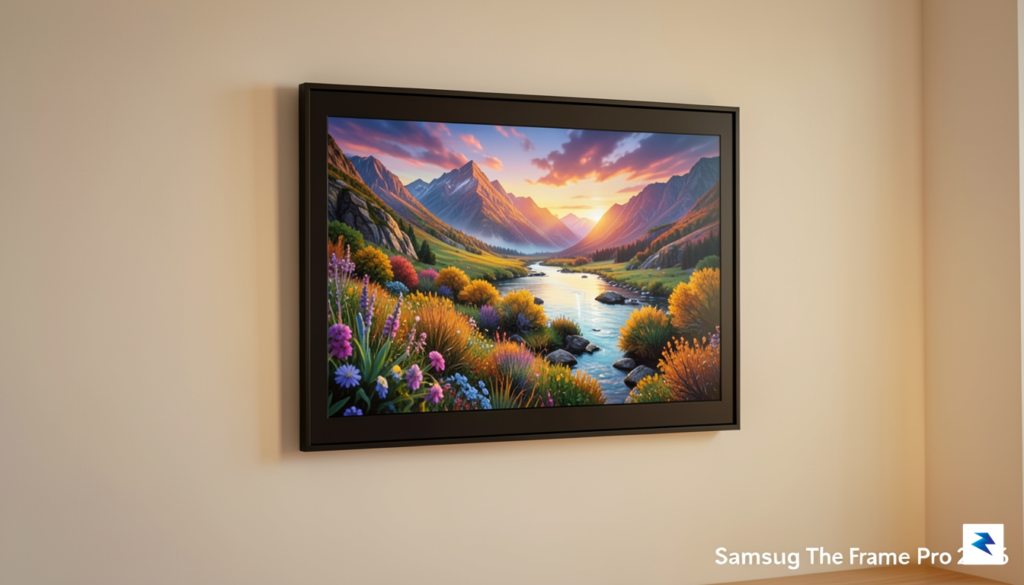
The true magic of the 2026 processor lies in its “set it and forget it” capability, which removes the need for users to manually toggle through dozens of complex image and sound sub-menus.
For the average viewer, these features represent a significant leap forward in usability. You no longer have to worry about whether your display settings are optimized for a dark movie night or a bright afternoon viewing session; the AI handles the heavy lifting by adjusting brightness, contrast, and color temperature in real-time. This level of automated refinement ensures that your digital art collection looks authentic regardless of the ambient lighting in the room, while your cinema experience remains cinematic and precise. Ultimately, the intelligence embedded in the 2026 model transforms the hardware from a simple output device into a sophisticated engine that actively works to provide the best possible fidelity at any given moment.
Living with The Frame Pro: Practicality and Connectivity

While the aesthetic appeal of The Frame Pro 2026 often takes center stage, its true value lies in how it functions as a daily-driver smart television. Samsung has significantly refined the Tizen OS interface this year, resulting in a snappier, more intuitive experience that minimizes the friction between switching from a cinematic streaming experience to a static gallery mode. The navigation menu feels less cluttered than in previous generations, prioritizing your most-used applications while keeping the Art Store integration just a single click away. For users embedded in the Samsung ecosystem, the synergy between the TV and other Galaxy devices is remarkable; screen mirroring and file transfers occur with a level of fluidity that makes the TV feel like a natural extension of your mobile workspace.
Mastering the Art Store and Interface Fluidity
The Art Store remains the heartbeat of the device, and the 2026 update introduces a more sophisticated recommendation engine that actually learns your stylistic preferences. Instead of mindlessly scrolling through thousands of pieces, the AI-driven curator suggests works that align with the color palette of your room or your historical viewing habits. While the subscription model remains a recurring cost, the addition of high-resolution digital rights management ensures that the art looks sharper and more textured than ever before. Samsung has successfully mitigated the “digital glare” look, meaning that when you choose a matte-finish painting, it genuinely mimics the appearance of a canvas under ambient museum lighting rather than a glowing screen.
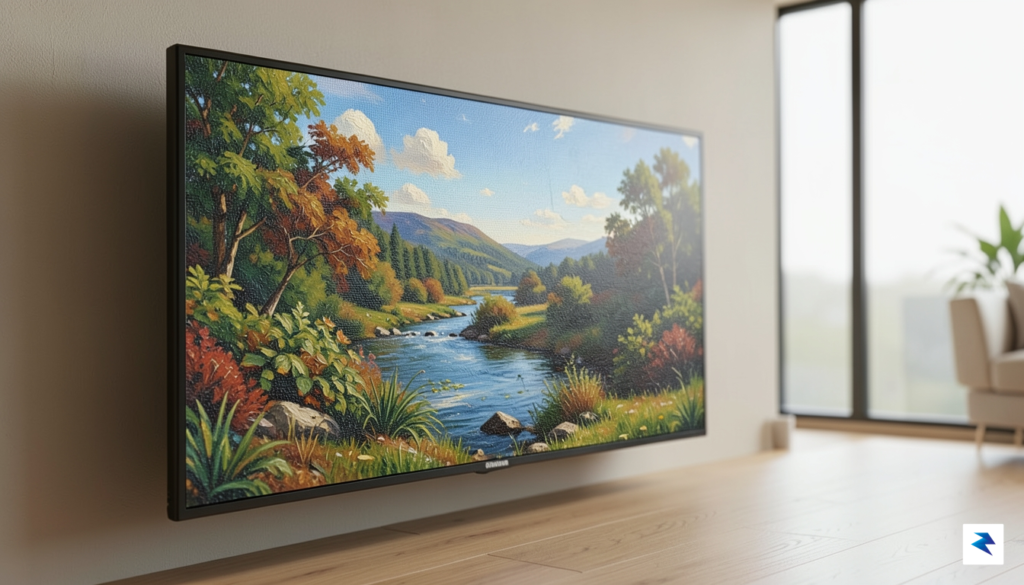
The 2026 iteration manages the delicate balance of being a high-performance smart TV that knows when to retreat into the background, effectively disappearing into your home decor when the entertainment ends.
Hardware Integration: The One Connect Evolution
Perhaps the most practical improvement for the Pro series is the refined One Connect Box, which has been slimmed down and optimized for better heat dissipation. This component remains the gold standard for cable management, as it allows you to tuck away all your HDMI inputs, gaming consoles, and streaming sticks inside a cabinet, leaving only a single, near-invisible “Invisible Connection” cable running to the display. For those concerned about installation, the specialized Pro wall-mount system is vastly more forgiving than standard VESA mounts. It allows for minor leveling adjustments after the unit is hung, ensuring that your art never appears crooked—a common frustration with traditional TV mounting hardware.
Ultimately, the day-to-day experience is defined by how little you have to think about the technology itself. Between the automated motion sensors that trigger the art mode when you enter the room and the ambient light sensors that adjust the color temperature to match your home’s lighting, the TV feels less like a piece of hardware and more like a permanent, evolving fixture. Whether you are gaming in 120Hz or curating a personal gallery, the Pro series handles the transition with professional grace and reliable software performance.
Is the Price Justified? A Value Proposition Analysis

The Samsung The Frame Pro 2026 undeniably carries a premium price tag, positioning it in a distinct upper echelon of home entertainment displays. This isn’t just another high-end television; it’s a device designed to blur the lines between technology and interior design, offering a proposition that goes well beyond conventional picture quality metrics. Consequently, prospective buyers face a crucial question: does its innovative approach and aesthetic prowess genuinely justify the significant investment, especially when compared to other top-tier OLEDs and QLEDs that often excel in raw performance?
When evaluating the Frame Pro 2026 against traditional flagship televisions from competitors, or even Samsung’s own S-series OLEDs, it’s important to acknowledge where the priorities lie. Standard high-performance displays are engineered first and foremost for breathtaking visual fidelity, pushing boundaries in peak brightness, infinite contrast ratios, color accuracy, and ultra-low input lag for gaming. While the Frame Pro 2026 features a top-tier QLED panel with impressive capabilities, its signature matte display, while revolutionary for art viewing, does introduce a subtle diffusion that can marginally impact the punchiness and absolute black levels visible on a glossy OLED during intense cinematic scenes. Therefore, for those whose primary concern is uncompromised, reference-grade visual performance for movies, sports, or gaming, a dedicated performance-focused panel might still hold a slight edge in pure technical prowess.
However, the true value proposition of the Frame Pro 2026 fundamentally shifts the conversation away from mere technical specifications towards integrated living. Its acclaimed ‘Art Mode’ transforms the television from a utilitarian black rectangle into a dynamic display of curated art, personal photos, or stunning digital landscapes when not actively in use. This capability is not merely a gimmick; it addresses a core aesthetic concern for many homeowners who find the presence of a large, dark screen disruptive to their interior decor. The seamless integration, the customizable bezels, and the ability to access a vast library of world-class art (often requiring a subscription) undeniably add a layer of sophistication and personalization that no standard television can replicate, effectively making the TV a part of the room’s art collection rather than just an appliance.
Considering these factors, the Samsung The Frame Pro 2026 is undoubtedly designed for a very specific demographic. It is an exceptional choice for individuals who prioritize home aesthetics, interior design, and the seamless integration of technology into their living spaces above all else. Art enthusiasts, homeowners with meticulously planned decor, or anyone who simply abhors the visual intrusion of a large, dark screen will find immense value in its ability to transform into a captivating art piece. The investment here isn’t solely in a television; it’s in a sophisticated design element that elevates the entire ambiance of a room, offering a unique blend of cutting-edge display technology and artistic expression.
Conversely, for consumers whose primary motivation is maximizing raw picture performance for cinematic experiences, competitive gaming, or simply getting the most ‘bang for their buck’ in terms of visual fidelity, traditional flagship OLEDs or high-end QLEDs will likely offer a more compelling proposition. These alternatives often come at a lower price point while delivering equally, if not superior, performance in terms of contrast, brightness, and motion handling for conventional viewing. If the unique aesthetic contribution of ‘Art Mode’ holds little appeal, and the goal is purely about the best possible screen for traditional media consumption, then the premium associated with the Frame Pro 2026’s design-centric features might not be justified for your specific needs.