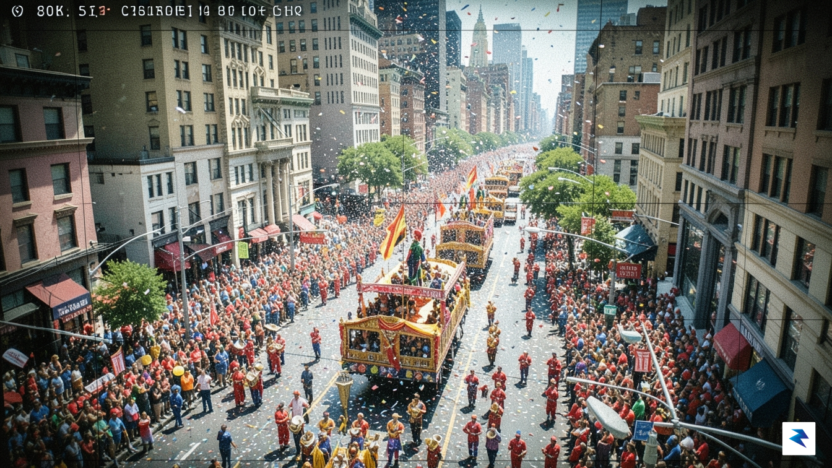
The Evolution of Public Surveillance Access
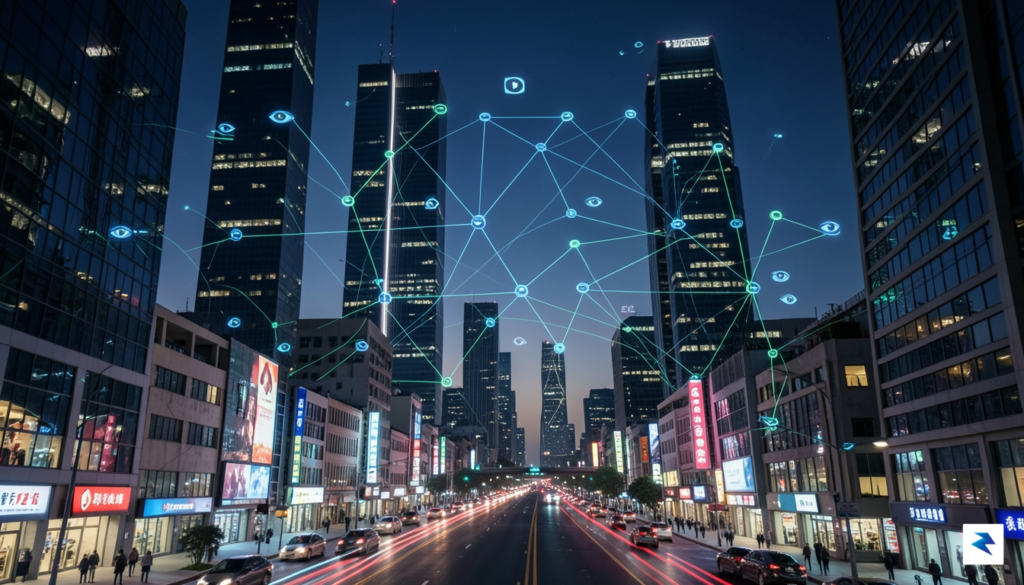
For decades, the sprawling network of cameras overlooking New York City’s intersections existed exclusively as a closed-circuit tool for municipal traffic control centers. These installations, designed primarily for engineers and transit authorities to monitor flow and incident response, remained effectively invisible to the average citizen. In that era, the visual data captured by the city was treated as a proprietary asset, confined to dimly lit control rooms where the primary goal was efficiency rather than public engagement. The logistical complexity of broadcasting these signals meant that any glimpse into the city’s heartbeat was restricted to those directly responsible for maintaining the urban grid.
The landscape shifted dramatically with the emergence of the global “Open Data” movement, which championed the philosophy that municipal information is a public good rather than a government secret. As digital infrastructure matured, New York City began to prioritize transparency, recognizing that sharing real-time insights could empower residents and improve urban navigation. This transition was more than just a policy change; it represented a fundamental reimagining of the relationship between the city and its inhabitants. By migrating these visual archives from private, siloed servers to web-accessible platforms, the municipal government transformed passive observers into active participants in the urban experience.
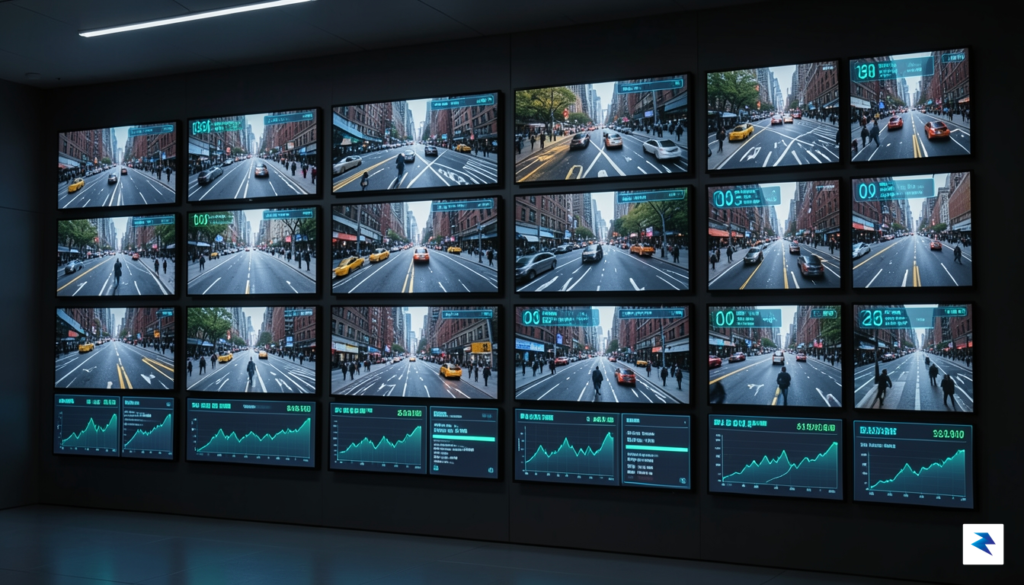
Technologically, this evolution required a massive overhaul of the underlying infrastructure that supports metropolitan communications. Moving from analog, hard-wired systems to high-bandwidth, cloud-integrated digital streams necessitated robust hardware capable of handling massive surges in traffic. When thousands of people log on simultaneously—such as during a major civic celebration or a championship parade—the hosting architecture must balance high-definition resolution with low-latency streaming to ensure that the view remains fluid. This feat of modern engineering ensures that the digital public can witness the pulse of the city in real-time, effectively blurring the lines between private utility and public exhibition.
The democratization of surveillance data has turned once-utilitarian infrastructure into a digital window, allowing the public to experience the rhythm of the metropolis from anywhere in the world.
Today, the accessibility of these visual streams serves as a testament to the success of data transparency initiatives. What began as a rigid, top-down monitoring system has matured into a flexible, decentralized resource that serves a variety of needs, from commuting convenience to historic documentation. As we look toward future developments, it is clear that the integration of public camera networks into the digital lives of New Yorkers is not merely a convenience, but a cornerstone of modern civic life. By leveraging these tools, we are granted a unique vantage point, turning the city’s complex infrastructure into a shared, accessible stage for every major milestone.
The Morry Kolman Project: Bringing the Parade Home
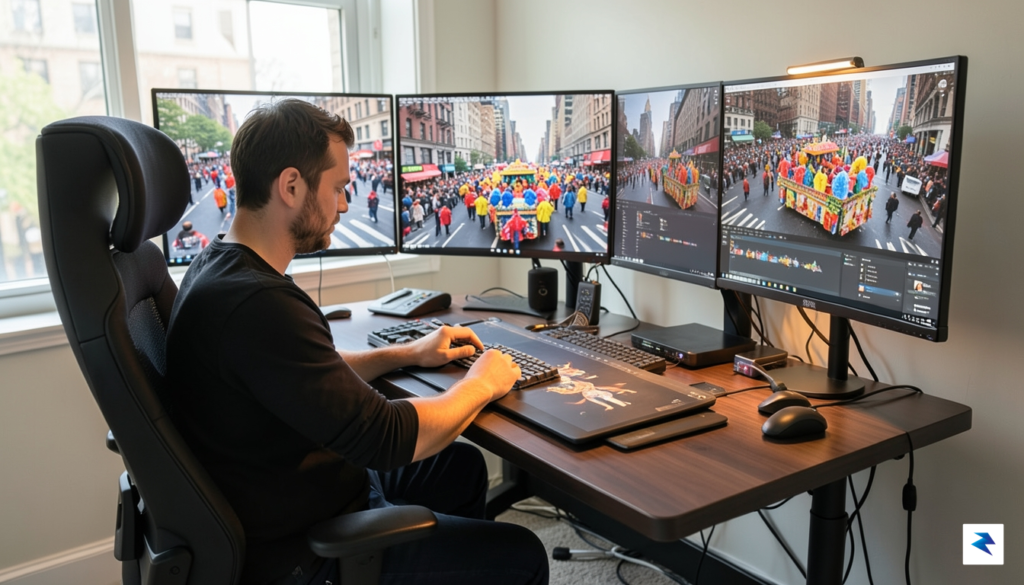
For those who find the prospect of navigating millions of cheering fans and gridlocked Manhattan streets daunting, artist Morry Kolman has developed a sophisticated alternative that transforms the city’s mundane infrastructure into a high-stakes viewing platform. Motivated by a desire to provide unfettered access to the championship festivities, Kolman has spearheaded an initiative that repurposes New York City’s Department of Transportation traffic monitoring network. Instead of battling the humidity and crushing crowds near the Canyon of Heroes, spectators can now utilize a carefully curated digital dashboard that pulls directly from the city’s vast array of street-level lenses, effectively turning the public’s eyes toward history in the making.
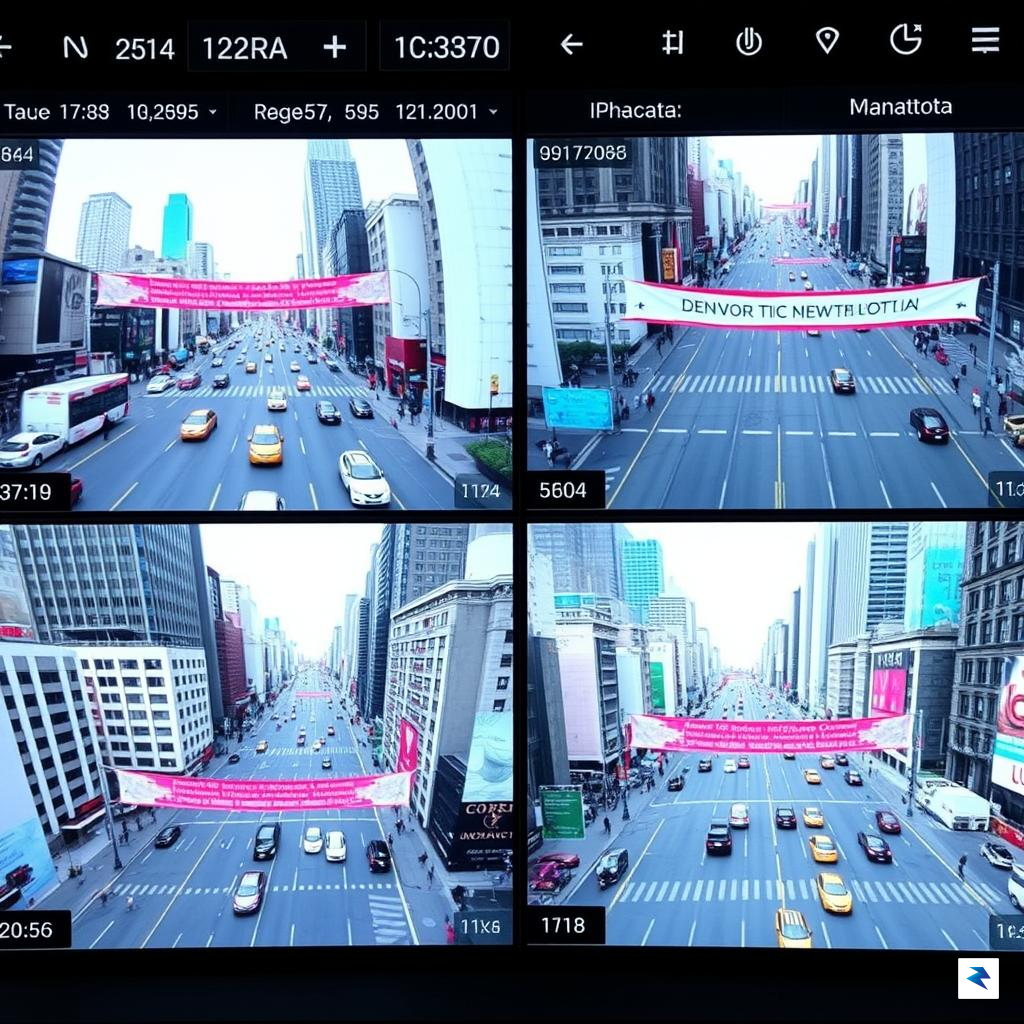
The technical ingenuity behind this project lies in its ability to aggregate hundreds of disjointed, static-facing monitors into a cohesive, chronological viewing experience. By mapping out the precise route of the motorcade and aligning it with the specific identifiers of traffic-monitoring hardware stationed along the corridor, the initiative allows users to track the procession as it moves from block to block. This process involves stripping away the typical digital latency associated with municipal infrastructure, creating a seamless stream that feels less like a traffic report and more like a private, cinematic broadcast of the city’s most significant sporting celebration in decades.
The true power of this approach is the total absence of editorial filter; there is no producer deciding which angle is most important, leaving the viewer to experience the raw, unscripted reality of the parade as it unfolds in real time.
This method offers a distinct advantage over traditional news coverage, which often relies on a limited number of high-altitude helicopters or crowded ground-level reporters who can only capture a singular perspective. Because these lenses are positioned at various heights and angles—many tucked away on building corners or high-mast light poles—they provide vantage points that even the most well-positioned broadcast crew cannot replicate. Furthermore, the total lack of commentary ensures that the atmosphere remains authentic, allowing the ambient sounds of the city and the roar of the crowd to take center stage. For the remote observer, this is not merely a way to watch the event; it is a way to gain total control over the viewing experience, ensuring that no moment of the celebration is missed due to a cutaway or a reporter’s voiceover.
Navigating NYC DOT Policy and Public Data

For years, the NYC Department of Transportation maintained a rigid, almost proprietary grip on its expansive network of street-level cameras. In the past, the city frequently issued cease-and-desist notices to independent developers and third-party aggregators, citing concerns over bandwidth strain and potential liability. However, a significant policy pivot has recently transformed this landscape, marking a move toward a more transparent, open-data philosophy. This shift reflects a broader recognition by municipal leaders that the digital infrastructure governing our city streets is, in many ways, an extension of the public square itself.
The legal precedent behind this transition hinges on the classification of traffic camera data as a public asset. Because these devices are funded by taxpayer dollars and installed on public thoroughfares, the argument has increasingly shifted toward the idea that the visual data captured should be accessible to the citizenry. Rather than attempting to suppress third-party platforms that host these views, the DOT now seemingly accepts these broadcasts as a digital utility that enhances public convenience. By leaning into this accessibility, the department has essentially outsourced the hosting infrastructure to private entities, which actually reduces the burden on city servers while simultaneously providing Knicks fans and curious onlookers with a reliable way to monitor parade progress.
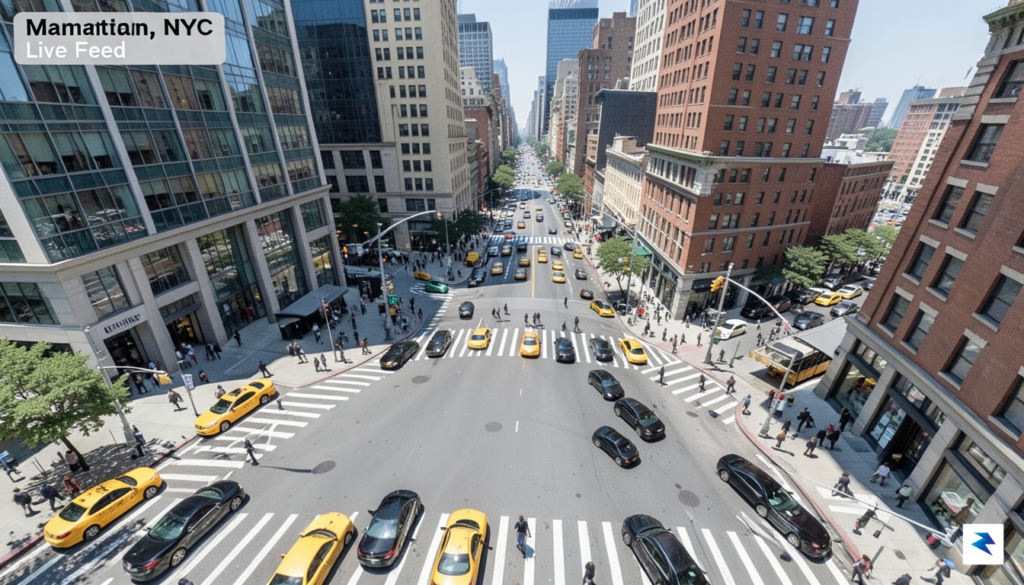
This evolving relationship between city government and digital creators is not merely a matter of convenience; it is a delicate balancing act between public security and the right to observe shared spaces. While the DOT maintains strict security protocols for how these feeds are accessed and distributed, the underlying API structure is now far more permissive than it was a decade ago. This allows streamers and developers to bridge the gap between static municipal data and real-time public interest events. Consequently, the barriers that once prevented seamless public access to these camera networks have largely evaporated, replaced by a collaborative ecosystem that prioritizes information flow over administrative obstruction.
The transition from a restrictive regulatory stance to an open-access model suggests a maturing understanding of the city as a digital ecosystem, where real-time visibility is seen as a civic benefit rather than a security risk.
For digital creators looking to provide coverage of the upcoming championship celebration, this policy climate is a major win. It means that as long as the underlying data is treated with respect and the technical access remains within the bounds of the DOT’s fair-use guidelines, the risk of a sudden shutdown is significantly lower than it once was. Moving forward, this shift provides a template for how other major metropolitan areas might handle public surveillance data, proving that transparency can coexist with effective urban management.
Privacy, Ethics, and the Future of Urban Observation
The transformation of government-operated traffic infrastructure into an impromptu broadcast network for a celebratory parade is a fascinating, if complex, development in urban life. While the ability to witness a historic moment in real-time through a public lens offers a sense of collective euphoria, it simultaneously highlights the normalization of a hyper-monitored environment. We often view these cameras as utilitarian tools for traffic management and public safety, yet repurposing them for mass entertainment blurs the line between necessary oversight and the democratization of surveillance. This shift forces us to consider whether we are merely utilizing existing resources for convenience or if we are inadvertently endorsing a state of perpetual observation that has become an inescapable feature of the modern metropolis.
When individuals gather in public spaces to celebrate, they generally expect a degree of anonymity within the crowd, even if they are aware that cameras exist overhead. However, the ease with which these feeds can be accessed by thousands of remote viewers introduces a new layer of visibility that strips away that layer of comfort. When everyday citizens become the accidental stars of an uncurated, high-definition broadcast, the fundamental right to navigate public spaces without being subject to constant, unconsented documentation is subtly compromised. The ethical dilemma lies in the fact that while the broadcast captures the joy of the Knicks parade, it does so by treating the entire city floor as a stage, ignoring the privacy concerns of those who might not wish to be part of an unfolding digital spectacle.
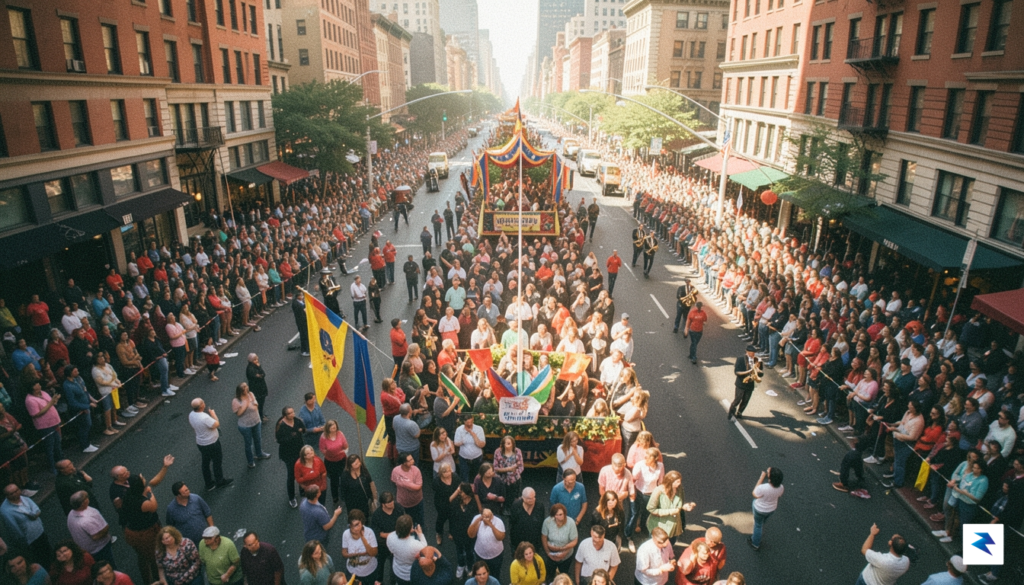
Looking toward the future, the rise of citizen-led broadcasting of public infrastructure suggests that the boundaries of urban privacy will continue to thin. As technology becomes more accessible, the power to monitor and broadcast city life is no longer reserved for centralized authorities; it is increasingly distributed among the public, who can aggregate these feeds into highly curated viewing experiences. This development presents a double-edged sword: it fosters transparency and community connection during major events, but it also creates a culture where public spaces are treated as communal content repositories. We must eventually ask whether the convenience of such access is worth the erosion of the “right to be forgotten” in public, even for just a few fleeting hours of celebration.
The true cost of living in a hyper-monitored city is not just the presence of the cameras, but the gradual shift in our collective behavior as we grow accustomed to being watched, recorded, and broadcasted at every turn.
Ultimately, the balance between public utility and individual privacy requires a more robust societal dialogue. As we navigate future events through the digital eyes of the city, we must remain critical of how these tools are utilized and who controls the narrative of our public spaces. The convenience of watching a parade from the comfort of one’s home is undeniable, yet it remains a practice that necessitates a careful reflection on the trade-offs we make in exchange for digital access to the heartbeat of the city.