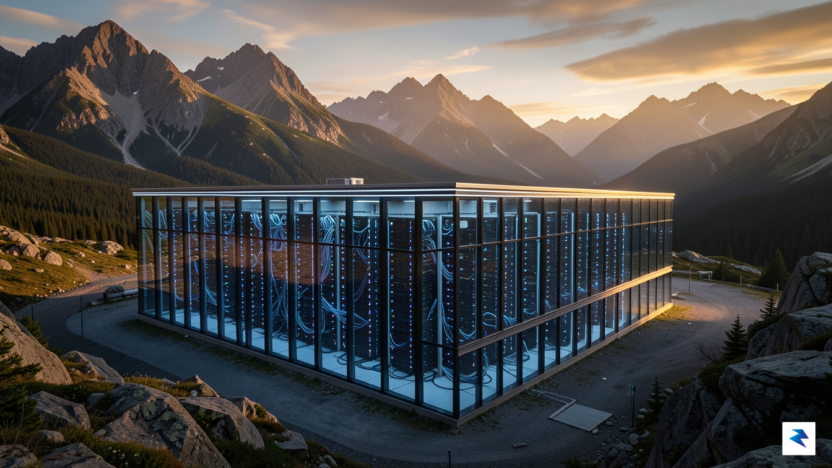
The Strategic Pivot: Moving Beyond Bitcoin
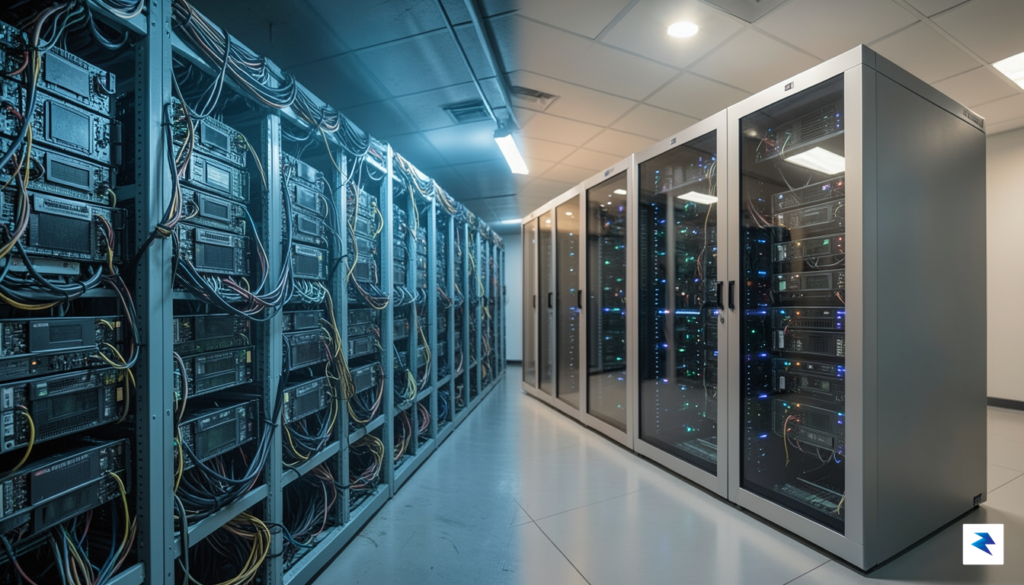
For years, HIVE Digital Technologies has been a prominent name inextricably linked with the volatile world of cryptocurrency mining, particularly Bitcoin. Its operations, characterized by vast data centers humming with specialized equipment, were primarily focused on securing blockchain networks and earning digital assets. While this strategy positioned HIVE at the forefront of a nascent industry, it also meant navigating the notoriously cyclical and often unpredictable nature of crypto markets. Revenue streams were heavily influenced by the fluctuating price of Bitcoin, leading to periods of immense profitability alongside significant challenges during market downturns, necessitating constant adaptation to maintain operational efficiency and shareholder value.
However, the technological landscape is undergoing a profound transformation, and HIVE is aggressively moving to capture its next frontier. The burgeoning demand for high-performance computing (HPC) power, driven by the explosive growth of artificial intelligence, machine learning, and complex data analytics, presents an unparalleled opportunity for diversification and sustainable growth. This market shift towards AI infrastructure offers a more stable, enterprise-grade revenue stream compared to the speculative nature of pure crypto mining, signaling a fundamental recalibration of HIVE’s business model. The company is strategically pivoting its focus to become a critical provider of GPU-based cloud infrastructure, positioning itself at the heart of the AI revolution.
Crucially, HIVE’s existing infrastructure provides a powerful springboard for this transition. The extensive data centers, robust power infrastructure, and the sheer number of high-end Graphics Processing Units (GPUs) meticulously deployed for crypto mining are remarkably adaptable to the demands of AI computation. These facilities are already designed for intensive computing loads, optimized for cooling, and equipped with reliable power grids, which are precisely the prerequisites for hosting AI workloads. This operational synergy means HIVE can rapidly re-purpose or upgrade its existing assets, minimizing the need for entirely new builds and significantly accelerating its entry into the HPC market. It’s an efficient leveraging of decades of operational expertise and capital investment, directly translating into a competitive advantage.
This strategic realignment isn’t merely a tactical shift; it’s a fundamental commitment designed to unlock substantial long-term value for shareholders. By diversifying into GPU-based cloud services, HIVE moves beyond the singular dependency on cryptocurrency prices, tapping into the broader, rapidly expanding market for AI infrastructure. This pivot promises more predictable revenue streams, reduced exposure to crypto market volatility, and positions the company as a key player in a foundational technology sector. The ability to offer essential computing power for AI development, research, and deployment establishes HIVE as a critical infrastructure provider, fostering sustained growth and offering a compelling value proposition that transcends the cyclical nature of digital assets.
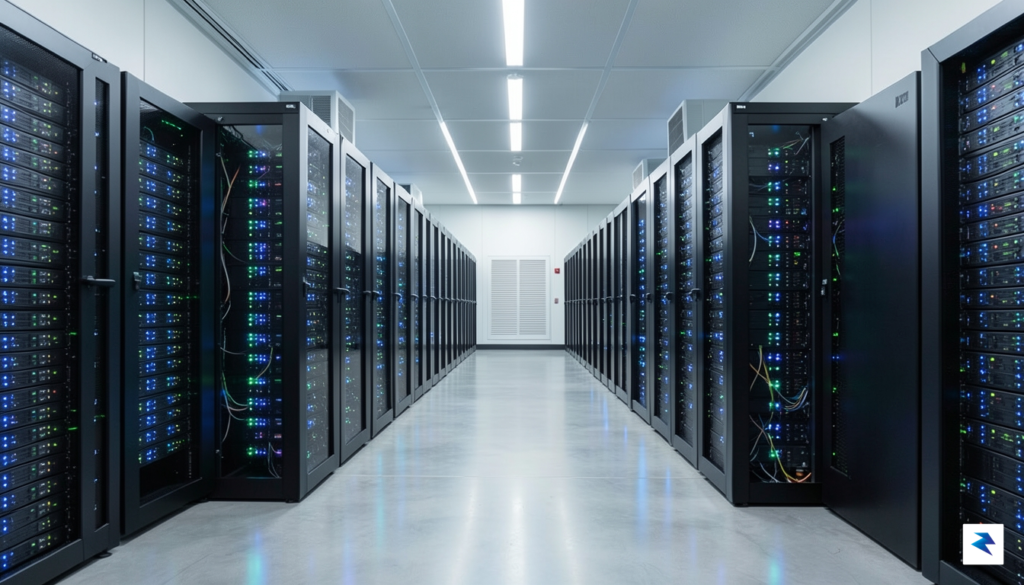
Decoding the $220M Sovereign AI Infrastructure Deal
The $220 million investment earmarked for Canadian sovereign AI infrastructure represents far more than a simple capital injection; it acts as a strategic fortification of the nation’s technological autonomy. By securing this funding, HIVE is effectively positioning itself as the backbone of Canada’s domestic AI capabilities, ensuring that sensitive data and high-performance computing resources remain within national borders. In an era where AI development is often dominated by a handful of U.S.-based hyperscalers, this deal signals a shift toward “sovereign AI”—a policy framework that prioritizes local control over data infrastructure, algorithmic transparency, and protection from international geopolitical volatility. By grounding these massive GPU clusters on Canadian soil, HIVE is helping to insulate the local tech ecosystem from potential supply chain disruptions or shifts in foreign trade policies that could otherwise throttle domestic innovation.

From a competitive standpoint, this infusion of capital creates a formidable barrier to entry that few competitors can hope to replicate in the short term. The sheer scale of the investment, specifically tied to the acquisition and deployment of high-end GPU hardware, provides HIVE with an immediate “moat.” While smaller players may struggle to secure access to the latest generation of chips amidst global supply shortages, HIVE’s direct relationship with infrastructure suppliers allows them to scale their cloud capacity rapidly. This creates a virtuous cycle: as their compute capacity grows, so does their ability to attract enterprise-level clients who require the stability and security that only a sovereign, domestically-owned cloud provider can offer.
Sovereign AI is no longer a luxury for national governments; it is a prerequisite for security in an economy where intelligence is the primary currency.
The timeline of this deal is equally critical, as it arrives at a moment when market sentiment toward AI-driven infrastructure is reaching a fever pitch. On the balance sheet, this $220 million valuation serves to significantly enhance HIVE’s asset base, shifting their profile from a speculative crypto-mining entity toward a robust, diversified provider of high-performance computing (HPC) and GPU cloud services. This transition is vital for investor confidence, as it provides recurring, long-term revenue streams that are far less volatile than the digital asset markets they were previously tethered to. As these infrastructure projects come online, HIVE is effectively locking in a pivotal role in the Canadian AI value chain, ensuring that they are not just participating in the AI boom, but actively providing the essential infrastructure upon which that future is being built.
The Role of Bell and Cohere in Canada’s AI Sovereignty
The ambitious $220 million infrastructure project is far from a solo endeavor for HIVE; rather, it represents a calculated strategic alliance that bridges the divide between raw hardware power and practical software utility. By aligning with telecommunications titan Bell and the enterprise-focused AI powerhouse Cohere, HIVE is effectively creating a symbiotic ecosystem that addresses the entire lifecycle of artificial intelligence deployment. In this arrangement, HIVE serves as the high-performance engine room, providing the specialized GPU clusters necessary to process massive datasets, while its partners provide the essential connective tissue and the sophisticated software brain required to turn that computing power into tangible business value.
Bell’s involvement provides the critical network backbone that transforms isolated data centers into a truly sovereign infrastructure. For AI models to function at an enterprise scale, they require low-latency, high-bandwidth connectivity capable of moving petabytes of data without degradation. Bell’s extensive telecommunications footprint ensures that HIVE’s GPU clusters are not merely siloed hardware assets, but are instead integrated into a national grid that provides secure, reliable access for Canadian businesses and government entities. This partnership effectively solves the “data gravity” problem, ensuring that sensitive information remains within secure domestic borders while maintaining the speed and efficiency of cloud-based operations.

Complementing this hardware and network foundation is Cohere, a company that has solidified its reputation as a global leader in Large Language Models (LLMs) specifically tailored for enterprise environments. Unlike generic consumer-facing chatbots, Cohere’s technology is designed to integrate deeply into corporate workflows, requiring the sustained, heavy-duty compute power that HIVE’s infrastructure is engineered to deliver. Cohere’s participation is the ultimate validation of HIVE’s technical specifications; by choosing HIVE as their infrastructure provider, Cohere signals to the broader market that this platform is capable of training and running world-class AI models at scale. This synergy creates a compelling value proposition for potential enterprise clients who are otherwise wary of the technical complexities involved in hosting their own generative AI stacks.
The collaboration between HIVE, Bell, and Cohere establishes a blueprint for sovereign AI: HIVE provides the raw compute, Bell ensures the secure network delivery, and Cohere offers the sophisticated software intelligence required to drive innovation.
Ultimately, this tripartite partnership mitigates the risks typically associated with adopting high-end AI infrastructure. Enterprise clients are rarely looking for just “more GPUs”; they are looking for a turnkey solution that includes security, reliability, and world-class software optimization. By weaving together the specialized strengths of these three entities, the project ensures that Canadian industry has a domestic alternative to the dominant US-based cloud giants. This ecosystem approach not only validates HIVE’s pivot toward high-performance GPU cloud services but also anchors Canada’s position as a serious player in the global race for sovereign AI development.
Market Implications and Future Financial Outlook

The recent 10% surge in HIVE shares serves as a clear indicator that investors are aggressively repricing the company, moving away from a narrative defined solely by Bitcoin volatility and toward one anchored in the high-growth sovereign AI sector. By securing a $220 million infrastructure deal, the company has effectively signaled its transition from a pure-play crypto miner to a robust provider of high-performance computing (HPC) services. This market enthusiasm is not merely a reaction to a single contract; rather, it reflects a fundamental shift in how institutional investors perceive HIVE’s long-term valuation multiples. While traditional mining firms are often tethered to the fluctuating price of Bitcoin, HIVE’s pivot suggests that its future valuation will be increasingly driven by the predictable, recurring revenue streams characteristic of the broader technology and cloud infrastructure sectors.
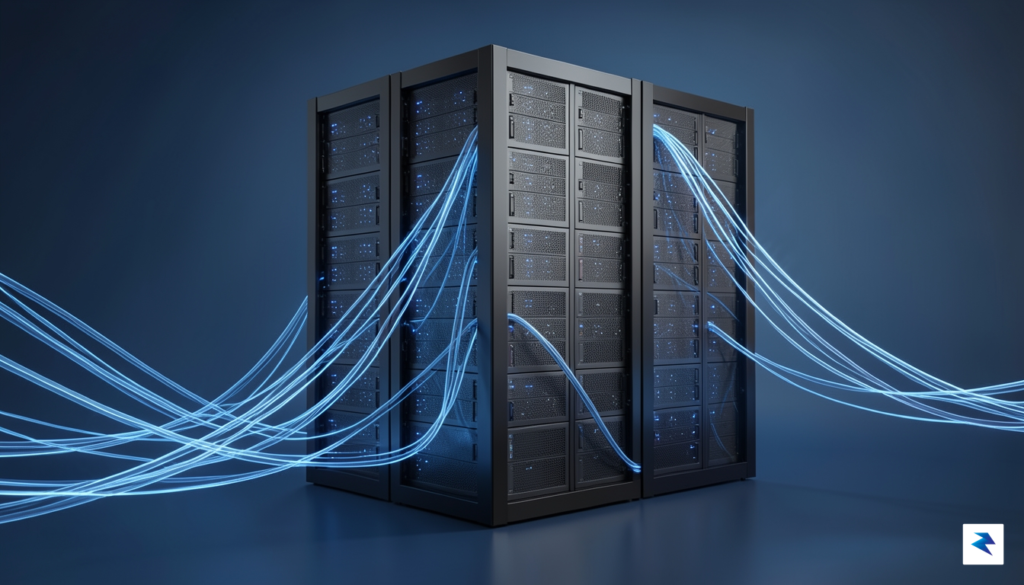
The financial implications of this strategic pivot are profound, particularly when contrasting HIVE’s new business model with its legacy operations. Bitcoin mining is inherently speculative, subject to the “halving” cycles and the capricious nature of cryptocurrency markets, which often compresses valuation multiples during bear cycles. In contrast, the company’s push into AI compute relies on long-term, contract-based agreements that offer a degree of stability rarely seen in the crypto-asset space. By diversifying its revenue base with sovereign AI infrastructure, HIVE is essentially building a “moat” that insulates it from the extreme drawdowns of digital asset markets, providing a more stable foundation for earnings growth.
The move toward sovereign AI infrastructure represents a transition from speculative mining yields to the high-margin, predictable cash flows of the modern artificial intelligence economy.
Looking ahead to fiscal 2026 and beyond, the growth trajectory for the company appears significantly more robust than it would have been under its previous strategy. As global demand for localized, sovereign AI capacity continues to outpace supply, HIVE is positioning itself as a vital utility provider for both government and enterprise-level artificial intelligence projects. If the company successfully scales its GPU cloud services, analysts suggest that the market may begin to reward it with valuation multiples more in line with specialized data center operators and cloud providers. This potential for multiple expansion, combined with the underlying growth of the AI industry, suggests that the recent stock price jump could be merely the beginning of a long-term revaluation of the company’s core business model.
The Broader Shift: Mining Data Centers for AI Compute

The strategic pivot by HIVE is far from an isolated gamble; rather, it represents a fundamental evolution within the digital infrastructure landscape. For years, crypto mining firms have focused on securing access to massive amounts of low-cost, reliable electricity—a resource that has now become the single greatest bottleneck for the global AI arms race. By repurposing these existing industrial-grade mining facilities, companies like HIVE are bypassing the years of red tape, zoning hurdles, and grid interconnection delays that typically plague traditional data center developers. This transition effectively transforms mining sites from specialized blockchain hubs into versatile, high-density compute powerhouses capable of supporting the massive demands of large language models and sovereign AI initiatives.
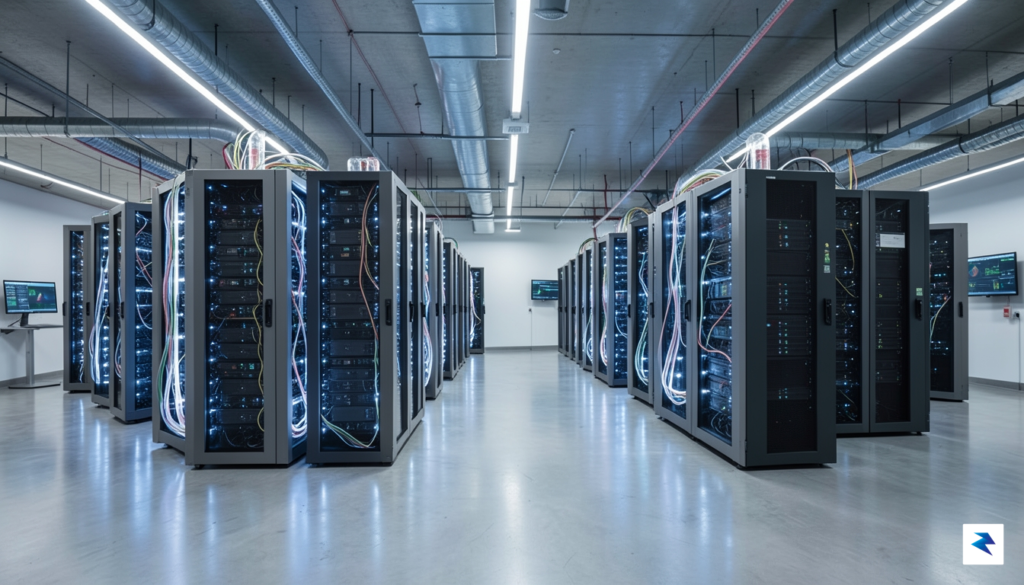
However, the conversion from Bitcoin mining to artificial intelligence infrastructure is not merely a “plug-and-play” operation. Crypto mining rigs are designed for singular, high-intensity hashing tasks, whereas AI workloads require a sophisticated architecture built around high-speed networking, robust GPU clusters, and significantly more advanced cooling solutions. The technical challenges involved—such as upgrading the power distribution units to handle the sudden spikes associated with AI training and implementing high-bandwidth interconnects—are substantial. Firms that successfully navigate these engineering complexities are discovering that their physical real estate offers a unique competitive advantage: the ability to deploy “AI-ready” hardware at a fraction of the capital expenditure required to build new facilities from the ground up.
The marriage of crypto-native energy expertise and high-performance computing represents the next frontier in infrastructure-as-a-service (IaaS), effectively turning stranded power assets into the backbone of the sovereign AI economy.
Looking ahead, this shift signals a maturation of the entire mining sector. As the industry moves away from a reliance solely on the volatility of cryptocurrency prices, it is establishing itself as a foundational pillar of the broader tech economy. By securing this $220 million sovereign deal, HIVE has effectively moved beyond the speculative nature of digital assets to become a critical infrastructure partner for governments and large-scale enterprises. This strategic repositioning not only hedges against market cycles but also positions the firm as a leader in a global market that is increasingly prioritizing local, secure, and sovereign control over AI compute resources. Ultimately, the future of the industry lies in this hybrid capability, where high-density energy availability meets the relentless demand for scalable machine learning performance.