Remembering Claude Guillemot: The Legacy of a Ubisoft Founder
A Legacy Defined: Claude Guillemot’s Role in Gaming History The global gaming community finds itself in a state of profound mourning following…

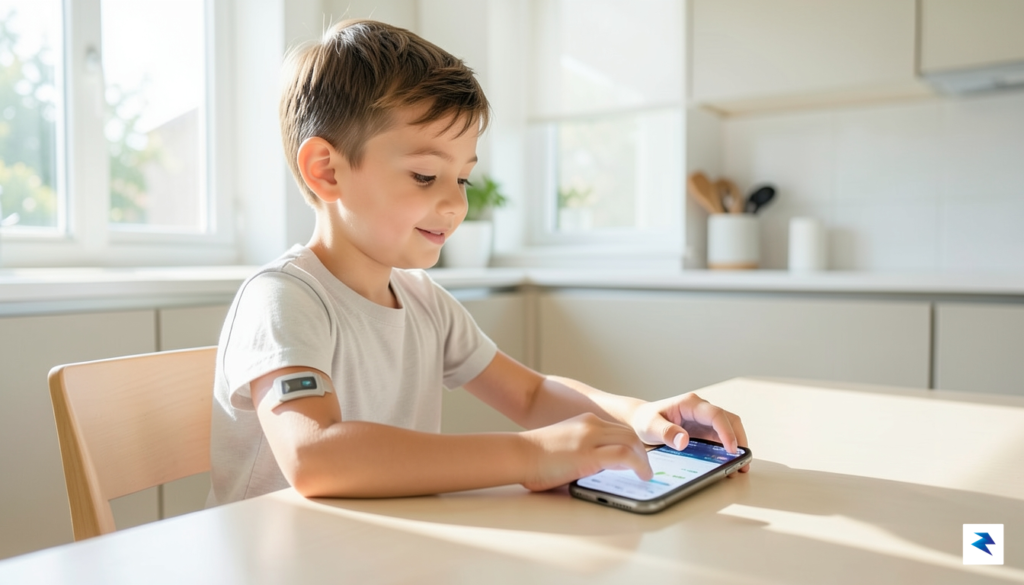
The landscape of pediatric health management is undergoing a profound transformation as regulatory bodies adapt to the digital age. Recently, the FDA’s decision to clear Dexcom’s Stelo for broader use has signaled a definitive departure from the traditional, prescription-only model that previously governed access to continuous glucose monitoring (CGM) technology. For years, these powerful diagnostic tools were reserved exclusively for patients diagnosed with clinical conditions like Type 1 diabetes, requiring constant physician oversight and insurance authorization. By shifting toward an over-the-counter (OTC) framework, the regulatory environment is acknowledging that health-conscious families and those monitoring early-stage metabolic trends—such as pre-diabetes—deserve direct, simplified access to biometric data without the friction of a clinical appointment for every small adjustment.
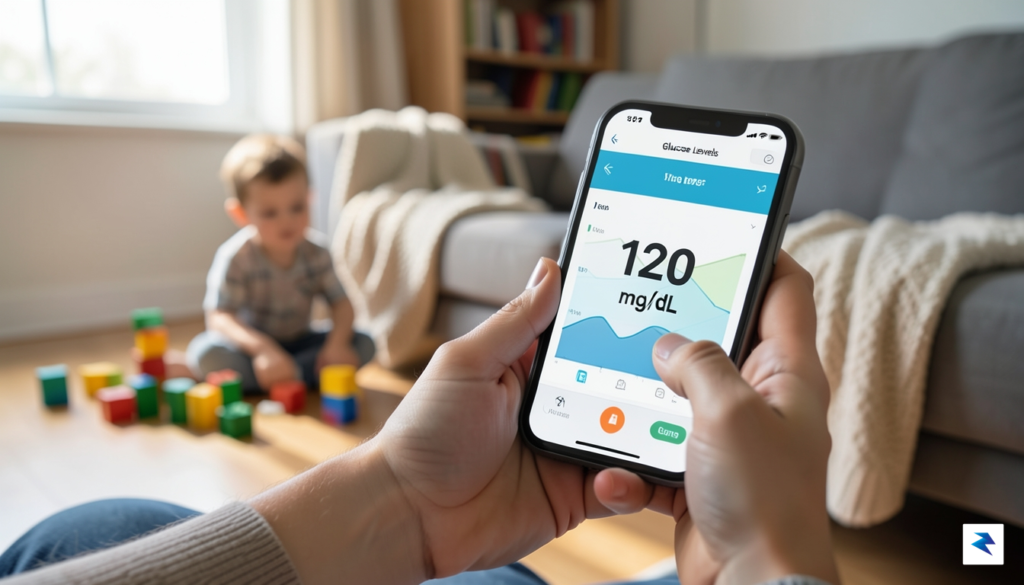
This pivot toward consumer-driven health tools represents more than just a change in point-of-sale; it signifies a democratization of personal health data. When glucose monitoring transitions from a medical necessity to a wellness tool, it empowers parents to better understand how various foods, physical activities, and stress levels impact their children’s metabolic health in real-time. Instead of relying on periodic lab results or subjective observations, caregivers can now observe trends as they unfold, potentially fostering healthier habits and a more proactive approach to nutrition and lifestyle. However, this newfound convenience comes with a critical caveat: these devices are designed for tracking and insight, not for replacing professional medical diagnosis or managing complex, insulin-dependent conditions.
While the convenience of OTC monitoring is revolutionary, it is essential to remember that data is not a diagnosis. Parents should view these devices as educational aids that provide a clearer window into daily habits, rather than a substitute for the expert guidance provided by pediatric endocrinologists or primary care physicians.
Ultimately, the move toward OTC availability encourages a culture of preventative awareness, but it also necessitates a higher degree of health literacy among users. As families begin to integrate these smart devices into their daily routines, they must balance the wealth of information provided by the apps with the reality that biological data can be complex and sometimes misleading without a clinical lens. By treating this technology as a bridge to better conversations with healthcare providers—rather than an independent diagnostic tool—families can leverage these innovations to support long-term wellness while ensuring that any significant deviations in health are addressed with the appropriate medical expertise.
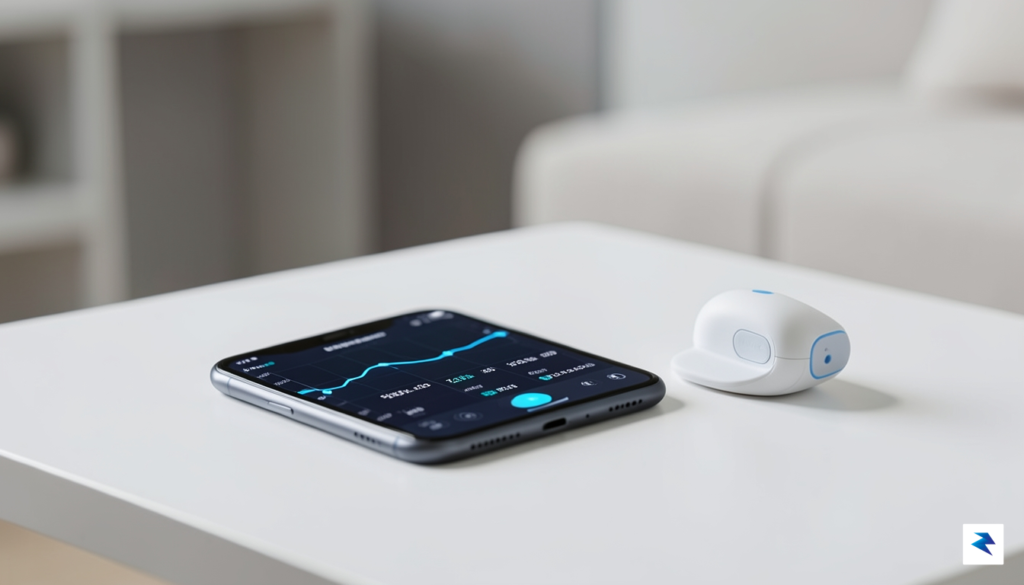
Modern Continuous Glucose Monitors (CGMs) have fundamentally transformed the landscape of pediatric diabetes management, moving away from the painful, intermittent nature of finger-prick testing toward a seamless, digital experience. At the heart of this technology is a tiny, flexible filament inserted just beneath the skin, which continuously measures glucose levels within the interstitial fluid—the thin layer of fluid surrounding the body’s cells. These sensors utilize sophisticated electrochemical reactions to convert glucose concentrations into electrical signals, which are then transmitted via Bluetooth to a paired smartphone or dedicated receiver. By capturing readings every few minutes, these devices provide a comprehensive, 24-hour “map” of a child’s metabolic state, effectively replacing guesswork with precise, actionable data.
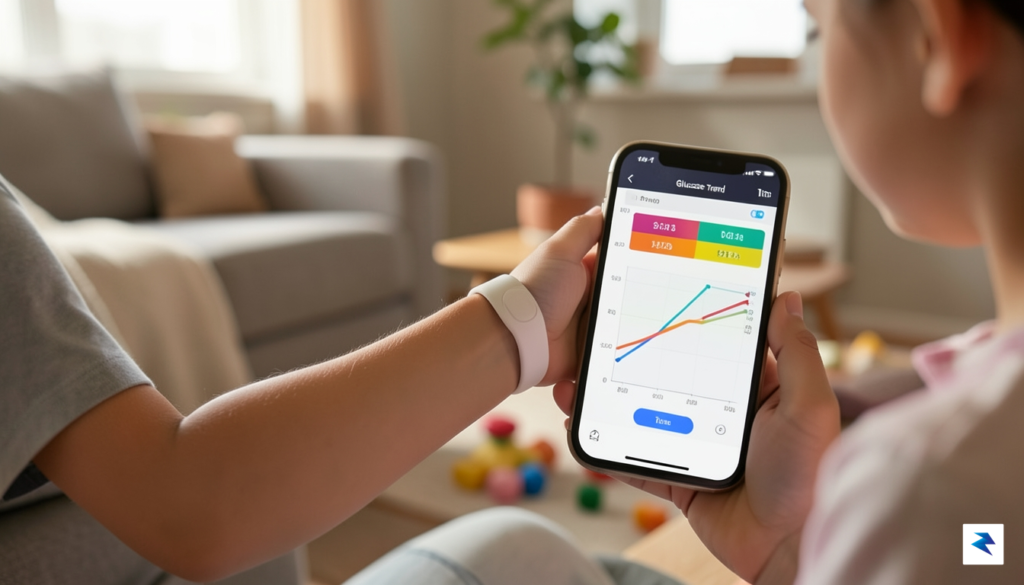
The effectiveness of these systems for younger users relies heavily on intuitive, child-centric software design. Manufacturers have shifted away from sterile, medicalized interfaces in favor of vibrant, gamified dashboards that make health management feel less like a clinical chore. For parents, the mobile applications act as a remote control for their child’s health, offering customizable alerts that flag dangerous highs or lows before they escalate into medical emergencies. For the children themselves, the UI often features simplified progress bars and encouraging visual feedback, which helps demystify the invisible fluctuations of their metabolism and fosters a sense of agency over their own bodies.
By turning raw biological data into intuitive trends, these applications act as a bridge between complex medical metrics and everyday lifestyle choices.
Furthermore, the true power of these apps lies in their ability to visualize the direct correlation between daily activities and glucose response. When a child can look at an app and see a clear line graph illustrating how a specific snack or a period of physical exercise impacted their levels, the abstract concept of blood sugar becomes concrete and understandable. This visual feedback loop is invaluable for learning; it encourages children to make healthier nutritional choices and helps them understand how their body reacts to stress, sleep, and movement. By transforming complex data streams into accessible, visual stories, these digital tools not only improve clinical outcomes but also empower the next generation to manage their health with confidence and clarity.
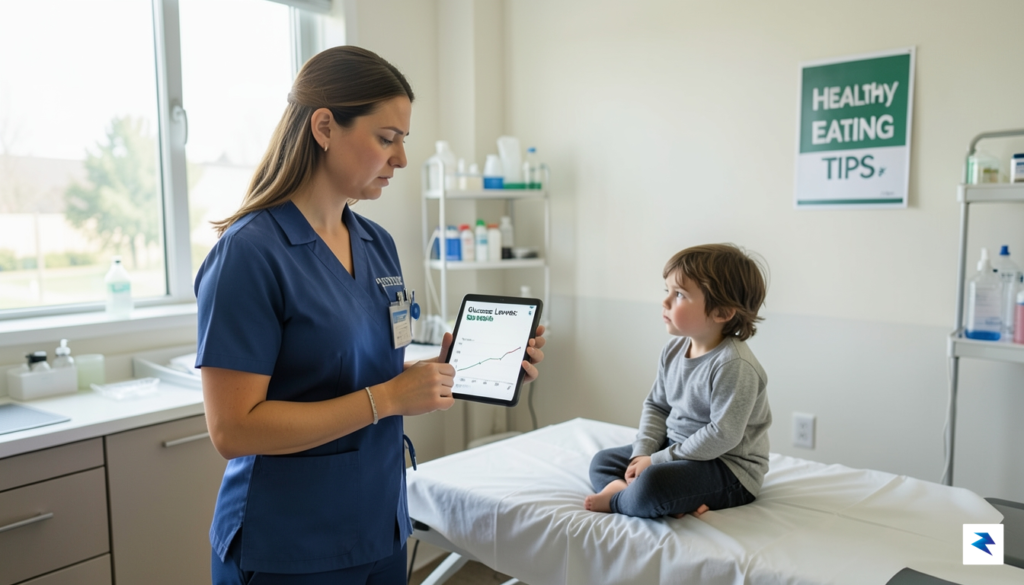
While the ease of monitoring blood glucose levels via a smartphone is a technological marvel, the transition from a controlled home environment to the bustling, unpredictable atmosphere of a classroom introduces significant logistical friction. For many parents, the challenge lies in balancing the benefits of real-time data with the reality of school policies that often restrict the use of personal mobile devices. Effective integration requires more than just a functioning app; it necessitates a collaborative partnership between parents, educators, and healthcare teams to establish clear, actionable protocols. This ensures that the technology serves as a bridge to safety rather than a source of distraction or confusion for school staff.
One of the most delicate aspects of this transition is managing the flow of information without overwhelming the child or their teachers. Parents are naturally inclined to act as the primary monitors, but as children grow, they must also begin to develop their own autonomy. To facilitate this, caregivers can configure tiered alert systems within their monitoring apps. By setting specific glucose thresholds that trigger notifications for the child first, and only escalating to a parent or school nurse if the levels remain outside the target range, the system can foster independence while maintaining a safety net. This approach respects the child’s need for privacy while ensuring that critical health data reaches the right person at the right time.

Schools are often wary of digital health monitoring due to concerns regarding privacy and the potential for device-related disruptions. To mitigate these issues, parents should work proactively with school administrators to create a formal 504 plan or an individualized health plan. This document should clearly outline when and how the child is allowed to check their device, who will receive secondary alerts, and under what specific circumstances a school nurse must intervene. By codifying these procedures, schools can feel confident that they are supporting the student’s medical needs without compromising their classroom management policies.
Success in the classroom depends less on the sophistication of the device and more on the strength of the communication between home and school.
Ultimately, the goal is to create an environment where the technology fades into the background, allowing the child to focus on learning rather than their diagnosis. When teachers are properly trained to understand the data—knowing, for instance, that a specific notification means a snack is needed rather than an emergency—the anxiety surrounding glucose monitoring significantly diminishes. By fostering a culture of transparency and shared responsibility, caregivers can ensure that these smart devices act as silent, effective guardians, empowering children to navigate their school day with both confidence and medical security.

While the transition toward over-the-counter (OTC) continuous glucose monitors (CGMs) marks a monumental leap in medical democratization, the promise of universal access remains tethered to the complexities of the modern insurance landscape. Currently, the regulatory approval of these devices as consumer-grade tools does not automatically trigger mandatory insurance coverage. In many cases, families find themselves in a precarious gray area: while prescription CGMs for children diagnosed with diabetes are often covered under durable medical equipment (DME) benefits, OTC versions intended for proactive health management or non-clinical monitoring frequently fall outside these traditional reimbursement structures. This creates a two-tiered system where families with disposable income can purchase peace of mind, while those reliant on standard health plans are left to shoulder the significant out-of-pocket costs alone.
The financial accessibility gap is perhaps the most significant hurdle in ensuring that this innovation serves all children equitably rather than becoming a luxury health commodity. For lower-income families, the recurring expense of sensors—which must be replaced every 10 to 14 days—is prohibitively expensive, effectively barring them from the preventative benefits these devices provide. If these monitors are to become a standard tool in pediatric health, the discussion must shift from viewing them as elective wellness gadgets to recognizing them as essential instruments for metabolic literacy. Without robust advocacy for insurance parity, we risk exacerbating existing health disparities, where the ability to track and manage blood glucose levels becomes a privilege dictated by one’s socioeconomic status rather than medical necessity.

Employers and healthcare benefits leaders play a pivotal role in bridging this divide by reevaluating how they define “preventative care” within their benefits packages. As the line between clinical medical devices and consumer-facing health tech continues to blur, forward-thinking organizations are beginning to explore flexible spending account (FSA) and health savings account (HSA) integration, or even direct subsidies for digital health tools. By modernizing coverage policies to include OTC glucose tracking, employers can empower parents to detect early warning signs of metabolic shifts, ultimately reducing the long-term burden of chronic conditions. If benefits leaders view these devices as an investment in the long-term health of their employees’ families, the cost of innovation becomes a manageable line item rather than a prohibitive barrier.
The true success of the OTC glucose monitoring revolution will not be measured by the sophistication of the hardware, but by the ability of the average family to integrate it into their daily lives without financial strain.
Ultimately, the path forward requires a collaborative effort between manufacturers, insurers, and policymakers to create a sustainable financial model. This might involve tiered pricing, expanded coverage for high-risk populations, or the standardization of digital health benefits. Until these systemic changes take root, the promise of accessible pediatric glucose monitoring remains partially unfulfilled, serving as a reminder that technological innovation is only as powerful as the infrastructure that supports its delivery to those who need it most.
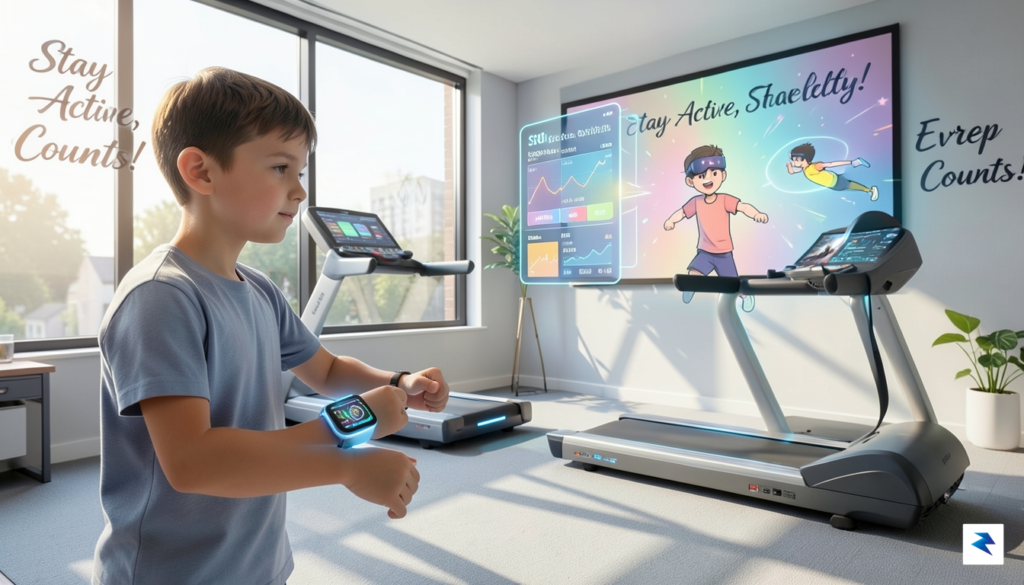
The integration of glucose monitoring into the landscape of pediatric wellness is merely the vanguard of a broader shift toward hyper-personalized medicine. As health technology continues to evolve, we are moving away from reactive, symptom-based care and toward a proactive model where data serves as a roadmap for lifelong vitality. By leveraging these digital insights, parents have the unique opportunity to help their children understand the intricate relationship between the food they consume, their physical activity levels, and their internal metabolic response. When implemented thoughtfully, this process does more than just track numbers; it empowers the next generation to view their bodies as systems that thrive on consistent, informed decision-making.

For parents considering the adoption of over-the-counter glucose monitors, the key to success lies in maintaining a supportive, non-punitive environment. It is essential to remember that these devices provide data points, not moral judgments. When introducing such technology to a child, focus on curiosity rather than restriction. Use the findings as conversation starters: ask how a specific meal made them feel, or explore how a long walk in the park influenced their energy levels later in the day. By framing these monitors as tools for discovery, you can help your child cultivate a healthy relationship with their health, ensuring they develop the autonomy and self-awareness necessary to manage their well-being well into adulthood.
Ultimately, technology should act as a supplement to—not a replacement for—foundational health habits. While sensors and apps offer incredible precision, the core of pediatric development remains rooted in quality sleep, balanced nutrition, and consistent physical movement.
Looking ahead, the future of pediatric health tech promises even more seamless integration into our daily lives, potentially expanding into real-time monitoring of hydration, micronutrient status, and sleep quality. However, it is vital to remain grounded in the reality that data is only as valuable as the actions it inspires. No algorithm or smart device can substitute for the human element: the mentorship provided by parents, the joy of shared physical activities, and the education surrounding sustainable, wholesome eating habits. As you navigate this digital frontier, keep the focus on holistic wellness. Use these new tools to foster a deeper connection between you and your child, ensuring that as their health data becomes more complex, their understanding of their own body becomes increasingly clear and confident.
You must be logged in to post a comment.