
Bose Studios: Can a Hardware Giant Succeed as a Media Company?
The Bose Ambition: Beyond Hardware For decades, Bose has occupied a singular, ironclad position in the consumer consciousness: it is the gold…


In recent years, the landscape of decentralized finance has shifted dramatically, with prediction markets emerging as a dominant force in the digital economy. Platforms like Polymarket have transformed from niche blockchain experiments into global hubs where users can bet on the outcomes of political elections, sports matches, and social events. By leveraging smart contracts to facilitate peer-to-peer wagering, these platforms offer a transparent, decentralized alternative to traditional bookmakers. As these markets have gained mainstream traction, they have become essential tools for those looking to quantify public sentiment, effectively turning real-world events into high-stakes financial instruments.
To sustain this meteoric growth, prediction markets have aggressively turned to the creator economy as their primary engine for user acquisition. Because the mechanics of blockchain-based betting can be intimidating for the average internet user, companies often recruit influencers to bridge the gap between complex technical infrastructure and mass-market accessibility. These creators serve as vital translators, simplifying the user experience and framing financial speculation as an engaging, high-stakes game. By tapping into the established trust and parasocial relationships that influencers have cultivated with their audiences, platforms can rapidly scale their user base in a way that traditional, more cautious advertising channels rarely achieve.

However, this reliance on influencer marketing introduces a precarious tension between aggressive growth and the maintenance of authentic user trust. While a well-placed endorsement can introduce thousands of new participants to a platform, it also creates an environment where the line between genuine sentiment and paid promotion becomes dangerously blurred. When influencers are incentivized to produce content that highlights winning streaks or “insider” predictions, they may inadvertently—or intentionally—misrepresent the reality of the risks involved. This creates a feedback loop where the pursuit of virality takes precedence over transparency, potentially leading participants to view these speculative markets as guaranteed profit machines rather than volatile, high-risk environments.
The core challenge for any financial platform operating in the spotlight of social media is balancing rapid expansion with the ethical imperative to provide clear, honest information to retail users.
Ultimately, the strategy of utilizing influencers to drive traffic is a double-edged sword. While it provides the necessary visibility for a platform to thrive in a crowded market, it also exposes the organization to significant reputational blowback when the marketing tactics cross the threshold into deception. As regulatory scrutiny over crypto-native platforms intensifies, the industry is being forced to reckon with the consequences of its promotional strategies. Moving forward, the survival of these prediction markets will likely depend not just on their technical ingenuity, but on their ability to foster a culture of accountability that survives even when the hype cycle inevitably subsides.

The recent revelations surrounding Polymarket’s promotional strategies suggest a calculated effort to manipulate public perception through the orchestration of fabricated success stories. According to investigative reports, the platform allegedly incentivized a network of content creators to produce and disseminate videos that showcased lucrative, high-stakes betting wins. However, these featured trades were reportedly not authentic market outcomes, but rather carefully curated illusions designed to mimic the appearance of extraordinary profitability. By leveraging the reach of influential social media personalities, the company seemingly sought to manufacture a sense of viral momentum and organic growth, effectively blurring the lines between legitimate marketing and deceptive financial storytelling.

The core of the controversy lies in the narrative of the “fake bet,” a strategy that weaponized the aspirational nature of the gambling and prediction market sectors. These influencers presented their purported winnings as evidence of the platform’s high volatility and massive profit potential, thereby enticing followers to participate under the assumption that such results were easily attainable. By presenting these staged scenarios as genuine trading activity, the creators manipulated the audience’s understanding of risk. Potential users were led to believe that the platform offered a lucrative pathway to wealth, when in reality, the showcased “success” was merely a scripted performance designed to generate engagement and drive new user acquisitions.
The integration of deceptive promotional tactics into the influencer marketing ecosystem poses a significant threat to financial literacy, as it exploits the trust followers place in their favorite content creators to push products that may not align with the reality of market mechanics.
Distinguishing between standard promotional stunts and fundamentally misleading practices is critical for maintaining market integrity. While traditional marketing often involves highlighting the best possible outcomes or using testimonials to showcase a brand’s value proposition, the alleged actions taken by Polymarket represent a departure into unethical territory. There is a profound difference between a platform highlighting a legitimate, high-performing user and one that commissions actors to fabricate transactions. When the promotional content itself is built upon a falsehood, the platform ceases to provide a service and instead begins to peddle a curated fantasy. This practice not only misleads individual participants regarding their own financial prospects but also undermines the overall credibility of prediction markets, which rely on the premise of transparent and data-driven outcomes.
Ultimately, these allegations force a wider conversation about the responsibility of fintech platforms to police the marketing channels they fund. When influencers are compensated to create content that misrepresents the risk-reward profiles inherent in betting, the resulting financial harm to users can be substantial. As regulators continue to scrutinize the intersection of social media influence and financial services, the industry will need to grapple with these findings. The push for more rigorous oversight is growing, as observers demand that platforms prioritize transparency over manufactured hype to ensure that users are making decisions based on reality rather than scripted digital illusions.
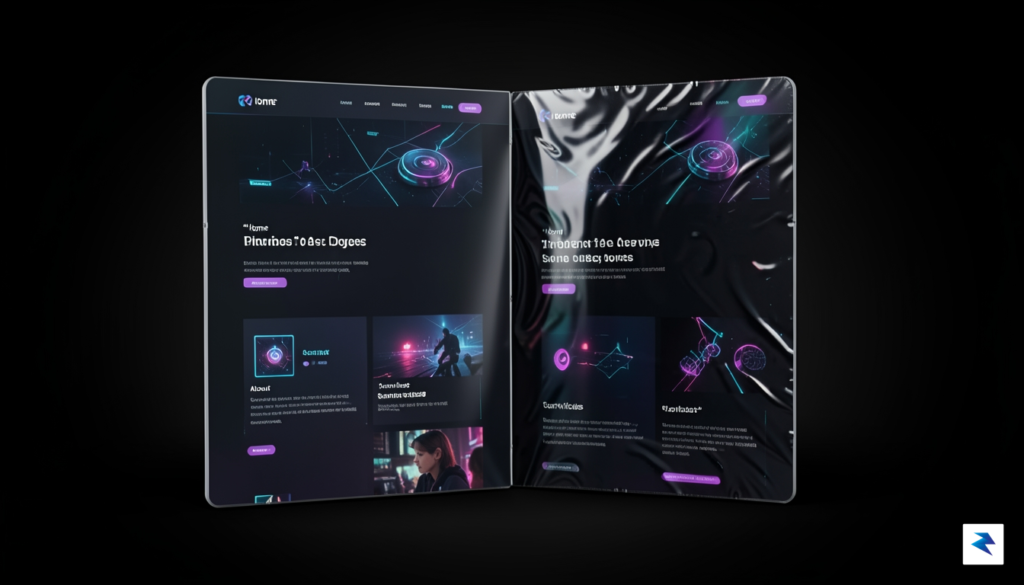
The alleged deception hinged on a sophisticated technical maneuver: the creation and deployment of near-perfect replicas of the Polymarket website interface. These weren’t mere screenshots or static images; rather, they were interactive, front-end clones meticulously engineered to mimic the real platform’s user experience. Influencers reportedly ran these simulations locally on their computers, often using custom HTML, CSS, and JavaScript files that replicated the authentic website’s visual design, layout, and interactive elements. This allowed them to navigate through markets, seemingly place bets, and display fabricated outcomes in real-time within their videos, all without ever touching the actual Polymarket platform or risking a single real dollar.
The effectiveness of these website clones stemmed from their high fidelity and interactive nature. Viewers weren’t just shown a static image of a winning bet; they witnessed a seemingly live demonstration where an influencer would click around, select an outcome, and then, after a brief, simulated wait, the bet would resolve in their favor. This dynamic presentation was incredibly convincing, as it replicated the actual user journey on Polymarket, down to the animations, loading states, and notification pop-ups. Such a level of detail made it exceedingly difficult for an average viewer to discern that they were observing a carefully orchestrated simulation rather than genuine interaction with the live prediction market.
Using simulated environments to promote real-money financial products carries profound risks and ethical implications. When a demonstration implies guaranteed success or unrealistically high returns within a controlled, fake environment, it fundamentally misrepresents the true nature and inherent volatility of the actual financial product. This technical blurring of lines can mislead potential users into believing that the ease and success demonstrated in the video are easily replicable on the live platform, ignoring the very real risks of capital loss. The deliberate creation of such a deceptive parallel universe undermines trust and can lead to uninformed financial decisions by individuals enticed by the fabricated promise of effortless gains.
The psychological impact of witnessing these ‘guaranteed’ winning outcomes cannot be overstated. Humans are naturally drawn to patterns of success, and seeing an influencer consistently win large sums on seemingly simple bets triggers powerful cognitive biases, such as the illusion of control and the allure of easy money. This cultivates a strong sense of FOMO (Fear Of Missing Out) among viewers, making them believe that similar “sure bets” are readily available on the real platform. The repeated visual reinforcement of positive, risk-free outcomes creates a dangerous mental shortcut, bypassing critical analysis and encouraging impulsive engagement with the actual financial product, often with unrealistic expectations and a diminished appreciation for the real-world financial risks involved.

The recent revelations surrounding incentivized content creation have thrust the platform into an uncomfortable spotlight, raising profound questions about the ethical boundaries of decentralized finance marketing. When a platform compensates influencers to portray fake or staged betting activity as genuine financial strategy, it effectively bridges the gap between creative marketing and predatory deception. This practice risks misleading retail users who, lacking the sophisticated tools to verify on-chain data, may interpret these fabricated narratives as authentic market sentiment or high-conviction signals. By prioritizing viral growth and superficial engagement over the integrity of the user experience, the platform has inadvertently compromised the very transparency that decentralized prediction markets are ostensibly designed to uphold.
Consequently, this strategy has invited heightened scrutiny from regulatory bodies that are already wary of the crypto-betting landscape. Financial authorities typically operate with strict guidelines regarding the promotion of speculative assets, and the deliberate manufacturing of social proof falls squarely into a category of behavior that regulators are eager to curb. If oversight committees determine that these campaigns were designed to manipulate market participation, the platform could face significant legal repercussions, including heavy fines or mandates that restrict its operational autonomy. This shift from a “move fast and break things” ethos to a more defensive regulatory posture could stifle the platform’s ability to innovate, as it may be forced to implement burdensome compliance protocols to satisfy international financial watchdogs.

The erosion of trust is often a permanent injury to a digital platform; once a user suspects that the house is rigging the social narrative, the transition from curiosity to skepticism is rarely reversed.
Beyond the legal threats, the most enduring damage may be the degradation of the platform’s credibility among its core user base. Long-term success in prediction markets depends entirely on the perception that the platform serves as a neutral, accurate oracle for future events. When participants realize that the “betting culture” they observe is being artificially inflated by paid actors, they naturally begin to question the validity of the market odds themselves. This decline in user trust can lead to a mass exodus of liquidity providers and serious analysts, who are essential for maintaining the market’s predictive power. Moving forward, the platform will need to demonstrate a radical commitment to transparency and strictly govern influencer conduct if it hopes to convince the public that it is a legitimate financial tool rather than a house of mirrors built on deceptive marketing tactics.

The recent revelations regarding compensated promotional content serve as a sobering wake-up call for the broader prediction market sector. As these platforms bridge the gap between speculative finance and mainstream social media, the temptation to use aggressive marketing tactics often clashes with the fundamental necessity of market integrity. For decentralized betting to evolve from a niche speculative tool into a trusted infrastructure for forecasting, platforms must pivot away from opaque influencer partnerships toward a model rooted in radical transparency. This transition requires a fundamental shift in how promotional activity is audited, managed, and disclosed to the public.
To restore confidence, prediction markets should mandate that all influencer-led promotional content be tied directly to verifiable on-chain evidence. Rather than allowing creators to post screenshots of potential bets or fabricated winning streaks, platforms can implement integrated widgets that pull live, immutable data directly from the blockchain. By forcing promotional posts to display a cryptographically signed link to the actual transaction, users can instantly verify whether an influencer has truly staked capital on an outcome. This technical guardrail eliminates the ambiguity of sponsored content and ensures that marketing efforts are tethered to the same transparent ledger that powers the underlying betting mechanism.

Furthermore, platforms must move toward strict, standardized disclosure requirements that go beyond simple “ad” tags. Accountability in this space should involve clear documentation of compensation arrangements, ensuring that users understand when a prediction is being touted for financial gain versus genuine analysis. Establishing industry-wide best practices for influencer oversight is not merely a regulatory precaution; it is a prerequisite for long-term sustainability. If platforms continue to prioritize viral growth through deceptive marketing, they risk alienating the very user base that provides the liquidity and intelligence necessary for these markets to function effectively.
True market integrity is defined by the ability of participants to distinguish between genuine risk-taking and performative marketing.
Ultimately, the future of decentralized betting rests on the ability of these platforms to align their marketing strategies with their core value proposition: the pursuit of objective truth. When prediction markets rely on fabricated narratives, they undermine the democratic intelligence that makes them valuable in the first place. By adopting rigorous verification standards and prioritizing honest engagement, the industry can shed its reputation for volatility and deception. Moving forward, the most successful platforms will be those that view transparency not as a bureaucratic burden, but as a competitive advantage that fosters a more informed and reliable betting ecosystem.
You must be logged in to post a comment.