
Why Stainless Steel Skillets Are the Last Pans You’ll Ever Need to Buy
Why Stainless Steel Remains the Gold Standard for Home Chefs Walk into any professional kitchen, from a Michelin-starred restaurant to a…
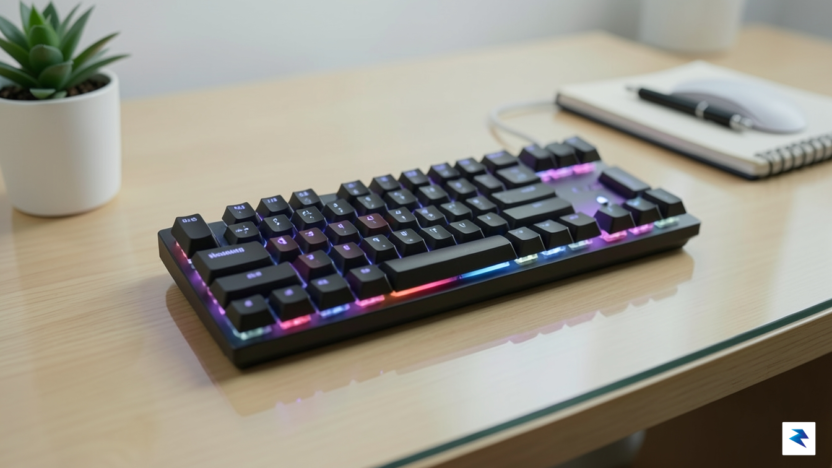
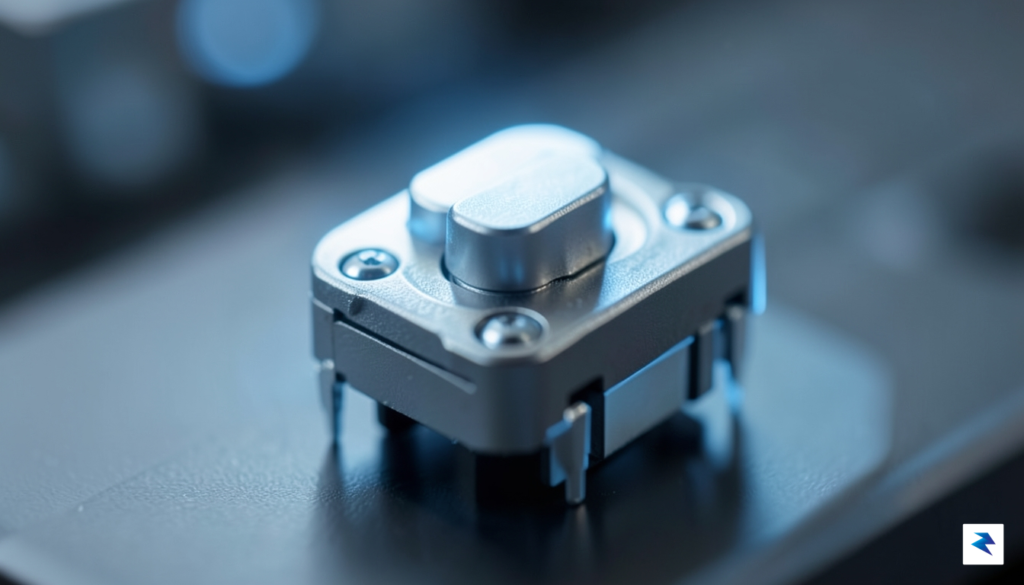
For decades, the mechanical keyboard market has been defined by the tactile click or linear slide of physical metal contacts. While these traditional switches served their purpose, they are fundamentally limited by the friction and degradation inherent in mechanical interaction. Hall Effect technology marks a paradigm shift by replacing those physical metal leaves with a sophisticated magnetic sensor system. Beneath every keycap on the Wooting 60HE v2 lies a magnet and a sensor that detects the intensity of the magnetic field as you depress the switch. Because the mechanism never actually makes physical contact to register a keystroke, the switch avoids the friction, “chatter,” and eventual metal fatigue that plague standard mechanical alternatives.
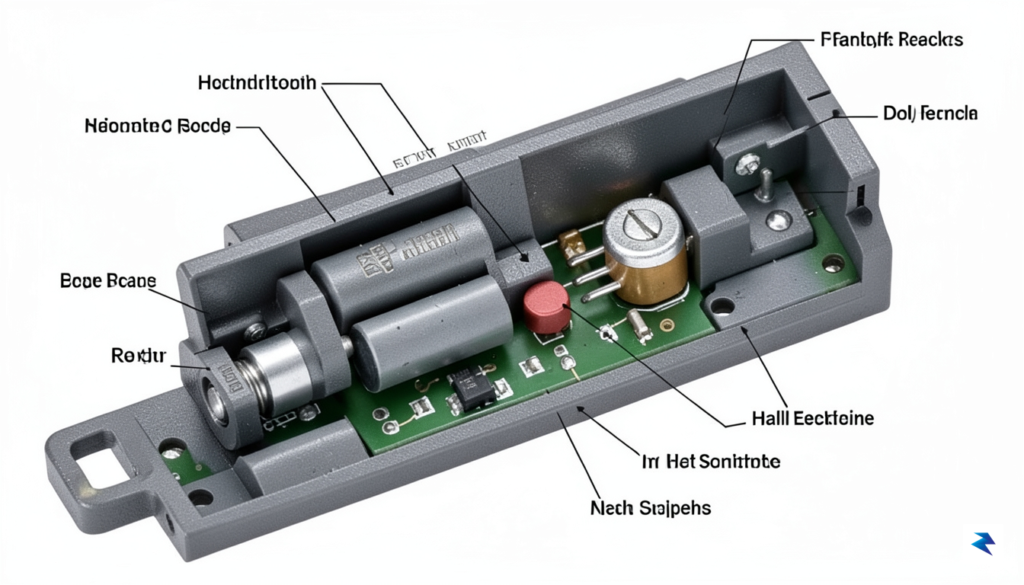
The primary advantage of this magnetic approach is unparalleled durability and consistency. In a traditional mechanical switch, the gold-plated contact points inevitably oxidize or wear down over millions of presses, leading to inconsistent actuation points or the dreaded double-input registration. Conversely, Hall Effect sensors are contactless, meaning the internal components suffer almost zero physical wear over their lifetime. This longevity ensures that your keyboard feels just as crisp and responsive on its ten-millionth press as it did the day you unboxed it. Furthermore, the absence of physical contact allows for a near-frictionless travel path, resulting in a buttery smooth keystroke that feels significantly more premium than traditional hardware.
The core strength of the Hall Effect sensor is its ability to measure distance rather than just a binary “on” or “off” state, effectively turning every key into a sophisticated analog controller.
Beyond simple durability, the “analog advantage” provided by Hall Effect sensors is what truly sets the 60HE v2 apart in the competitive gaming sphere. Because the sensor tracks the exact position of the magnet throughout the entire descent of the key, the keyboard can define custom actuation points on a per-key basis. You can set a hair-trigger actuation for rapid-fire movement in a shooter or a deeper press for intentional inputs in a simulation game. This granular level of control is impossible with traditional switches, which are locked into a single, factory-set actuation point. By leveraging this magnetic data, the Wooting 60HE v2 unlocks advanced features like Rapid Trigger, allowing the switch to reset the moment you begin to lift your finger, rather than waiting for the key to travel back to a fixed reset point. It is this marriage of high-fidelity sensor data and customizable firmware that transforms the keyboard from a simple peripheral into a high-performance input tool.
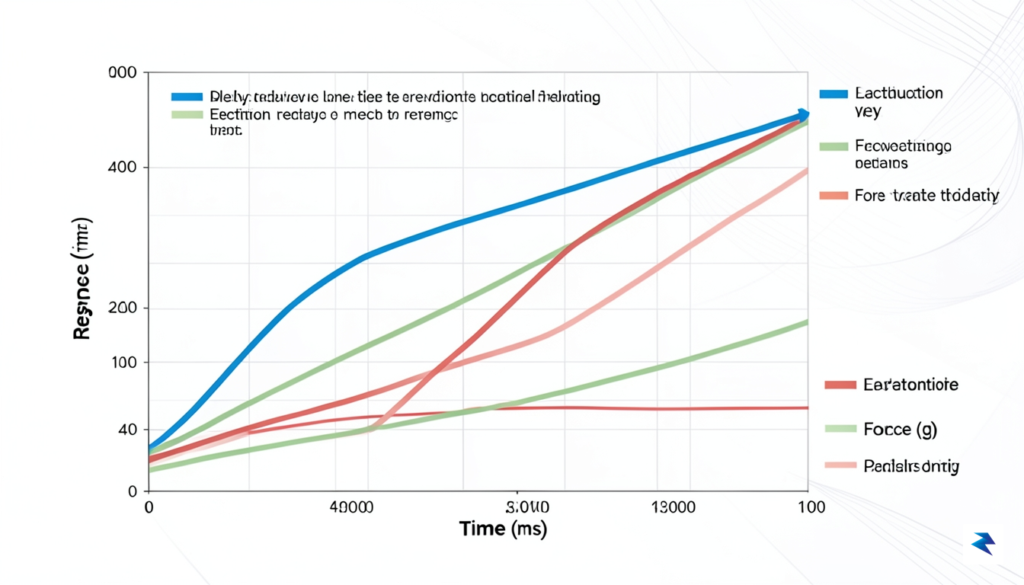
At the core of the Wooting 60HE v2 lies a fundamental departure from the rigid limitations of traditional mechanical switches. While standard keyboards rely on a fixed physical point to register a keypress, the 60HE v2 utilizes Hall Effect magnetic switches that measure the exact distance the key travels. This allows for fully adjustable actuation points, meaning you can decide exactly how deep your finger needs to press before an action registers. By setting a shallow actuation point—as low as 0.1mm—you effectively reduce the distance your finger must travel, enabling lightning-fast inputs that grant you a critical head start in high-stakes encounters.
The true revolution, however, is Rapid Trigger technology. In a traditional mechanical keyboard, a key must travel back up past a specific reset point before it can be pressed again. This creates a mandatory “dead zone” that slows down repetitive movements like strafing or tapping. Rapid Trigger completely eliminates this reset point; the moment your finger starts to lift, the switch registers the release and is immediately ready to fire again. This dynamic reset behavior ensures that your inputs are always in perfect sync with your physical intentions, removing the mechanical lag that often plagues competitive FPS players.
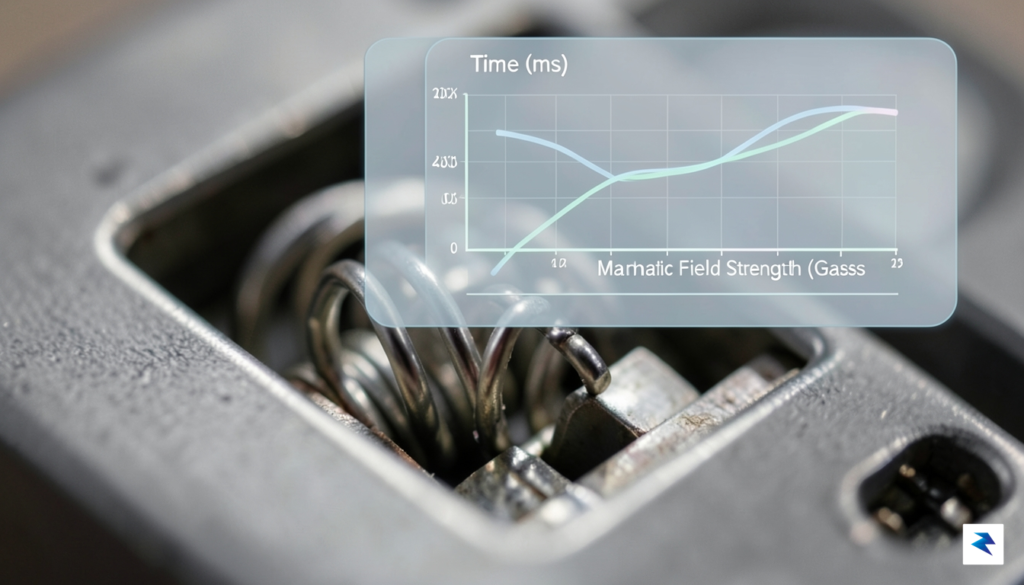
When playing fast-paced tactical shooters, the difference between these technologies and standard hardware is measured in precious milliseconds. For instance, in games like Valorant or Counter-Strike 2, counter-strafing requires precise, rhythmic timing to stop your character’s movement exactly when you peek a corner. With Rapid Trigger, your ability to initiate and stop movement becomes near-instantaneous, allowing for tighter movement patterns and more responsive aim adjustments. You no longer have to worry about the “floaty” feeling of a switch that hasn’t fully reset; instead, you get a crisp, responsive connection that mirrors your reflexes.
The integration of Rapid Trigger isn’t just about speed; it’s about eliminating the mechanical friction between the player and the game engine, providing a tactile consistency that remains uniform regardless of how aggressively you play.
Beyond the raw speed, the ability to customize these settings via the Wootility software allows for a tailored gaming experience that adapts to your specific playstyle. You might configure your movement keys (WASD) with an ultra-sensitive Rapid Trigger for maximum responsiveness, while keeping your utility or secondary keys at a slightly deeper actuation to prevent accidental misfires. This level of granular control transforms the keyboard from a static peripheral into a precision instrument, ensuring that every command is executed with surgical accuracy. In an environment where the margin for error is razor-thin, these advancements provide a tangible, measurable competitive edge that simply cannot be replicated by traditional switch designs.
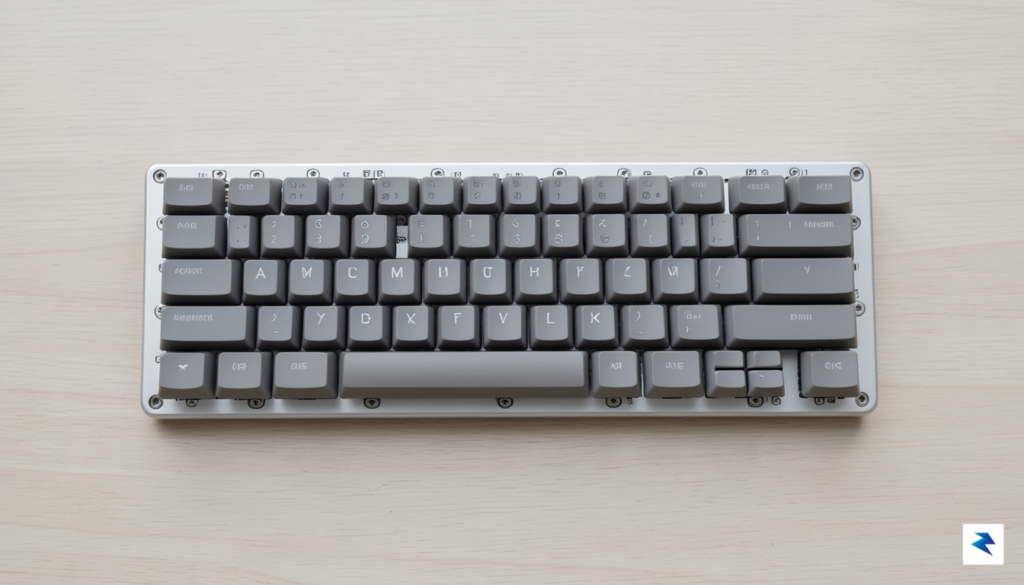
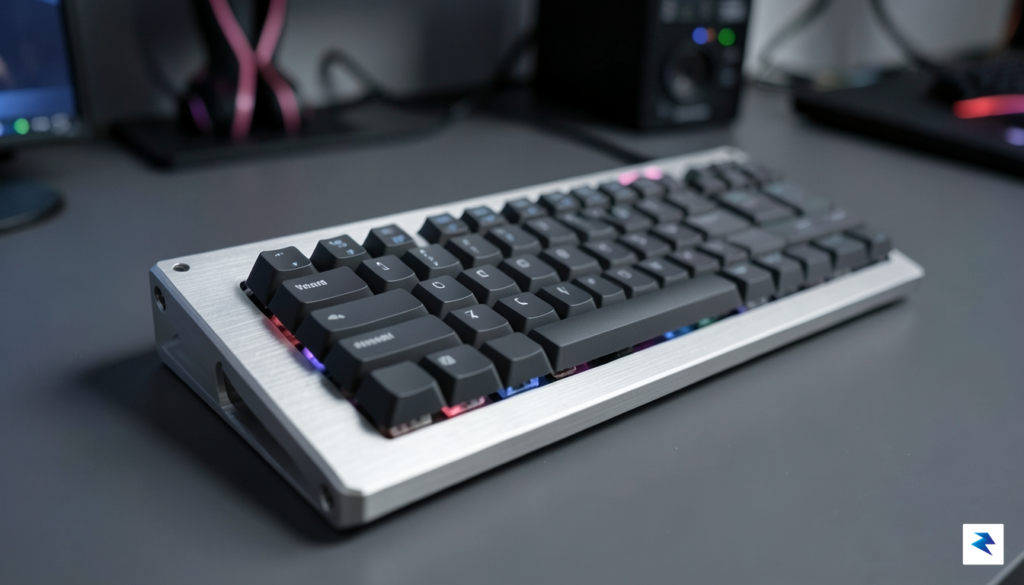
The physical construction of the Wooting 60HE v2 transcends the typical “gamer-centric” aesthetic, opting instead for a refined, utilitarian approach that prioritizes longevity. While many mass-produced gaming keyboards rely on thin, creaky plastic shells that flex under pressure, the 60HE v2 features a robust internal frame that provides a satisfying, solid typing experience. This structural integrity is essential for high-speed gaming, as it ensures that every keystroke feels consistent and stable, regardless of how aggressively you hammer your keys during an intense match. The choice of a 60% form factor is not just about saving desk space; it is a deliberate design decision that eliminates extraneous keys to bring your mouse closer to your hands, effectively reducing shoulder strain and improving ergonomic comfort during long sessions.
Beyond the stock chassis, the true genius of the 60HE v2 lies in its adherence to universal mounting standards. Because the internal PCB follows the traditional 60% layout footprint, users are not confined to the default housing provided by Wooting. Enthusiasts can easily transplant the board into a wide variety of aftermarket cases, ranging from heavy-duty brass and aluminum frames to unique acrylic or wooden designs. This modularity transforms the keyboard from a static peripheral into a customizable canvas, allowing you to tune the acoustics, weight, and overall aesthetic to perfectly match your desk setup.
The true value of the 60HE v2 is found in its longevity; by decoupling the advanced Hall Effect sensor technology from a fixed, proprietary chassis, Wooting has created a platform that can evolve alongside your personal tastes.
This level of compatibility is what separates the 60HE v2 from disposable, proprietary hardware. When you invest in this keyboard, you are acquiring a core piece of technology that can be upgraded, modified, and repaired over time rather than being discarded when a new model is released. Whether you decide to swap the stock keycaps for a premium PBT set, experiment with different case materials to dampen the sound profile, or simply enjoy the compact, minimalist footprint, the board adapts to your needs. This future-proof philosophy ensures that your keyboard remains relevant and high-performing for years, providing a level of enthusiast-grade value that is rarely seen in the gaming peripheral market today.
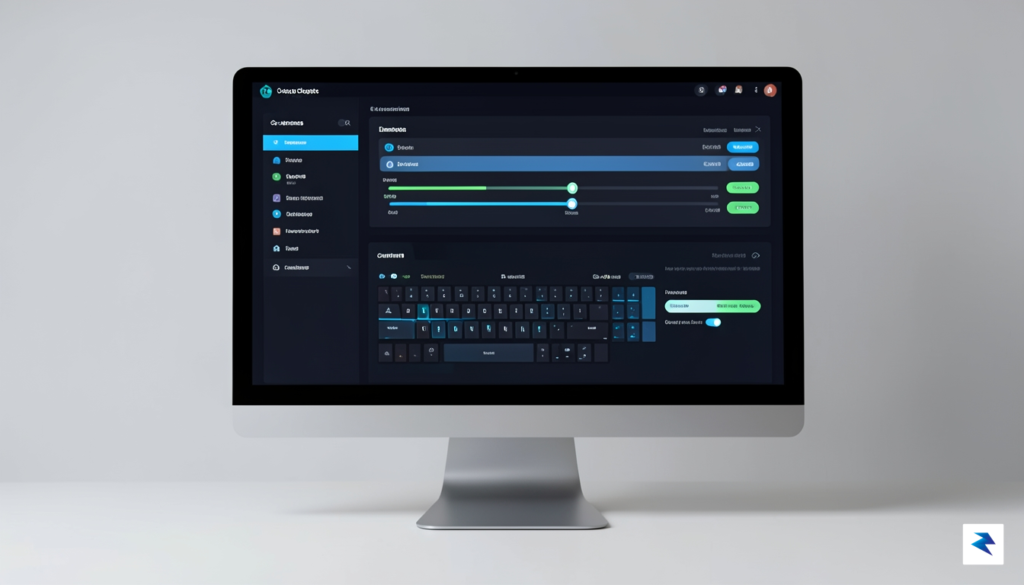
In an era where most peripheral manufacturers force users to install bloated, resource-heavy software suites that demand persistent background processes and mandatory account registrations, Wootility stands as a breath of fresh air. The philosophy behind Wooting’s approach is refreshingly transparent: your keyboard is a tool for performance, and the software should exist solely to facilitate that tuning without becoming a hindrance to your system’s resources. By keeping the interface clean and entirely optional for daily operation, Wootility treats the user as an owner rather than a data point, prioritizing local control and immediate hardware responsiveness.
One of the most significant advantages of this software is its hybrid cloud-and-local functionality. While you can save your configurations to the cloud for easy backup and synchronization across multiple devices, the keyboard itself stores your settings directly on its onboard memory. This means that once you have meticulously dialed in your Rapid Trigger sensitivity or your custom actuation points, those settings travel with the hardware. You can plug your keyboard into any machine—be it a tournament PC or a laptop—without needing to install any software whatsoever. Everything functions exactly as you configured it, ensuring a consistent competitive edge regardless of the environment.
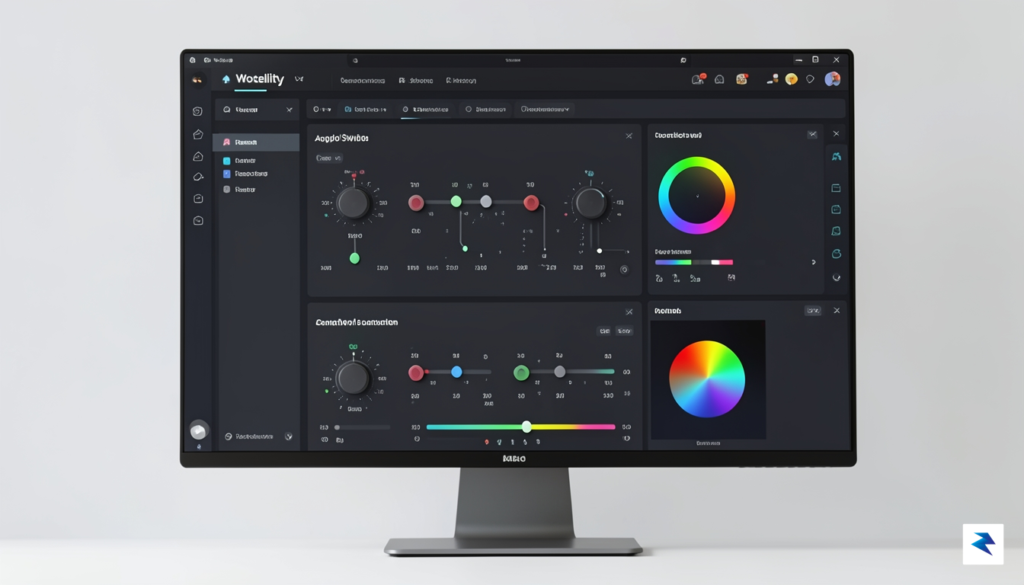
Managing the keyboard’s advanced analog features is remarkably intuitive, turning what could be a complex technical chore into a seamless experience. The interface provides a clear visual representation of every key’s actuation path, allowing you to drag and drop sensitivity curves with surgical precision. Whether you are adjusting the Rapid Trigger settings to achieve near-instant reset times for high-level movement in competitive shooters or mapping dual-stage actions—where a light press performs one command and a full press performs another—the software makes the process feel effortless. This level of granular control is usually reserved for enthusiast-grade custom firmware, yet here it is presented in a layout that feels accessible to anyone, regardless of their technical background.
The true power of the Wooting 60HE v2 lies in the fact that the hardware’s potential is fully unlocked by software that respects your system’s integrity and your time.
Beyond the analog capabilities, the macro management and profile switching features are robust enough to satisfy power users without overwhelming the casual player. You can create distinct profiles for different genres—such as a snappy, reactive profile for FPS titles and a more complex, macro-heavy configuration for productivity or MMOs—and toggle between them with a simple key combination. Because there is no forced sign-in or intrusive telemetry, the application remains lightweight, consuming virtually zero CPU or memory while you play. In a market saturated with “gaming” software that often causes more headaches than it solves, Wootility sets the gold standard for what peripheral management should be: unobtrusive, powerful, and entirely focused on the user’s experience.
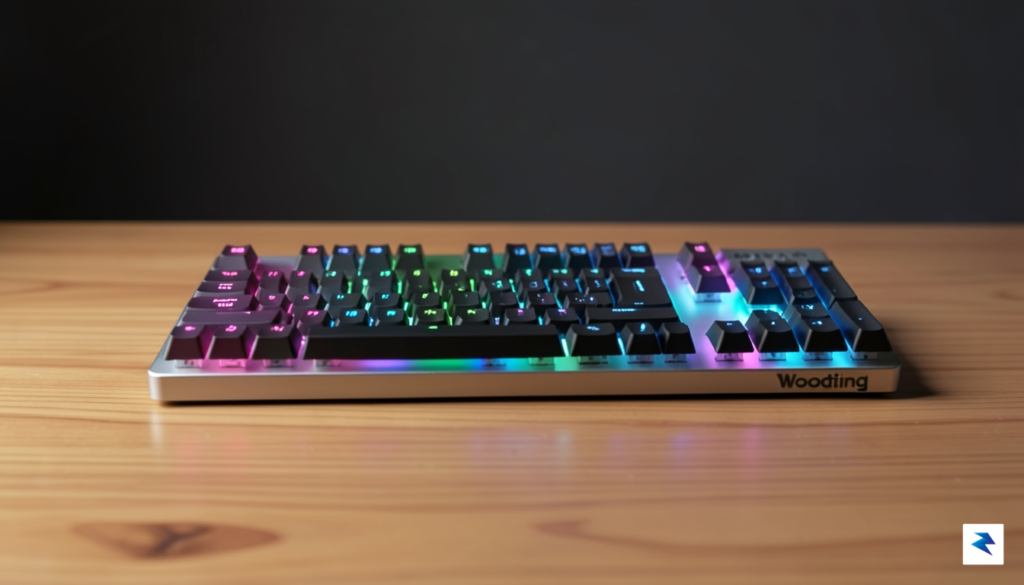
When evaluating the current landscape of gaming peripherals, it becomes clear that the 60HE v2 is not merely an iterative update; it acts as a definitive proof of concept for the future of input hardware. By successfully bridging the gap between the tactile, premium experience of enthusiast-grade custom mechanical keyboards and the raw, low-latency performance required by esports professionals, Wooting has effectively shifted the goalposts for the entire industry. Unlike traditional mechanical boards that rely on archaic binary switches, the 60HE v2 utilizes Hall Effect technology to provide granular, analog control that feels both intuitive and revolutionary. It is a rare device that satisfies both the hobbyist’s desire for build quality and the competitive gamer’s obsession with millisecond-level responsiveness.
The value proposition here extends far beyond the initial purchase, as Wooting has prioritized a software-first approach that keeps the hardware feeling fresh long after it leaves the box. While traditional gaming keyboards often suffer from proprietary software bloat and planned obsolescence, the 60HE v2 thrives on constant firmware updates and community-driven innovation. Users who are accustomed to simple “plug-and-play” mechanical boards might find the initial learning curve associated with Rapid Trigger and adjustable actuation points slightly daunting, but the investment in learning these features pays massive dividends in gameplay consistency. Once a player masters the ability to tune their switches to specific game genres—short actuation for twitch shooters or deeper travel for typing precision—returning to a static mechanical switch feels like moving backward in time.
The true genius of the 60HE v2 lies in its modularity and forward-thinking architecture, ensuring that it remains the centerpiece of a gaming setup for years rather than months.
Compared to the incumbent giants of the peripheral space, the 60HE v2 stands out because it does not compromise on build integrity to achieve its performance metrics. Many high-speed gaming keyboards are constructed with hollow plastic shells and rattly stabilizers, yet Wooting has embraced a standard 60% form factor that allows for easy case swaps and customization. This modularity is a critical factor for longevity; should a user decide they want a heavier aluminum chassis or a different sound profile, the internal PCB remains a top-tier performer that can be transplanted into almost any aftermarket case. In an era where tech is too often treated as disposable, the 60HE v2 represents a commitment to sustainability and long-term user satisfaction, solidifying its place as the current gold standard for competitive gaming input.
You must be logged in to post a comment.