
Why Airfare Prices Aren’t Dropping Despite the U.S.-Iran Deal
Introduction: The Illusion of Cheap Post-Conflict Travel When news of a diplomatic breakthrough between the United States and Iran first…

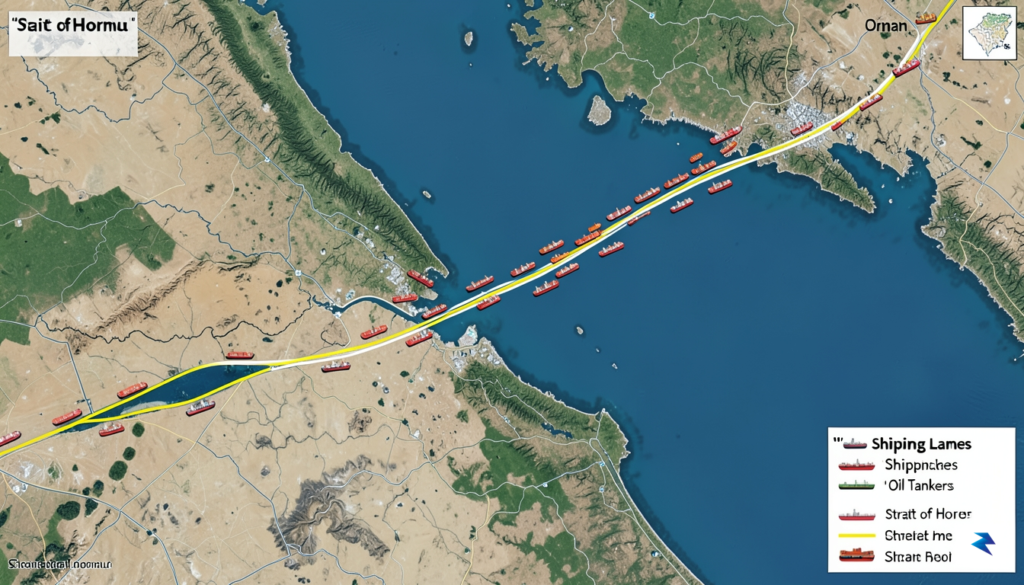
Often referred to as the world’s most vital maritime artery, the Strait of Hormuz is a narrow passage connecting the Persian Gulf with the Gulf of Oman and the Arabian Sea. It serves as the primary gateway for oil exports originating from major producers like Saudi Arabia, Iraq, the United Arab Emirates, and Kuwait. Given that nearly one-third of the world’s seaborne oil trade passes through this narrow corridor daily, any disruption—whether physical or geopolitical—sends shockwaves through the global energy market. Because the global economy relies on the constant, uninterrupted flow of crude oil, the stability of this specific geographic point is fundamentally inseparable from the price consumers pay at the local pump.
For decades, energy analysts have accounted for a persistent risk premium that is baked into the price of oil whenever tensions rise in the Middle East. This premium is essentially a financial buffer that reflects the market’s fear that transit through the Strait could be compromised, blocked, or subjected to military conflict. When diplomatic relations between major stakeholders and Iran deteriorate, traders often preemptively bid up the price of oil, anticipating that potential supply constraints will limit availability in the future. Unfortunately, this speculative behavior is rarely contained to the trading floor; it manifests rapidly in American gas stations, where prices often climb in anticipation of supply shortages long before a single tanker is actually delayed.
The geopolitical sensitivity of the Strait of Hormuz means that even a minor diplomatic thaw can have a more immediate impact on consumer costs than months of domestic production increases.
Understanding this dynamic is essential to grasping why the recent diplomatic breakthrough between the United States and Iran has contributed to a noticeable dip in fuel prices. By easing the prevailing climate of uncertainty surrounding the passage, the agreement effectively lowers the risk premium that has artificially propped up oil prices for years. When market participants perceive a reduced likelihood of military posturing or maritime interference, the speculative surge in oil prices dissipates. This creates a more stable trading environment where supply and demand fundamentals—rather than fear of conflict—take center stage. Consequently, as the threat of a closure at this vital chokepoint recedes, the ripple effect reaches the American motorist, providing a tangible sense of relief at the pump as the market recalibrates to a less volatile reality.


The recent diplomatic breakthrough between Washington and Tehran represents a fundamental departure from the cycles of friction that have characterized U.S.-Iran relations for over a decade. At the core of this agreement is a concrete, verifiable roadmap designed to stabilize maritime security in the Persian Gulf and the Strait of Hormuz—a vital artery through which a significant portion of the world’s oil supply flows daily. By establishing clear protocols for naval conduct and reducing the frequency of provocative encounters, the two nations have moved away from the brink of direct military confrontation. This shift toward institutionalized communication, rather than reactionary posturing, serves as a critical buffer that protects global energy infrastructure from the volatility of regional skirmishes.
For energy market analysts, this development is being interpreted as a genuine de-escalation rather than a mere temporary truce. The distinction lies in the nature of the commitments made: unlike previous arrangements that relied heavily on mutual goodwill, this framework incorporates transparency measures that allow international observers to verify the stability of maritime transit routes. When the threat of seizures or regional blockades is systematically mitigated, the “risk premium”—the extra cost baked into the price of a barrel of oil to account for potential war or disruption—naturally begins to dissipate. Consequently, the global market is responding to a newfound sense of predictability, allowing supply chains to function without the constant shadow of geopolitical interference.
The stability of the Strait of Hormuz is not merely a regional concern but a global necessity; by securing this passage through sustained diplomacy, the international community creates the breathing room required for energy markets to normalize.
This move toward sustained stability has ripple effects that extend far beyond the immediate diplomatic sphere. By fostering a more predictable environment, the agreement incentivizes energy producers to maintain consistent export levels without the fear that their shipments will be caught in the crossfire of political disputes. As the immediate panic over supply-chain disruptions wanes, the underlying strength of global oil reserves is allowed to exert downward pressure on prices, providing the relief that consumers are currently seeing at the pump. Ultimately, this agreement signals that both parties recognize the immense economic cost of perpetual instability, choosing instead to prioritize a framework that favors long-term market functionality over short-term strategic posturing.


At its core, the global oil market operates on a delicate balance of supply and demand, but it is equally driven by the psychological comfort of predictability. When geopolitical tensions simmer, traders often bake a “geopolitical risk premium” into the price of every barrel of crude. This premium acts as a form of insurance, accounting for the possibility that vital shipping lanes—such as the narrow, high-stakes Strait of Hormuz—could be closed or disrupted by conflict. By reaching an agreement with Iran, the U.S. has effectively removed a significant layer of this uncertainty, causing those risk premiums to evaporate almost as quickly as they were priced in. When market participants no longer feel compelled to hedge against a sudden supply shock, the speculative pressure that drives prices upward begins to subside, allowing the market to recalibrate based on actual fundamental supply.
The mechanics of oil futures markets are particularly sensitive to these shifts in international relations. Futures traders do not just look at how much oil is currently pumping; they look at what might happen in the coming weeks and months. When the threat of military intervention or tanker blockades vanishes, the cost of maritime insurance—a major, often overlooked component of oil logistics—drops significantly. Tanker operators, who previously had to factor in astronomical insurance premiums for traversing potentially hostile waters, can now operate with lower overhead costs. This reduction in the cost of moving crude from the Persian Gulf to international refineries is passed down the line, eventually resulting in cheaper feedstock for those refineries.
The stabilization of global supply chains is not just a diplomatic victory; it is a direct contributor to the cooling of inflationary pressures at the local pump.
The ripple effect from these global crude prices to the domestic gasoline market is both direct and inevitable, though it often takes a few weeks to fully manifest. Refineries buy crude oil on the global market, and when the base cost of that raw material drops due to reduced risk, the cost of producing gasoline follows suit. As the futures market stabilizes and the “fear factor” associated with the Middle East is dialed back, wholesale gasoline prices adjust downward to reflect the new, more affordable reality of crude procurement. For the average American driver, this macroeconomic shift creates a tangible benefit: as the logistical bottlenecks and insurance risks clear, the cost of turning crude into refined fuel becomes more efficient, leading to the welcome sight of sub-$4 prices at neighborhood gas stations.
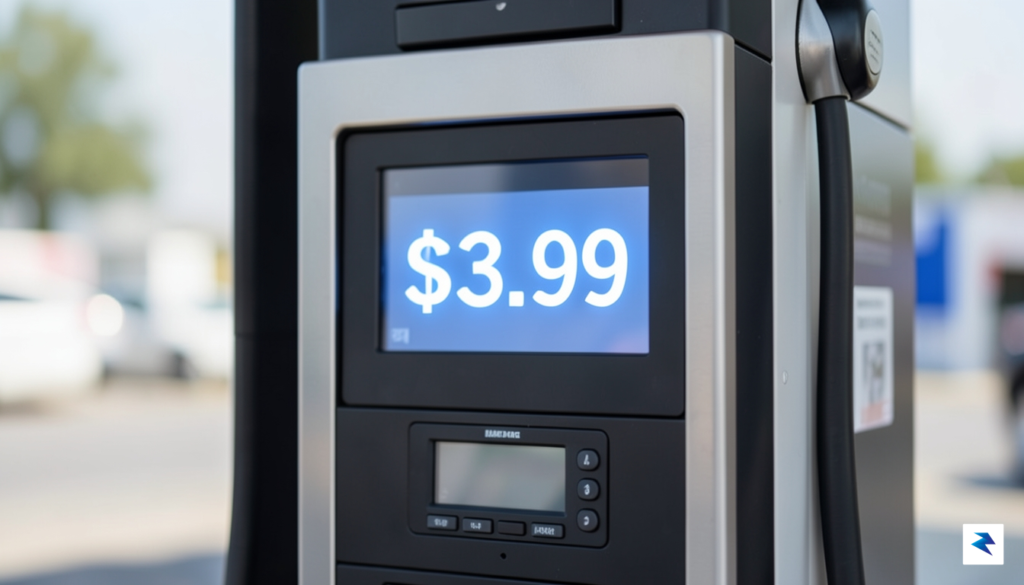
For the average American household, the sight of a gas station sign displaying a number starting with a “3” rather than a “4” is more than just a minor administrative detail; it is a profound shift in daily financial planning. When fuel prices hover above the four-dollar threshold, the cumulative effect on a family’s monthly budget can be staggering, often forcing households to reallocate funds from discretionary spending, such as dining out or entertainment, toward the non-negotiable cost of commuting. By dipping below this psychological barrier, consumers are experiencing an immediate increase in their effective disposable income. For a typical two-vehicle family driving an average of 1,200 miles per month, this price correction can translate into tens of dollars in monthly savings—money that can now be redirected toward groceries, savings accounts, or addressing inflationary pressures elsewhere in the economy.

However, it is vital to approach this relief with a measured perspective, recognizing that energy markets are notoriously volatile and rarely follow a linear path of decline. While the recent geopolitical developments involving the U.S.-Iran agreement have injected a degree of stability into global supply chains, the sustainability of sub-$4 gas remains tethered to the delicate balance between domestic inventory levels and seasonal consumption patterns. We are currently in a period where crude oil output has stabilized, yet refinery maintenance schedules and the transition to different fuel blends can often create artificial supply constraints. Consequently, while the current dip is a welcome reprieve, consumers should avoid assuming that these lower costs will remain a permanent fixture throughout the remainder of the calendar year.
While the current downward trend provides a necessary financial exhale for families, it serves as a reminder of how quickly global events can ripple down to the local pump.
To navigate this landscape effectively, it is prudent for drivers to view these savings not as a license for increased consumption, but as an opportunity to build a buffer against future price spikes. Historical trends suggest that as we approach peak travel seasons, demand often outpaces supply, which can lead to sudden price hikes that erase recent gains. By maintaining fuel-efficient driving habits and keeping up with routine vehicle maintenance—such as tire pressure checks and air filter replacements—drivers can maximize the value of every gallon they purchase. Ultimately, while we are currently enjoying a moment of relief, the prudent consumer will treat this period of lower prices as a window to stabilize their household finances before the next inevitable shift in the global energy market.
While the recent cooling of gasoline prices provides immediate relief for American commuters, the global energy landscape remains inherently volatile and subject to a dense web of interconnected variables. The current dip, largely catalyzed by diplomatic shifts involving international supply channels, serves as a reminder of how quickly geopolitical events can ripple through our economy. However, relying on temporary diplomatic breakthroughs is not a sustainable strategy for national energy security. As we look toward the horizon, the focus must shift from reacting to short-term shocks to cultivating a robust, diversified infrastructure capable of weathering the inevitable storms of global commodity markets.
Moving forward, several critical factors will determine whether these prices remain stable or experience renewed upward pressure. Chief among these are the strategic production decisions made by OPEC+ members, who continue to exert significant influence over global supply levels. Any sudden reversal in their output quotas could rapidly tighten the market, offsetting the progress made by recent diplomatic agreements. Furthermore, domestic refining capacity remains a potential bottleneck; even if crude oil is abundant, the United States relies on a complex network of aging refineries to process that oil into usable gasoline. Investing in the modernization and expansion of this domestic infrastructure is essential to ensuring that our supply chain is resilient enough to handle surges in demand without triggering price spikes.
True energy independence is not merely about increasing domestic extraction, but about building a multifaceted system that reduces our vulnerability to singular supply disruptions.
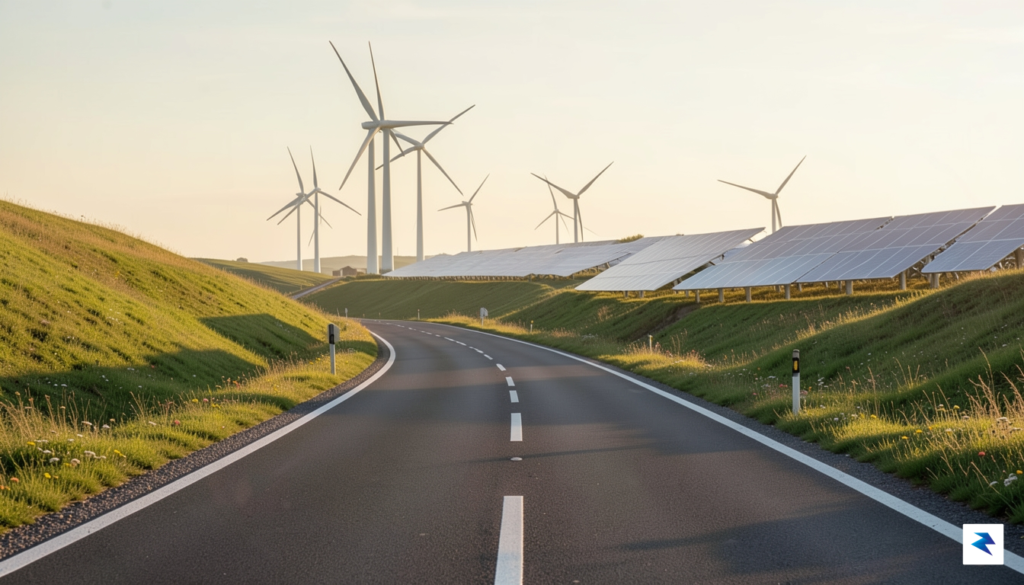
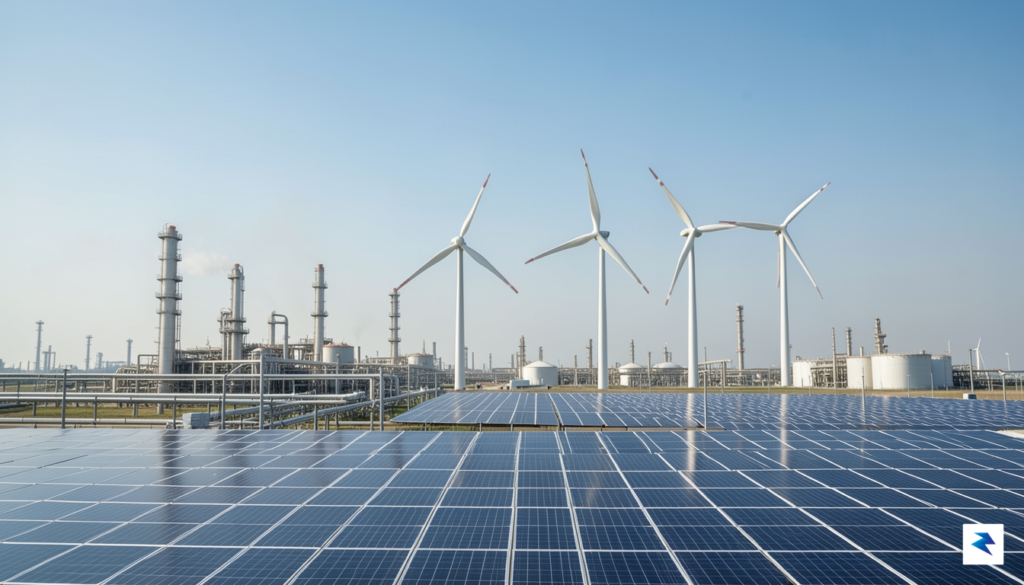
Ultimately, the path to long-term stability lies in a deliberate transition toward a more diverse and integrated energy grid. By blending traditional fossil fuel resources with an accelerated commitment to renewable energy sources—such as wind, solar, and advanced battery storage—the United States can insulate its economy from the whims of international diplomacy. This multi-source strategy does more than just stabilize the cost of fuel at the pump; it provides a foundational layer of economic certainty that benefits businesses and households alike. As we move beyond the current market correction, the national priority must remain fixed on policies that encourage innovation, incentivize domestic efficiency, and foster a balanced energy portfolio that prioritizes long-term security over reactive, short-term fixes.
You must be logged in to post a comment.