
The Best NAS Devices for Home Storage: Expert Tested & Reviewed
Understanding the Role of a Home NAS In our current digital landscape, we have become accustomed to the convenience of cloud storage, often…

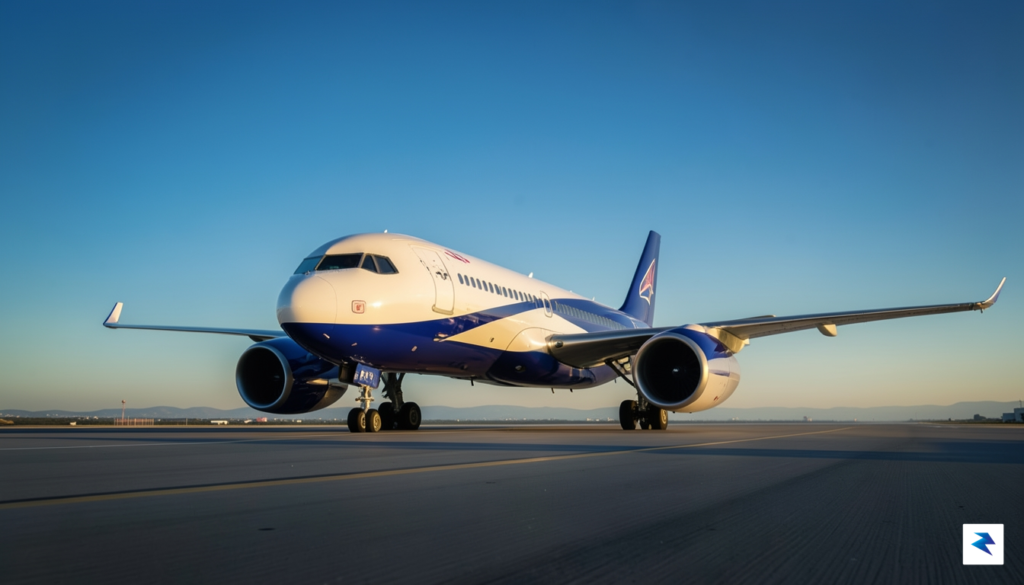
When news of a diplomatic breakthrough between the United States and Iran first broke, many frequent travelers and aviation enthusiasts immediately anticipated a “peace dividend” at the ticket counter. The logic seems intuitive: as geopolitical tensions thaw and international relations stabilize, the barriers to entry for global commerce typically dissolve, theoretically leading to more flight paths and lower costs. However, the aviation industry operates on a timescale and a set of operational constraints that are entirely disconnected from the rapid, headline-driven cycles of international diplomacy. For the average consumer, the hope that a diplomatic signature will translate into a sudden drop in airfare is a misunderstanding of how complex, rigid, and deeply structural the global airline economy has become.
The reality is that airfare pricing is dictated by a vast, interconnected web of logistics, fuel hedging, insurance premiums, and long-term regulatory agreements that do not reset the moment a policy shift occurs. While a thaw in relations might eventually open up new airspace or allow for the resumption of direct commercial routes, these transitions are rarely instantaneous. Airlines must navigate a labyrinth of safety certifications, bilateral aviation security agreements, and the massive logistical challenge of re-establishing ground operations in markets that have been dormant for years. Consequently, even if a route becomes politically viable, the time it takes to move from a diplomatic announcement to a functional boarding gate can be measured in years, not weeks.
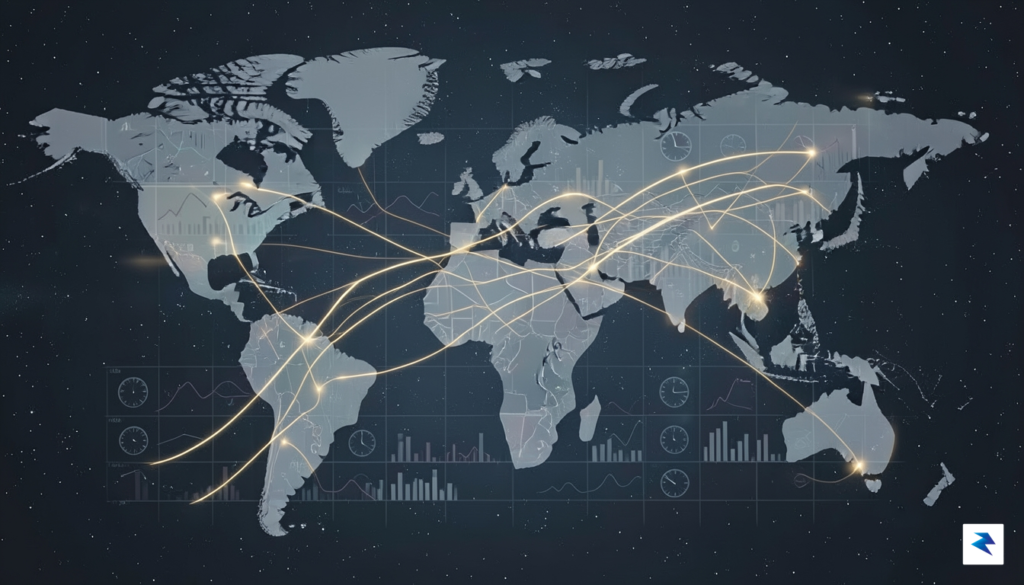
The disconnect between political headlines and consumer costs lies in the fact that aviation is a capital-intensive industry that values stability over speed; airlines prioritize predictable, high-margin operations over speculative routes that may be subject to future diplomatic reversals.
Furthermore, the structural cost drivers of air travel—such as the price of jet fuel, the availability of specialized aircraft, and the ongoing labor shortages within the aviation sector—remain largely indifferent to single geopolitical events. Even if a specific region becomes more accessible, the airline industry is currently grappling with a capacity crunch that prevents them from drastically lowering prices. Carriers are far more likely to focus on maximizing the profitability of existing, high-demand routes rather than diluting their revenue by immediately flooding a newly opened market with cheap seats. Understanding this reality is essential for any traveler: while diplomatic progress is undoubtedly a positive development for global integration, it is not a magic lever that triggers a correction in the price of your next international vacation.
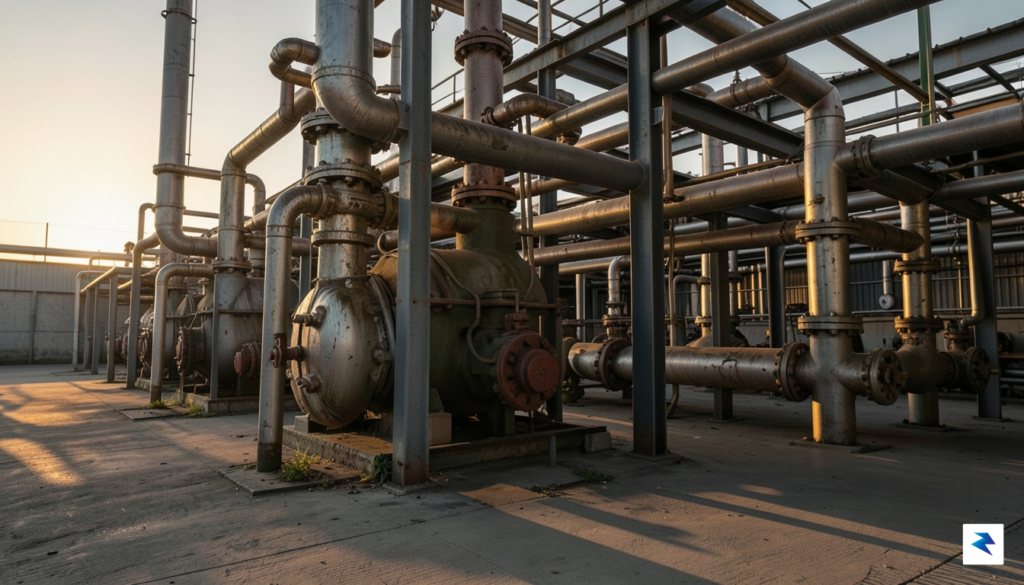
While diplomatic breakthroughs often generate headlines, the reality of the global energy market is far more complex than a single geopolitical handshake. For airlines, fuel remains the most significant and volatile operational expense, frequently accounting for nearly 30% of total operating costs. Even when a specific regional agreement suggests a potential increase in oil supply, the ripple effects on ticket prices are rarely immediate or linear. This disconnect exists because the global oil market operates on a massive, interconnected scale where supply chains, refining bottlenecks, and long-term financial hedges dictate costs far more aggressively than short-term political shifts.
The assumption that a diplomatic deal with an oil-producing nation will trigger an instantaneous drop in airfare ignores the logistical reality of the petroleum industry. Crude oil must undergo a complex refining process to become jet fuel, a specialized product that faces its own unique supply-and-demand pressures. Even if the price of raw crude dips slightly due to market optimism, regional refining capacities—the facilities that actually convert oil into kerosene-based jet fuel—remain constrained by maintenance schedules, environmental regulations, and aging infrastructure. Consequently, a surplus of crude does not automatically translate into a surplus of ready-to-use aviation fuel, keeping prices stubbornly high at the pump for commercial carriers.
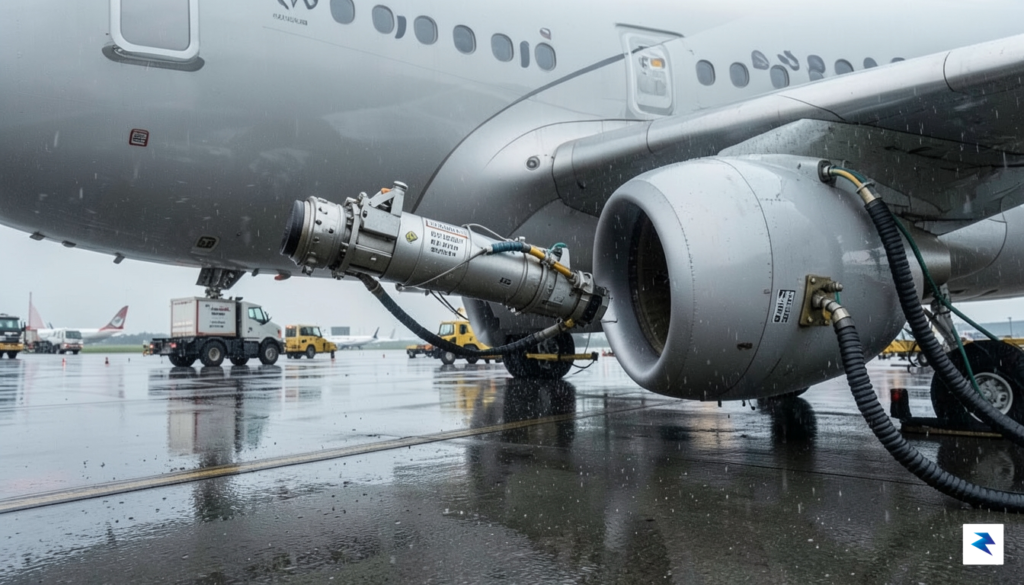
Furthermore, airlines rarely purchase their fuel at the fluctuating “spot” prices seen on the evening news. Instead, major carriers utilize sophisticated hedging strategies, locking in fuel costs months or even years in advance through long-term futures contracts. These financial instruments are designed to protect airlines from sudden market spikes, but they also prevent them from benefiting immediately when market prices drop. By the time a current diplomatic development might actually influence global commodity pricing, most airlines are already committed to price points established during a previous quarter, rendering their operational costs immune to the headlines of the day.
The global oil market is a massive, slow-moving ship that does not pivot based on singular diplomatic events; it is steered by decades of infrastructure investment, regional instabilities in unrelated parts of the globe, and the rigid mechanics of futures trading.
Finally, we must consider that oil is a truly global commodity, and the price per barrel is influenced by a constellation of factors far beyond the influence of any single nation. Ongoing conflicts in other parts of the world, fluctuations in the strength of the U.S. dollar, and shifting demand from emerging economies all exert a much stronger gravitational pull on fuel prices than the easing of specific regional sanctions. Because of these systemic factors, travelers should remain skeptical of the notion that a localized political deal will serve as a panacea for the high cost of air travel. Aviation remains a capital-intensive industry, and until global refining capacity stabilizes and structural demand shifts, the burden of jet fuel costs will continue to keep airfares at their current, elevated levels.

Airlines, at their core, are meticulously profit-driven enterprises. Their intricate pricing structures are not arbitrary but are the result of sophisticated revenue management strategies powered by advanced algorithms. These complex systems continuously monitor an astonishing array of real-time data points, from booking patterns, historical demand, and competitor pricing to weather forecasts and major event schedules. The ultimate goal is to pinpoint the maximum amount a consumer is willing to pay for a given seat on a specific flight at any particular moment, segmenting passengers into various fare classes to extract the highest possible yield from every departure. This dynamic pricing model allows airlines to adjust fares by the minute, ensuring they capitalize on fluctuating demand and perceived value.
The global travel landscape has undergone a significant transformation post-pandemic, largely characterized by what industry experts term “revenge travel.” After years of restrictions, lockdowns, and deferred plans, consumers worldwide are displaying an intense, pent-up desire to explore, reconnect, and experience new destinations. This psychological phenomenon has created an unprecedented surge in demand, as individuals and families prioritize long-awaited vacations and visits. Consequently, this robust appetite for travel is currently outstripping the available supply of flights and airline capacity, which has been slower to fully recover due to factors like pilot shortages, aircraft delivery delays, and reduced route networks.
This imbalance between surging demand and constrained supply grants airlines substantial leverage in their pricing strategies. Even if there are external factors that might ordinarily lead to a reduction in operational costs, such as a potential dip in fuel prices, the prevailing market conditions allow carriers to maintain elevated ticket prices. Airlines are primarily focused on maximizing their revenue per available seat mile (RASM), rather than simply covering their basic operational expenses. With more passengers vying for fewer seats, they can command higher fares without fear of losing significant business, as travelers are demonstrating a strong willingness to pay a premium for the opportunity to fly.
This brings us to the crucial concept of price elasticity of demand. Traditionally, air travel has been considered somewhat price-elastic, meaning that if prices rise too steeply, consumers might opt for alternative modes of transport, choose different destinations, or postpone their trips entirely. However, in the current “revenge travel” era, demand has become notably more inelastic. Consumers, driven by a powerful urge to travel and make up for lost time, are proving less sensitive to price increases. They are willing to absorb higher costs because the perceived value of the travel experience, after a prolonged period of deprivation, has increased significantly. This inelastic demand empowers airlines to keep ticket prices elevated, even if their underlying costs might eventually soften, as long as the enthusiasm for air travel remains as robust as it is today.
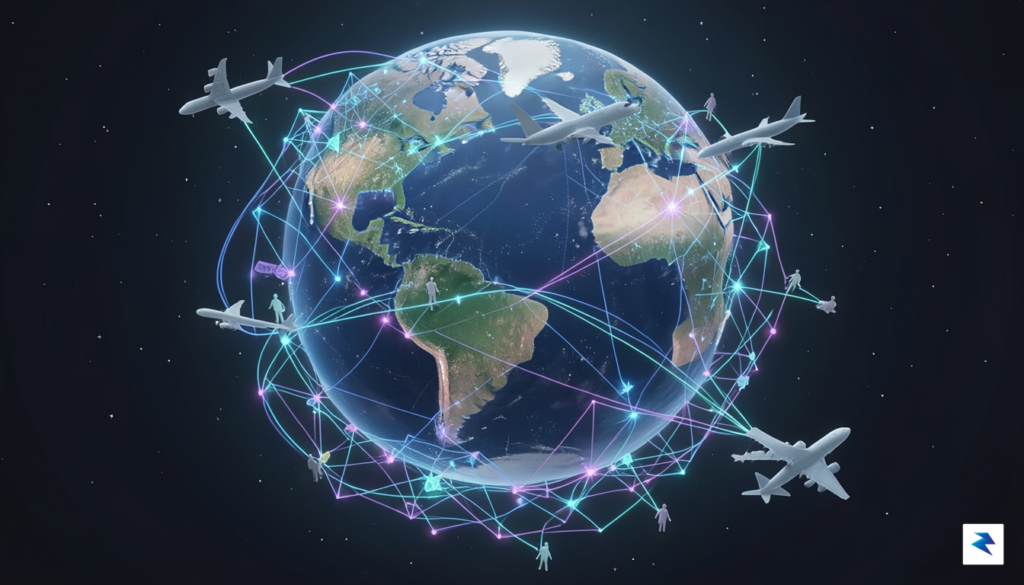
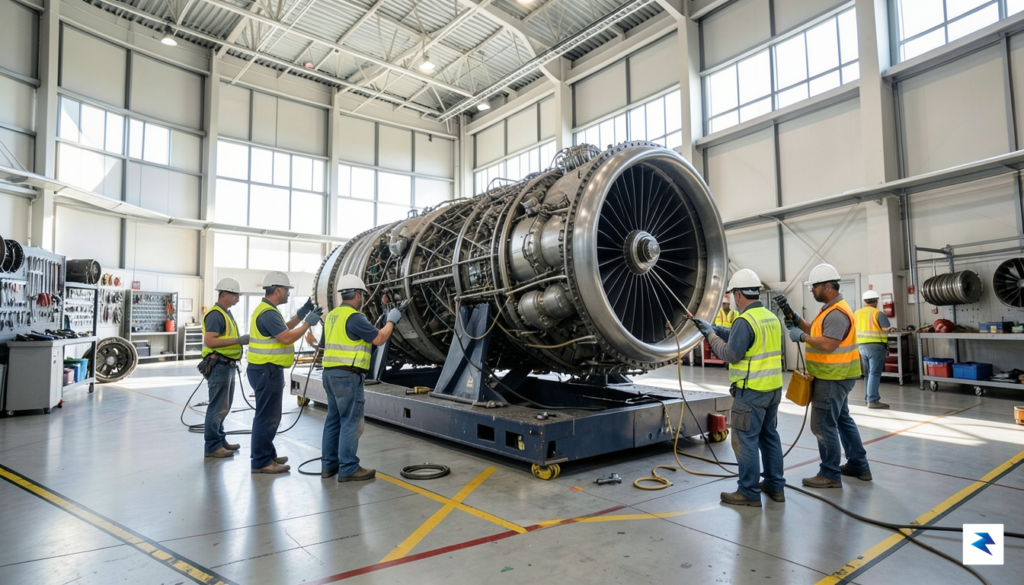
Even if the global geopolitical landscape shifted tomorrow to eliminate fuel surcharges entirely, the aviation industry remains shackled by deep-seated operational bottlenecks that prevent a meaningful return to pre-2020 ticket prices. The narrative that lower operational costs automatically translate to cheaper fares ignores the fundamental reality of supply: airlines simply lack the physical capacity to move the volume of passengers that the current market demands. This “capacity gap” is not a temporary hiccup, but a structural deficiency born from the mass exodus of expertise and manufacturing delays that have plagued the sector for years.
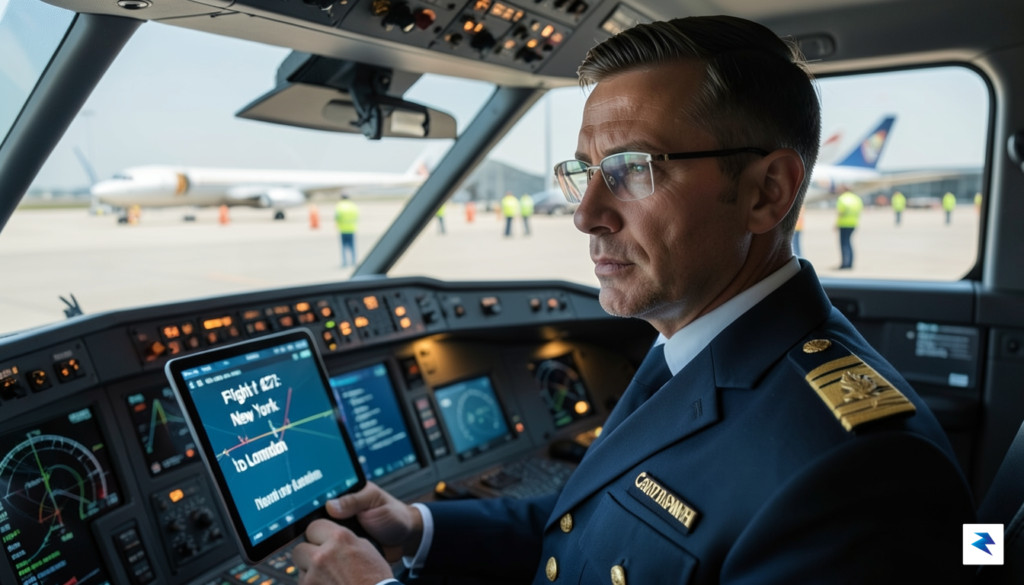
The most pressing issue is a profound shortage of specialized labor, particularly among experienced pilots and essential ground support crews. When the pandemic hit, the industry incentivized early retirements and saw a wave of talent shift to more stable sectors, leaving a vacuum that cannot be filled by rapid hiring. Training a captain is a multi-year investment, and the pipeline of qualified personnel is currently stretched to its breaking point. Consequently, airlines are forced to limit their flight schedules, not because they lack the desire to expand, but because they lack the certified human capital to operate these flights safely and efficiently. As long as labor remains scarce, operational costs for each individual flight remain high, effectively putting a floor on how low ticket prices can go.
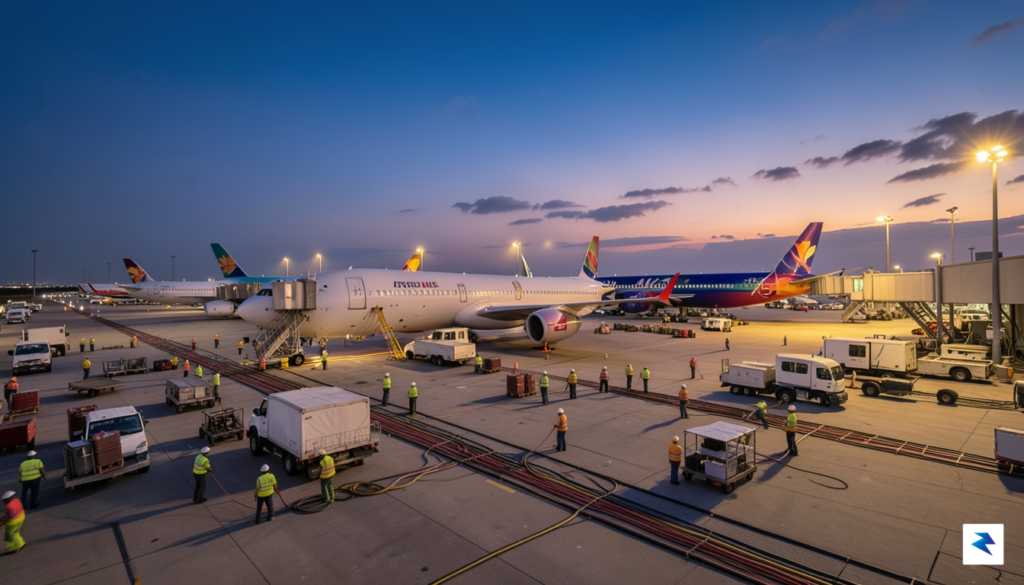
Compounding the labor crisis is a paralyzed supply chain that has stalled the delivery of new, more fuel-efficient aircraft. Major manufacturers have been struggling with production quality issues and logistical hurdles that push back delivery timelines by months or even years. This forces airlines to keep older, less efficient aircraft in the air longer, which requires more frequent and costly maintenance cycles. When an airline cannot modernize its fleet as planned, the cost of upkeep per seat-mile inevitably rises. Furthermore, the scarcity of spare parts—ranging from engine components to cockpit electronics—means that planes are often grounded for longer periods, further constraining the total number of seats available to the public.
The aviation market has fundamentally shifted from a model of aggressive growth to one of margin preservation. Airlines are no longer fighting for market share at the expense of profitability; they are optimizing for high-yield routes where demand remains inelastic.
Ultimately, airlines are behaving like rational actors in a supply-constrained environment. Because they know that their capacity is limited, there is no competitive incentive to engage in the “race to the bottom” pricing wars that characterized the early 2010s. By prioritizing high-margin routes and maintaining tighter seat capacity, carriers can manage their limited resources while maintaining profitability. Until the industry can bridge the gap in fleet availability and restore its workforce to full strength, travelers should expect the current pricing plateau to persist, regardless of fluctuations in international relations or energy costs.

While geopolitical shifts often grab the headlines, the reality of airline pricing is dictated far more by the grinding gears of the broader economy than by any single diplomatic breakthrough. Inflation, for example, is not merely a line item in a consumer budget; it is a fundamental operational challenge that has reshaped the aviation industry’s cost structure. Airlines are currently grappling with persistent wage inflation as they navigate a highly competitive labor market. From pilots and flight attendants to ground crews and maintenance technicians, the cost of human capital has surged significantly over the past several years. Because these labor agreements are typically locked into long-term contracts with built-in annual increases, airlines cannot simply absorb these expenses without passing them on to the flying public in the form of higher ticket prices.
Beyond the rising cost of labor, the aviation sector is uniquely sensitive to the prevailing interest rate environment. Airlines are capital-intensive businesses that rely heavily on debt to finance the acquisition of new, fuel-efficient aircraft and to fund necessary infrastructure upgrades. As central banks have maintained higher interest rates to combat inflation, the cost of servicing this debt has ballooned. When an airline chooses to modernize its fleet to meet environmental standards or improve operational efficiency, it is essentially taking out a massive loan at a much higher premium than it would have a decade ago. These interest payments are fixed, unavoidable costs that essentially set a high “floor” for ticket pricing; airlines must recoup these expenses to maintain solvency, regardless of whether fuel prices stabilize or international tensions ease.
The structural shift in the cost of capital means that airlines are no longer just fighting volatile fuel prices; they are managing a permanent increase in their overhead that keeps ticket costs elevated for the foreseeable future.
Ultimately, these macroeconomic factors create a rigid cost base that makes the industry highly resistant to price drops. When fixed costs like debt service and negotiated wage increases account for a larger share of every dollar spent, there is very little room for airlines to maneuver downward. Even if a diplomatic deal were to lower the global price of oil or improve regional flight paths, those savings are often neutralized by the sheer weight of these entrenched operational expenses. Therefore, travelers should not expect the cost of airfare to retreat to pre-inflationary levels, as the current economic architecture of the airline industry is built on a foundation of higher sustained costs that persist well beyond political headlines.

For the average traveler, waiting for a miraculous “price crash” in the aviation industry is a strategy destined for disappointment. While geopolitical shifts like the U.S.-Iran deal often dominate headlines, they rarely translate into immediate relief at the checkout counter because airline pricing is anchored by structural realities, including persistent labor shortages, rising jet fuel volatility, and the massive costs associated with modernizing aging fleets. Rather than banking on a sudden dip in fares, savvy travelers should accept that the current elevated pricing represents a new baseline. Adjusting your financial expectations now will save you from the frustration of waiting for a decline that, given the current economic climate, is unlikely to materialize anytime soon.
To navigate this expensive landscape, adopt a strategy rooted in radical flexibility. Instead of fixating on a specific destination and date, consider using flight search tools that allow you to browse by “anywhere” or “entire month” to identify pockets of affordability. When you do find a deal, prioritize booking directly with the airline rather than third-party sites, as this simplifies the process of rebooking or securing credits should your plans change. Furthermore, consider embracing off-peak travel windows; while summer and holiday travel demand remains inelastic, traveling during the “shoulder season”—the weeks immediately following or preceding major holiday rushes—can yield significant savings that aren’t tied to global political developments.
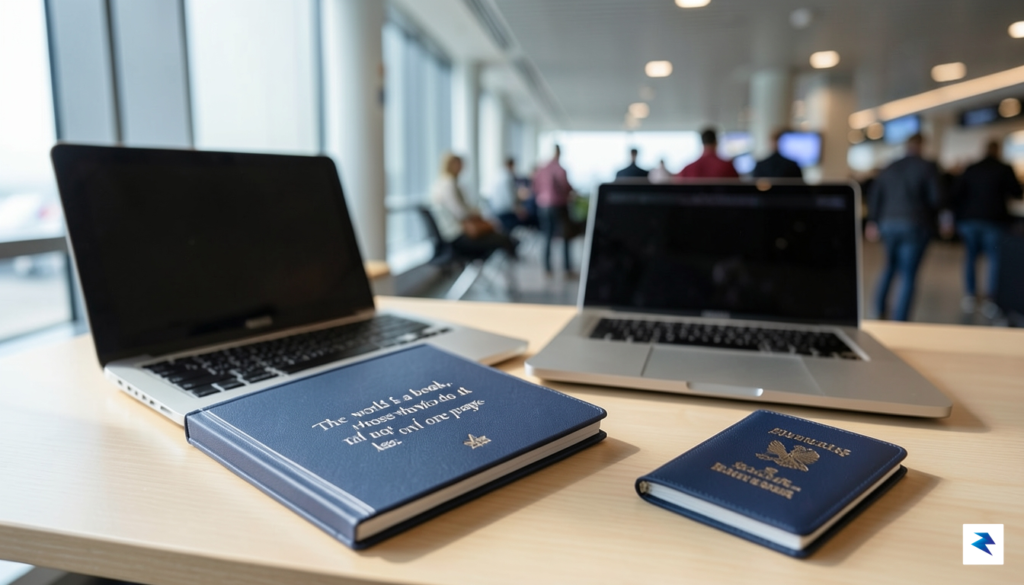
The most effective way to hedge against rising airfare is to stop treating travel as a luxury commodity and start treating it as a managed investment. By diversifying how you earn and spend travel currency, you insulate your budget from the shock of sudden price hikes.
Leveraging loyalty programs has become more critical than ever in this high-cost environment. Rather than spreading your loyalty across multiple carriers, consolidate your spending into a single airline alliance to maximize your status perks, which often include waived baggage fees, priority boarding, and access to complimentary upgrades. If you aren’t already, look into co-branded credit cards that offer generous sign-up bonuses or points multipliers on travel-related purchases. These points are essentially a hedge against inflation; when cash fares soar, using miles can often keep your travel costs stable. In the next 12 to 18 months, the travelers who succeed will be those who stop waiting for the market to correct itself and instead take proactive, tactical steps to manage their own travel economy.
You must be logged in to post a comment.