The Incident: Understanding the Texas Autopilot Crash
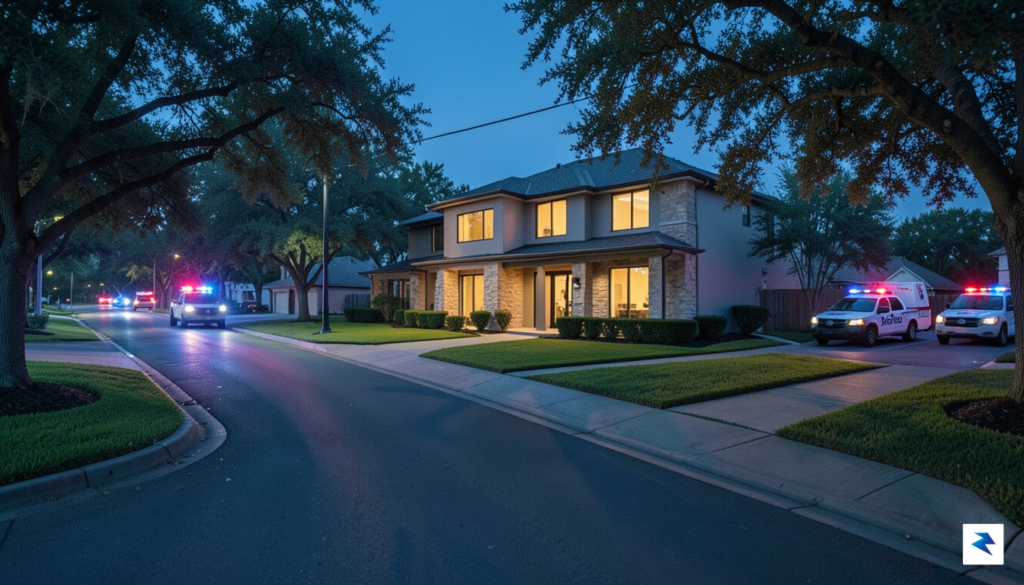
In a harrowing event that has sent shockwaves through the Harris County community, a Tesla vehicle reportedly operating on the company’s Autopilot driver-assist system veered sharply off a residential roadway and collided with a private home. The impact was severe enough to breach the structure, tragically resulting in the death of a woman who was inside the residence at the time. Local law enforcement officials arrived quickly to secure the scene, finding a chaotic environment where the boundary between a standard suburban street and a high-speed roadway had been dangerously erased. This incident has prompted an intensive investigation by local authorities to determine exactly how the vehicle’s software interpreted the road environment and whether human intervention failed to prevent the deviation.
According to preliminary statements provided by investigators, the driver involved in the crash indicated that the vehicle was engaged in Autopilot mode at the moment it left the pavement. While the precise mechanical or software triggers that led to the vehicle’s departure from the lane remain under scrutiny, the driver’s account has served as a primary focal point for officials attempting to reconstruct the final seconds before the collision. The tragedy stands out not only for its devastating outcome but for the location; occurring in a quiet, low-traffic neighborhood, it challenges the common assumption that advanced driver-assist systems are primarily susceptible to failure on complex highways or during high-speed maneuvers.
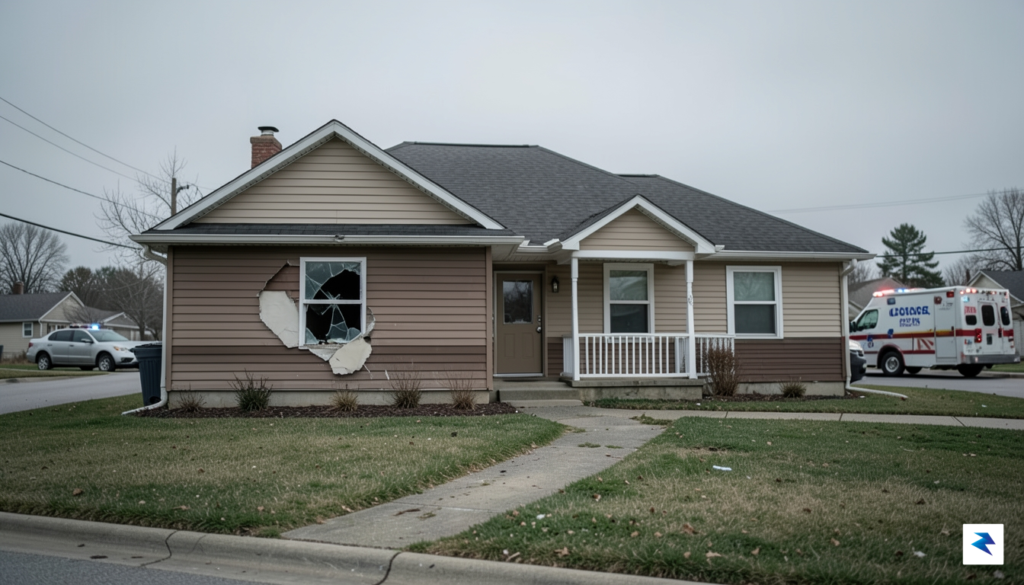
The convergence of high-speed automation and residential safety has become a critical point of concern for regulators, as the lines between human control and algorithmic decision-making continue to blur in real-world environments.
The immediate aftermath of the Harris County incident saw local emergency services grappling with the complexities of securing an electric vehicle that had suffered significant structural impact. Beyond the initial rescue and investigation efforts, the event has acted as a catalyst for a more profound, national conversation regarding the current capabilities and limitations of semi-autonomous driving technologies. By forcing a confrontation between the convenience of automation and the undeniable risks posed to pedestrians and homeowners, this crash highlights the urgent need for a more comprehensive understanding of how these vehicles operate when they encounter unpredictable variables. As investigators continue to download and analyze the vehicle’s telemetry data, the industry faces mounting pressure to clarify the responsibilities of both the software developers and the human operators entrusted with these powerful systems.
The Capabilities and Limitations of Tesla Autopilot
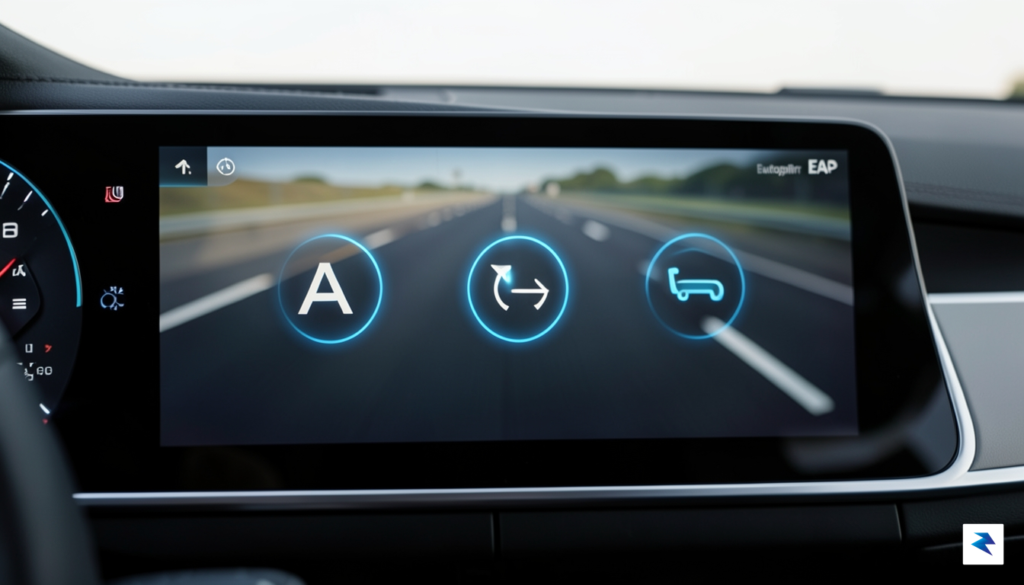
To understand the current landscape of vehicular safety, it is essential to clarify that Tesla’s Autopilot is not a self-driving system, but rather an Advanced Driver Assistance System (ADAS). Categorized technically as Level 2 automation by the Society of Automotive Engineers (SAE), the software is designed to assist the driver with specific tasks—such as maintaining lane position and adjusting speed based on traffic flow—while the human remains fully responsible for the vehicle at all times. This distinction is critical: in a Level 2 system, the car can steer or accelerate, but it cannot navigate complex environments independently, nor can it reliably identify every potential hazard on the road without human intervention.
The technology functions through a sophisticated integration of cameras, ultrasonic sensors, and powerful software algorithms that process visual data in real-time. By continuously monitoring lane markings and the distance to surrounding vehicles, the system can execute subtle steering adjustments and maintain a consistent following distance, which can significantly reduce driver fatigue during long, monotonous highway stretches. However, these sensors are not infallible; they are subject to limitations regarding lighting conditions, extreme weather, and the speed at which obstacles appear. When the system encounters a scenario it is not programmed to handle, or when the environment becomes too unpredictable, it relies entirely on the driver to immediately resume manual control.
While Autopilot provides convenience, it does not remove the legal or ethical necessity for the human operator to remain alert, focused, and ready to intervene within a fraction of a second.
Furthermore, the system is primarily optimized for controlled highway environments where traffic flows in a predictable, linear fashion. When the vehicle is taken off these designated roads, or when it encounters unconventional objects—such as construction debris, stationary vehicles, or unexpected residential structures—the software’s ability to interpret the scene can be compromised. Unlike a fully autonomous vehicle, which would theoretically possess the situational awareness to navigate a suburban driveway or a chaotic intersection, Autopilot is fundamentally restricted by its reliance on clear lane markers and high-visibility environments. Relying on the system to perform functions outside of its intended scope is a misuse of the technology that places both the occupants and the public at significant risk.
Ultimately, the marketing terminology surrounding these features often creates a dangerous gap between consumer expectation and technical reality. While the car may appear to be “driving itself,” it is actually performing a series of automated calculations that remain subordinate to human judgment. Until the industry reaches true Level 5 autonomy, which would imply the ability of a vehicle to drive anywhere in any conditions, drivers must treat every automated assist feature as a tool to aid, not replace, their own vigilant oversight.
The Role of Human Supervision in Automated Driving
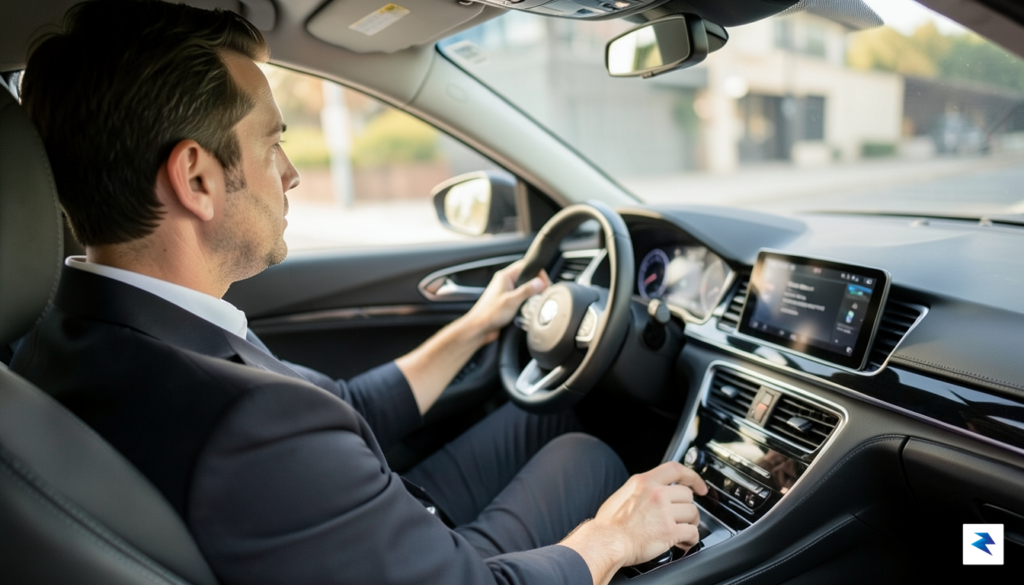
The allure of advanced driver-assistance systems often creates a dangerous psychological phenomenon known as automation bias. This occurs when drivers place an unwarranted level of trust in a vehicle’s automated features, subconsciously assuming that the software is more capable than it actually is. As the car handles steering, acceleration, and braking, the human driver’s mental engagement begins to wane, leading to a state of passive monitoring rather than active supervision. In reality, current technology is designed as a high-tech assistant rather than a fully autonomous chauffeur; the driver remains the ultimate safety mechanism, tasked with intervening the moment the system encounters an edge case it cannot navigate.
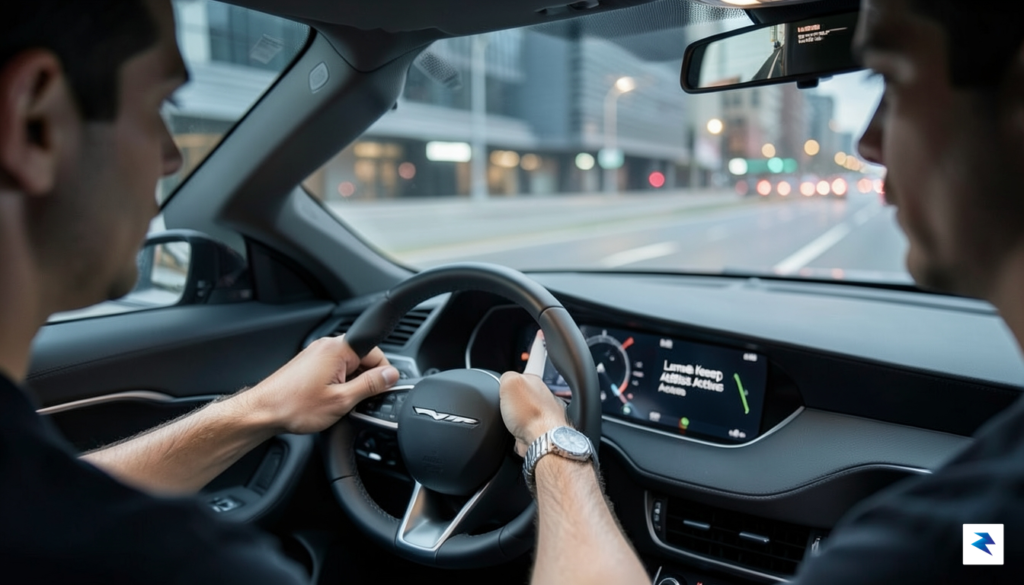
To combat this lack of engagement, manufacturers like Tesla have implemented various safety monitoring features, such as steering wheel torque detection and internal cabin cameras. These systems are intended to track whether a driver is keeping their hands on the wheel or if their eyes have drifted away from the road for too long. However, these safeguards are not foolproof. They rely on the assumption that a physical presence equals mental readiness, but the transition between automation and human control is a critical safety gap. When a system disengages or fails to recognize a hazard, the driver must instantly pivot from a state of distraction to high-level situational awareness—a task that is cognitively demanding and often impossible to execute within a split second.
The most dangerous aspect of automated driving technology is the illusion of competence; when a system performs well 99% of the time, it lulls the driver into a false sense of security that blinds them to the remaining 1% of fatal uncertainty.
Ultimately, physical attentiveness remains non-negotiable for the safe operation of any vehicle currently on the road. The responsibility for safety cannot be outsourced to algorithms that still struggle with unpredictable human behavior, debris in the road, or sudden environmental changes. Users must understand that these tools are intended to support, not replace, the fundamental human duty of operating a two-ton machine. Until technology achieves true, validated autonomy, the “human in the loop” requirement is the only thing standing between a routine commute and a life-altering tragedy. Vigilance is not merely a recommendation; it is a vital, active requirement for every mile driven.
Legal and Regulatory Implications for Autonomous Tech

The legal landscape surrounding autonomous and semi-autonomous driving systems is currently in a state of flux, struggling to keep pace with the rapid deployment of software-defined vehicles on public roads. When accidents involving driver-assist features occur, the core of the legal debate centers on the concept of “shared responsibility”—a murky area where the duties of the human operator overlap with the intended functions of the vehicle’s onboard computer. Courts are increasingly tasked with determining whether a tragedy resulted from user negligence, such as a failure to monitor the road, or a failure in the software’s perception and decision-making architecture. As these cases wind through the judicial system, they are establishing critical precedents that will eventually define the boundaries of manufacturer liability and the standard of care expected from Tesla and other automotive innovators.
Federal regulators, particularly the National Highway Traffic Safety Administration (NHTSA), have intensified their scrutiny of advanced driver-assistance systems (ADAS) to determine if current safety protocols are sufficient. By launching formal investigations into Tesla’s Autopilot, the NHTSA is signaling a shift toward more rigorous oversight, aiming to peel back the layers of proprietary software to see how these systems react to unpredictable real-world scenarios. The agency is particularly interested in whether these vehicles provide adequate warnings to drivers and whether the software’s design effectively prevents foreseeable misuse. This regulatory push is not merely about assigning blame for past events; it is a proactive attempt to force a higher standard of transparency and testing before these technologies are deployed at scale.
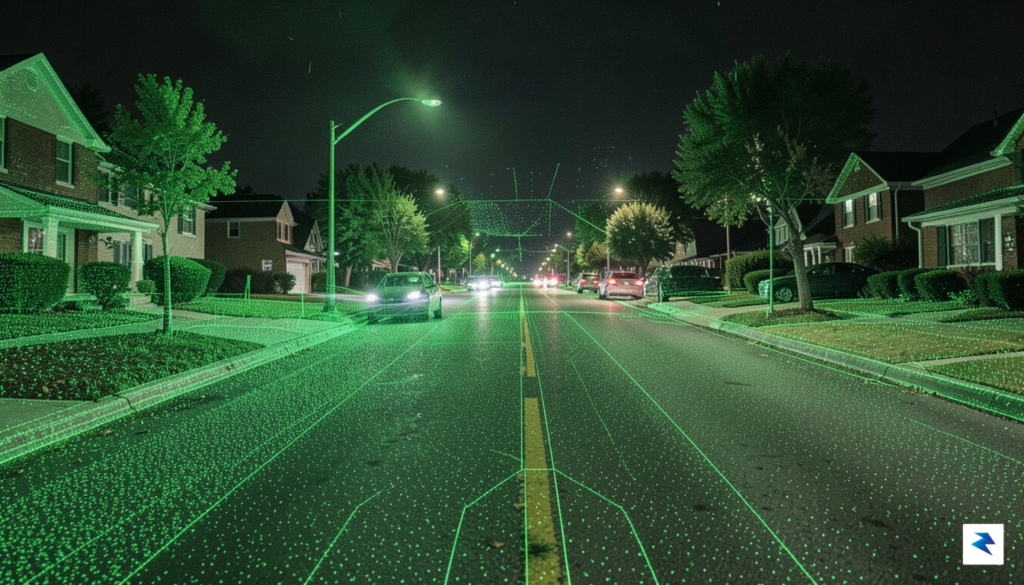
A pivotal component of this legal evolution is the role of accident reconstruction, which now relies heavily on the granular data logs stored within a vehicle’s electronic control units. These logs serve as the “black box” of the autonomous age, capturing split-second inputs from cameras, radar, and ultrasonic sensors, alongside the driver’s steering and braking actions. In the courtroom, these digital trails are indispensable for untangling the timeline of events that lead to a crash. They allow experts to determine if the software experienced a “false positive” or “false negative,” and whether the system was operating within its design parameters at the time of impact. However, the proprietary nature of this data often creates friction, as plaintiffs and manufacturers frequently clash over the accessibility and interpretation of these complex technical records.
The legal burden of proof in AI-assisted accidents is shifting; it is no longer enough to simply prove a human was behind the wheel. Instead, legal teams must now prove whether the technology provided the driver with a reasonable opportunity to intervene, or if the software created a false sense of security that effectively encouraged the driver to disengage from the task of driving.
Ultimately, the legal challenges posed by these incidents are driving a push for more standardized, industry-wide safety certifications. As the courts begin to weigh in on manufacturer liability, it is becoming clear that “driver-assist” is a misnomer that many consumers misunderstand, leading to a dangerous gap between human expectation and technical capability. By demanding that companies be more transparent about the limitations of their software, regulators hope to curb the over-reliance on automation that has contributed to recent fatalities. Whether through stricter legislative requirements or landmark jury verdicts, the goal remains the same: ensuring that the integration of AI into our transportation infrastructure enhances safety rather than compromising it.
The Future of Safety: Moving Beyond Driver-Assist Systems
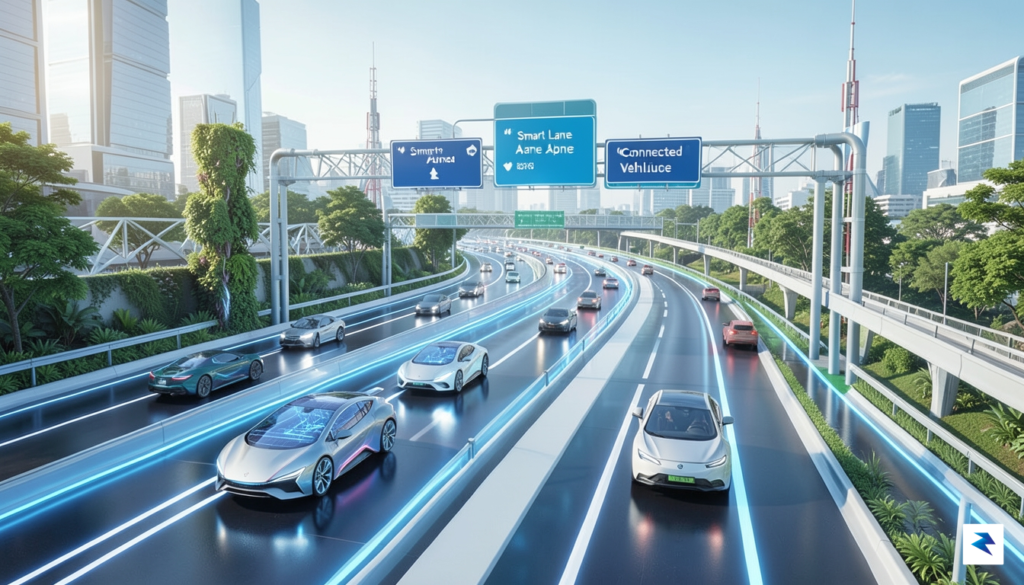
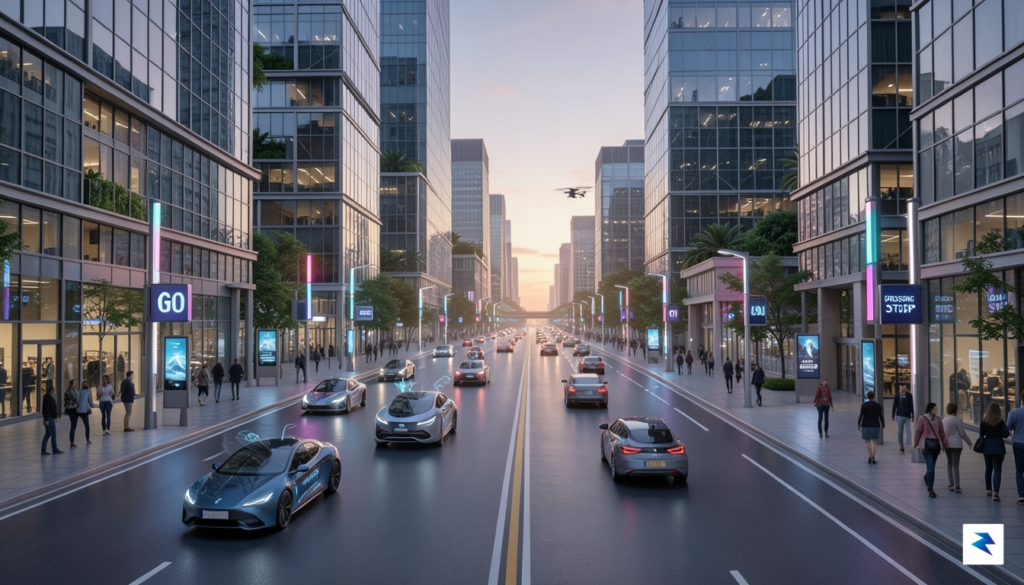
The tragic loss of life in recent accidents involving driver-assist features serves as a stark, sobering reminder that current technology exists in a volatile middle ground. We are currently trapped in a “Level 2” transition period where vehicles can manage steering and speed, yet the cognitive load remains firmly placed upon the human operator. To move past this precarious era, the industry must shift its focus toward a holistic safety ecosystem that prioritizes Vehicle-to-Everything (V2X) communication. By allowing vehicles to “talk” to smart traffic signals, pedestrian-worn devices, and other nearby cars, the margin for human error is significantly reduced. This interconnected grid acts as a digital safety net, providing the vehicle with a proactive awareness of its surroundings that cameras and radar alone simply cannot replicate.
Furthermore, the transition toward Level 4 autonomy—where the vehicle is fully capable of handling all driving tasks under specific conditions—relies heavily on the integration of more sophisticated sensor suites. While vision-based systems have improved rapidly, many experts argue that the widespread adoption of high-resolution lidar is essential for creating a truly redundant safety architecture. Lidar provides a precise, three-dimensional map of the environment that remains accurate regardless of lighting conditions or weather, effectively eliminating the “blind spots” that often contribute to tragic collisions. When combined with rigorous, standardized testing protocols, these technologies can bridge the gap between experimental automation and a reliable, everyday transportation utility.
True innovation in the automotive space is not just about removing the driver from the loop; it is about building a system so inherently aware of its environment that it becomes impossible for human oversight to lead to a catastrophic outcome.
Ultimately, the path toward safer roads requires a delicate balance between rapid innovation and responsible regulatory oversight. Manufacturers must prioritize clear, unambiguous user education that emphasizes the limitations of current systems, while policymakers should push for universal safety standards that hold companies accountable for the performance of their software. By fostering a culture of transparency and investing in infrastructure that supports autonomous navigation, we can ensure that the promise of self-driving technology does not come at the expense of public safety. The goal remains a future where human error—the leading cause of traffic fatalities—is systematically engineered out of the driving experience, turning our highways into spaces that protect rather than endanger.