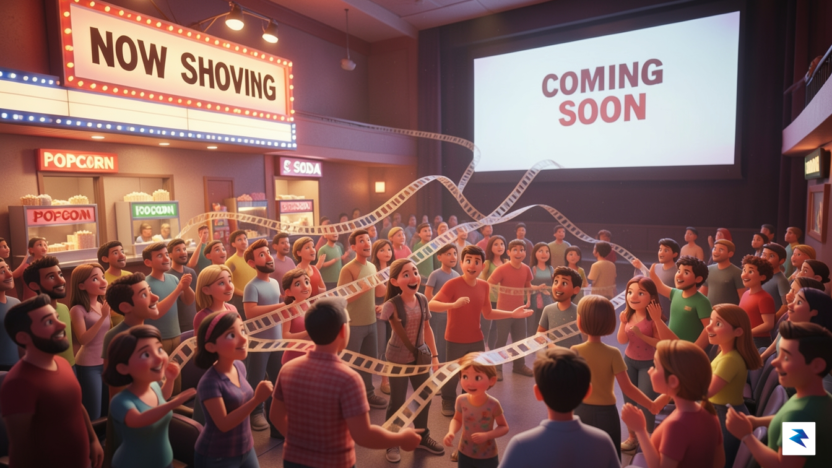
The Comeback of the Blockbuster: Toy Story 5 and the 2026 Summer Surge
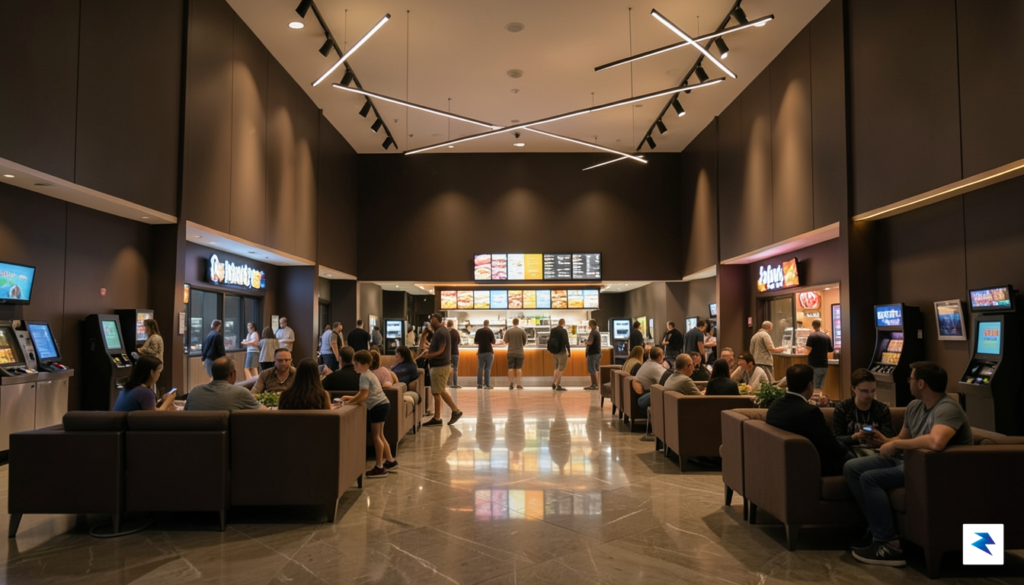
The cinematic landscape of 2026 has undergone a profound metamorphosis, effectively silencing the lingering anxieties that defined the post-pandemic era. After years of struggling to lure audiences back to the multiplex with consistency, the industry has finally hit its stride, crossing a staggering $1.85 billion threshold in seasonal revenue. This financial milestone marks the most robust summer performance since the pre-pandemic peak of 2019, signaling that the collective ritual of the theatrical experience is not just surviving, but thriving. While a diverse slate of films contributed to this upward trajectory, the undeniable engine driving this massive resurgence is the latest installment in Pixar’s crown jewel franchise, Toy Story 5.
When Toy Story 5 hit theaters, it did more than just sell tickets; it shattered expectations by securing one of the most successful opening weekends in animation history. By bringing Woody, Buzz, and the rest of the beloved ensemble back to the big screen, Disney tapped into a potent mix of multi-generational nostalgia and fresh, compelling storytelling that resonated with both children and adults. The film’s performance served as a vital cornerstone for the entire season, acting as a “tentpole” that encouraged theater-goers to return to their local cinemas, thereby creating a halo effect for other films released in its wake. This phenomenon confirms that when high-quality, highly anticipated intellectual property is paired with a theatrical-first strategy, the audience response is both immediate and overwhelming.
The success of this summer proves that audiences are still craving the shared, immersive power of the big screen, provided the story is big enough to demand it.
This shift in consumer behavior represents a significant departure from the fragmented viewing habits that plagued the industry during the last few years. Whereas recent seasons were often characterized by hesitation and a preference for streaming convenience, the 2026 summer surge demonstrates a renewed enthusiasm for the “eventization” of movies. Families and casual viewers alike have abandoned the wait-and-see approach, choosing instead to participate in the cultural conversation that only a massive cinematic release can ignite. As the dust settles on this historic summer, it is clear that Toy Story 5 did not merely provide entertainment; it acted as the essential catalyst that restored Hollywood’s financial health and reaffirmed the enduring power of the blockbuster model in an increasingly digital world.
Why Audiences Are Returning to Theaters: The Power of Nostalgia

The modern cinematic landscape has shifted dramatically, yet the magnetic pull of familiar stories remains stronger than ever. When a franchise like Toy Story returns to the big screen, it does more than simply occupy a theater seat; it acts as a cultural bridge, connecting the childhood memories of parents with the burgeoning imaginations of their children. This phenomenon of generational nostalgia is a powerful psychological driver, offering audiences a rare sense of emotional continuity in an increasingly fragmented world. By revisiting characters that have effectively grown up alongside them, viewers are not just consuming content; they are participating in a communal act of remembrance that validates their own life experiences.
While original intellectual property certainly has its place in the market, legacy sequels enjoy a distinct advantage in a crowded attention economy. Original films often require a significant “discovery” phase where audiences must be convinced to invest their time and money in unknown worlds. In contrast, legacy sequels arrive with an established emotional dividend. Because the characters and their histories are already etched into the collective consciousness, the friction associated with choosing a movie disappears. This familiarity serves as a comfort mechanism, transforming a trip to the multiplex into a reliable, low-risk investment for families and aging fans alike.
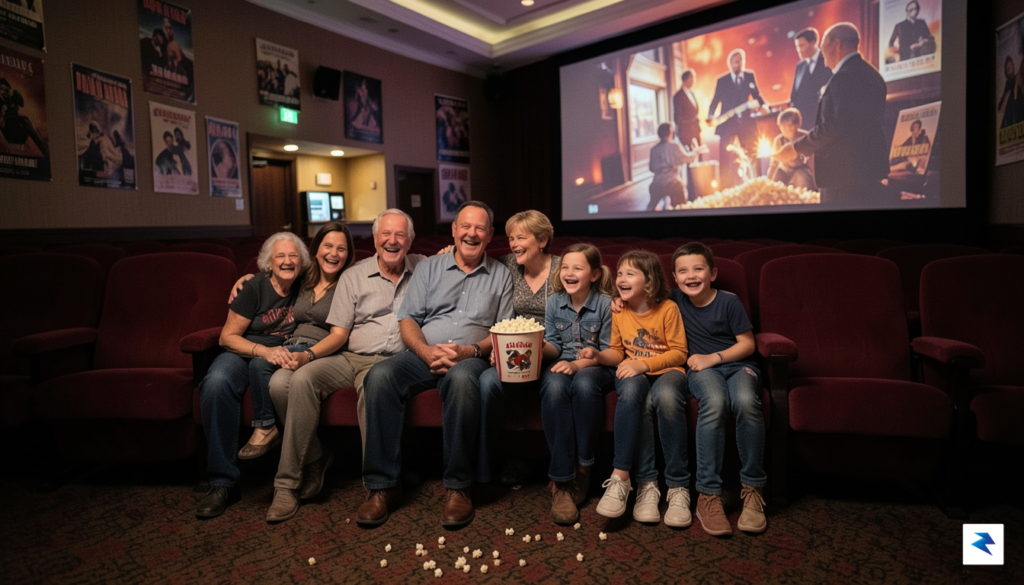
Furthermore, the resurgence of the theatrical experience highlights a fundamental human need for shared ritual that home streaming simply cannot replicate. Although high-definition televisions and surround-sound systems have made home viewing more immersive than ever, they lack the specific, tangible energy of a packed auditorium. There is a palpable, almost electric atmosphere when hundreds of people laugh at the same joke, gasp at a plot twist, or collectively exhale during a poignant finale. This shared reality turns a film into a cultural event, reinforcing our social bonds through the act of experiencing wonder in unison.
The success of a legacy sequel is ultimately measured not just in ticket sales, but in its ability to transport an audience back to a version of themselves that feels both distant and profoundly familiar.
Ultimately, the dominance of established franchises indicates that audiences are actively seeking out “comfort cinema” as a reaction to the rapid pace of digital life. In an era where new content is constantly disposable and ephemeral, these legacy stories offer a sense of permanence and depth. By choosing to see these films in theaters, audiences are signaling that some stories deserve a larger-than-life canvas, proving that even in a world obsessed with the new, we remain deeply tethered to the characters that helped define our past.
The Economic Impact of Summer 2026 on Hollywood Recovery

The monumental $160 million opening weekend for Toy Story 5 serves as more than just a win for Disney; it functions as a critical lifeline for the entire theatrical ecosystem. For years, exhibitors have struggled to find consistency in a post-pandemic landscape, often facing gaps in the release schedule that left multiplexes struggling to cover overhead costs. This blockbuster performance demonstrates that when audiences are presented with high-quality, reliable intellectual property, they are eager to return to the communal experience of the cinema. The resulting surge in ticket sales acts as a tide that lifts all boats, providing the necessary liquidity for theater chains to reinvest in facility upgrades, staffing, and the premium technologies like IMAX and Dolby Cinema that keep the theatrical experience competitive against home streaming alternatives.
Beyond the immediate excitement of sold-out auditoriums, the economic ripple effect extends deep into the development pipelines of major studios. Theatrical revenue remains the primary engine for funding the massive budgets required for future film slates; without the massive box office receipts generated during the summer, the ability to greenlight original projects or ambitious sequels becomes significantly constrained. By securing a robust theatrical window, studios can recoup production costs faster and more efficiently than through subscription-based models alone. This financial stability creates a virtuous cycle where successful blockbusters provide the capital needed to take creative risks on smaller, mid-budget films that might otherwise be deemed too risky in a purely streaming-centric business model.
The success of this summer proves that the theatrical window is not an antiquated relic of the past, but the cornerstone of a sustainable, long-term creative economy.
Ultimately, the industry is witnessing a recalibration of how content is valued across different platforms. While streaming continues to be a staple of modern entertainment, the sheer volume of revenue flowing from this summer’s hits reinforces the fact that nothing can replicate the peak earning potential of a theatrical release. As exhibitors stabilize their balance sheets and studios regain the confidence to commit to expensive, large-scale productions, the entire industry finds itself on the most stable footing it has occupied since 2019. This momentum is essential, as it signals to investors and stakeholders that Hollywood is not merely surviving, but actively thriving by leveraging the unique, high-impact nature of the summer blockbuster experience.
The Future of Franchise Filmmaking in a Streaming-First World
The runaway success of major sequels like Toy Story 5 signals a pivotal shift in how Hollywood defines the “event” movie. In an era where audiences are increasingly comfortable consuming content from the convenience of their living rooms, the theatrical experience must offer something that a television screen simply cannot replicate: a sense of communal urgency. Studios have learned that casual viewing habits are difficult to break, so they are leaning heavily into the “eventization” of cinema. By positioning high-budget intellectual property as a cultural touchstone that demands to be seen opening weekend, filmmakers are successfully pulling audiences back into multiplexes, transforming a simple trip to the theater into an inescapable social obligation.
This strategy, however, exists in a precarious tension with the rise of streaming-first distribution models. While platforms like Disney+ or Netflix offer endless variety and comfort, they often struggle to generate the same level of prestige or box-office revenue as a massive theatrical rollout. The current industry trend suggests that studios are no longer viewing streaming and theatrical release as mutually exclusive, but rather as a synergistic ecosystem. Theatrical releases act as the primary marketing engine, building brand equity and cultural cachet that eventually fuels long-term engagement when those same titles migrate to streaming libraries. Consequently, the massive investment required for a blockbuster sequel is increasingly justified not just by ticket sales, but by the long-term value it adds to a studio’s subscription-based digital ecosystem.
The sustainability of this model relies less on the sheer volume of content and more on the ability of studios to curate “must-see” moments that bridge the gap between generational nostalgia and modern spectacle.
Ultimately, the long-term viability of high-budget sequels depends on the industry’s ability to avoid franchise fatigue while maintaining quality. As viewers become more discerning about which projects warrant their time and money, studios must prioritize narrative depth alongside visual spectacle. The success of a film like Toy Story 5 proves that audiences are still hungry for stories they trust, provided those stories are treated with care rather than as mere content fillers. Moving forward, the most successful studios will likely be those that treat the theatrical release as the cornerstone of their brand identity, using the scarcity of the big screen to amplify the value of their streaming catalogs. If Hollywood can balance this dual approach, the current summer resurgence may well be a permanent shift back toward the power of the cinematic event.