
Understanding the Tata Electronics Data Breach

Tata Electronics, a cornerstone of the global electronics manufacturing ecosystem and a pivotal partner for industry titans like Apple and Tesla, has officially confirmed that it fell victim to a significant cybersecurity incident. The breach, which has sent ripples through the international tech supply chain, underscores the precarious nature of data security in an era where manufacturing processes are increasingly digitized and interconnected. While the full extent of the intrusion is still being evaluated, the company has acknowledged that unauthorized actors gained access to certain segments of its digital infrastructure, prompting an immediate investigation into the nature of the compromised data.
The scope of the incident is particularly concerning given the sensitivity of the information handled by a manufacturer of this stature. Tata Electronics manages highly proprietary schematics, production timelines, and supply chain logistics that serve as the backbone for some of the world’s most sought-after consumer electronics and electric vehicles. By infiltrating the systems of such a central player, threat actors have potentially gained visibility into sensitive business operations, which could have implications for both the company’s internal intellectual property and its downstream partnerships. Security experts note that the breach serves as a stark reminder that even organizations with robust security protocols are vulnerable to the sophisticated, persistent tactics employed by modern cyber-criminal syndicates.
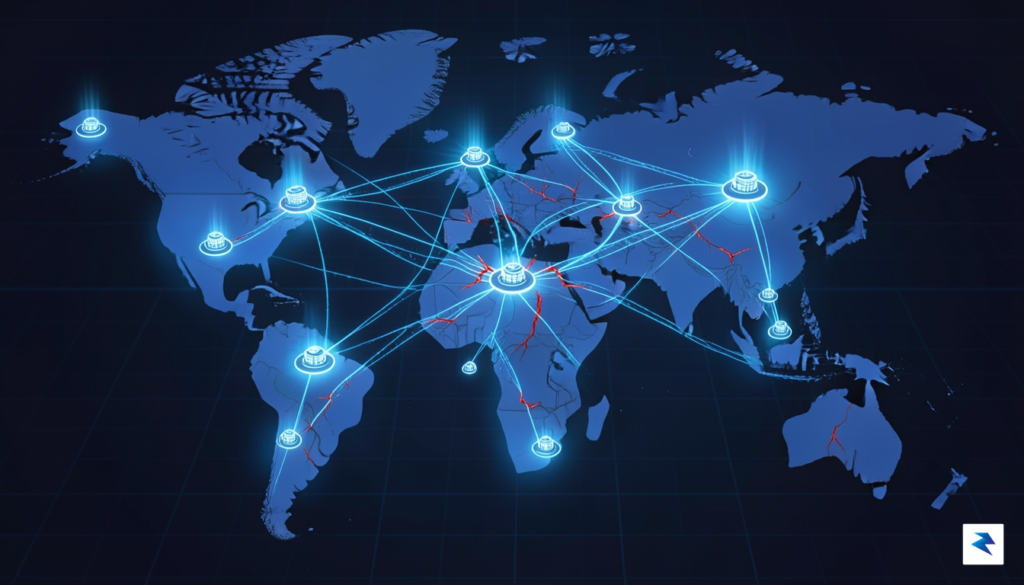
To understand why a company like Tata Electronics becomes a high-value target, one must look at its position within the broader economic landscape. As a primary supplier to companies with massive market valuations, Tata Electronics acts as a critical gateway; compromising their systems can provide adversaries with leverage, competitive intelligence, or even a foothold into the networks of their primary clients. This “cascading risk” is a hallmark of modern cyber-attacks, where attackers move away from targeting well-defended, high-profile firms directly and instead focus on the smaller, yet essential, suppliers that keep the ecosystem moving. Consequently, the company has been forced to shift its focus from rapid production to damage control, working alongside cybersecurity specialists to isolate affected systems and fortify its defenses against future incursions.
Key Takeaway: The breach highlights the “cascading risk” inherent in the modern supply chain, where the vulnerability of a single critical component manufacturer can create widespread complications for the world’s largest technology brands.
The timeline of the discovery remains a focal point for investigators, who are currently working to determine the exact duration of the unauthorized access. Upon identifying the anomaly within their network, the company initiated its incident response protocols, which involved taking specific systems offline to contain the threat and prevent further data exfiltration. While the full impact on the company’s day-to-day operations is still being assessed, the initial response reflects a commitment to transparency and remediation. Moving forward, the industry will be watching closely to see how Tata Electronics navigates this crisis, as their experience will likely inform how other manufacturing giants evaluate their own resilience in the face of escalating global cyber threats.
The Ripple Effect on Global Supply Chains


In the modern era of hyper-globalization, the manufacturing landscape functions less like a series of independent factories and more like a finely tuned, highly fragile ecosystem. When a tier-one supplier like Tata Electronics experiences a security failure, the impact rarely remains contained within its own corporate walls. Instead, it triggers a domino effect that traverses borders and industries, proving the “weakest link” theory: the security of a global giant like Apple or Tesla is effectively defined by the security posture of its most vulnerable partner. Because these companies rely on a distributed network of specialized manufacturers to maintain their rapid production cycles, a single breach in the chain acts as a gateway for bad actors to access sensitive intellectual property, proprietary designs, and production schedules that are critical to competitive advantage.
Third-party risk management (TPRM) has evolved from a back-office compliance checkbox into a cornerstone of corporate survival. Multinational corporations must now grapple with the reality that they are responsible for the digital hygiene of their entire vendor ecosystem, even when those vendors operate thousands of miles away. If a supplier suffers a data breach, the consequences often manifest in two distinct, damaging ways: the loss of critical intellectual property and the sudden, unpredictable disruption of production lines. When blueprints or proprietary technical specifications are leaked, the long-term impact on a company’s market position can be devastating. Simultaneously, immediate operational delays—often caused by the need to halt systems for forensic investigation or to remediate compromised networks—can stall global product rollouts, leading to significant financial losses and reputational damage.
The interconnected nature of modern manufacturing means that digital trust is no longer a luxury; it is a fundamental prerequisite for global trade. If one node in the network is compromised, the entire infrastructure becomes a liability.
Securing these distributed manufacturing networks is becoming exponentially more difficult as the lines between physical production and digital management blur. Modern factories rely on sophisticated Industrial Internet of Things (IIoT) devices and cloud-based management platforms to keep pace with demand, creating a massive, sprawling attack surface. Protecting these assets requires more than just internal firewalls; it necessitates an end-to-end security strategy that mandates rigorous audits, real-time monitoring, and clear incident response protocols across every tier of the supply chain. Ultimately, the incident at Tata Electronics serves as a sobering reminder that in a hyper-connected economy, security is only as strong as the weakest partnership in the chain, necessitating a shift toward radical transparency and collective defense strategies.
Security Vulnerabilities in Modern Manufacturing
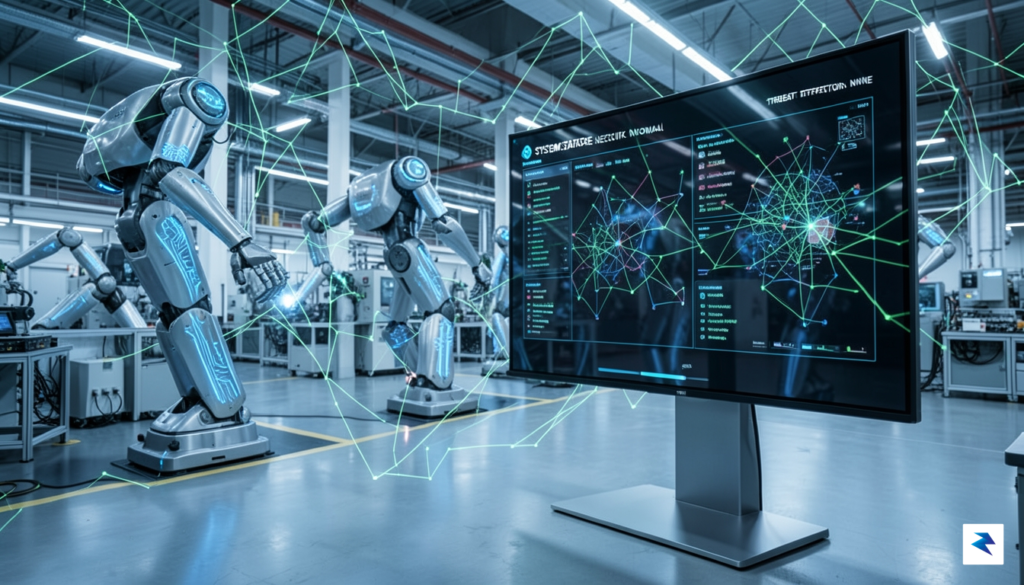
The rapid transformation of manufacturing into “smart factory” environments has brought unprecedented levels of efficiency, yet this evolution has fundamentally altered the threat landscape. Historically, industrial plants operated as “air-gapped” silos, physically separated from the corporate office network and the open internet. Today, the convergence of Information Technology (IT) and Operational Technology (OT) has dissolved these boundaries, effectively linking delicate machinery and industrial controllers with standard business software. While this integration allows for real-time data analytics and predictive maintenance, it also means that a breach in a standard workstation can now serve as a bridge into the very heart of the production floor.

One of the most persistent challenges in this modernization effort is the presence of legacy systems that were never designed for a networked world. Many high-tech manufacturing facilities rely on aging programmable logic controllers (PLCs) or proprietary software that lacks modern encryption and authentication protocols. Because these systems are often too expensive or too risky to replace, they remain active, functioning as “digital low-hanging fruit” for sophisticated cyber-adversaries. Once a malicious actor gains entry through a vulnerable entry point, they can often move laterally across the network with little resistance, as these older systems frequently lack the granular access controls and monitoring tools common in modern IT environments.
The core tension in modern manufacturing lies in the paradox of connectivity: the same digital pathways that enable global production speed also provide an unobstructed route for external threats to reach sensitive industrial assets.
Beyond the inherent fragility of older hardware, the rise of remote access and global supply chain connectivity has significantly expanded the digital perimeter. Modern smart factories are no longer isolated islands; they are integral nodes in a global network that requires constant communication with suppliers, logistics partners, and remote engineering teams. This reliance on remote management tools and cloud-based services means that the factory perimeter is effectively borderless. When a company integrates third-party vendors into its ecosystem, it inherits the security posture of those partners, creating a complex web of trust where a single weak link—whether it be a compromised vendor credential or an unpatched cloud interface—can jeopardize the entire manufacturing process.
Consequently, the industry is seeing a seismic shift from traditional physical security to a comprehensive digital perimeter defense. It is no longer enough to guard the factory gates; organizations must now implement “Zero Trust” architectures that assume no user or device is inherently safe, regardless of their position within the network. By enforcing strict identity verification, micro-segmentation of the network, and continuous monitoring of OT traffic, manufacturers are attempting to build digital resilience into their operations. However, as the recent incidents involving major electronics suppliers demonstrate, the race to secure these interconnected environments is a high-stakes challenge that remains one of the most critical hurdles for the future of global manufacturing.
What This Means for Apple, Tesla, and Consumers

For industry giants like Apple and Tesla, the Tata Electronics breach represents a critical turning point in how they evaluate the integrity of their global supply chains. When high-profile companies rely on a shared manufacturing partner, a vulnerability in that partner’s network is not merely an IT issue; it is a direct threat to their proprietary manufacturing processes and long-term strategic advantage. Consequently, we are likely to see a shift toward significantly more rigorous security audits and mandatory real-time compliance reporting. Apple and Tesla will undoubtedly demand unprecedented transparency from their suppliers, moving away from periodic check-ins toward a model of continuous, automated security monitoring to ensure that their intellectual property remains shielded from external threats.
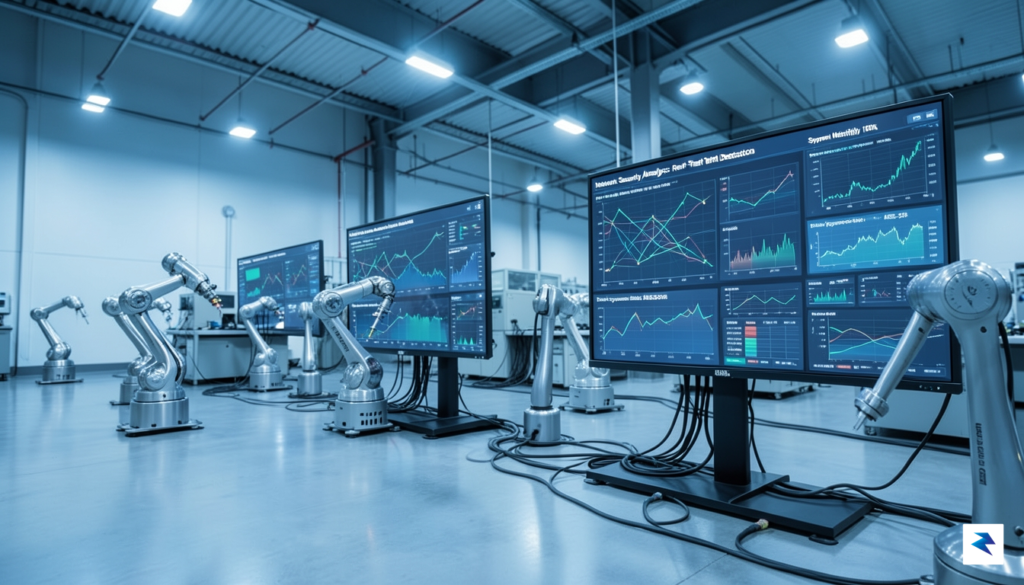
The fallout from this incident raises complex questions about the distinction between manufacturing intellectual property and individual consumer data. While the average consumer may not be the primary target of an industrial espionage attack, the interconnected nature of modern digital infrastructure means that if a supplier’s system is compromised, the risk of data leakage—including logistical information, employee records, or assembly line data—increases significantly. For Apple and Tesla, the priority is twofold: protecting the secret blueprints for next-generation devices or vehicle components, and maintaining the unwavering trust of their customer bases. If consumers believe that the devices they use or the cars they drive are linked to compromised manufacturing nodes, the brand equity of these tech titans could suffer, even if no direct consumer financial data was involved in the breach.
The true cost of a supply chain breach is measured not just in lost files, but in the erosion of the trust that forms the bedrock of high-stakes corporate partnerships.
Furthermore, this breach forces a re-evaluation of how much trust should be placed in third-party vendors during the scaling process. As companies like Tata Electronics grow to accommodate the massive production demands of Silicon Valley leaders, the complexity of their digital ecosystems expands, often creating hidden gaps in security protocols. To mitigate these risks, we can expect Apple and Tesla to enforce a “zero-trust” architecture across their entire supply chain, where even trusted partners are treated as potential vectors for intrusion. This move will likely require smaller suppliers to invest heavily in cybersecurity infrastructure to stay competitive, ultimately changing the landscape of global manufacturing to prioritize digital resilience alongside physical production capacity.
Best Practices for Supply Chain Cybersecurity

The recent incident involving Tata Electronics serves as a stark reminder for the entire manufacturing sector: the digital perimeter has expanded far beyond internal networks, encompassing every link in a complex supply chain. In an era where sophisticated threat actors constantly probe for vulnerabilities, adopting a proactive and multi-layered defense strategy is no longer optional but absolutely critical for safeguarding digital assets, operational continuity, and customer trust. Companies must act decisively to fortify their defenses against an increasingly hostile threat landscape.
Embracing Zero Trust Architecture
A fundamental shift in cybersecurity philosophy, Zero Trust, is paramount in today’s interconnected manufacturing environment. This paradigm operates on the principle of “never trust, always verify,” meaning no user, device, or application is inherently trusted, regardless of whether it’s inside or outside the traditional network perimeter. For manufacturers, this translates to rigorously verifying every access request, micro-segmenting networks to limit lateral movement, and enforcing least privilege access for both IT and critical Operational Technology (OT) systems. Implementing Zero Trust architecture helps prevent unauthorized access and significantly reduces the blast radius of any potential breach, ensuring that even if an attacker gains initial entry, their ability to navigate and compromise other systems is severely constrained.
Continuous Monitoring and Robust Incident Response
Prevention alone is insufficient; rapid detection and effective response are equally vital components of a resilient cybersecurity posture. Organizations must deploy continuous monitoring solutions that provide real-time visibility into all network traffic, endpoints, and data flows, leveraging advanced analytics and threat intelligence to identify anomalous behavior. Furthermore, a well-defined and regularly tested incident response plan is indispensable. This plan should detail clear steps for detection, containment, eradication, recovery, and post-incident analysis, ensuring that teams can react swiftly and effectively to minimize damage and restore operations. Regular simulations and tabletop exercises are crucial for refining these plans and ensuring all personnel understand their roles when a cyber crisis unfolds.
Comprehensive Vendor Risk Assessment Programs
Given the intricate web of modern supply chains, a company’s cybersecurity strength is often only as strong as its weakest vendor. It is imperative to establish comprehensive vendor risk assessment programs that scrutinize the security practices of every third-party supplier, partner, and contractor with access to sensitive data or critical systems. This includes thorough due diligence during onboarding, contractual agreements that mandate specific security standards, regular security audits, and continuous monitoring of vendor security postures. Establishing clear communication channels for security incidents and ensuring robust data protection clauses are also essential to mitigate risks originating from external entities, which are frequently exploited entry points for cyber attackers.
Cultivating a Strong Security Culture and Employee Training
While technology forms the backbone of cybersecurity, human factors remain a significant vulnerability. A robust security strategy must therefore include comprehensive, ongoing security awareness training for all employees, from the executive suite to the factory floor. Training should cover prevalent threats such as phishing, social engineering, malware, and proper data handling protocols, emphasizing the critical role each individual plays in protecting the organization’s digital assets. Fostering a security-first culture, where employees are empowered to identify and report suspicious activities without fear of reprisal, is paramount. Ultimately, a well-informed and vigilant workforce acts as the first and most critical line of defense against many common cyber threats.