The Mechanics of the Unpatchable Apple Silicon Flaw

At the heart of the security architecture for any iPhone lies the BootROM—a small, read-only segment of code hardwired directly into the processor during the manufacturing process. Because this code is physically etched into the silicon, it is essentially the “ground zero” of the device’s security chain; it is the very first thing that executes when you power on your phone. When researchers from the security collective known as Paradigm Shift identified a new vulnerability here, they found something fundamentally different from the typical bugs that Apple fixes with a quick download. Unlike a software flaw in an app or the operating system, which can be patched by modifying code stored on the flash memory, this discovery is a hardware-level issue that lives inside the physical circuitry of the chip itself.
To understand why this is categorized as “unpatchable,” it helps to think of the processor not as a flexible program, but as a rigid blueprint. When Apple manufactures an A-series chip, the instructions within the BootROM are finalized and permanently committed to the hardware. Once those chips leave the factory, that specific configuration cannot be altered or overwritten by a standard iOS update. Consequently, if a vulnerability exists at this foundational level, there is no way for Apple to “reach in” and rewrite the silicon to close the door. The flaw becomes a permanent characteristic of that hardware generation, meaning that any device containing the affected chip will remain susceptible to the exploit for the entirety of its functional lifespan.
This discovery represents a significant departure from the typical cat-and-mouse game between cybersecurity researchers and Apple’s software engineering team. Usually, when a vulnerability is reported, Apple issues a security patch that effectively instructs the operating system to ignore or block the exploit path. In this instance, however, the security barrier has been bypassed at a stage that occurs long before the operating system even begins to load. Because the exploit targets the hardware’s fundamental boot process, it grants a level of control that traditional software defenses simply cannot reach. By gaining access at this level, an attacker or a user attempting to jailbreak their device can effectively “unlock” the phone before its built-in security protocols have a chance to verify the integrity of the system.
Key Takeaway: Because this vulnerability resides in the physical architecture of the chip rather than in the iOS software, Apple cannot use its standard update mechanism to permanently fix the issue. The flaw is permanently embedded in the hardware’s design.
Ultimately, this research serves as a stark reminder that even the most secure hardware platforms are subject to the limitations of their initial design. While modern iPhones are significantly more hardened than their predecessors, the reality of silicon manufacturing is that once a physical flaw is identified, it cannot be undone. This does not necessarily mean that every device is immediately compromised, but it does change the landscape of mobile security for older hardware. It highlights the inherent trade-off between the performance and speed of hardware-level execution and the ability to adapt to new security threats as they are discovered in the wild.
Understanding the Security Implications for Older iPhones
This recently uncovered hardware vulnerability specifically targets a range of older iPhone models, primarily those equipped with earlier generations of Apple’s A-series chips. Devices from the iPhone X and older, for instance, are among those identified as lacking the sophisticated hardware mitigations present in more recent Apple silicon. This means that while newer iPhones have built-in protections against such low-level exploits, these legacy devices possess a fundamental architectural weakness that cannot be patched through software updates, rendering them permanently vulnerable to this specific type of attack throughout their lifespan.
It’s crucial for users to understand the distinction between this hardware flaw and typical software vulnerabilities. Unlike phishing scams or malware that can be delivered remotely over the internet, exploiting this particular vulnerability necessitates physical access to the target iPhone. An attacker would need to have the device in hand to initiate the exploit, typically involving a direct connection to a computer. This significantly narrows the window of opportunity for adversaries, shifting the threat model from broad, indiscriminate remote attacks to more targeted scenarios where an individual’s device might be physically compromised, perhaps through theft or a brief moment of unattended access.
Should an attacker successfully exploit this flaw with physical access, the implications for data security are profound. This vulnerability opens a potential pathway to bypass the Secure Enclave, a dedicated secure subsystem within Apple chips designed to protect sensitive user data like biometric information (Face ID, Touch ID) and cryptographic keys. Gaining access to the Secure Enclave could theoretically allow an attacker to extract or manipulate the device’s unique encryption keys. With these keys, the entire encrypted contents of the iPhone, including messages, photos, financial data, and other personal information, could be decrypted and accessed without the user’s consent or knowledge, effectively dismantling Apple’s robust “walled garden” security model at its very foundation for these older devices.
Despite the serious nature of an ‘unpatchable’ hardware flaw, it’s important to provide a balanced perspective on the practical threat for the average user. While the vulnerability is indeed permanent for affected devices, the requirement for physical access means that most users are at a relatively low risk. This type of exploit is typically reserved for high-value targets – individuals such as journalists, activists, government officials, or business executives – who are likely to be targeted by state-sponsored actors or sophisticated criminal organizations with the resources and motivation for physical device acquisition. For the vast majority of users, simply being mindful of who has physical access to your device, and for how long, remains the primary defense against this particular threat.
Therefore, while the technical implications are significant, the everyday user’s primary concern should remain safeguarding their device from theft or unauthorized physical access. Maintaining strong passcodes, enabling ‘Find My iPhone,’ and being vigilant about device security practices continue to be the most effective deterrents against various threats, including those requiring direct physical interaction. Awareness of this specific vulnerability simply reinforces the importance of these foundational security habits for users of older iPhone models, serving as a reminder that even the most secure systems have specific points of vulnerability that users must actively mitigate.
The Reality of Jailbreaking: Why It Matters Beyond Hobbyists

While the term jailbreaking often conjures nostalgic memories of early iPhone users installing custom themes or unauthorized app stores, the modern reality of these exploits has shifted into a much more somber domain. In the past, the pursuit was largely driven by a desire for UI customization and feature expansion that Apple’s “walled garden” denied its users. Today, however, the discovery of an unpatchable hardware-level flaw carries profound security implications that extend far beyond the hobbyist community. By bypassing the foundational boot-level restrictions that Apple implements to maintain system integrity, this vulnerability effectively dismantles the digital perimeter designed to keep malicious software and unauthorized code away from the user’s most sensitive data.
The dual-use nature of such a flaw creates a complex landscape where the line between security research and active exploitation becomes dangerously thin. On one hand, these vulnerabilities provide a vital blueprint for independent researchers to understand the limitations of hardware-backed security. Conversely, this exact same technical insight is highly coveted by private forensic firms and state-sponsored actors. These entities often leverage such flaws to gain persistent, low-level access to devices, allowing them to bypass encryption and extract private communications, location history, and biometric data without the user’s knowledge or consent. When a flaw resides in the silicon itself—rendering it immune to traditional over-the-air software updates—it effectively grants these actors a permanent “skeleton key” to the device.

To understand the gravity of this new discovery, it is helpful to look back at the historical precedent set by exploits like checkm8. That particular bootloader exploit changed the security landscape by proving that even a massive company like Apple could not retroactively “patch” a hardware design error once the chips were already in the hands of millions. This latest vulnerability fits squarely into that lineage, representing a class of exploits that target the very foundation of the device’s startup process. Unlike software bugs that can be mitigated with a quick patch, hardware flaws remain a persistent threat for the entire lifespan of the device.
The core danger of an unpatchable hardware flaw is that it removes the security ceiling; once the boot process is compromised, the operating system can no longer be trusted to protect itself from deep-level tampering.
Ultimately, the impact of this discovery forces a broader conversation about the mobile ecosystem’s reliance on hardware-based trust. As users increasingly store their entire financial, professional, and personal lives within these pocket-sized computers, the discovery of a permanent, unpatchable entry point serves as a stark reminder of the limitations of consumer-grade security. It shifts the narrative away from simple software patches and toward a difficult reality: when the hardware itself is the point of failure, the most robust security software in the world may no longer be enough to guarantee a user’s privacy.
Apple's Hardware Security Architecture and Its Limits
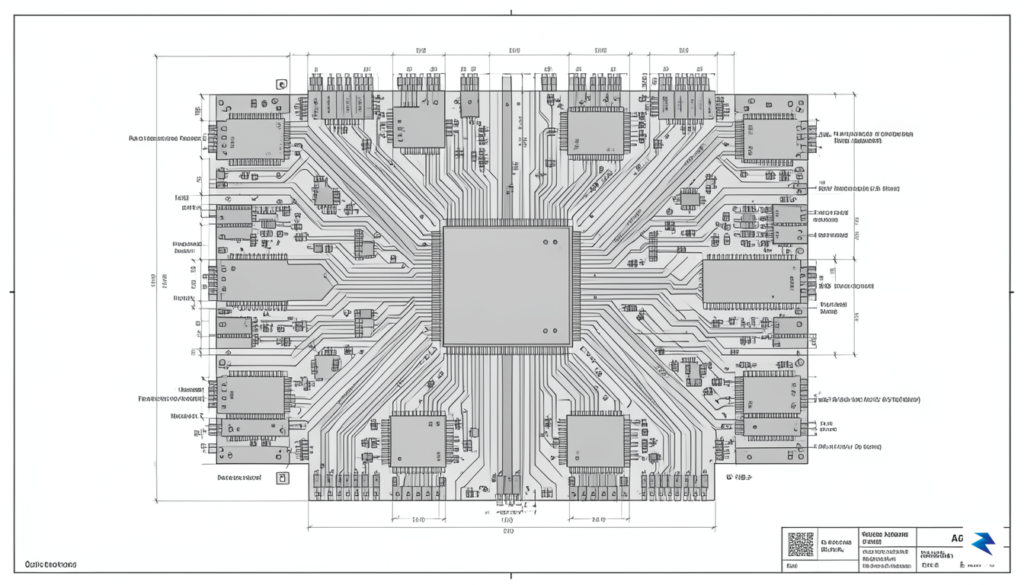
Apple has long championed its “Secure Enclave”—a dedicated, isolated coprocessor integrated into its system-on-a-chip architecture—as the gold standard for mobile privacy. By keeping sensitive operations like biometric authentication and cryptographic key management physically separated from the main processor, Apple created a fortress designed to withstand even the most determined software-based attacks. However, the discovery of this unpatchable flaw serves as a sobering reminder that even the most sophisticated silicon is not immune to the relentless march of time and the increasing ingenuity of security researchers. When hardware is manufactured, it is essentially frozen in a specific state of technological maturity, while the methods used to break into it continue to evolve at a blistering pace.
The core of the issue lies in the inescapable trade-offs inherent in hardware design. When engineers develop an iPhone chip, they must balance raw performance, energy efficiency, and security features within a constrained physical footprint. As chips age, the “security debt” begins to accumulate; what was considered an impenetrable design three or four years ago may now be vulnerable to new analytical techniques that simply did not exist during the chip’s testing phase. This leads to a precarious situation where the hardware becomes a static target, while offensive cybersecurity research becomes a dynamic, ever-expanding toolkit of new exploits. Once a flaw is discovered at the silicon level—a breakdown in the fundamental logic gates or the pathways of the processor—it cannot be “pushed” away through a standard iOS update.
“Security is not a static destination but a continuous process. When the foundation of that security is etched into physical silicon, any inherent flaw becomes a permanent fixture of the device’s lifecycle.”

Because software patches rely on the underlying hardware to execute instructions securely, a physical design flaw effectively bypasses the entire defense-in-depth strategy Apple relies upon. If the vulnerability resides in the way the chip handles boot-level processes or memory access at the hardware level, there is no virtual “patch” that can override those physical pathways. This limitation highlights the expiration date of all hardware: eventually, the gap between the chip’s original design capabilities and the modern landscape of cyber threats becomes too wide to bridge. For users, this means that even the most secure devices eventually become legacy equipment, leaving them exposed to exploits that exploit the very physical architecture that was once their greatest strength.
How to Protect Your Device Against Emerging Threats
While the discovery of an unpatchable hardware vulnerability might sound alarming, it is important to remember that such exploits typically require physical access to your device to be effective. You do not need to rush out and discard your current iPhone, but you should certainly refine your security posture to account for this hardware reality. The most robust defense against these types of vulnerabilities is maintaining rigorous digital hygiene, which minimizes the opportunities for an attacker to interact with your device at a low level.

To start, your first line of defense remains a strong, complex alphanumeric passcode. Because hardware exploits often rely on bypassing software locks, a long, unique passcode makes it significantly harder for an unauthorized party to gain the initial foothold required to trigger such a vulnerability. Furthermore, you should navigate to your settings and ensure that USB Restricted Mode is enabled; this feature prevents USB accessories from establishing a data connection with your iPhone if it has been locked for more than an hour, effectively neutralizing many hardware-based exploit tools. Similarly, you should exercise extreme caution at public charging stations, such as those found in airports or cafes, as these ports can potentially be used for unauthorized data extraction. If you must charge in public, consider using a portable power bank or a “data blocker” adapter that allows power to pass through while physically disconnecting the data pins.
Key Takeaway: Hardware-level flaws are most dangerous when an attacker has physical control over your device. By limiting physical access and restricting data-transfer ports, you mitigate the vast majority of real-world risks associated with this vulnerability.
For users who handle highly sensitive information—such as journalists, activists, or those managing proprietary business data—it may be time to weigh the risks of continued usage against the benefits of an upgrade. While an older device might still function perfectly for daily tasks, it lacks the modern secure enclave architecture designed to withstand these specific types of hardware-level interference. If your threat model involves high-stakes security, transitioning to a newer model with the latest silicon is the most effective way to ensure that you are protected by the most recent hardware-based defenses. Ultimately, by combining common-sense physical security with a proactive approach to your hardware lifecycle, you can continue to use your device with confidence despite the discovery of these underlying flaws.