The Evolution of the Interview Format: From Late Night to Digital Bites
For decades, the celebrity interview was locked in a rigid, highly curated ecosystem. Late-night television served as the ultimate stage for publicists to parade their clients through a series of safe, pre-approved anecdotes, often accompanied by a promotional clip and a polite, rehearsed laugh. In this environment, the “interview” was less a conversation and more a transactional performance designed to shield stars from genuine scrutiny. The power dynamic was clear: the host provided the platform, and the guest provided the soundbites, with both parties strictly adhering to the unspoken rules of the Hollywood press junket.
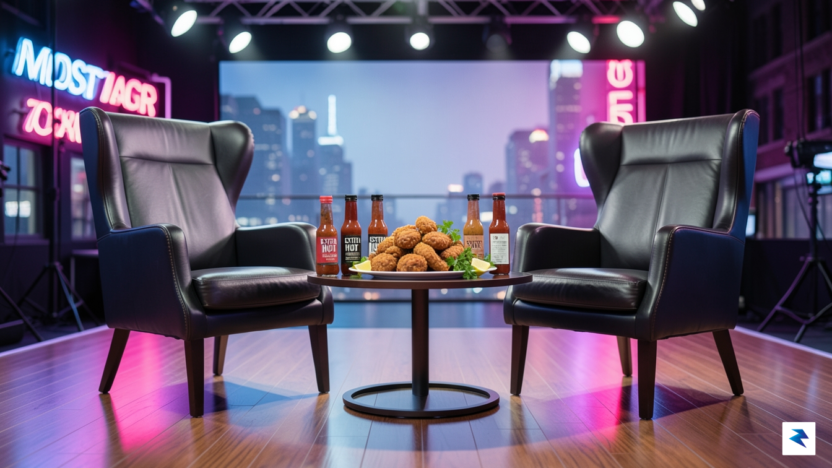
The digital revolution, however, shattered this veneer of polished perfection. As audiences grew increasingly weary of scripted interactions and sanitized soundbites, a new wave of content creators began to prioritize raw authenticity over studio-produced gloss. Enter Hot Ones, a digital juggernaut that fundamentally rewired the expectations of an interview. By placing celebrities in a high-stakes, physically uncomfortable environment—namely, a chair across from a host who is armed with increasingly volatile hot wings—the show forced guests to abandon their media training. When a guest is struggling with a capsaicin-induced physiological response, the carefully constructed persona that usually dominates talk show appearances begins to crumble, revealing the human being beneath the celebrity brand.
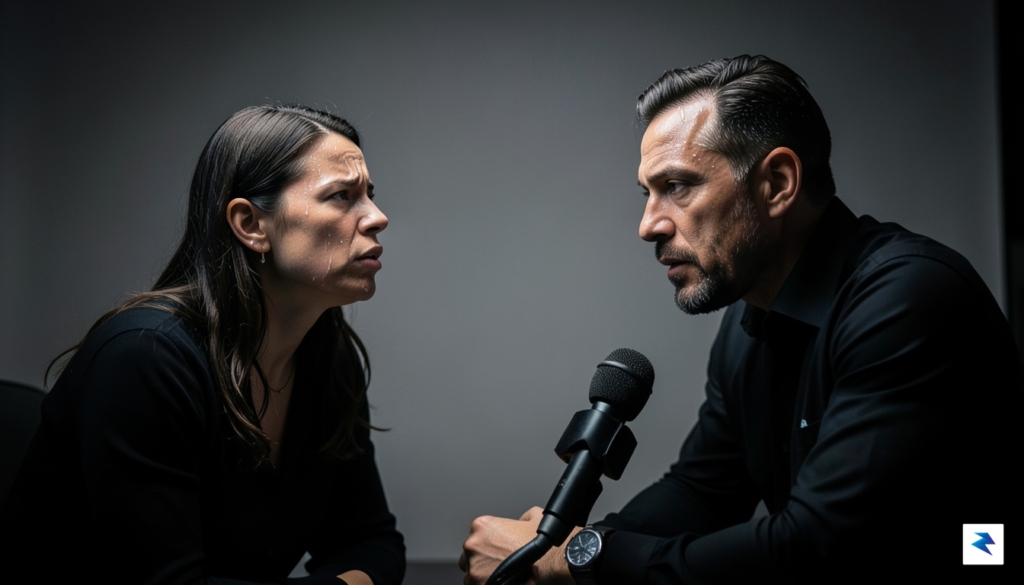
The psychological impact of this format is profound and serves as the secret sauce to the show’s massive success. Physical discomfort acts as a truth serum; it occupies the cognitive bandwidth typically reserved for self-editing and strategic evasion. When a guest is focused on managing the heat of a “Da Bomb” wing, they have little energy left to maintain their PR-vetted exterior. Consequently, the questions posed by Sean Evans—which are famously researched to a forensic degree—land with a weight and intimacy rarely seen in legacy media. This shift signifies a departure from the “softball” questions of the past, favoring a dynamic where the host’s deep preparation meets the guest’s involuntary vulnerability.
Ultimately, the success of the digital-first interview format proves that audiences are not looking for more polish; they are looking for presence. By trading the safety of a velvet-cushioned talk show chair for a table of wings, modern media has proven that the most compelling moments happen when the script is left behind.
As the industry observes this evolution, it becomes clear that the traditional late-night model is no longer the gold standard for engagement. Today’s viewers value the “unfiltered” experience, where the barrier between icon and audience feels permeable. Because Hot Ones effectively turned the interview into a test of character rather than a promotional vehicle, it created a blueprint that legacy media platforms are now racing to emulate. This transformation is not merely a gimmick; it is a fundamental shift in how we define celebrity access and the value of a candid, unscripted moment in an age of constant digital noise.
Why Netflix is Betting on the Creator Economy

For years, Netflix defined its strategy by investing heavily in high-budget scripted dramas and blockbuster films designed to garner critical acclaim and industry awards. However, the decision to bring a Hot Ones spinoff under its banner marks a fundamental shift in philosophy, signaling that the platform is no longer content to simply create hits from thin air. Instead, Netflix is pivoting toward the creator economy, effectively importing established, audience-tested intellectual property that already boasts millions of loyal, highly engaged fans. By acquiring a digital-first staple, the streaming giant is minimizing the risk associated with new launches; it is betting on a proven format that has already survived the brutal, fickle attention economy of social media.
This transition represents a move from being a singular producer of original content to a sophisticated aggregator of proven digital hits. Rather than competing against the chaotic, viral nature of platforms like YouTube, Netflix is choosing to harness that energy, bringing the creators and the community-building power of digital media directly into the streaming fold. The goal is to bridge the gap between casual platform browsing and deep-seated viewer loyalty. By integrating a brand that relies on the “low-friction” engagement of a talk show—one that is easy to consume, shareable, and inherently conversational—Netflix creates a more accessible entry point for viewers who might not be looking for an intense, ten-hour binge-watch session.

Beyond the immediate appeal of the format, Netflix is clearly looking to monetize the Hot Ones brand in ways that transcend the constraints of free video platforms. While the original series has thrived on ad revenue and brand partnerships, Netflix can leverage its subscription-based model to build a more immersive ecosystem. This could manifest as exclusive extended cuts, behind-the-scenes content that isn’t available on social media, or even gamified interactive experiences that encourage deeper subscriber retention. By treating the creator economy as a pipeline for premium entertainment, Netflix is essentially diversifying its library with “lean-back” content that keeps users on the platform for longer durations during their daily routines.
The true value of this acquisition lies not just in the content itself, but in the existing community; Netflix is essentially purchasing a pre-built audience that already understands the rules of engagement, drastically lowering the cost of customer acquisition for a new series.
Ultimately, this strategy acknowledges that the modern viewer’s attention is increasingly fragmented. By leaning into formats that are already culturally ubiquitous, Netflix secures a “shortcut” to relevance. The platform is essentially betting that if it can mirror the success of digital creators while applying the high-gloss production values of a global studio, it will successfully capture both the casual, scroll-happy internet user and the dedicated streaming subscriber. This fusion of creator-led spontaneity and studio-backed prestige may well be the blueprint for the next decade of digital entertainment.
Decoding the 'Hot Ones' Appeal: Why Fans Can't Look Away
At its core, the enduring success of this format hinges on a psychological phenomenon known as the leveling effect. By introducing the physical agony of extreme capsaicin, the show strips away the polished, media-trained veneer that defines standard celebrity interviews. When a guest is visibly struggling to maintain their composure while battling a ten-million Scoville unit sauce, the practiced, rehearsed answers evaporate. In that moment of intense physiological distress, the guest stops performing for the camera and begins to react with raw, unfiltered human instinct. This shift transforms a typical promotional appearance into a gripping psychological study, where the audience feels they are witnessing a genuine human moment rather than a scripted marketing beat.
This vulnerability is amplified by the host’s meticulous, deep-dive research. While most late-night hosts rely on pre-approved talking points or superficial anecdotes, the interview style here is characterized by an almost journalistic obsession with the guest’s obscure history. By asking questions that celebrities haven’t been forced to answer a thousand times before, the host catches them completely off guard. When this intellectual challenge is paired with the physical challenge of the wings, the guest is forced to multitask under extreme pressure. They cannot rely on their standard PR playbook, which creates a unique space for sincerity, spontaneity, and, quite often, hilarity that simply doesn’t exist in traditional long-form podcasts or talk shows.
The genius of the format lies in its ability to force a compromise between the guest’s desire for control and the host’s demand for authenticity, creating a high-stakes environment where the only way to survive is to be yourself.
Furthermore, the show maintains remarkably high retention rates because it functions as both an endurance sport and a high-brow conversation. Unlike standard conversational podcasts that can meander, this format provides a clear, escalating narrative arc. Viewers are not just tuning in to hear about a new project; they are watching a transformation. From the initial bravado of the first mild wing to the humbled, sweating, and often reflective state of the final round, the progression keeps the audience anchored. This combination of physical spectacle and intellectual depth satisfies two distinct cravings at once: the human desire to watch others endure a challenge and the intellectual hunger for meaningful, unscripted insight into the lives of cultural icons.
The Strategic Shift: YouTube vs. Streaming Giants
The acquisition of a Hot Ones spinoff by Netflix marks a definitive turning point in the long-simmering competition between traditional streaming giants and the decentralized powerhouse of YouTube. For years, these two ecosystems operated in distinct lanes: Netflix served as the destination for prestige cinema and episodic television, while YouTube functioned as the primary home for creator-led, community-driven content. However, as the line between the traditional “celebrity” and the “YouTuber” continues to dissolve, that separation has become increasingly artificial. By integrating a proven format from the digital-first creator economy into its massive, globally distributed infrastructure, Netflix is effectively acknowledging that the most potent intellectual property no longer emerges solely from studio boardrooms, but from the highly engaged, algorithm-tested trenches of YouTube.
This strategic pivot is a calculated move to capture the shifting attention spans of a younger demographic that views episodic, bite-sized entertainment as a primary cultural currency. In an era where viewers are bombarded with endless choices, the “formula” perfected by digital creators—low-friction, high-engagement, and personality-centric—has proven more resilient than many high-budget, scripted projects. Netflix realizes that to remain relevant, they cannot rely exclusively on traditional production pipelines. Instead, they must cultivate a hybrid model that marries the production values and reach of a streaming titan with the authenticity and viral mechanics of creator-led programming. This isn’t just about adding another show to the library; it is about legitimizing the creator-to-platform migration that has been percolating for the better part of a decade.

The industry is moving toward a post-platform era where the origin of a show matters far less than its ability to foster a dedicated, recurring community of viewers.
Looking ahead, this purchase likely signals the beginning of a larger trend in which streaming platforms aggressively court top-tier YouTube talent and formats to bolster their catalogs. As YouTube stars evolve into bona fide media conglomerates, the competition to bring them into the fold of legacy streaming services will only intensify. This shift creates a new precedent: the creator economy is no longer a peripheral competitor to Hollywood, but rather the new R&D lab for the entire entertainment industry. By absorbing these proven formats, streaming giants are essentially hedging their bets against the volatility of original scripted content, opting instead for the security of established fanbases and the proven engagement metrics that YouTube creators have already spent years refining.
What This Means for the Future of Celebrity Media
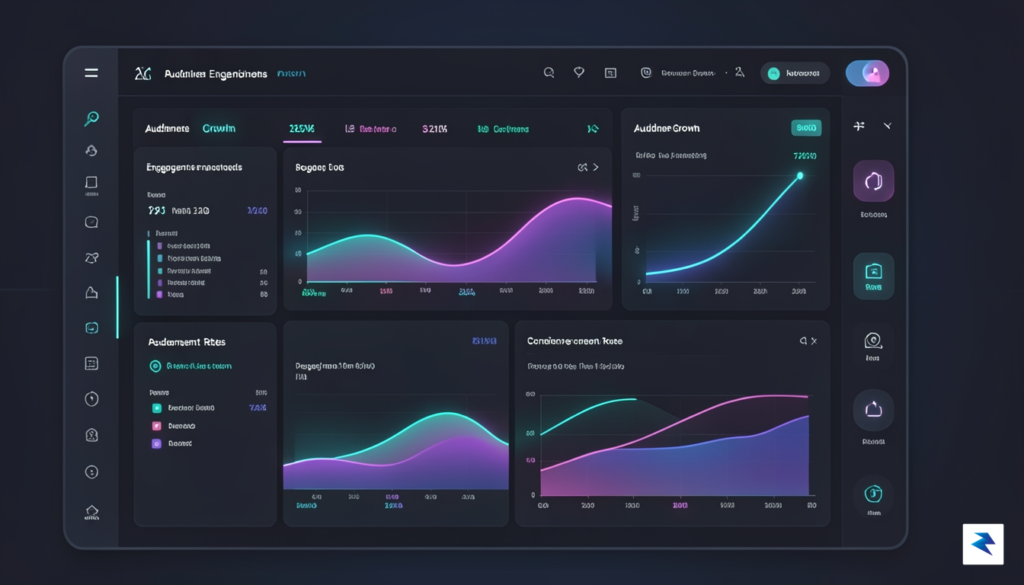
The acquisition of a Hot Ones-style format by a platform like Netflix signals a seismic shift in the entertainment landscape, effectively marking the decline of the traditional, scripted promotional circuit. For decades, celebrities have been tethered to the rigid, often sterile confines of morning talk shows and late-night guest chairs, where questions are recycled and answers are carefully curated by publicists. However, modern audiences have developed a sophisticated “authenticity radar,” and they are increasingly rejecting these polished, performative interactions in favor of content that feels human and unvarnished. Studios and talent agencies are now pivoting, realizing that the most effective marketing tool is no longer a standard press release or a bland interview segment, but rather a high-stakes experience that forces a star to drop their guard.
As this shift gains momentum, PR firms are fundamentally restructuring how they prepare talent for the spotlight. Rather than coaching clients on how to deflect difficult questions or stay on-message, agencies are beginning to prioritize “experiential media training.” This involves acclimating stars to environments where they must maintain their composure under genuine duress, whether that is physical discomfort, intellectual challenges, or unpredictable social dynamics. By placing celebrities in situations where they cannot rely on a teleprompter or a pre-approved script, marketers are betting that the resulting vulnerability will resonate more deeply with viewers, creating a stronger emotional connection than a thousand scripted soundbites ever could.

In the attention economy, authenticity has become the primary currency. When a celebrity is willing to be uncomfortable, they stop being a distant icon and start being a relatable human being.
Furthermore, this move foreshadows a new era of “spin-off culture” in streaming, where the value of intellectual property is measured by its capacity to serve as a versatile vehicle for promotion. Netflix and its competitors are likely to lean into formats that blend entertainment with promotional utility, effectively turning the press tour into a destination show in its own right. We should expect to see a wave of proprietary games, challenges, and immersive interviews that turn the act of marketing into a binge-worthy series. This transition ensures that the audience remains engaged with the content even while the celebrity is technically “selling” a new project, blurring the line between promotion and pure entertainment.
Ultimately, the long-term impact of this trend is a total democratization of the celebrity interview. As viewers continue to gravitate toward shows that test the mettle of their favorite stars, the high-gloss, low-substance press junket will struggle to maintain relevance. Digital audiences demand a transparent look at the people behind the silver screen, and in the future, success will be defined by a talent’s willingness to embrace the chaos. By prioritizing real reactions over rehearsed anecdotes, the industry is not just changing how it markets films and series; it is fundamentally altering the relationship between the star and the fan.