The Return of the Steam Machine: A New Era for PC Gaming
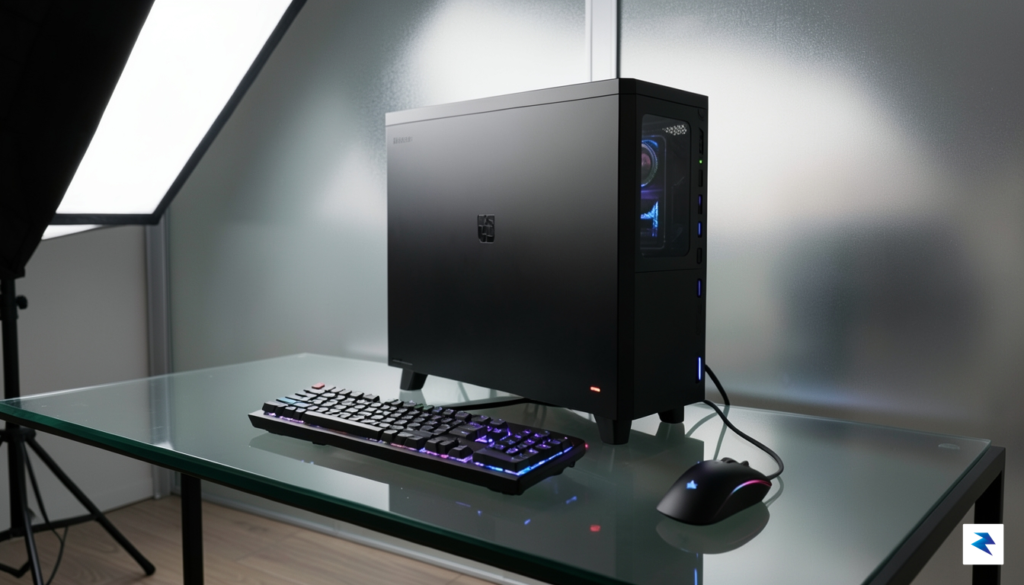
For years, the concept of a living room PC felt like an ambitious, albeit disjointed, experiment that never quite bridged the gap between enthusiast desktop culture and the frictionless experience of a dedicated console. When Valve first introduced the Steam Machine initiative nearly a decade ago, it was hampered by a fractured ecosystem, limited native software support, and hardware that struggled to justify its existence against the established giants of the living room. However, today’s launch marks a fundamental departure from those early growing pains. By leveraging years of refinement in the SteamOS architecture and a drastically improved library of titles compatible with Linux-based environments, Valve has transformed what was once a technical curiosity into a polished, cohesive gateway for the modern gamer.
This pivot is far more than a simple hardware refresh; it represents a strategic realignment of Valve’s long-term vision to liberate PC gaming from the confines of the desk. The technical hurdles that plagued the first generation—specifically the lack of deep driver optimization and the scarcity of games that could run natively outside of Windows—have been systematically dismantled. Through the development of the Proton compatibility layer, Valve has successfully enabled thousands of games to run seamlessly on their hardware without requiring developers to port their software individually. This breakthrough ensures that the library available to users is not just a niche collection, but the vast, expansive catalog that Steam users have come to expect, now accessible with the simple click of a button.
The true genius of this iteration lies in its ability to offer the raw performance of a high-end PC with the refined, “plug-and-play” accessibility that console players have enjoyed for generations.
Beyond the technical improvements, this launch is a pivotal moment for the gaming industry at large. As hardware becomes increasingly standardized, the real battleground has shifted toward user experience and ecosystem integration. Valve is positioning this device not as a direct competitor to the console market, but as a superior alternative for the player who values the freedom of PC gaming—such as modding, open storefronts, and customizable hardware—without wanting to sacrifice the comfort of a couch-based environment. By reclaiming the living room, Valve is signaling that the era of the closed-garden console is being challenged by a more versatile, community-driven philosophy. It is a bold move that acknowledges the past, learns from its failures, and sets a new, sustainable standard for how we experience digital entertainment in our homes.
Hardware Specifications: Power Meets Portability
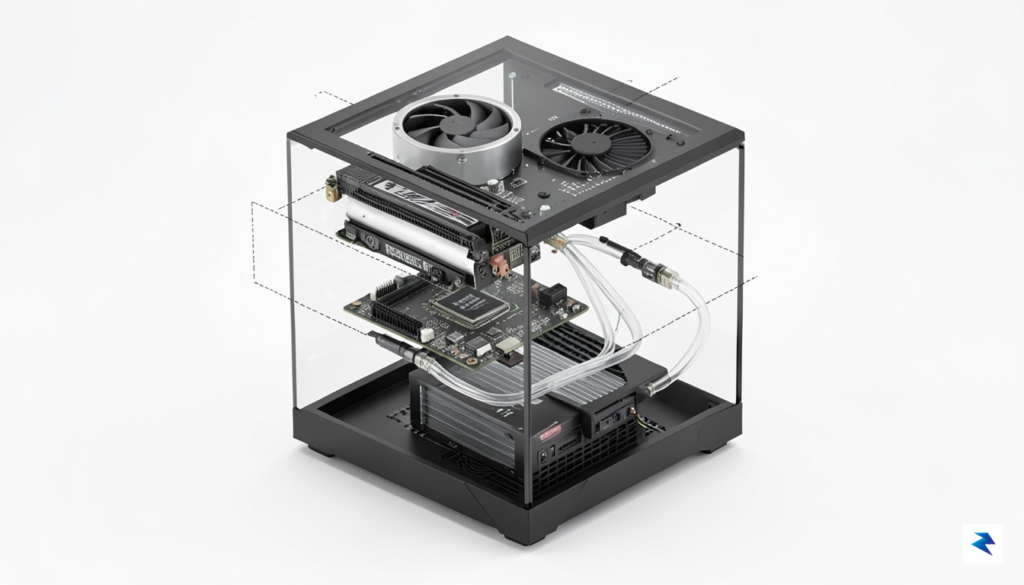
The new Steam Machine isn’t just another entry into the competitive gaming hardware market; it’s a carefully engineered marvel designed to redefine expectations for small-form-factor PCs. Valve has meticulously balanced the raw processing might typically found in high-end desktop towers with the stringent thermal and spatial constraints of a living room-friendly console. The result is a device that promises to deliver an uncompromising gaming experience, quietly and efficiently, directly into your entertainment center.
At its core, the system boasts a formidable combination of bleeding-edge components. Powering the experience is a custom-fabricated AMD Ryzen processor, featuring eight Zen 4 cores and sixteen threads, capable of dynamically boosting clock speeds to deliver exceptional single-core and multi-core performance for both gaming and demanding applications. This is paired with a generous 32GB of high-speed DDR5 RAM, ensuring ample bandwidth for complex game environments, multitasking, and rapid data access, which collectively contributes to an incredibly fluid and responsive system, minimizing bottlenecks even under intense load.
The graphical prowess is undeniably where this Steam Machine truly shines, offering a bespoke GPU solution that targets uncompromised 4K gaming experiences. This integrated graphics processor, leveraging the latest RDNA 3 architecture, is engineered to render visually stunning worlds with high fidelity and smooth frame rates, even at native 3840×2160 resolution. While current-generation consoles like the PlayStation 5 and Xbox Series X often rely on dynamic resolution scaling or performance modes to achieve 4K output, the Steam Machine is built from the ground up to consistently deliver native 4K with advanced graphical settings enabled, providing a noticeable leap in visual clarity and detail. Gamers can expect to enjoy demanding AAA titles at a consistent 60 frames per second at 4K, with many lighter titles even pushing towards 120fps at this resolution, setting a new benchmark for compact gaming devices.
Achieving such desktop-class performance within a remarkably compact chassis demands an equally sophisticated thermal management system. Valve has incorporated an advanced vapor chamber cooling solution, meticulously designed with optimized airflow pathways and ultra-quiet, high-static pressure fans. This bespoke cooling apparatus efficiently dissipates heat from both the CPU and GPU, maintaining optimal operating temperatures even during extended gaming sessions, all while ensuring the acoustic output remains barely perceptible. This attention to thermal engineering means the Steam Machine can sit unobtrusively in your living room without the distracting whir of typical gaming PCs.
Beyond its formidable initial specifications, one of the most compelling aspects of the Steam Machine is its commitment to future-proofing through modularity and user-friendly upgradeability. Unlike the fixed hardware configurations of traditional consoles, this device grants users the freedom to upgrade key components over time. Both the high-speed NVMe SSD storage and the system RAM are user-serviceable, allowing for easy expansion as game sizes grow or if you desire even faster performance. While the core CPU and GPU are integrated into a custom module, Valve has indicated possibilities for future module upgrades, offering an unprecedented level of longevity and adaptability for a living room gaming device. This modular approach sets it apart, empowering users to keep their system cutting-edge for years to come.
SteamOS Evolution: Bridging the Desktop and Console Divide
At the center of this living room resurgence is the refined iteration of SteamOS, an operating system engineered to dissolve the traditional barriers between complex PC architecture and the intuitive nature of a home console. For years, the primary deterrent for console gamers moving to PC was the inherent friction of the platform: navigating driver updates, managing background processes, and troubleshooting installation paths. SteamOS effectively sweeps these obstacles away, presenting a controller-first interface that prioritizes immersion over technical maintenance. By streamlining the user experience into a high-definition, big-picture environment, the system allows players to navigate their libraries, download titles, and jump into gameplay without ever needing to touch a mouse or keyboard.
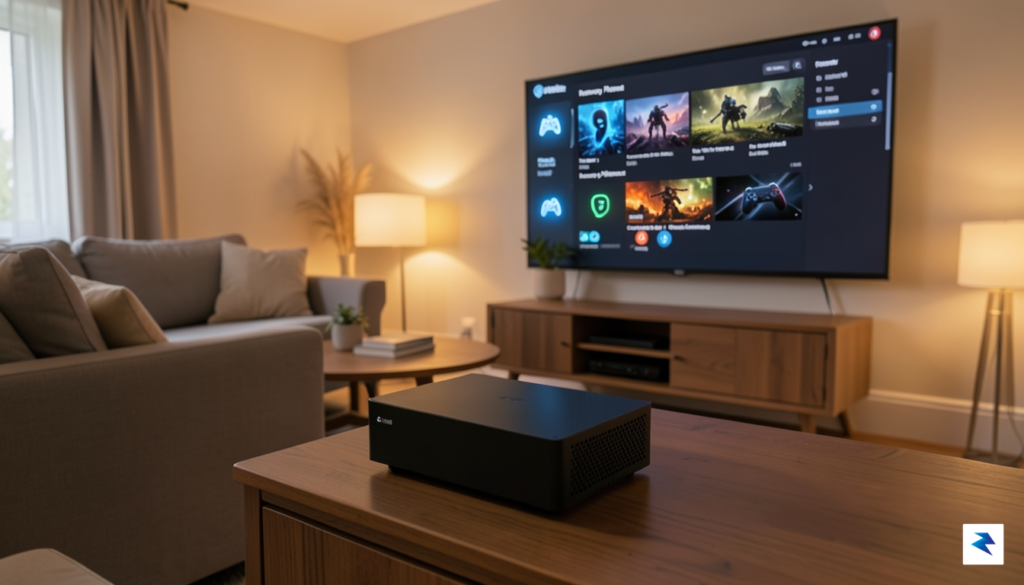
The true magic of this modern ecosystem lies in the efficiency of the underlying compatibility layer, Proton. By bridging the gap between Windows-based game binaries and the Linux-based architecture of the machine, Valve has ensured that the vast majority of the Steam library is playable with no manual configuration required. This invisible hand of compatibility means that games just work; the user is spared the headache of compatibility modes or missing dependencies. Furthermore, the seamless integration of Steam Cloud saves ensures that your progression follows you from your desktop workstation to the living room sofa, creating a unified ecosystem where your gaming identity is fluid and persistent across every device you own.
A Unified Living Room Experience
Beyond simple compatibility, the “boot-to-game” philosophy defines the modern SteamOS experience. Upon powering on the device, the system bypasses the traditional desktop environment entirely, launching directly into a curated dashboard that emphasizes immediate play. This design choice mimics the instantaneous gratification of classic consoles, yet it retains the deep customization options that PC enthusiasts demand. Whether you are adjusting graphical presets to optimize performance or checking social updates from friends, the interface remains responsive and fluid. It is this balance—the raw power of PC hardware wrapped in the approachable, polished shell of a dedicated gaming appliance—that finally bridges the divide. By eliminating the technical maintenance that once gated high-end gaming, Valve has successfully brought the unrestricted potential of the PC into the heart of the home entertainment center.
The goal of SteamOS is to turn the PC into a true living room appliance, where the focus remains exclusively on the player’s choice and the game itself, rather than the operating system beneath it.
Ultimately, the evolution of SteamOS represents a shift in how we perceive the utility of a gaming rig. It is no longer just a productivity machine that happens to run games; it has become a dedicated platform for entertainment that respects the user’s time. By handling the heavy lifting of updates and background optimization, the system fosters an environment where the hardware simply gets out of the way, allowing the software to shine in its intended high-fidelity environment.
The Ecosystem Strategy: Why Valve is Doubling Down Now

Valve’s resurgence into the living room is far more than a simple attempt to capture hardware market share; it is a calculated defensive maneuver designed to safeguard the openness of the PC gaming landscape. In an era where proprietary console ecosystems increasingly enforce “walled garden” policies—restricting where users can purchase software, how they modify their games, and who they can play with—Valve is positioning the Steam Machine as the ultimate champion of user agency. By bridging the gap between the high-performance capabilities of a custom PC and the convenience of a console, Valve is effectively insulating its massive user base from the encroaching reach of platform monopolies that seek to gatekeep digital storefronts and limit cross-platform flexibility.
The strategic genius of this move lies in the seamless integration of Steam’s vast infrastructure with living room hardware. Features like the Steam Workshop are not merely add-ons; they are essential components of an open platform philosophy that empowers modders and creators to customize their experience without interference. By controlling both the software gate—the Steam storefront—and the hardware gateway—the Steam Machine—Valve ensures that the PC remains a modular, accessible ecosystem where the user, not the manufacturer, retains final authority over their digital library. This duality creates a powerful feedback loop: as the hardware becomes more capable and accessible, more users are incentivized to invest in the Steam ecosystem, which in turn fuels further development of open-source tools and community-driven content.
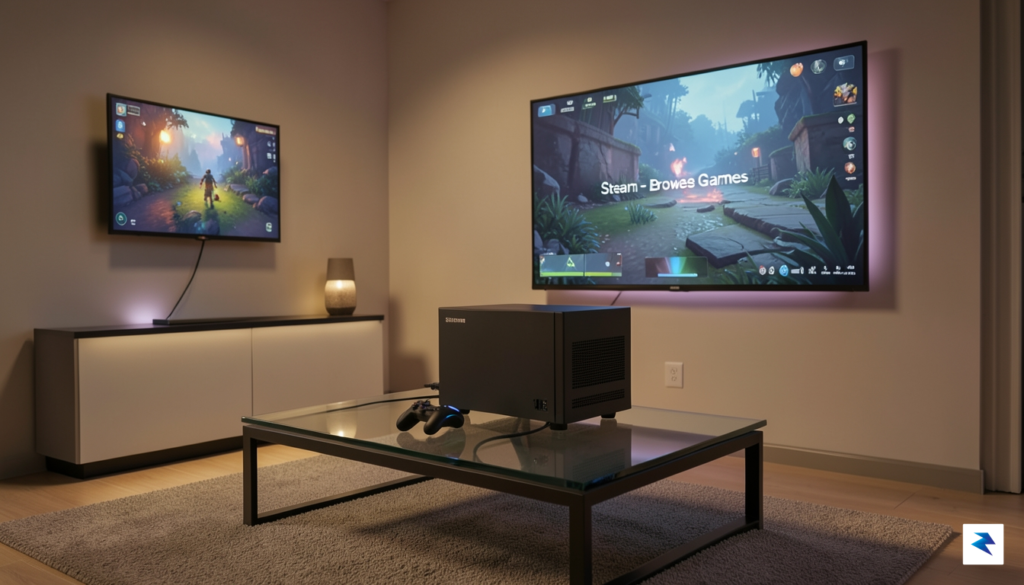
Looking forward, the Steam Machine acts as a critical anchor that works in tandem with the portable Steam Deck, creating a unified hardware narrative. While the Steam Deck provides the freedom of mobility, the Steam Machine offers the raw, localized power necessary for the most demanding titles, ensuring that a player’s library is viable regardless of the setting. This multi-pronged hardware strategy serves to solidify Steam as the primary operating system for gaming, effectively neutralizing the threat of restrictive competitors. By prioritizing compatibility and cross-platform ownership, Valve is not just selling hardware; they are securing the long-term viability of the PC as a primary gaming destination, ensuring that the platform remains free from the arbitrary limitations found in traditional console markets.
The true strength of Valve’s strategy is the realization that in the modern digital age, the device is secondary to the ecosystem; by keeping the hardware open, they ensure that the PC gaming experience remains the most versatile and player-friendly environment in the industry.
Ultimately, this push into the living room serves the end user by fostering a healthy, competitive environment where quality and consumer choice are the primary drivers of success. When hardware is designed to be as open as a standard desktop computer, it prevents any single entity from dictating the future of digital ownership. For the average gamer, this means that their investment in a library of games is protected, their ability to upgrade their hardware remains intact, and their gaming experience is never tethered to the shifting whims of a closed-platform holder. As these machines begin to populate living rooms worldwide, they stand as a testament to the idea that gaming should be an accessible, community-driven experience defined by the user’s preferences rather than corporate mandates.
Competitive Landscape: How the Steam Machine Challenges Modern Consoles
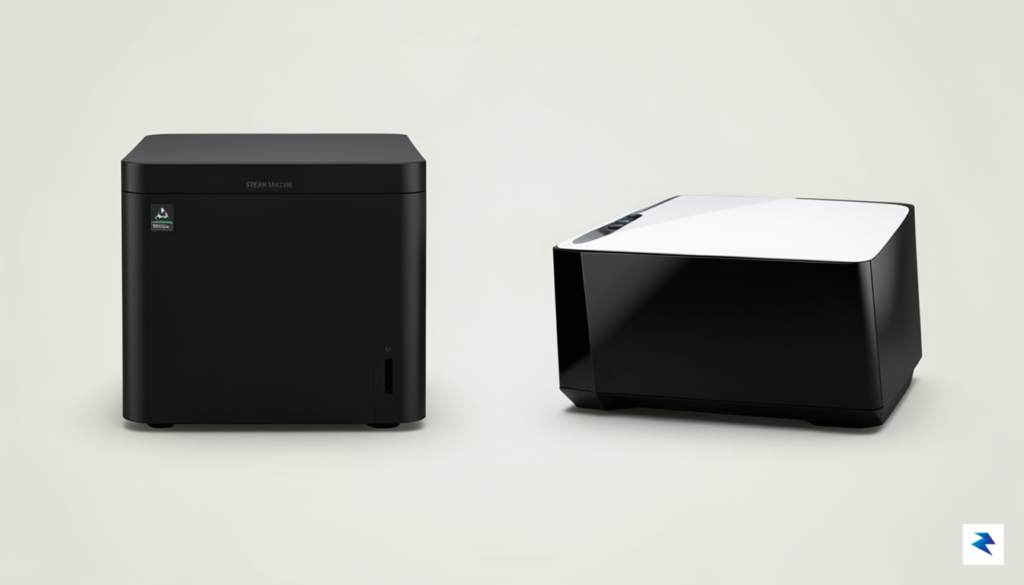
The modern living room gaming landscape is a fiercely contested arena, dominated by established giants like PlayStation, Xbox, and Nintendo. As the Steam Machine makes its highly anticipated return, it doesn’t merely aim to join this fray; it seeks to redefine a segment of it. This isn’t a direct head-to-head battle on identical terms, but rather an offering that leverages the inherent strengths of the PC gaming ecosystem, packaged for the comfort of the couch. Valve’s latest endeavor is banking on a distinct value proposition that traditional consoles, by their very nature, are often unable to replicate.
One of the most compelling arguments for the Steam Machine lies in its access to the PC gaming market’s robust pricing model. Unlike console storefronts, which typically maintain higher prices for new releases and offer more modest discounts, Steam is renowned for its aggressive sales events. Major seasonal promotions—like the Summer, Winter, and Autumn sales—regularly slash prices by 50-75% or even more on a colossal library of titles, often including AAA blockbusters just months after their launch. This translates into significant long-term savings for consumers, allowing them to build an expansive, diverse game collection without the premium cost often associated with console-exclusive titles or full-price digital purchases.
Beyond just the price of entry, the Steam Machine inherits the vast, vibrant world of PC modding communities, a feature largely absent from traditional console ecosystems. While consoles offer curated DLC and occasional content updates, PC games often boast millions of user-created modifications. These range from minor graphical enhancements and quality-of-life improvements to entirely new quests, characters, or even total game overhauls that breathe fresh life into older titles. Games like The Elder Scrolls V: Skyrim or Fallout 4 are legendary for their modding scenes, extending their replayability and customization potential almost indefinitely, fostering a creative player base that continually innovates and expands upon original game designs. This open-ended creativity is a unique draw that proprietary console platforms cannot match.
Furthermore, the Steam Machine offers a more integrated and flexible approach to multiplayer gaming through its connection to the broader PC cross
Final Verdict: Is the Steam Machine Right for Your Setup?

Deciding whether to integrate a Steam Machine into your entertainment center depends largely on your current relationship with PC gaming and your tolerance for technical customization. For the seasoned PC enthusiast, this hardware represents a long-awaited bridge between the raw performance of a desktop rig and the comfort of the living room couch. These users will find the open nature of the SteamOS environment refreshing, offering the freedom to tweak settings, manage drivers, and explore a vast library of titles that have historically been locked to a desk chair. However, it is essential to recognize that this is not a plug-and-play console in the traditional sense; it is a specialized computer that occasionally demands the same troubleshooting patience you would expect from any Windows-based system.
Conversely, for the dedicated console gamer accustomed to the seamless, walled-garden experiences of a PlayStation or Xbox, the transition may present a steeper learning curve. While Valve has streamlined the interface significantly, the PC platform is inherently more complex, involving considerations like hardware compatibility, graphical presets, and the occasional need to navigate a desktop environment to fix minor hiccups. If you are looking for a system where every game is guaranteed to be perfectly optimized for your specific hardware without a second thought, you may find the Steam Machine’s versatility to be an unnecessary burden rather than a feature. It requires a fundamental shift in mindset from “it just works” to “I can make this work exactly how I want it to.”
Ultimately, the Steam Machine is best suited for the gamer who values the power and freedom of the PC ecosystem but desires the communal, relaxed atmosphere of a living room gaming setup.
Looking toward the future, this hardware line serves as a bold statement of intent from Valve to reclaim the living room for open-platform gaming. Whether these machines become a household staple or remain a niche product for hobbyists, they have successfully pushed the boundaries of how we define console gaming in the modern era. By prioritizing user choice and hardware accessibility, Valve has created a platform that rewards curiosity and rewards the player who wants more from their gaming experience than a locked-down, proprietary ecosystem can provide. If you are ready to embrace the occasional technical challenge in exchange for the sheer depth of the Steam library, this device is a compelling, high-potential addition to your home.