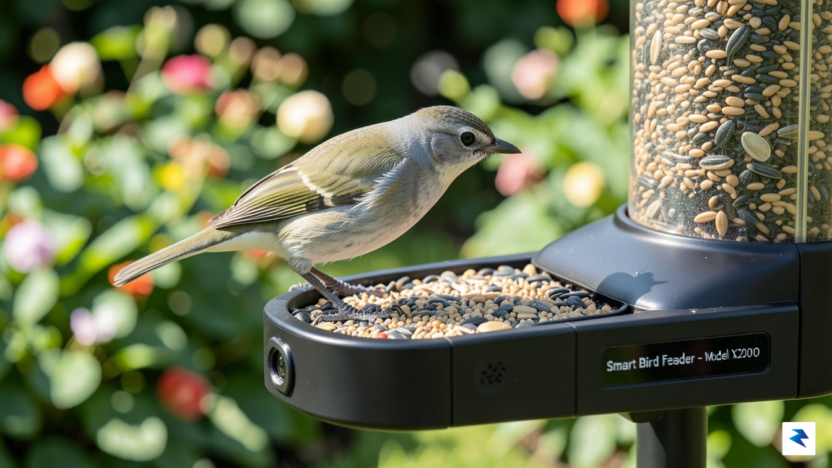
Introduction: The Smart Birding Revolution
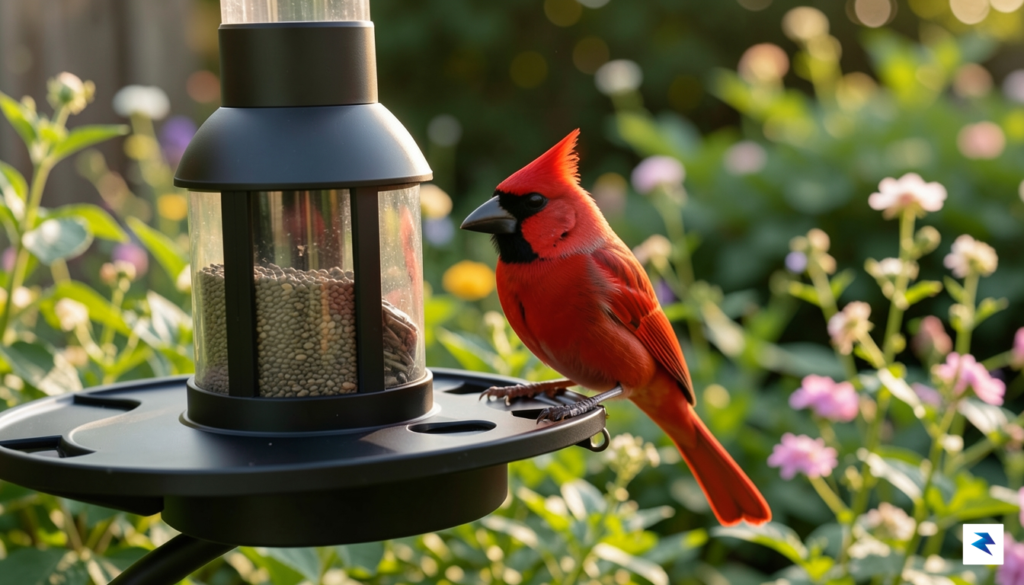
For generations, bird watching was a pastime defined by quiet patience, high-quality binoculars, and the occasional frustration of missing a rare visitor just as you blinked. Enthusiasts would spend hours perched in their backyards, waiting for a flash of color or a specific song to reveal the presence of local wildlife. While this traditional approach certainly fostered a deep appreciation for nature, it often felt like a game of chance where the odds were heavily stacked against the observer. Today, however, the landscape of backyard birding has undergone a radical transformation, shifting from a game of endurance to an immersive, high-tech experience that brings the secret lives of avian visitors directly to your fingertips.
The catalyst for this change is the rise of smart bird feeders, sophisticated devices equipped with integrated high-definition cameras and advanced artificial intelligence. These feeders act as a 24/7 personal scouting team, capturing crisp images and video footage the moment a feathered guest lands for a snack. Instead of straining your eyes through a window, you receive real-time notifications on your smartphone, accompanied by AI-driven identification that tells you exactly which species is currently visiting your garden. This technology turns every backyard into a private research laboratory, allowing you to build personal digital journals of the birds that frequent your home throughout the seasons.
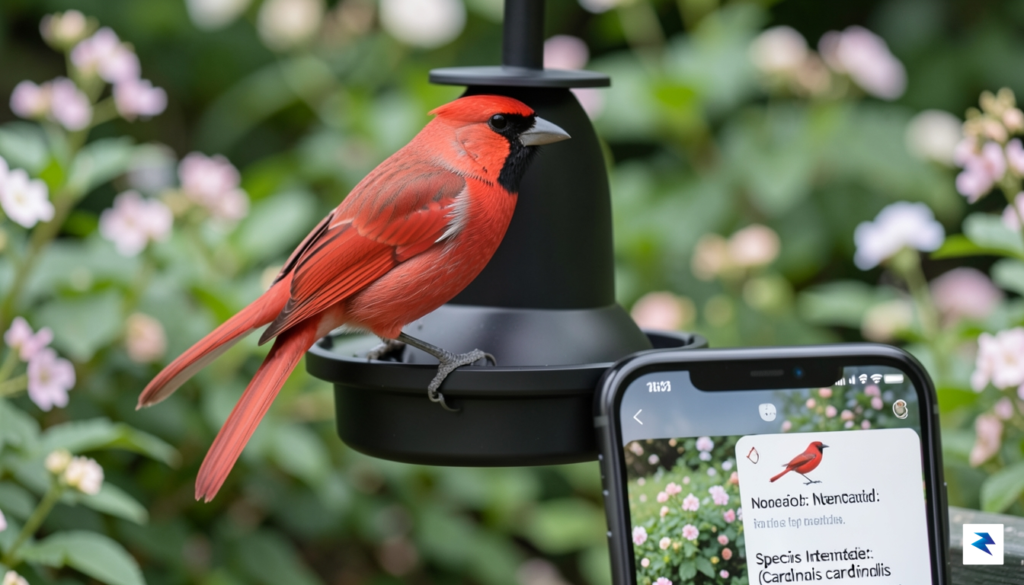
The appeal of this transformation lies in the intimacy it creates between the observer and the natural world. By removing the barrier of distance and the necessity for constant vigilance, these devices allow even the busiest individuals to feel connected to the biodiversity in their immediate environment. Whether you are a seasoned ornithologist or a curious novice, the thrill of being alerted to a rare migratory visitor during a workday is a unique pleasure. Furthermore, these smart systems often include social sharing features, enabling you to instantly broadcast your favorite clips to family members or online communities, thereby turning a solitary hobby into a shared digital experience.
Investing in smart birding hardware isn’t just about the gadgetry; it is about reclaiming a connection to nature that fits seamlessly into a modern, fast-paced lifestyle.
If you have been considering upgrading your backyard setup, there is no better time to act than during the upcoming Prime Day event. Because these devices incorporate complex optical sensors, durable weatherproofing, and robust software, they often represent a significant upfront investment. During this massive sales event, however, the barriers to entry drop significantly, with many top-tier models seeing discounts of up to $150. Securing this technology during the sale allows you to enjoy premium features—such as ultra-wide-angle lenses and improved night vision—for a fraction of the regular cost, making it the perfect opportunity to bring the wonders of avian life into your living room without breaking your budget.
How Smart Bird Feeders Work: Technology Meets Nature
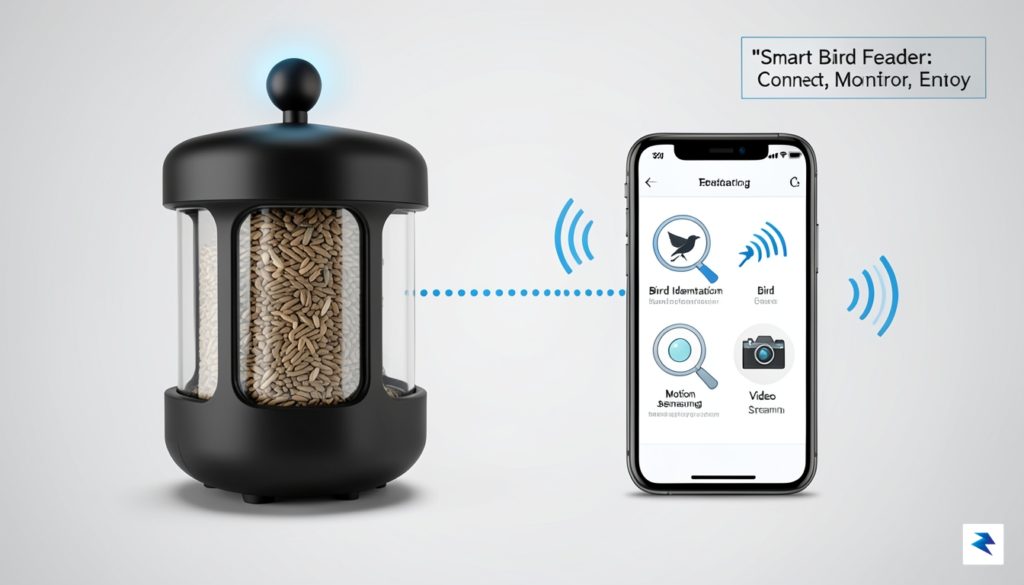
At their core, these innovative devices function as sophisticated Internet of Things (IoT) hardware, bridging the gap between wild avian behavior and modern digital convenience. The process begins with high-precision motion sensors integrated into the feeder’s chassis. These sensors are calibrated to detect the subtle movement of wings and the weight of a landing bird, instantly triggering a high-definition camera to capture either a crisp photograph or a streaming video clip. To ensure you never miss a visit, even after the sun sets, most models incorporate infrared night vision technology. This allows the camera to cut through the darkness using invisible light spectrums, providing a clear view of nocturnal visitors like owls or late-night raccoons without spooking the wildlife with harsh artificial lighting.
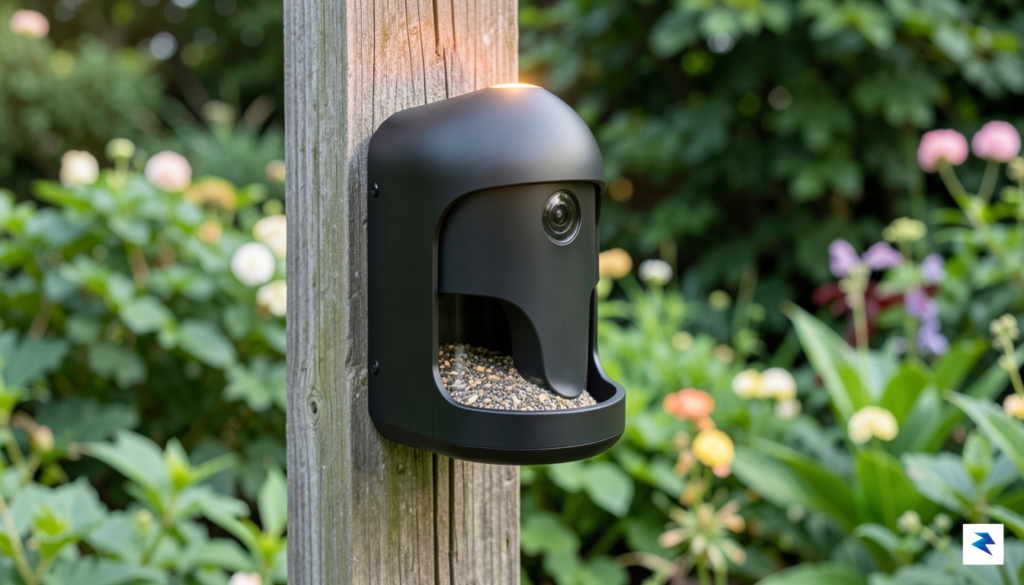
Once the footage is captured, the real magic happens through advanced machine learning algorithms. The device processes the visual data in real-time, comparing the bird’s unique physical characteristics—such as beak shape, plumage patterns, and tail markings—against a vast database containing thousands of species. This AI identification engine operates with remarkable speed, often notifying your smartphone via a dedicated application within seconds of the bird’s arrival. By leveraging these neural networks, the feeder transforms from a simple food source into an educational tool, providing you with detailed facts, migratory history, and species descriptions that turn a casual hobby into a legitimate citizen science project.
The integration of cloud-based storage is what truly elevates the experience, ensuring that your most fleeting backyard moments are preserved permanently for future enjoyment.
The role of cloud-based software is equally critical to the functionality of these systems. Because high-definition video files can consume significant storage space, these feeders typically sync with secure cloud servers. This allows you to store a vast library of “birdie” moments without worrying about local memory limitations on your phone or device. Furthermore, this cloud connectivity enables seamless sharing features, allowing you to broadcast live streams to family members or post highlight reels directly to social media. By centralizing your discoveries in the cloud, these feeders offer a collaborative experience, letting you catalog your local ecosystem and share the beauty of nature with a global community of bird enthusiasts.
What to Look for in a Smart Bird Feeder Deal
When navigating the overwhelming wave of discounts during Prime Day, it is easy to get caught up in the allure of a large price drop. However, not every smart bird feeder is engineered to withstand the rigors of an outdoor environment or provide the high-fidelity experience you expect. Before clicking “add to cart,” you must prioritize build quality and technical specifications over the percentage of savings. A discounted unit is only a bargain if it functions reliably throughout the changing seasons and captures the crisp, clear footage that makes birdwatching so rewarding in the first place.
Essential Technical Specifications
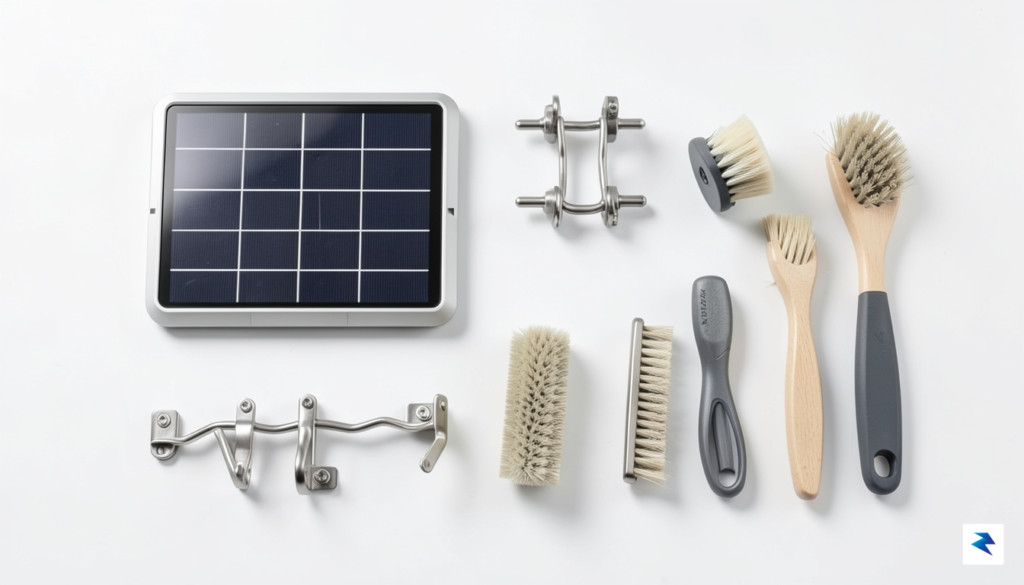
One of the most critical factors to evaluate is the balance between battery capacity and solar efficiency. While many models boast integrated solar panels, these vary wildly in their ability to keep a camera powered during overcast weeks. Look for units that feature high-capacity internal batteries paired with high-efficiency monocrystalline solar panels, as these provide the best chance of avoiding manual recharges. Furthermore, consider the video resolution; while 1080p is often sufficient for basic identification, upgrading to a 4K model offers significant advantages if you intend to zoom in on intricate plumage or fast-moving wing patterns without losing clarity.
Key Takeaway: Prioritize weatherproofing ratings of at least IP65 or higher. An unprotected camera in a rainstorm is a recipe for internal corrosion, regardless of how much you saved on the initial purchase.
Understanding the Software Ecosystem
Beyond the hardware, you must scrutinize the “hidden costs” associated with the feeder’s accompanying mobile application. Many manufacturers offer a basic experience for free, but reserve advanced features—such as AI-powered species identification, cloud storage, or extended video history—behind a mandatory monthly subscription. During your research, check whether the device supports local storage via an SD card slot. Opting for a model that allows local storage can save you substantial money over the lifespan of the device, effectively eliminating the need for recurring fees that can quickly eclipse the initial Prime Day savings.
Finally, always assess the connectivity requirements of your chosen device. A smart feeder is only as good as its ability to maintain a stable connection to your home network. Look for models that support dual-band Wi-Fi (2.4GHz and 5GHz), as this provides more flexibility for placement in your yard. If your bird feeder is located far from your router, you might also consider whether the manufacturer offers a dedicated signal bridge or if the hardware is compatible with standard mesh network setups. By carefully weighing these features, you ensure that your investment provides years of enjoyment rather than ending up as another piece of digital clutter.
Comparing Top Prime Day Contenders
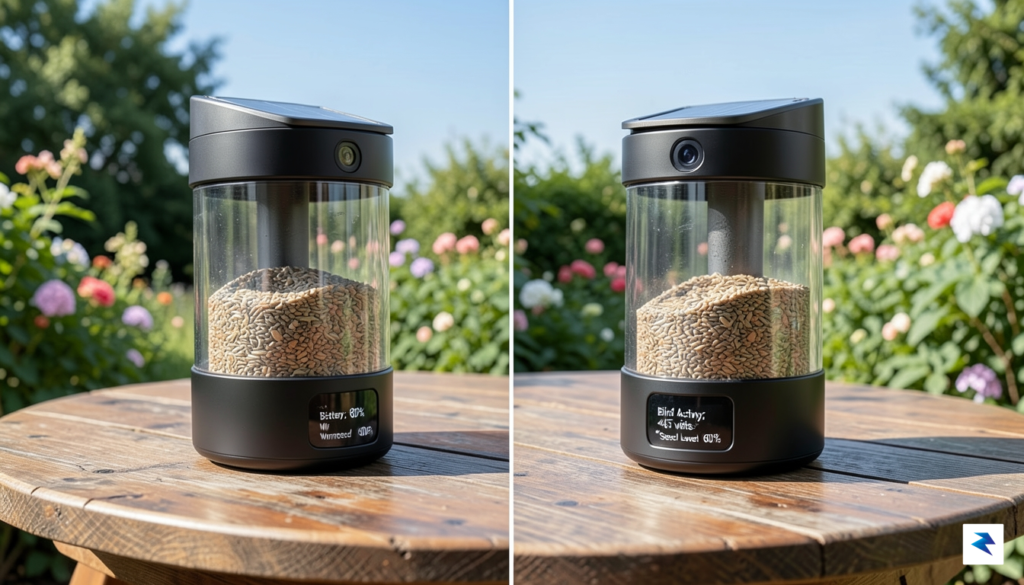
Navigating the current landscape of smart wildlife technology can be daunting, especially when seasonal sales introduce a flurry of competing features and price points. When evaluating the market leaders, it becomes clear that the primary differentiators are not just the camera resolution, but the integration between physical hardware durability and the underlying artificial intelligence that identifies visiting species. The Bird Buddy, for instance, remains a benchmark for its user-friendly interface and highly polished mobile application, which turns every captured snapshot into a gamified experience. Its modular design allows for relatively easy cleaning, a critical factor often overlooked by first-time buyers who might prioritize a low sticker price over long-term maintenance requirements.
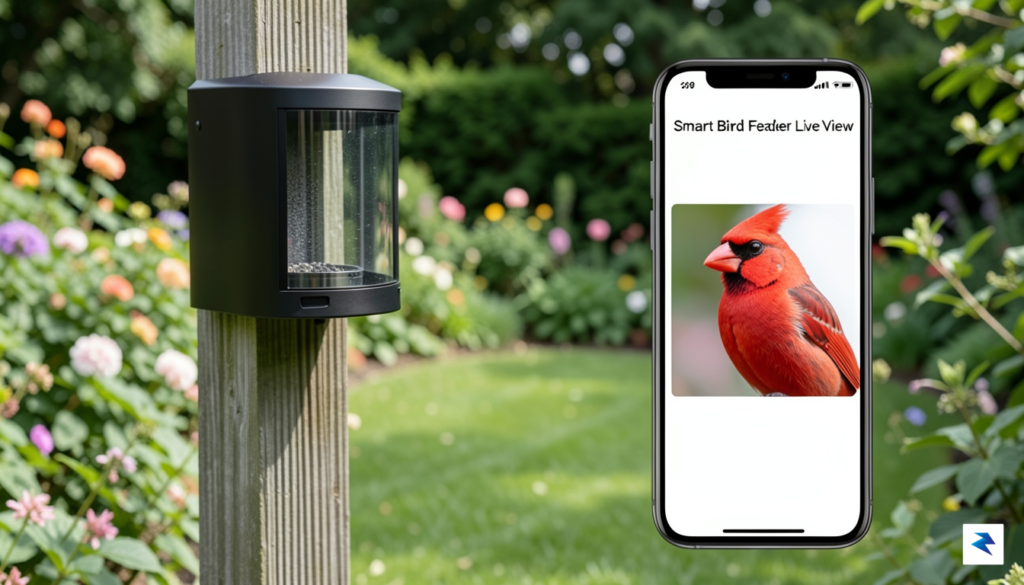
Conversely, the Netvue Birdfy series has carved out a substantial niche by offering a more robust, weather-resistant build that appeals to users living in harsher climates. While its app ecosystem might feel slightly less intuitive than that of its competitors, the hardware itself is often praised for its superior battery longevity and wider field of view, which captures more activity around the feeder tray. When weighing these options during Prime Day, the value proposition often shifts; a significant discount on the Birdfy may represent a better long-term investment for those who prioritize rugged construction, whereas a deal on the Bird Buddy is ideal for hobbyists who value social sharing features and aesthetic appeal.
Key Considerations for Your Purchase
- Detection Accuracy: Evaluate how well the AI distinguishes between common backyard visitors and less frequent species, as this determines how much time you spend curating your digital collection.
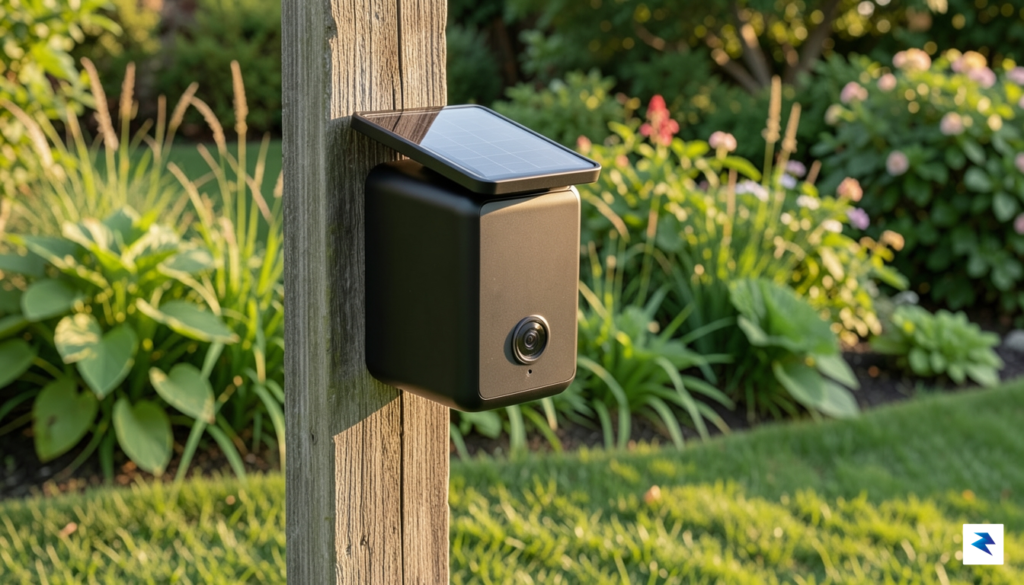
- Installation Versatility: Consider whether the model offers flexible mounting options, such as tree straps, pole mounts, or wall brackets, to ensure it fits the specific topography of your yard.
- Software Subscription Costs: Many manufacturers gate advanced features—like extended cloud storage or specific identification AI—behind monthly or annual paywalls, which should be factored into the total cost of ownership.
Ultimately, the best choice depends on whether you view a smart feeder primarily as a research tool for ornithology or as an entertaining social media enhancement for your daily routine.
Ultimately, the decision to invest comes down to balancing current savings with the long-term reliability of the cloud services provided by each manufacturer. While the hardware discounts are undeniably attractive, the true cost of these devices includes the ongoing software experience. If you prioritize seamless connectivity and a vibrant community of fellow birders, the software-heavy platforms are likely to provide the most satisfaction. However, if your goal is simply to secure a durable, high-quality camera that can withstand the elements, the models focusing on hardware longevity will almost certainly deliver the most meaningful value over the coming years.
Ethical Considerations: Privacy and Wildlife Safety
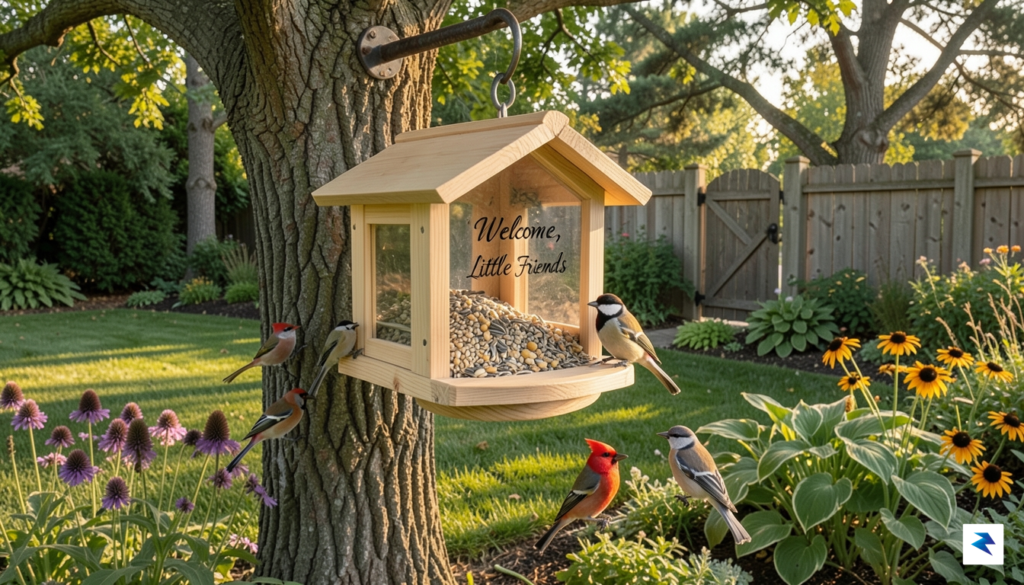
While the allure of watching vibrant birds up close, streamed directly to your device, is undeniably captivating, the integration of smart technology into our natural spaces introduces a critical layer of responsibility. This advanced connectivity to nature isn’t just about passive observation; it demands a proactive approach to maintaining the well-being of the wildlife we attract and safeguarding the privacy of our own digital environment. Neglecting these aspects can inadvertently lead to adverse outcomes, undermining the very benefits these innovative feeders aim to provide. Therefore, as we embrace the convenience of smart bird feeders, it becomes paramount to also embrace the ethical considerations that accompany them.
Chief among these responsibilities is ensuring the health and safety of our feathered visitors. Smart feeders, by concentrating bird populations in one spot, can unfortunately become vectors for disease if not properly maintained. Regular cleaning is not merely a suggestion; it’s an imperative to prevent the spread of harmful bacteria, fungi, and viruses that can decimate local bird populations. Accumulated droppings, moldy seeds, and stagnant water create ideal breeding grounds for pathogens like salmonella, avian pox, and mycoplasmal conjunctivitis. Therefore, consistent, thorough sanitation is the cornerstone of responsible bird feeding.
Key Takeaway: Regular cleaning every two weeks, or more often during periods of high bird traffic or inclement weather, is non-negotiable for preventing disease spread among your backyard birds. Treat your feeder as a public dining area for wildlife, requiring diligent sanitation with a diluted bleach solution or specialized cleaner.
Beyond hygiene, the physical placement of your smart bird feeder plays a pivotal role in the safety of its users. A feeder positioned too close to dense shrubbery or low branches, while seemingly offering shelter, can inadvertently create an ambush point for predators such as domestic cats, hawks, or even raccoons. These predators can easily stalk and capture birds caught unaware. Conversely, placing it too far in the open might expose birds to the elements or make them more vulnerable to aerial threats with no immediate cover. The ideal location strikes a crucial balance: visible enough for you to enjoy the view and for birds to easily spot, yet far enough (typically 10-15 feet) from dense cover to give birds ample warning and escape routes from ground predators, and with nearby perches for safety but not concealment. Always consider the lines of sight for both the birds and potential threats when choosing the perfect spot in your garden.

Finally, the ‘smart’ component of these feeders, often including a camera and Wi-Fi connectivity, introduces considerations for your home’s digital privacy. Like any Internet of Things (IoT) device, a smart bird feeder camera is a potential entry point into your home network if not properly secured. The live streams and recorded footage can offer a glimpse into your property, and in some cases, even inside your home if the camera’s field of view extends beyond the feeder itself. It is paramount to change default passwords immediately upon setup, choosing strong, unique combinations of letters, numbers, and symbols that are difficult to guess. Furthermore, ensuring your home Wi-Fi network uses robust encryption (WPA2 or WPA3), keeping the feeder’s firmware updated to patch any security vulnerabilities, and considering a separate guest network or VLAN for all IoT devices can significantly bolster your digital defenses. These simple yet crucial steps prevent unauthorized access, protecting not just your feeder’s live stream but your entire home network from prying eyes and ensuring your backyard birding hobby doesn’t inadvertently compromise your digital privacy.
Setting Up Your Backyard Sanctuary

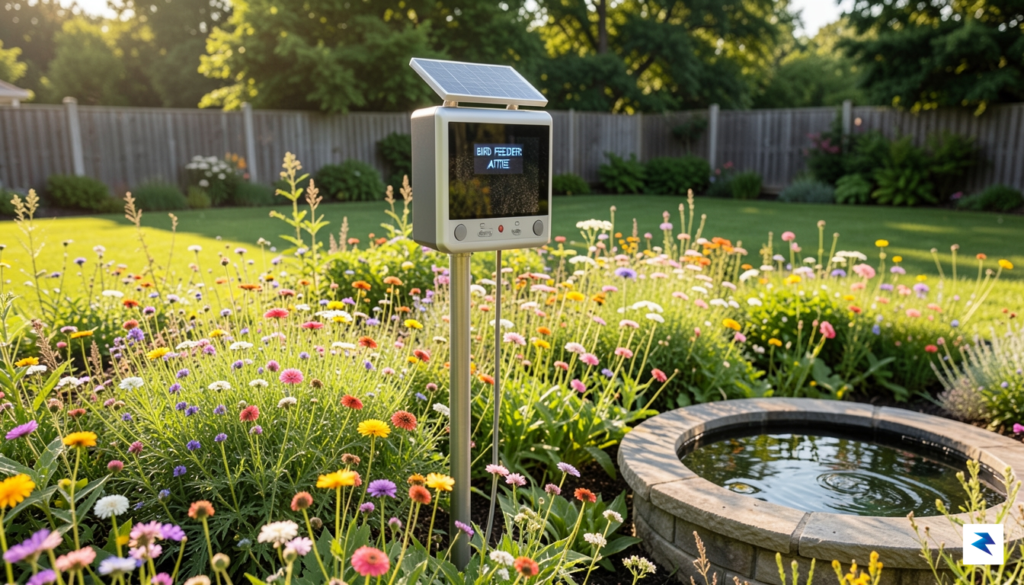
Getting the hardware out of the box is merely the first step toward transforming your outdoor space into a thriving avian hub. To capture high-definition footage of rare visitors and common garden favorites alike, you must strategically position your device to cater to the instincts and safety needs of your local birds. Most species are cautious by nature; they prefer feeders located within five to ten feet of protective cover, such as shrubs or trees. This placement allows them to quickly retreat to safety if a predator appears, which significantly increases their confidence in visiting your yard. However, avoid placing the device directly inside dense foliage, as this can inadvertently provide a hidden vantage point for neighborhood cats or hawks to launch an ambush.
Height is equally critical to the success of your setup. Mounting your device between five and six feet off the ground is generally considered the “sweet spot” for most backyard species. This height keeps the camera lens at a natural eye level for smaller birds while keeping them safely out of reach of ground-based predators. If you are struggling to attract a diverse range of visitors, consider the quality and variety of the fuel you provide. High-quality black oil sunflower seeds are a universal favorite that attracts everything from cardinals to chickadees, while specialized suet cakes can draw in woodpeckers and nuthatches during colder months. Mixing up your seed offerings creates a buffet that encourages repeat visits, ensuring your motion-activated camera has plenty of action to record throughout the day.
The secret to a bustling feeder is not just the food, but the surrounding ecosystem. A reliable water source, such as a shallow birdbath placed within view of your camera, often acts as a greater attractant than the feed itself, especially during the sweltering heat of mid-summer.
Finally, consistency is the key to building a loyal community of feathered guests. Once you have established a quiet, safe, and well-stocked environment, avoid moving the device frequently. Birds are creatures of habit that map out their territory based on reliable food sources; if you relocate your camera too often, you force them to restart their navigation process. By fostering a landscape that includes native plants and consistent maintenance, you turn your yard into a permanent destination. With the right placement and a little patience, you will soon find your digital storage filled with breathtaking clips of behavior that would otherwise remain hidden from the human eye.