Best Smart Bird Feeder Prime Day Deals: Upgrade Your Backyard Birding
Introduction: The Smart Birding Revolution For generations, bird watching was a pastime defined by quiet patience, high-quality binoculars,…
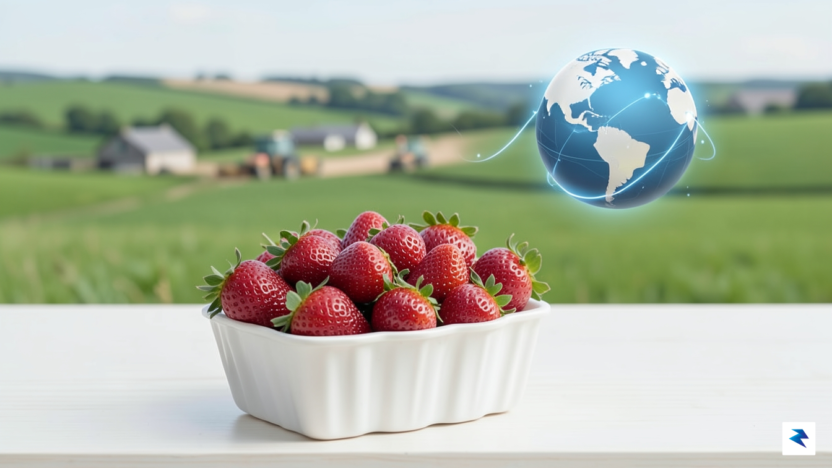
For decades, the rhythm of the British countryside was dictated by a reliable flow of labor from within the European Union. In the years preceding the 2016 referendum, thousands of workers from countries like Bulgaria, Romania, and Poland formed the backbone of the UK’s soft fruit and vegetable sectors. These laborers moved seamlessly across borders, drawn by the proximity of the UK and the freedom of movement that characterized EU membership. This historic reliance created a stable, predictable system where farms could easily scale their operations to meet the demands of a seasonal harvest, ensuring that strawberries, asparagus, and salad crops reached supermarket shelves with minimal disruption.
However, the political and economic fallout of Brexit triggered a seismic shift in how these fields are populated. As the free movement of people came to an end, the agricultural sector faced an immediate and acute labor shortage, forcing the government to overhaul its visa infrastructure. In the vacuum left by the departure of European workers, the Seasonal Worker visa program was expanded significantly, casting a much wider net across the globe. This policy pivot marked the beginning of a profound demographic transformation, shifting the focus of recruitment away from the European continent and toward nations located thousands of miles away, particularly in Central Asia.
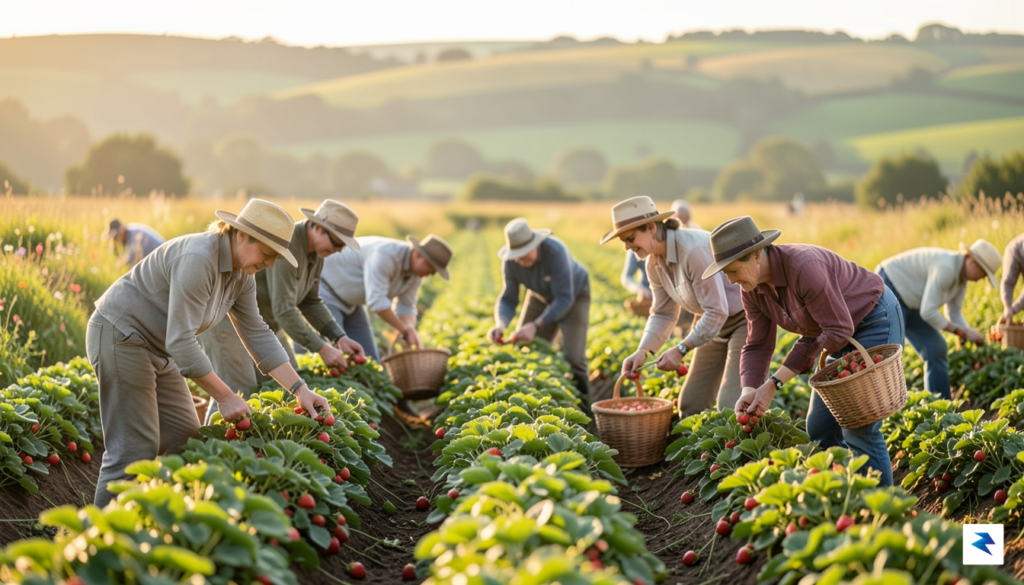
Today, the faces found in the greenhouses of Herefordshire and the fields of Scotland are increasingly drawn from countries such as Kyrgyzstan, Tajikistan, and Uzbekistan. This transition was not merely a matter of administrative convenience; it represents a strategic alignment between the UK’s labor needs and the economic ambitions of Central Asian nations. For many young people in these regions, the Seasonal Worker visa offers a unique, albeit temporary, opportunity to earn wages that far exceed what is available in their home markets. By tapping into these specific labor pools, the UK government has managed to keep the agricultural industry afloat, though this new reality creates a complex set of dependencies.
The shift toward Central Asian labor is more than a temporary fix; it is a fundamental realignment of the UK’s food supply chain that reflects the geopolitical realities of a post-Brexit economy.
The reliance on such distant regions introduces new layers of logistical complexity, from the necessity of rigorous visa oversight to the challenges of cultural and linguistic integration in rural British communities. Furthermore, this trend highlights a broader, emerging narrative in British agriculture: the move toward a truly globalized seasonal workforce. While the strawberries are still being picked, the hands picking them now belong to individuals from the mountainous regions of Central Asia, signaling a permanent change in the social fabric of the British harvest. As the industry continues to adapt, the sustainability of this labor model remains a critical point of concern for policymakers, farmers, and consumers alike.

The transformation of Britain’s seasonal labor landscape did not happen overnight; it was the inevitable result of a shifting geopolitical and economic climate. For decades, UK agriculture relied heavily on a steady stream of workers from Bulgaria and Romania, whose ability to move freely across borders made them the backbone of the harvest season. However, the post-Brexit regulatory environment, coupled with rising economic standards within the European Union, caused this traditional supply to dwindle significantly. As labor shortages reached a critical tipping point, British farmers were forced to widen their search parameters, eventually looking toward regions that had previously been overlooked by the international agricultural recruitment sector.
This pivot toward Central Asia, particularly Kyrgyzstan and Tajikistan, was a strategic necessity rather than a mere preference. These nations offered a deep pool of motivated individuals who viewed the Seasonal Worker visa scheme as a transformative opportunity to improve their families’ livelihoods. Unlike the more transient European workforce, these workers often arrived with a high degree of commitment, viewing the grueling physical labor of fruit picking as a vital stepping stone toward long-term financial stability. Consequently, what began as a desperate search for hands to pick strawberries and asparagus evolved into a sophisticated, albeit complex, recruitment infrastructure that bridged the gap between rural Central Asian villages and the sprawling fields of the British countryside.
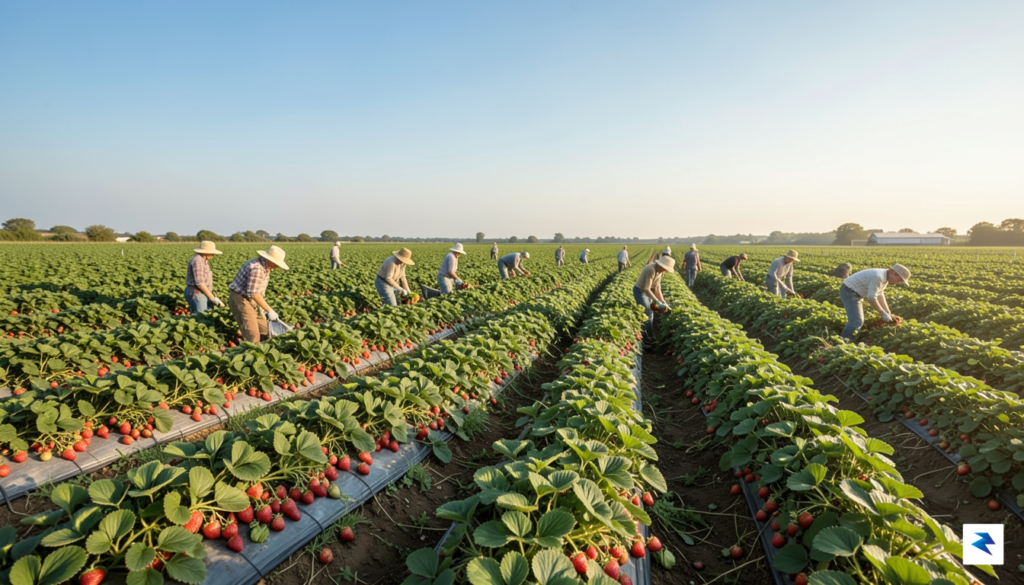
The mutual benefit of this arrangement is undeniable, serving as an operational lifeline for farmers who would otherwise face insurmountable crop losses. For the agricultural sector, the influx of Central Asian labor has provided a degree of consistency and productivity that had been missing since the end of freedom of movement. For the workers themselves, the wages earned during a single season in the UK can often equate to several years of income in their home countries, providing the capital necessary to build homes, fund education, or start local businesses. This economic symbiosis has effectively integrated these distant regions into the global food supply chain, ensuring that the British summer harvest remains viable in an era of labor scarcity.
The reliance on Central Asian labor is a testament to the globalized nature of modern agriculture, where the demand for seasonal produce in the UK is met by the aspirations of workers thousands of miles away.
However, this reliance is not without its administrative and ethical challenges. The process of organizing visas, coordinating long-distance travel, and ensuring adequate housing requires a level of logistical coordination that was previously unnecessary. Furthermore, as the industry becomes increasingly dependent on this specific labor demographic, the pressure to ensure fair treatment and transparent recruitment practices has intensified. Despite these hurdles, the partnership between British agriculture and the Central Asian workforce has become the new status quo, fundamentally altering the identity of the harvest and demonstrating how market pressures can reshape international migration patterns in real time.
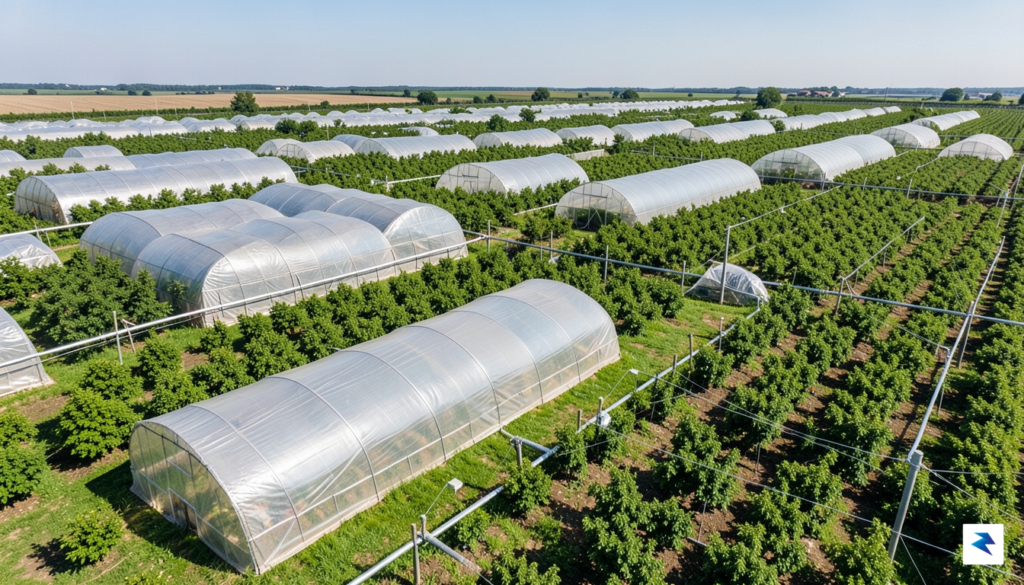
For many British agricultural enterprises, the arrival of seasonal workers from Central Asia represents far more than a logistical convenience; it is the fundamental difference between a thriving, productive harvest and catastrophic financial insolvency. In recent years, the UK fruit and vegetable sector has become increasingly reliant on the Seasonal Worker visa scheme to bridge a widening gap in the domestic labor market. Without this steady stream of international personnel, thousands of tons of produce would quite literally wither on the vine, as the labor-intensive nature of hand-picking strawberries and soft fruits cannot currently be replicated by automation at the scale required for commercial viability.
The risks associated with a sudden labor shortage are immediate and severe. When farmers lack the hands necessary to harvest crops at their peak ripeness, the resulting waste is not merely a tragedy of squandered food but a devastating blow to the farm’s bottom line. Because agricultural margins are notoriously thin, the inability to bring a crop to market often forces growers to absorb the total cost of production—from planting and irrigation to fertilizers and land rental—without receiving a single penny in return. This economic instability discourages long-term investment in British farming, threatening the very future of domestic food security.
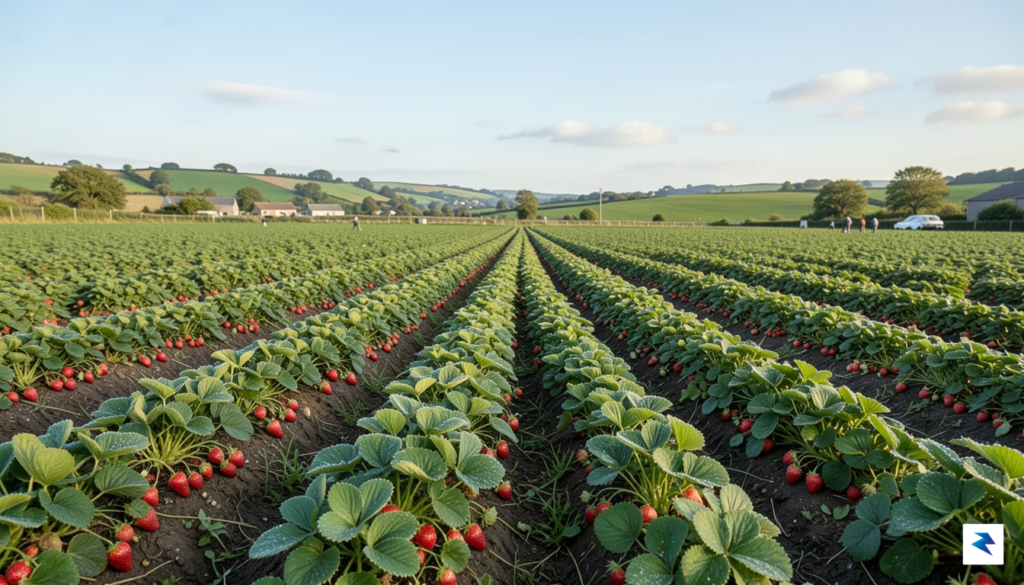
The economic survival of the UK horticultural industry is inextricably linked to its ability to secure a reliable workforce during the narrow, critical windows of the growing season.
Furthermore, the dependency on this labor force has a direct, tangible impact on the prices consumers see at the supermarket checkout. When labor shortages occur, supply chain disruptions ripple outward, causing volatility in farm gate prices and exacerbating food inflation. When domestic supply is crippled, retailers are forced to look toward more expensive imports to fill the void, which inevitably drives up the cost of living for the average household. By ensuring that farms have the staffing required to harvest their yield, the industry aims to keep produce prices stable and maintain a consistent supply of British-grown fruits and vegetables that align with consumer demand for local, sustainable food sources.
It is also essential to recognize that the economic implications extend well beyond the farm gate. The horticultural sector serves as a cornerstone for many rural economies, supporting local haulage firms, packaging facilities, and agricultural equipment suppliers. If the primary growers are forced to scale back or shut down due to labor constraints, the ripple effect through these peripheral industries can lead to widespread job losses in rural communities. Consequently, the presence of Central Asian workers is a vital component of a complex economic ecosystem that sustains both the agricultural industry and the broader regional infrastructure that depends upon it.

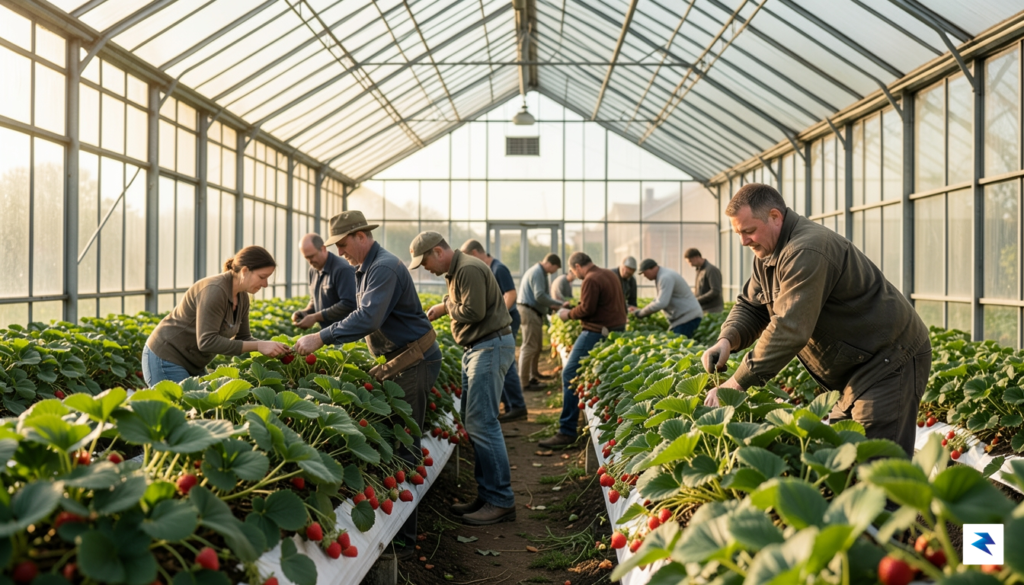
For thousands of workers arriving from Tajikistan and Kyrgyzstan, the transition to rural British life is a profound shift in both geography and lifestyle. The day typically begins at dawn, with teams moving into the polytunnels while the morning air is still crisp. While the work is physically demanding, requiring repetitive, precise movements to ensure each berry is picked at the peak of ripeness, many workers view this as a vital economic lifeline. The remittances sent home often support entire extended families, transforming the lives of those left behind in Central Asia. However, the weight of this responsibility, combined with the isolation of rural living, creates a unique psychological landscape where endurance and community become the primary survival tools.
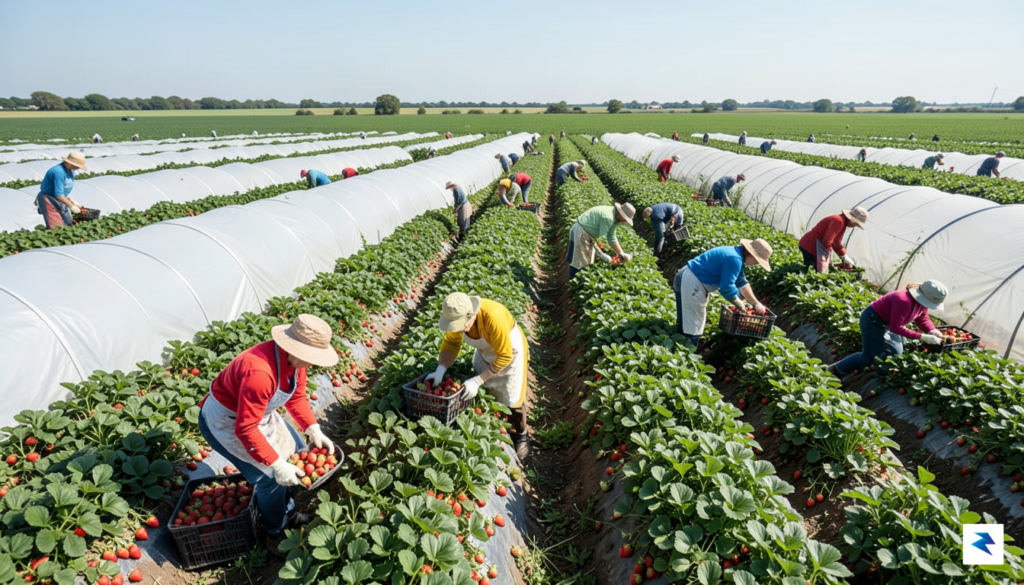
Living arrangements on these farms have evolved significantly to accommodate the seasonal workforce, yet the experience remains one of temporary displacement. Workers often reside in on-site caravans or shared housing, where the logistics of cooking, cleaning, and organizing daily life become a communal activity. Language barriers present perhaps the most immediate hurdle; navigating the nuances of daily instructions or local interactions in a quiet British village can be daunting. Despite these obstacles, a burgeoning cultural exchange is taking place in the evenings. Shared meals, where traditional Central Asian dishes like plov are prepared alongside local grocery store staples, serve as a bridge between the workers’ heritage and their host country. These moments of camaraderie not only alleviate the loneliness of being thousands of miles from home but also foster a sense of belonging in an otherwise transient environment.
The rhythm of the harvest is dictated by the weather and the clock, creating a demanding schedule that leaves little room for leisure. Yet, within the boundaries of the farm, these workers are weaving a new thread into the fabric of British agriculture, driven by a shared goal of providing for their futures.
Farms have increasingly recognized the need to move beyond mere employment, implementing support structures that aim to make the seasonal migration more sustainable. This includes organizing transport for grocery runs, hosting cultural events, and providing translation support to ensure that workers feel both safe and valued. While the long hours and the repetitive nature of the harvest remain constants, the human element—the stories, the cross-cultural friendships, and the sheer determination of the workforce—is what truly fuels the industry. As the demand for fresh British produce continues to grow, acknowledging the human-centric reality of these workers is not just a matter of social responsibility; it is essential to understanding the complex, globalized reality of modern food production.

The current reliance on seasonal visa programs to bring Central Asian workers to British fields highlights a profound tension between post-Brexit policy aspirations and the harsh economic realities of the agricultural sector. While these labor schemes provide a necessary lifeline for fruit growers facing acute shortages, they function as a stop-gap measure rather than a long-term strategic solution. Relying on a transitory, international workforce creates a precarious ecosystem where production costs are inextricably linked to fluctuating immigration rules and global geopolitical stability. As the UK government attempts to balance strict border controls with the demands of domestic food security, it becomes increasingly clear that the “pick-your-own” model of industrial farming is reaching a point of diminishing returns.
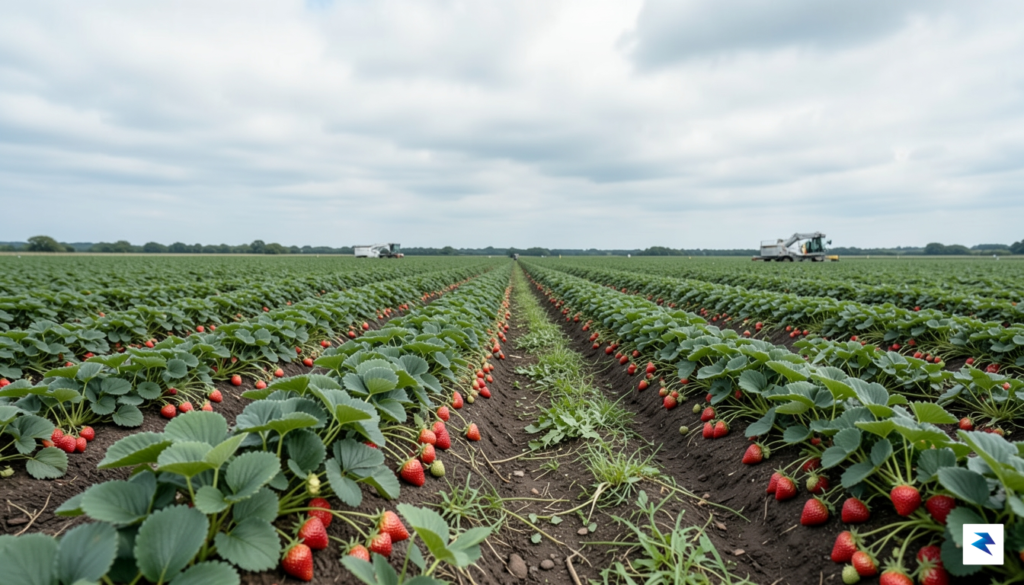
To move beyond this reliance, the industry is looking toward a pivot in technology, specifically the rapid integration of robotics and artificial intelligence. Autonomous harvesting platforms and soft-fruit picking robots, which use sophisticated machine learning to identify ripeness and navigate delicate stems, are no longer just laboratory prototypes; they are becoming essential tools for survival. However, the transition to a high-tech model is fraught with capital barriers. Many smaller family-run farms lack the initial investment capacity to replace a seasonal human workforce with high-end machinery. Consequently, the future of British agriculture may see a stark divide: large-scale, automated agribusinesses that operate with minimal human intervention, and smaller growers who struggle to remain viable under current labor market pressures.
The long-term sustainability of the sector rests not on cheaper labor, but on whether British farming can successfully decouple its operational output from a reliance on the global mobility of seasonal workers.
The debate surrounding domestic recruitment remains equally contentious, often simplified into a narrative about whether local workers “want” these jobs. In reality, the issue is structural rather than purely motivational; the physical demands, seasonality, and geographical isolation of farming work make it difficult to attract a permanent, localized workforce without significant wage inflation. Therefore, a meaningful solution must involve a tripartite approach: government investment in ag-tech research and development, flexible immigration pathways that do not exploit migrant vulnerability, and a shift in consumer behavior that acknowledges the true cost of food production. Without these fundamental changes, the agricultural sector will remain locked in a cycle of uncertainty, perpetually waiting for the next visa window to open to ensure that the season’s harvest does not wither on the vine.
You must be logged in to post a comment.