The Structural Shift in American Fuel Consumption

For decades, the American relationship with the gasoline pump was defined by a predictable cycle: prices would spike due to global supply shocks, consumers would grumble and temporarily curtail their driving, and once costs stabilized, demand would immediately revert to its previous high. However, the recurring volatility triggered by escalating geopolitical tensions in the Middle East has finally broken this cyclical pattern. We are witnessing a phenomenon known as “demand destruction,” where the persistent pressure of high fuel prices has moved well beyond a transitory budget hurdle. Instead, it has catalyzed a permanent structural evolution in how Americans navigate their daily lives, suggesting that the era of ever-increasing gasoline consumption has reached its zenith.
The transition is rooted in a fundamental shift in the psychological threshold of the average commuter. When gasoline prices remain elevated for extended periods, they cease to be viewed as a temporary nuisance and instead become a primary variable in long-term lifestyle planning. Households are increasingly opting for permanent adjustments, such as relocating closer to transit hubs, investing in more fuel-efficient or electric vehicles, and embracing remote work models that were once considered niche. These decisions are not driven by the momentary austerity of a single price hike; rather, they are durable commitments designed to insulate families from the unpredictable whims of global oil markets.
Furthermore, the consolidation of errands and the reduction of discretionary travel have become ingrained habits that show little sign of reversing. The “trip-chaining” behavior—where consumers combine multiple errands into a single, efficient outing—has replaced the casual, frequent short trips that previously accounted for a massive portion of national fuel demand. Even as some markets attempt to normalize, the convenience and cost-savings associated with reduced driving have proven sticky. This behavioral shift is bolstered by a corporate landscape that has largely institutionalized flexible work-from-home policies, permanently removing millions of miles from the daily morning commute.
The true impact of high fuel volatility is not found in a temporary decrease in consumption, but in the permanent infrastructure changes that citizens adopt to protect their long-term financial security.
Ultimately, these adjustments represent a systemic decoupling of economic activity from gasoline dependence. As the cost of volatility continues to penalize traditional fuel usage, the American consumer is systematically re-engineering their environment to prioritize efficiency and flexibility. Whether through the adoption of new technologies or the restructuring of daily routines, the evidence suggests that the national appetite for gasoline is not merely suppressed, but fundamentally altered. We are entering a new phase of energy consumption where the demand curve, once elastic and prone to snapping back, has been permanently flattened by the weight of sustained geopolitical uncertainty.
How Price Shocks Reshape Consumer Behavior

When fuel prices experience a rapid, violent surge, the immediate sting at the gas pump often serves as a powerful catalyst for permanent behavioral change. While policymakers and energy analysts frequently look for oil prices to revert to a historical mean, they often overlook the psychological “scar tissue” that forms among consumers during periods of extreme volatility. Once a household has been forced to grapple with the unsustainable costs of a long, fossil-fuel-dependent commute, the motivation to find a structural exit from that dependency remains long after the price per gallon has retreated. This phenomenon creates a ratchet effect: once consumers adapt their lifestyles to consume less gasoline, they rarely revert to their old, profligate habits, even when the immediate financial pressure dissipates.

The most profound shift in this landscape is the institutionalization of remote and hybrid work models. During previous price spikes, workers viewed telecommuting as a temporary concession to economic necessity; today, however, it has become a cornerstone of professional life. The realization that thousands of dollars in annual fuel and vehicle maintenance costs can be eliminated by simply staying home has permanently altered the value proposition of the daily commute. Employers, too, have seen that productivity does not collapse outside of the office, creating a feedback loop where the demand for traditional five-day-a-week office attendance has structurally eroded. As a result, the “pent-up demand” for gasoline that analysts once expected to return following a crisis is increasingly replaced by a permanent reduction in vehicle miles traveled.
The true cost of fuel is not just the price on the sign at the station; it is the cumulative tax on time, sanity, and household liquidity that consumers are now actively seeking to avoid.
Beyond the home office, we are witnessing a fundamental geographic reorganization of the American workforce. As fuel volatility becomes a recurring threat, commuters are prioritizing proximity to work, shifting their preferences toward urban centers or transit-oriented developments that offer alternatives to the single-occupancy vehicle. In major metropolitan areas, this shift is accelerating the adoption of micromobility solutions, such as electric scooters and high-efficiency e-bikes, which provide a reliable hedge against the unpredictability of global oil markets. This is not merely a trend of convenience but a strategic adaptation to a world where energy security is a personal financial priority. By integrating these alternative modes of transport into their daily routines, Americans are effectively decoupling their quality of life from the whims of geopolitical tensions, ensuring that even if global supply chains face disruption, their own domestic mobility remains resilient.
The Efficiency Evolution: Beyond the Internal Combustion Engine
The American automotive landscape is currently undergoing a structural transformation that extends far beyond temporary market fluctuations or localized geopolitical tensions. For decades, the nation’s gasoline consumption was tethered to a linear relationship with the number of miles driven; as the economy grew and more vehicles hit the road, fuel demand climbed in lockstep. However, that historical correlation is effectively fracturing due to the persistent tightening of Corporate Average Fuel Economy (CAFE) standards. Today’s internal combustion engines are marvels of engineering, utilizing advanced materials, turbocharging, and variable valve timing to extract significantly more energy from every gallon of fuel than their predecessors. Even as the total number of vehicles on the road continues to rise, the sheer efficiency of the modern fleet means that the aggregate demand for gasoline has hit a ceiling that is increasingly difficult to break through.
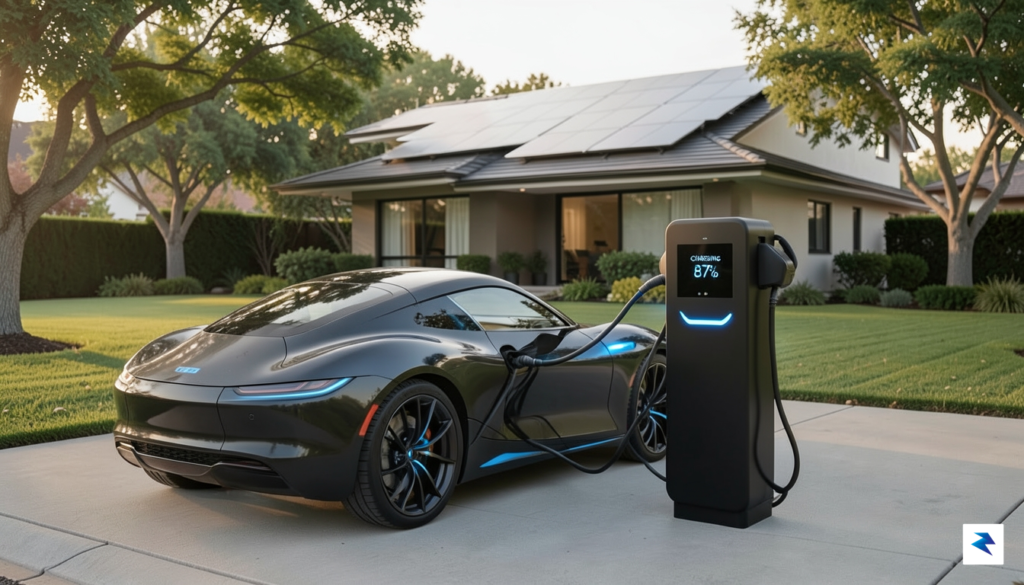
This technological evolution is being further accelerated by a decisive shift toward vehicle electrification. While electric vehicles (EVs) were once considered a niche luxury for early adopters, they have rapidly transitioned into a pragmatic hedge against the volatility of global oil markets. Consumers are increasingly motivated by the long-term predictability of electricity costs compared to the unpredictable price swings at the pump, which are often exacerbated by regional conflicts and supply chain disruptions. By decoupling personal mobility from the crude oil market, households are effectively “future-proofing” their transportation budgets.
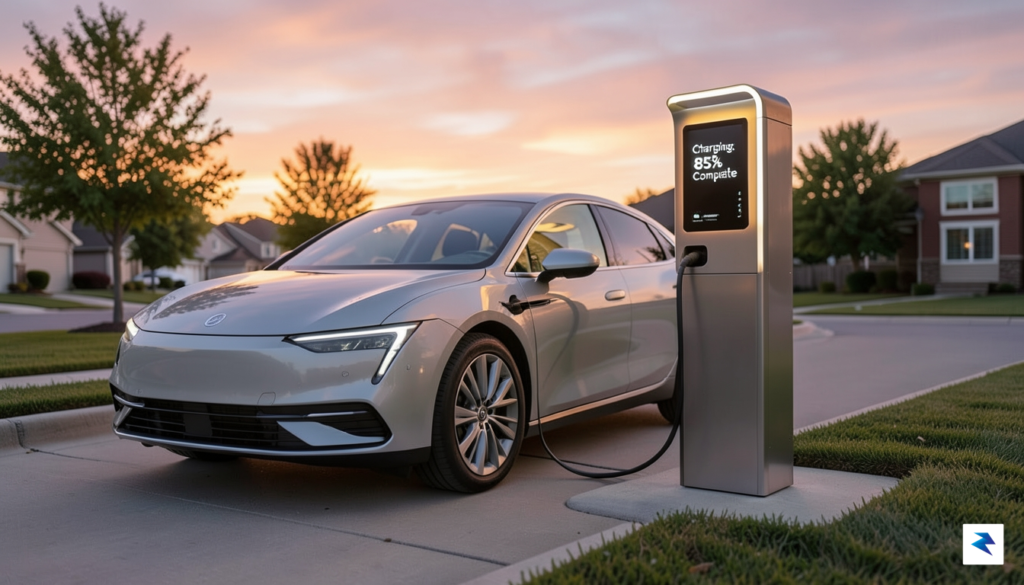
The transition to electric vehicles represents a permanent change in consumer behavior, as the convenience of home charging and the reduction in mechanical maintenance create a high barrier to returning to traditional gasoline-powered automobiles.
Crucially, the “stickiness” of the EV experience is a major factor in the permanent erosion of gasoline demand. Once a driver makes the switch, the transition back to a gasoline-dependent vehicle is exceedingly rare. The superior torque, reduced noise, and lower cost of ownership associated with EVs create a high level of consumer satisfaction that legacy automakers are struggling to match with traditional combustion models. As charging infrastructure continues to expand across the American highway system, the range anxiety that once plagued prospective buyers is evaporating, clearing the path for mass-market adoption. This shift is not merely a trend; it is a structural change in how Americans fuel their lives, ensuring that even if global oil prices stabilize or supply lines normalize, the appetite for gasoline will likely never return to its historic peak.
Economic Implications of a Permanent Decline in Gasoline Demand
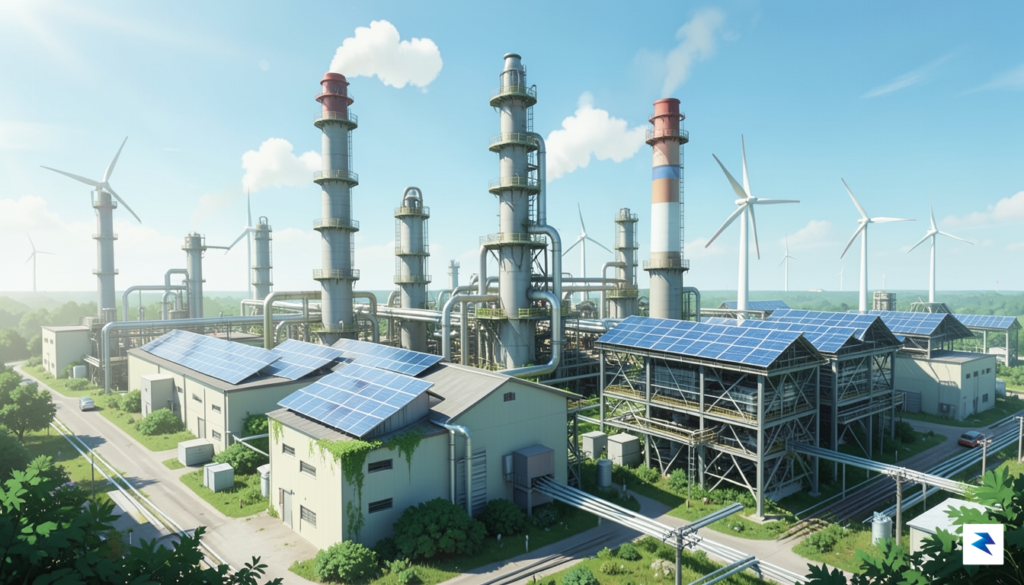
The structural decline in gasoline demand presents a formidable challenge to the titans of the energy industry. For decades, their business models were predicated on ever-increasing consumption, driving extensive exploration, extraction, and refining operations across the globe. Now, facing a plateauing or shrinking market for their core product, these companies are under immense pressure to fundamentally rethink their strategies. This necessitates a significant pivot towards diversification, moving beyond fossil fuels into nascent but rapidly growing sectors like renewable energy, electric vehicle charging infrastructure, advanced biofuels, and even hydrogen production. The transition is not merely strategic; it involves massive capital reallocation, retraining a specialized workforce, and potentially divesting traditional assets that may no longer be profitable, signaling a profound reorientation of some of America’s largest corporations. Companies that fail to adapt swiftly risk obsolescence, while those that embrace the change could redefine their legacy in a greener economy.
Beyond the corporate boardrooms, a sustained drop in gasoline consumption carries significant fiscal implications for both state and federal governments. Gasoline taxes have long served as a foundational funding mechanism for critical infrastructure projects, from maintaining sprawling highway networks to repairing aging bridges and supporting public transit systems. As this revenue stream dwindles, policymakers confront the daunting task of identifying viable alternative funding sources. This could involve exploring controversial options like vehicle miles traveled (VMT) fees, adjusting electric vehicle registration taxes to more equitably contribute to road maintenance, or even allocating general fund revenues. The challenge lies in designing a sustainable and politically palatable taxation framework that ensures continuous investment in infrastructure without disproportionately burdening specific segments of the population, a complex balancing act that will define infrastructure policy for years to come.
Furthermore, a permanent shift away from gasoline fundamentally alters the very definition of American energy independence. Historically, this concept revolved around reducing reliance on foreign oil imports, a goal largely achieved through increased domestic production. However, as the energy landscape evolves, true independence increasingly means self-sufficiency in a diverse portfolio of clean energy sources. Less reliance on volatile global oil markets mitigates vulnerability to geopolitical disruptions and price shocks, enhancing national security and economic stability. This transition also positions the U.S. to become a global leader in green energy technologies, fostering innovation, creating new industries, and potentially turning America into an exporter of clean energy solutions rather than just a consumer of fossil fuels. The journey ahead will be complex, but it promises a more resilient, sustainable, and technologically advanced energy future for the nation.
Future-Proofing the Energy Transition

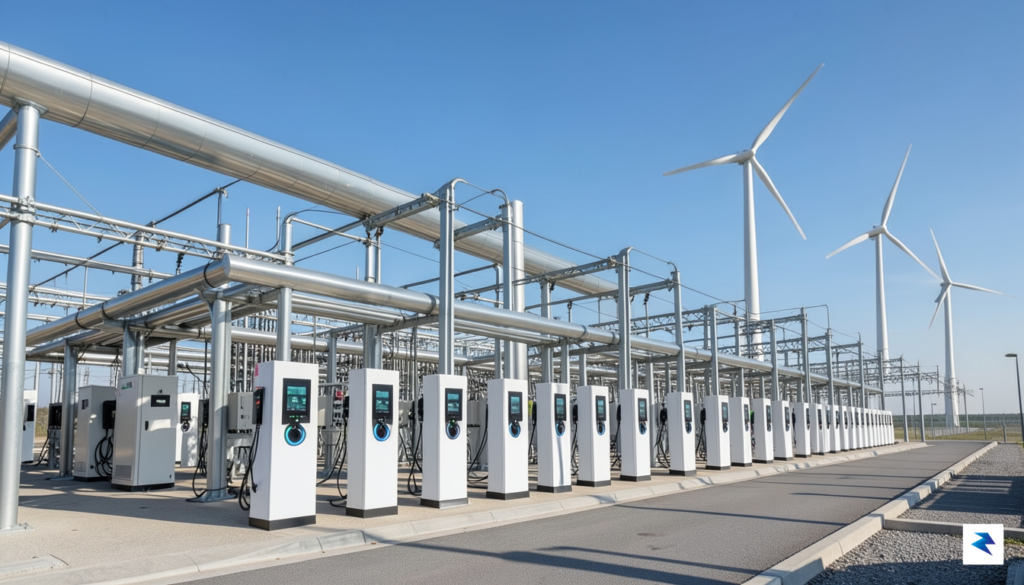
The decline of America’s gasoline consumption is not a sudden cliff edge, but rather the beginning of a profound structural evolution that demands foresight rather than panic. As electric vehicle adoption accelerates and efficiency standards tighten, the legacy model of relying on fossil fuels as the primary engine of personal mobility is becoming increasingly obsolete. To navigate this transition successfully, policymakers must prioritize comprehensive grid modernization. Our current electrical infrastructure was never designed to handle the simultaneous demand of millions of home chargers, industrial electrification, and the intermittent nature of renewable energy sources. Investing in smart grid technology, robust battery storage, and localized microgrids is essential to ensure that as our fuel tanks empty, our power lines remain resilient and reliable.
Beyond physical infrastructure, the fiscal foundation of our transportation system requires a fundamental overhaul. For decades, the highway trust fund—the primary mechanism for maintaining America’s roads and bridges—has been tethered to the gasoline tax. As fuel consumption plateaus and eventually drops, this revenue stream will inevitably wither, leaving a massive funding gap for critical infrastructure projects. We must move toward sustainable, user-based funding models, such as vehicle-miles-traveled (VMT) fees or integrated road usage charges. These alternatives offer a more equitable approach to infrastructure maintenance, ensuring that all vehicles—regardless of their powertrain—contribute fairly to the upkeep of the nation’s asphalt veins while decoupling public works from the volatility of global oil markets.
The transition away from gasoline is not merely an environmental imperative; it is a strategic shift toward a more stable, predictable, and cost-effective domestic economy.
Ultimately, the long-term benefits of moving beyond a petroleum-dependent economy extend far beyond environmental preservation. By reducing our reliance on volatile global oil supplies, the United States can enhance its energy security, shielding consumers from the price shocks that frequently disrupt household budgets during geopolitical instability. A shift toward a electrified, efficiency-focused transportation system allows for a more predictable cost of living, as the price of electricity remains significantly more stable and localized than the fluctuating costs of imported crude oil. By proactively planning for this shift today, we can foster a cleaner, more resilient economy that protects both the planet and the financial health of the average American household for generations to come.