The New Tech Front Line: Why Megafactories Are Shaping the U.S.-China Rivalry
The Strategic Stakes of Global Tech Manufacturing For decades, the global economy operated under the prevailing logic of hyper-efficiency,…
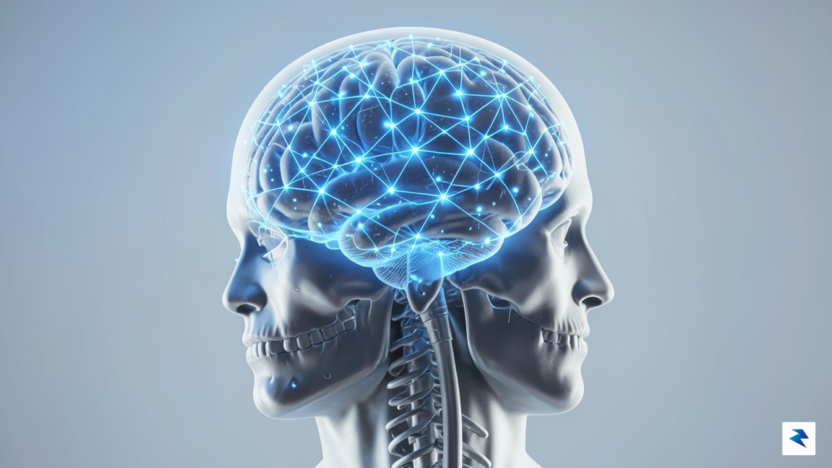
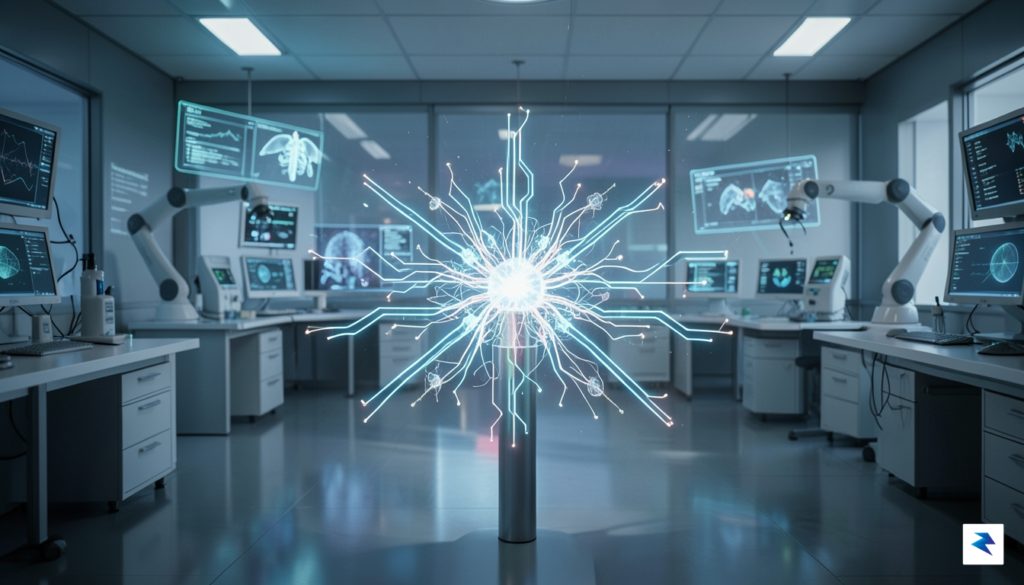
For decades, the standard of care for aggressive brain cancers, such as glioblastomas, has remained frustratingly stagnant. Medical professionals have traditionally relied on a combination of invasive surgical resection, systemic chemotherapy, and radiation therapy—methods that are often described as “blunt instruments” in the delicate landscape of the human brain. While these interventions aim to destroy malignant cells, they frequently struggle to reach infiltrative tumor margins without causing collateral damage to healthy neural tissue. Furthermore, the reactive nature of current oncology means that clinicians often wait for symptomatic decline or significant anatomical changes on an MRI before adjusting a treatment plan, leaving patients vulnerable to rapid tumor progression during the “blind spots” between scans.
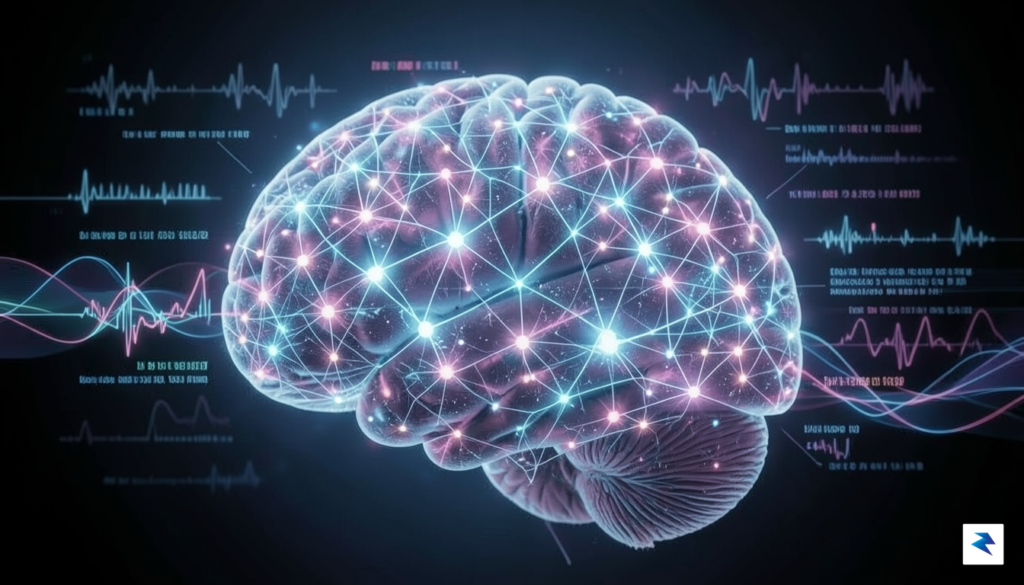
The landscape of neuro-oncology is undergoing a profound paradigm shift as we move away from these limitations toward a future defined by intelligent, persistent monitoring. By integrating brain-computer interfaces (BCIs) directly into the clinical workflow, researchers are effectively turning the brain into an active participant in its own diagnosis. This transition represents a departure from the “wait-and-see” model of traditional medicine toward a proactive, data-driven approach that detects cellular instability long before it manifests as physical symptoms. By embedding sensors capable of capturing real-time physiological data from the tumor microenvironment, we are essentially moving from taking intermittent “snapshots” of cancer to watching a live, high-definition “video feed” of tumor behavior.
The integration of BCI technology into oncology is not merely a technological upgrade; it is a fundamental transformation of how we conceptualize the patient-tumor relationship, shifting the burden of detection from the patient’s physical decline to the precision of continuous neural data.
Leading this charge, the recent human trials conducted by Coherence Neuro have demonstrated that these intracranial implants are more than just theoretical concepts—they are viable medical instruments. By providing clinicians with a constant stream of biochemical and electrical data from the site of the lesion, these implants enable a level of sensitivity that traditional imaging simply cannot match. This breakthrough allows for the potential of personalized, dynamic interventions where therapies can be tweaked in response to the tumor’s immediate evolution rather than its past behavior. Ultimately, this integration of neurotechnology and oncology promises to demystify one of the most stubborn adversaries in medicine, granting patients and physicians a critical advantage in the race against aggressive malignancy.
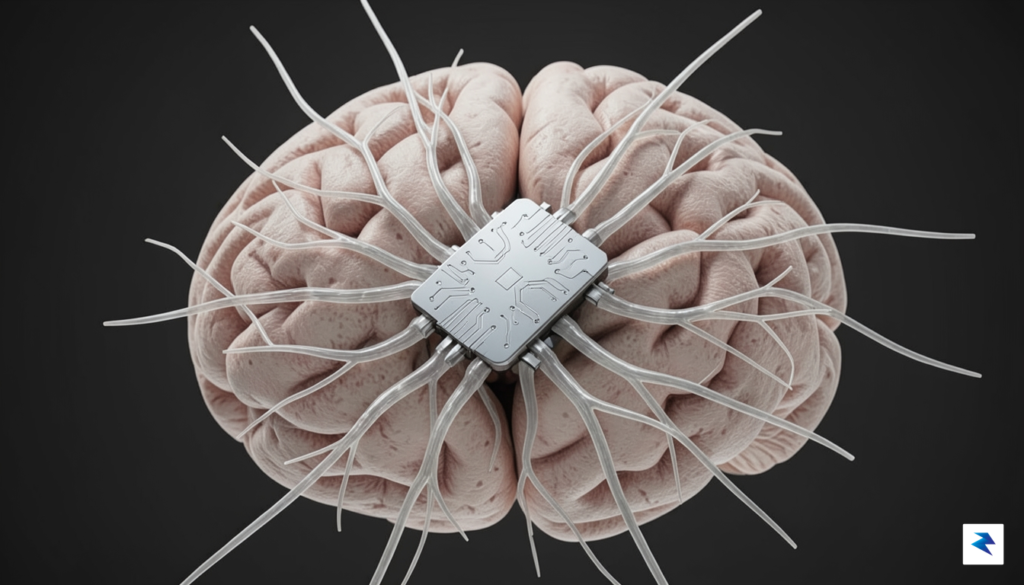
At the core of this breakthrough technology is a highly specialized brain-computer interface (BCI) designed to act as a permanent, vigilant sentry within the skull. The hardware consists of a microscopic array of ultra-fine electrodes that are meticulously embedded into the brain tissue near high-risk areas. These electrodes function as a bridge between the biological environment of the brain and the digital world, capturing the faint, rhythmic electrical pulses naturally emitted by neurons. By continuously monitoring these signals, the device establishes a baseline of “normal” neural firing patterns, allowing it to act as a sophisticated detection system that can identify subtle, chaotic fluctuations that often signal the very earliest stages of tumor development.
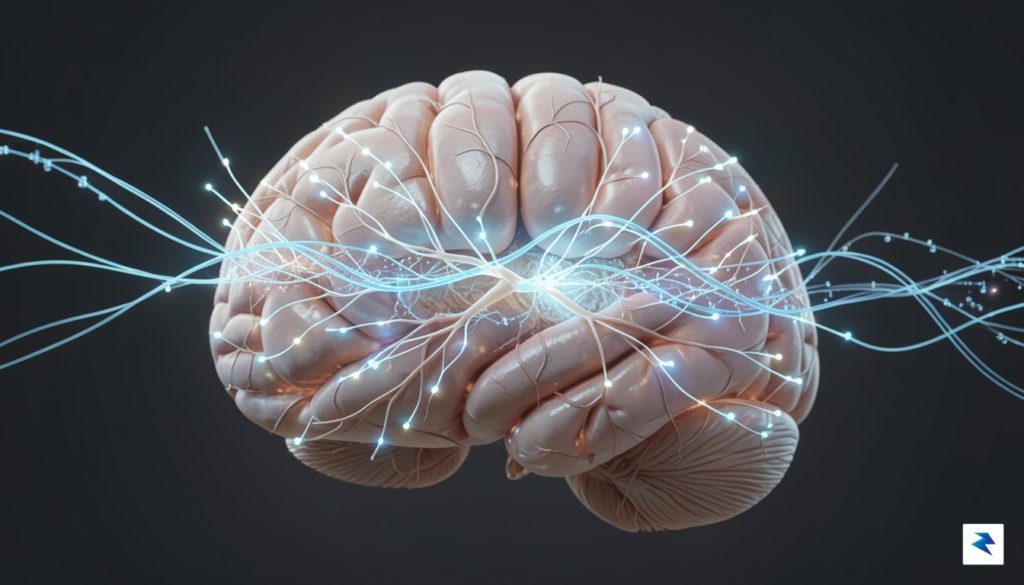
The true genius of the system, however, lies in its dual-action operational loop. Beyond its role as a passive observer, the implant is equipped to deliver precise, localized electrical stimulation directly to the surrounding tissue. This process operates on the hypothesis that controlled electrical interference can disrupt the micro-environment required for cancer cells to thrive, effectively creating a “bio-electronic barrier.” When the software detects a signature characteristic of abnormal cellular proliferation, it doesn’t just alert the medical team; it immediately initiates a modulated electrical response intended to inhibit the tumor’s growth at the molecular level. This closed-loop feedback mechanism ensures that the brain is not merely being watched, but is being actively protected by a system that adjusts its intervention in real-time based on the incoming neural data.
The integration of real-time diagnostics and therapeutic stimulation represents a fundamental shift from reactive oncology to proactive, preemptive neurological management.
To manage such a complex set of tasks, the hardware-software integration is engineered to be both incredibly fast and exceptionally efficient. Onboard microprocessors perform initial data processing directly at the implant site, filtering out “neural noise” to ensure that only the most critical information is transmitted to the external monitoring platform. This reduces the latency between detection and response, which is vital when attempting to stall biological processes as aggressive as tumor growth. By combining high-fidelity sensing with targeted neurological modulation, the Coherence Neuro interface effectively turns the brain’s own electrical language against the disease, offering a glimpse into a future where medical devices do more than monitor—they actively engineer better health outcomes from the inside out.
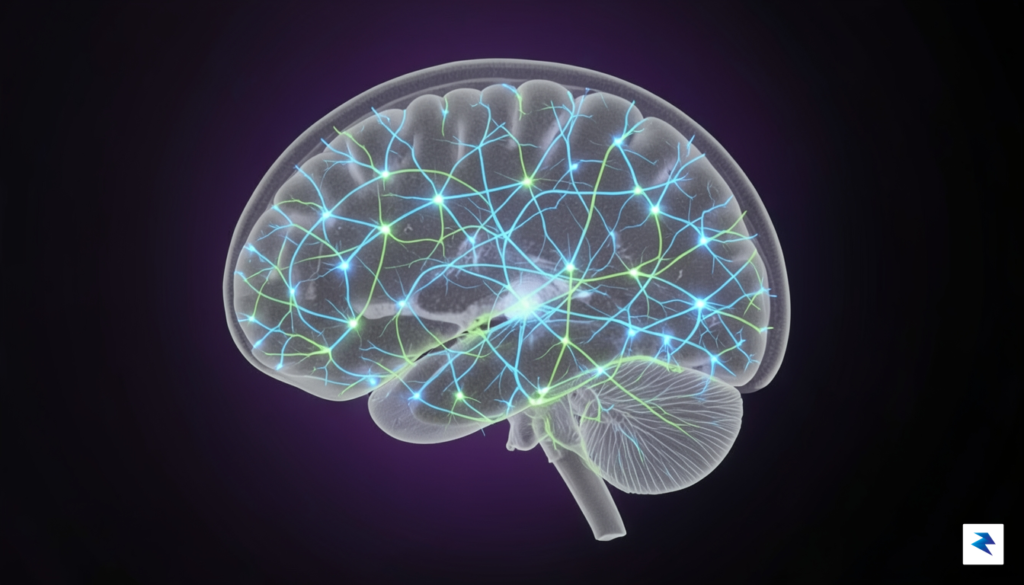
For decades, the standard of care for brain tumor management has been defined by what oncologists call the diagnostic gap. Traditional diagnostic tools, such as MRIs and CT scans, provide only a static, retrospective snapshot of the brain’s interior. By the time a radiologist identifies a shadow or a change in lesion size on an imaging report, the tumor has often already caused significant structural damage or reached a stage where it is notoriously difficult to treat. This reactive cycle forces patients into a state of “scan-xiety,” waiting months between checkups while hoping that silent progression hasn’t occurred in the interim.
The introduction of permanent, brain-integrated sensors fundamentally closes this gap by shifting the paradigm from periodic observation to continuous, real-time surveillance. Unlike an MRI, which requires a clinical environment and manual interpretation, an implantable device offers a constant stream of high-fidelity data regarding the brain’s microenvironment. These sensors can detect subtle molecular fluctuations or changes in local electrical activity that precede physical tumor expansion. By identifying these biomarkers weeks or even months before they would manifest as visual changes on a scan, medical teams can intervene at the earliest possible stage, potentially preventing the aggressive regrowth that defines the most lethal forms of brain cancer.
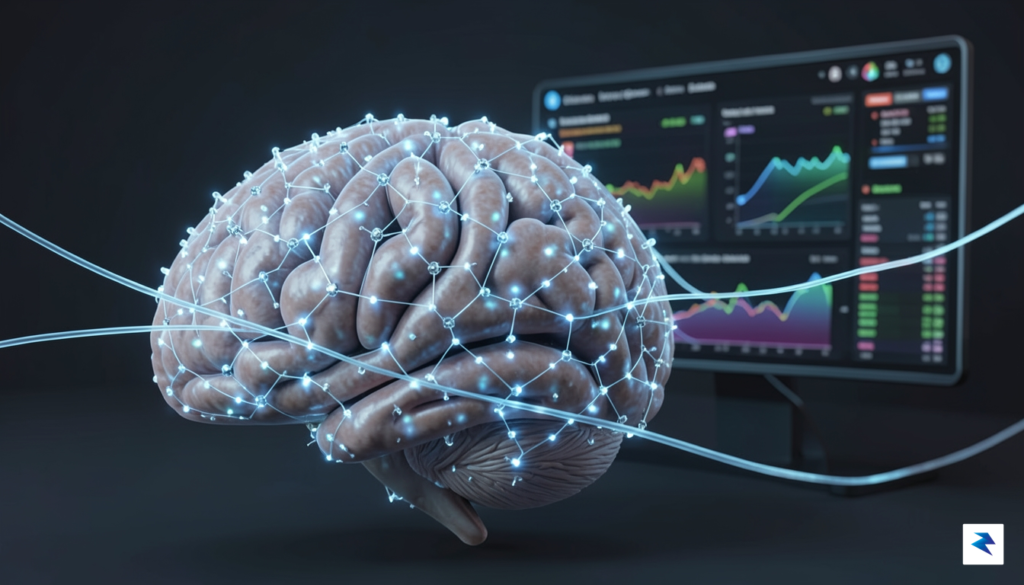
Beyond the benefits of early warning, these implants hold the revolutionary potential to actively modulate the tumor’s environment through electrical stimulation. The microenvironment of a glioblastoma or other malignant brain tumor is often highly acidic and biologically favorable to rapid cell division. Researchers are now exploring whether precise, low-level electrical fields—delivered directly by these implants—can disrupt the metabolic processes necessary for cancer cell survival. By altering the electrical potential of the surrounding tissue, these devices may effectively “starve” the tumor or make it more vulnerable to conventional chemotherapy and immunotherapy agents.
The power of an implant lies not just in its ability to watch, but in its ability to intervene at the exact moment a threat emerges, turning the brain into an active participant in its own defense.
Ultimately, this technological leap represents the transition from generic oncology to a highly personalized, responsive model of care. While traditional imaging provides the what of a diagnosis, continuous neural sensing provides the when and the how. By weaving these sensors into the fabric of the brain, we move away from waiting for tragedy to reveal itself and toward a proactive strategy that keeps patients ahead of the disease. This is not merely an improvement in diagnostic accuracy; it is a fundamental reconfiguration of the relationship between medical technology and the living, breathing human brain.

The prospect of integrating technology directly into the human brain to detect malignancy is a feat of engineering that borders on science fiction, yet the transition from laboratory concept to clinical reality is fraught with profound risk. Surgical implantation of any device into the cranium carries inherent dangers, including the risk of infection, cerebrospinal fluid leaks, and the potential for irreparable neural tissue damage. Because these devices must interface directly with delicate brain matter, the physiological response—such as inflammation or the formation of scar tissue (gliosis) around the electrodes—could eventually degrade the device’s sensitivity or, worse, impair the very cognitive functions the patient is seeking to protect. Surgeons and researchers are tasked with the delicate balancing act of placing life-saving sensors without compromising the patient’s physical integrity or their baseline neurological health.
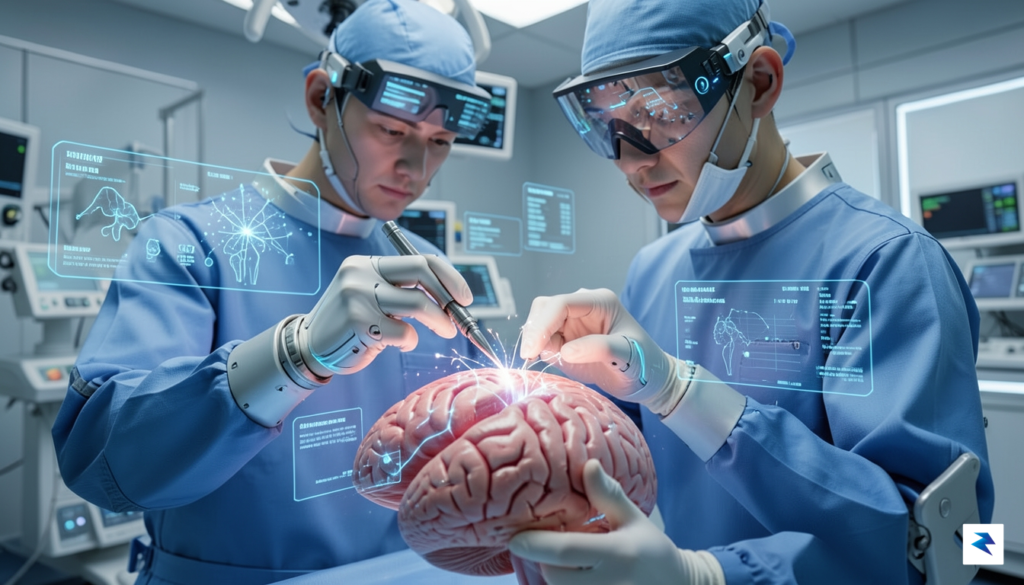
Beyond the surgical theater, the psychological implications of living with a permanent brain-computer interface (BCI) are largely uncharted territory. Patients must navigate the reality of having a foreign object fused with their most intimate organ, which can alter one’s sense of self and autonomy. This is further complicated by the daunting complexities of data privacy. Unlike a wearable fitness tracker, these implants record raw neural signals that are deeply tied to a patient’s consciousness and personal identity. We must ask: where is this sensitive, biometric neural data stored, and what safeguards exist to prevent unauthorized access? If these brain signals are transmitted to external servers for algorithmic analysis, the potential for data breaches or corporate misuse becomes a central ethical concern that current regulatory frameworks are ill-equipped to handle.
The integration of synthetic sensors into the human mind necessitates a new standard of “neural rights,” ensuring that a patient’s innermost cognitive data remains protected, private, and entirely under their control as technology advances.
The clinical trial process itself faces unique hurdles when dealing with such invasive interventions. Unlike traditional drug trials, where a treatment can be discontinued if adverse effects arise, a surgically implanted device is not easily removed without further trauma to the brain. This creates a high barrier for informed consent, as patients must fully grasp the permanent nature of the integration. Researchers are currently working under intense pressure to refine these systems while maintaining rigorous oversight, ensuring that the urgency of cancer detection does not bypass the necessity for long-term safety studies. Ultimately, the success of these trials depends not only on the efficacy of the sensors but on establishing a transparent, ethical foundation that prioritizes the patient’s holistic well-being over the undeniable allure of technological progress.

The successful implementation of these cancer-detecting brain implants marks a profound shift in how we perceive the oncology landscape, moving us toward a future where malignancy is treated less like a sudden, catastrophic event and more like a manageable chronic condition. By integrating real-time biological monitoring directly into the nervous system, we are approaching an era where clinicians can detect cellular anomalies at the molecular level long before they manifest as physical symptoms or tumors. If these initial human trials yield consistent results, the scalability of this technology could transform standard oncological care from a reactive model—where we fight established disease—to a proactive, preventative framework that intervenes at the earliest possible moment of cellular deviation.
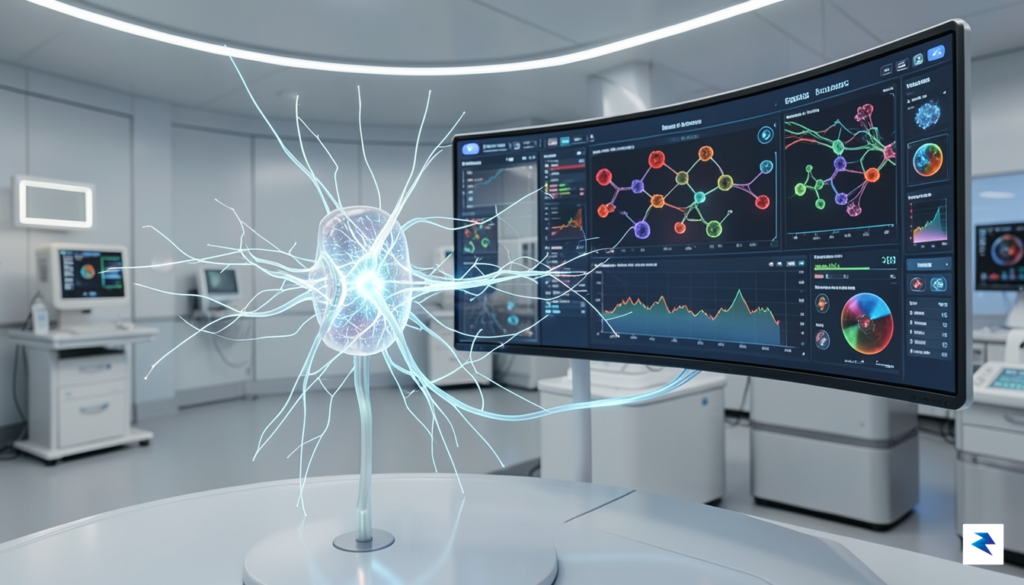
Looking ahead over the next two decades, the evolution of brain-computer interface (BCI) technology will likely extend far beyond oncology. We are peering into a horizon where the same hardware capable of spotting biochemical markers for cancer could be recalibrated to monitor neurotransmitter imbalances, provide early warnings for neurodegenerative conditions like Alzheimer’s, or even assist in the regulation of the endocrine system. As miniaturization improves and the biocompatibility of these sensors reaches a point of near-invisibility to the immune system, these implants could become as routine as a pacemaker. This integration suggests a seamless bridge between biological intent and technological intervention, fundamentally altering our capacity to maintain long-term physical health through self-regulating, internal systems.
The true promise of this innovation lies not just in the hardware itself, but in the paradigm shift: we are transitioning from being victims of biological unpredictability to becoming active, informed stewards of our own internal health.
Ultimately, none of this progress would be possible without the courage of the three pioneering patients who have volunteered to serve as the first human nodes in this experimental network. By allowing researchers to map the complex pathways of the human brain in the context of disease detection, these individuals are setting the foundational standards for safety, efficacy, and ethics that will govern the future of neuro-medicine. Their willingness to embrace this cutting-edge technology provides the empirical bedrock upon which subsequent generations of medical advancements will be built. As we analyze the data flowing from these implants, we must recognize that these participants are not just patients; they are the pathfinders navigating the intersection of technology and humanity, effectively writing the blueprint for the next century of medical evolution.
You must be logged in to post a comment.