
The Shift Toward Agentic Marketing

For years, the marketing industry has relied heavily on automation systems designed to streamline processes and personalize customer interactions. These systems, while groundbreaking in their time, typically operate on a foundation of static rules, pre-defined workflows, and IF/THEN logic. A customer takes an action, and a pre-programmed response is triggered, be it an email, an SMS, or an in-app notification. This approach, though efficient for scaling basic communications, often struggles to adapt to the nuanced, ever-changing needs and sentiments of individual customers, leading to experiences that can feel generic or, at worst, irrelevant.
However, the industry is now witnessing a profound paradigm shift, spearheaded by pioneers like MoEngage, moving beyond these traditional trigger-based campaigns towards what is being termed ‘agentic’ marketing. This innovative approach introduces autonomous AI entities, or agents, that are not merely executing pre-set commands but are actively learning, adapting, and managing individual customer relationships at scale. Instead of waiting for a specific trigger, these agents possess the intelligence to understand context, predict future needs, and proactively engage customers with highly personalized and timely interactions, mimicking the thoughtfulness of a dedicated human assistant.
The core distinction lies in autonomy and intelligence. Traditional marketing automation is reactive, a sophisticated vending machine dispensing pre-packaged responses. Agentic marketing, in contrast, is proactive and adaptive, much like a skilled brand ambassador who truly understands a customer and can anticipate their next move. These AI agents are equipped to process vast amounts of data, discern subtle behavioral patterns, and make real-time decisions on the optimal channel, message, and timing for engagement. This allows for a continuous, evolving dialogue that deepens customer loyalty and relevance, transforming impersonal campaigns into genuine, one-to-one connections that resonate deeply with each individual.
Furthermore, this evolution addresses inherent limitations within even the most advanced traditional CRM systems. While CRMs excel at centralizing customer data and providing a comprehensive historical view, they often fall short in translating that data into dynamic, proactive customer engagement. They serve as excellent repositories of “what” a customer has done, but they don’t inherently provide the “how” or “when” to interact most effectively in real-time. Agentic AI bridges this gap, acting as an intelligent layer that not only understands the data but actively uses it to orchestrate personalized journeys, moving beyond mere data aggregation to active, intelligent relationship management.
Ultimately, this strategic pivot towards autonomous AI agents signals a future where marketing is less about mass outreach and more about millions of individualized conversations. Each agent acts as a digital brand representative, empowered to cultivate unique relationships, anticipate needs, and deliver hyper-relevant experiences without human intervention for every single customer. This not only promises unprecedented levels of personalization but also vastly increases the efficiency and impact of marketing efforts, fundamentally redefining how brands connect with their audience in an increasingly complex and competitive digital landscape.
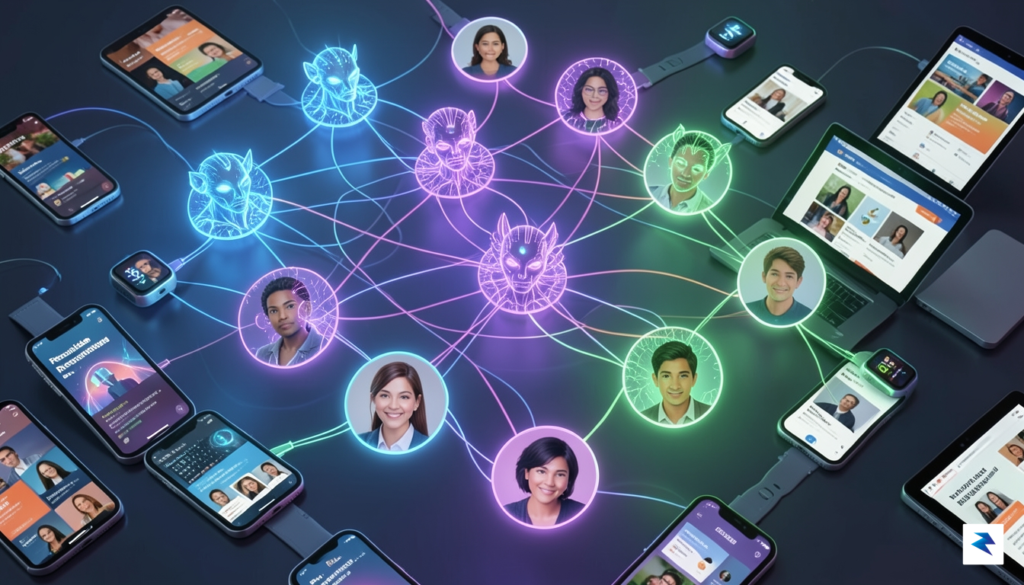
How AI Agents Personalize Customer Journeys
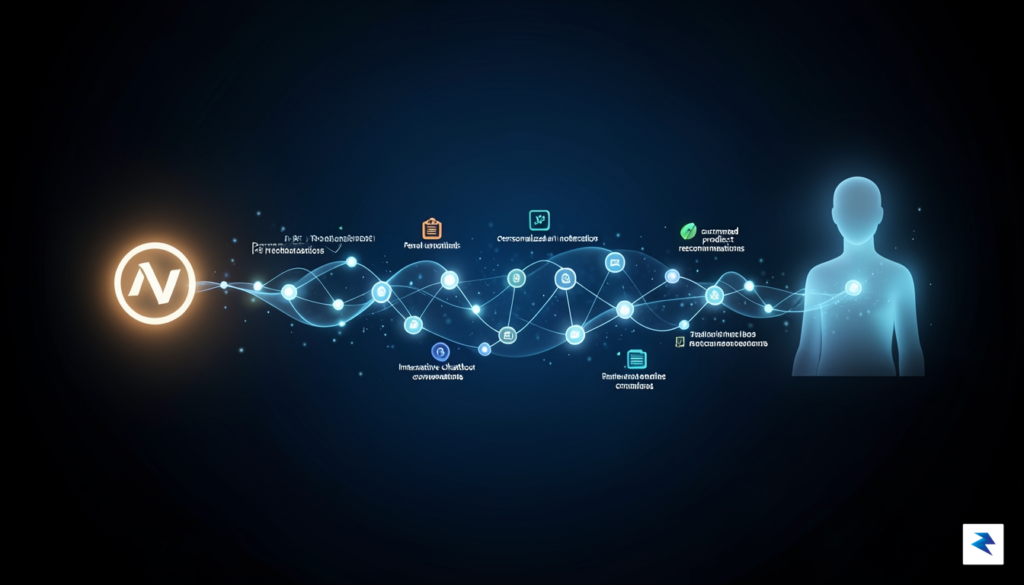
The true revolution in marketing isn’t just about using AI; it’s about fundamentally rethinking the customer relationship at an individual scale. At the heart of this transformative shift lies the concept of assigning a dedicated artificial intelligence agent to every single customer. This moves beyond the traditional approach of segmenting users into broad, often generalized demographics or interest groups. Instead, these sophisticated agents are designed to meticulously learn the unique behavioral patterns, subtle preferences, and specific pain points of each individual, paving the way for a truly bespoke experience that possesses the remarkable ability to scale indefinitely across millions of users.
Crafting the Digital Customer Persona
The foundational step for these individual AI agents is the creation of an incredibly rich and dynamic customer profile. This isn’t just a static data entry; it’s a living, evolving digital twin of the customer. The agent continuously ingests and analyzes a vast array of data points: everything from browsing history and past purchase behavior to app usage patterns, engagement with previous marketing campaigns, explicit preferences stated by the user, and even the time of day they are most active. By synthesizing these diverse inputs, the AI agent constructs a comprehensive understanding of the customer’s journey, their unique motivations, and their current needs, far surpassing what any human marketer could track or comprehend at scale.
Dynamic Analysis and Proactive Engagement
What truly sets these AI agents apart is their capacity for real-time behavior analysis and proactive engagement. Unlike static customer profiles that are updated periodically, these agents are always on, constantly monitoring new interactions and adapting their understanding. If a customer abandons a shopping cart, browses a new product category extensively, or shows heightened interest in a particular piece of content, the agent instantly registers these signals. This immediate responsiveness allows the agent to trigger highly relevant, timely interventions – whether it’s a personalized product recommendation, a helpful reminder about an item left behind, or an offer tailored to a newly identified interest. This predictive capability means anticipating needs even before a customer explicitly articulates them, fostering a sense of genuine understanding and responsiveness.
From Segments to Singularities: The Scale of Personalization
This paradigm represents a profound shift from cohort-based targeting to unit-level personalization. Historically, marketers would group customers into segments like “young urban professionals” or “budget-conscious parents,” then craft generic messages for these groups. While an improvement over mass marketing, this approach inherently missed the nuances of individual desires and behaviors. With dedicated AI agents, every customer becomes a segment of one. Each agent is tasked with optimizing the journey for its specific customer, learning what resonates with them, what their preferred communication channels are, and even their optimal timing for interaction. This granular approach ensures that every touchpoint is uniquely relevant, dramatically increasing engagement and conversion rates across an entire customer base, regardless of its size.
The Conversational Core: LLMs and Contextual Cohesion
The ability of these AI agents to maintain coherent and natural interactions is largely powered by advanced Large Language Models (LLMs). Once an agent has developed a deep understanding of its assigned customer, LLMs enable it to communicate in a way that feels genuinely personal and consistent across all channels. This goes far beyond simple chatbot scripts; the LLM allows the agent to understand complex queries, generate nuanced responses, and maintain context across multiple interactions over time. Whether it’s a personalized email, an in-app notification, or a direct chat, the LLM ensures that the tone, style, and brand voice remain consistent while simultaneously adapting the message’s core content to the individual’s specific profile and current situation. This contextual cohesion makes the interaction feel less like an automated system and more like a helpful, intelligent assistant dedicated solely to that customer’s needs.

Scaling Hyper-Personalization Beyond Human Capacity

Traditional marketing, even when striving for personalization, has always bumped against an inherent bottleneck: human capacity. A team of skilled marketers, no matter how dedicated, can only manage a finite number of customer segments and tailor communications to a limited degree. The sheer time and cognitive load involved in understanding individual user preferences, predicting their next move, and crafting truly unique interactions for a vast customer base quickly become insurmountable. This often leads to a generalized approach, where customers are grouped into broad categories, resulting in messages that might be “personal” but are rarely “hyper-personal” – that is, perfectly aligned with an individual’s real-time needs and context.
Enter the era of AI agents, where this fundamental limitation is not just overcome but obliterated. By deploying millions of autonomous AI agents, each capable of learning, adapting, and interacting independently, companies can achieve a level of hyper-personalization that was previously the stuff of science fiction. Imagine a scenario where every single user feels as if they are the brand’s only priority; where every notification, email, or in-app message is not just relevant, but precisely what they needed at that exact moment. These agents operate tirelessly, processing vast datasets in real-time to understand nuanced behaviors, anticipate desires, and deliver bespoke experiences at scale, effectively transforming a one-to-many marketing strategy into a million-to-one conversation.
The efficiency gains from this paradigm shift are profound, particularly when examining crucial customer retention metrics. When interactions are consistently relevant and timely, customer satisfaction soars. This direct correlation translates into a significant increase in Customer Lifetime Value (LTV), as engaged users are more likely to remain loyal, make repeat purchases, and even advocate for the brand. Conversely, the frustration often associated with irrelevant communications – a primary driver of customer churn – is drastically reduced. With AI agents ensuring every touchpoint adds genuine value, brands can cultivate deeper, more meaningful relationships with their audience, leading to a demonstrable decrease in churn rates and a more stable, profitable customer base over time.
Of course, orchestrating millions of unique, simultaneous interactions is a monumental technological feat. It’s not merely about sending a high volume of messages; it’s about ensuring each message is intelligent, contextually aware, and aligned with overall brand objectives. This requires a robust underlying platform capable of processing petabytes of data, making real-time decisions, and executing campaigns across diverse channels without a hitch. The intelligence must extend beyond simple rule-based automation, embracing advanced machine learning to predict user intent, adapt to evolving preferences, and even learn from the outcomes of past interactions. This complex orchestration ensures that while each AI agent acts autonomously, their collective efforts contribute to a cohesive and incredibly powerful hyper-personalization engine, driving unparalleled engagement and loyalty.
The Strategic Implications of MoEngage’s Recent Acquisition

The decision by MoEngage to pursue an aggressive, all-cash acquisition to bolster its AI agent capabilities represents a decisive pivot from traditional automation toward autonomous, intent-driven engagement. For years, the marketing technology sector has been defined by rule-based workflows—systems that respond to pre-programmed triggers with static responses. By integrating sophisticated agent-based technology, MoEngage is effectively moving the goalposts, signaling that the future of enterprise software is not merely about managing campaigns, but about deploying digital workforces that can learn, adapt, and execute complex strategies in real-time. This move forces every major player in the SaaS space to contend with a new reality: the competitive advantage no longer lies in the breadth of features, but in the depth of intelligence embedded within the platform.
Acquiring specialized intellectual property in this fashion is a clear statement that internal development cycles may no longer be fast enough to keep pace with the rapid evolution of generative AI. By absorbing proven, specialized tech stacks, MoEngage is bypassing the “build-versus-buy” dilemma and immediately positioning itself as a leader in the next generation of customer engagement platforms. This strategy places significant pressure on competitors, who must now grapple with the risk of their current product roadmaps becoming obsolete. The market is shifting from “do-it-yourself” marketing dashboards to “agent-orchestrated” ecosystems, and those who lack the proprietary AI architecture to support this shift will find it increasingly difficult to defend their market share against more agile, intelligence-first providers.

This strategic maneuver is likely to trigger a ripple effect across the broader martech landscape, setting off a new wave of consolidation as incumbents scramble to catch up. We should expect to see an uptick in M&A activity as larger enterprises look to acquire niche AI firms to bridge the gap between their legacy systems and the autonomous future. The shift suggests that the days of monolithic, jack-of-all-trade platforms are numbered, replaced by environments where human marketers act as supervisors for thousands of specialized AI agents. Ultimately, MoEngage’s aggressive bet suggests a fundamental change in the economics of marketing: if a single platform can manage millions of autonomous interactions, the barrier to entry for delivering personalized, high-scale customer experiences will drop significantly, redefining what it means to lead in the digital age.
The integration of autonomous agents marks the transition from software that marketers use to software that works alongside marketers, fundamentally altering the productivity metrics of the modern enterprise.
Furthermore, this development signals a long-term shift toward a “service-as-software” model, where the value provided is not just the tool itself, but the autonomous outcomes it generates. Organizations that fail to adopt this agent-led framework risk being sidelined by platforms that can offer higher precision and lower operational overhead. As the industry moves toward this high-fidelity engagement model, the companies that successfully blend human intuition with AI-driven execution will define the next decade of digital commerce.
Navigating Data Privacy and Ethical AI Implementation
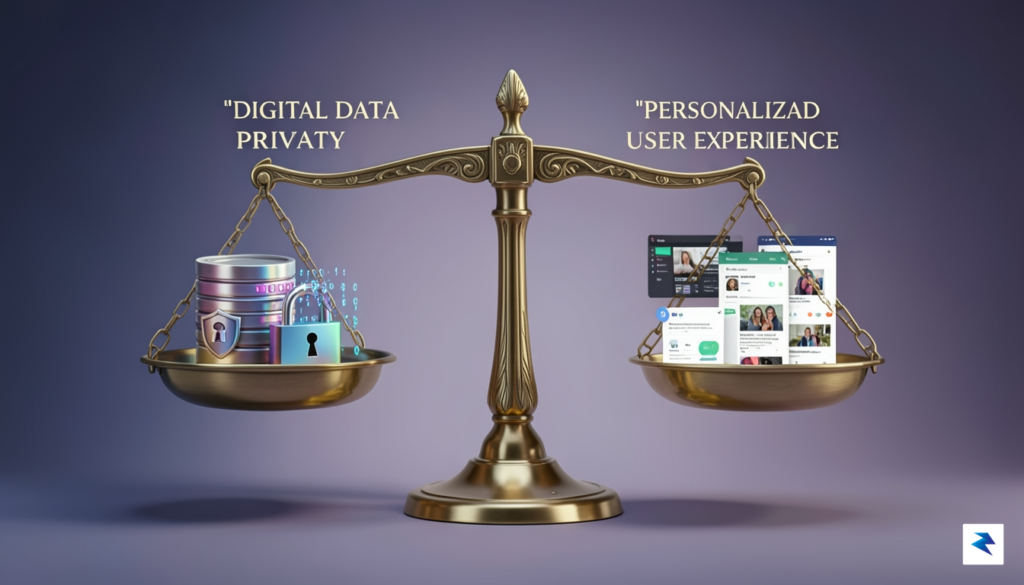
As marketing ecosystems shift toward the deployment of millions of autonomous AI agents, the promise of hyper-personalization inevitably collides with the complexities of global data protection regulations. Brands are no longer just managing databases; they are managing active, decision-making entities that process vast streams of consumer behavior in real-time. To operate within the mandates of GDPR, CCPA, and emerging privacy frameworks, companies must treat these agents not as autonomous silos, but as extensions of their corporate compliance posture. This means that every data point ingested by an agent—from browsing habits to purchase history—must be mapped, audited, and secured, ensuring that the “right to be forgotten” is honored even when an AI agent has already internalized user preferences.

Beyond regulatory checklists, the rise of autonomous marketing agents brings the critical challenge of the “black box” phenomenon. When AI models make independent decisions regarding which customer receives a specific offer or discount, the reasoning behind those choices can become opaque, potentially leading to unintended algorithmic bias. If an agent inadvertently discriminates against a demographic segment based on flawed training data, the brand faces both reputational damage and legal liability. Therefore, implementing a robust “human-in-the-loop” oversight strategy is no longer optional. Marketing teams must establish clear guardrails that allow human supervisors to monitor, review, and override agent decisions, ensuring that AI-driven interventions remain aligned with ethical brand standards and inclusive outreach strategies.
True ethical innovation in AI requires that every personalized interaction be explainable; if a brand cannot justify why an agent targeted a specific customer, they risk losing the foundational trust that fuels long-term consumer loyalty.
To navigate these challenges successfully, organizations must prioritize data transparency as a core pillar of their customer experience. This involves moving beyond obscure terms of service and toward active communication with consumers about how their data influences the autonomous agents they interact with. Best practices include:
- Data Minimization: Instructing agents to collect only the data strictly necessary for improving user experience, thereby reducing the risk surface area.
- Regular Algorithmic Audits: Conducting frequent technical reviews to identify and correct biases that may emerge as agents learn from evolving market conditions.
- Clear Opt-Out Mechanisms: Providing consumers with granular control over the level of AI-driven autonomy they are willing to accept, ensuring that privacy remains a user-driven choice rather than a corporate mandate.
Ultimately, the transition to an agent-driven marketing landscape requires a shift in mindset from “move fast and break things” to “move thoughtfully and secure everything.” By embedding ethical considerations into the architecture of AI agents from day one, brands can harness the power of hyper-personalization while safeguarding the privacy and autonomy of their customers. This rigorous approach to governance not only mitigates risk but also builds a resilient brand identity that consumers can trust in an increasingly automated world.
Preparing Your Marketing Stack for the Agentic Era
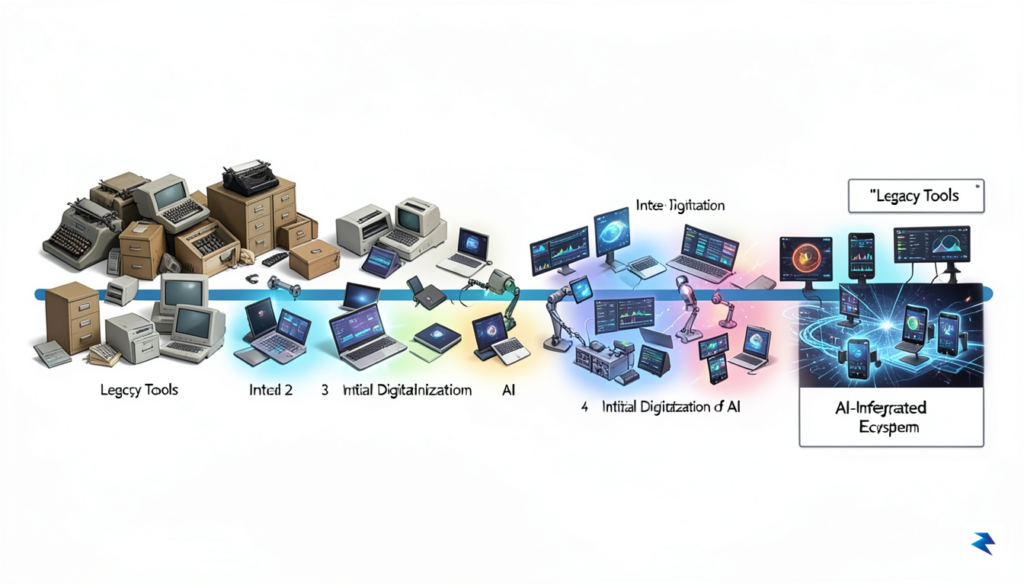
The move towards an agent-first marketing future, where autonomous AI entities manage vast swathes of customer interactions and campaign optimizations, represents far more than just adopting a new piece of software. It signals a fundamental paradigm shift, demanding a complete re-evaluation of how marketing teams are structured, how data is managed, and even the very skill sets required for success. Brands serious about harnessing the power of these intelligent agents must proactively lay down robust foundational layers, ensuring their entire marketing ecosystem is not just ready, but optimized for this transformative era. This readiness hinges on two critical pillars: a meticulously engineered data infrastructure and a strategically re-aligned human workforce.
Building the Bedrock: A Clean Data Pipeline
The efficacy of any AI agent is directly proportional to the quality and accessibility of the data it consumes. Therefore, the first and most critical step in preparing for the agentic era is to establish pristine, unified data pipelines. This involves consolidating disparate data sources—from CRM and transactional systems to web analytics and behavioral data—into a single, coherent view of each customer. Investing in a robust Customer Data Platform (CDP) becomes paramount, as it serves as the central nervous system, ingesting, cleaning, standardizing, and activating first-party data across all touchpoints, ensuring agents have a real-time, holistic understanding of customer journeys and preferences. Without this foundational clarity, agents will operate on fragmented or inaccurate information, leading to suboptimal outcomes and eroded customer trust.
Furthermore, data quality isn’t a one-time project; it’s an ongoing discipline. Brands must implement rigorous data governance protocols, focusing on data hygiene, accuracy, consent management, and compliance with privacy regulations like GDPR and CCPA. Agents, by their nature, process vast amounts of personal data, making ethical data handling not just a legal requirement but a strategic imperative for brand reputation. Clean, consented data not only fuels more intelligent and effective agent actions but also mitigates risks associated with biased outputs or privacy breaches, building a trustworthy foundation for AI-driven interactions.
From Campaign Managers to Agent Orchestrators
The advent of AI agents will inevitably redefine traditional marketing roles, transforming campaign managers from executioners into orchestrators and supervisors. Instead of manually scheduling emails or configuring ad buys, human marketers will focus on higher-level strategic thinking: defining overarching campaign goals, setting performance benchmarks, establishing ethical guardrails for agent behavior, and continuously evaluating their outputs. This shift liberates teams from repetitive tasks, allowing them to concentrate on creative strategy, brand storytelling, and complex problem-solving that still requires human intuition and empathy.
This evolution necessitates a proactive approach to upskilling and reskilling existing teams. Marketers will need to develop proficiency in prompt engineering, understanding how to effectively communicate desired outcomes to AI agents