How California AB 2047 Changes the Future of 3D Printing
Understanding California AB 2047: The Regulatory Shift for 3D Printing The legislative landscape surrounding additive manufacturing in…
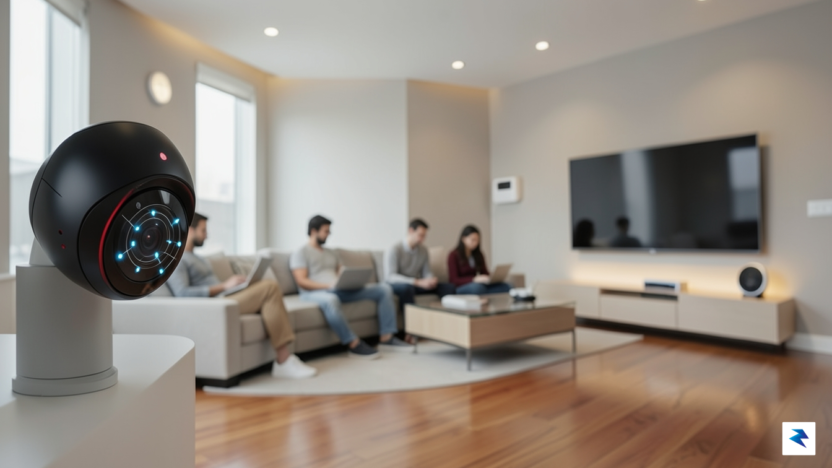
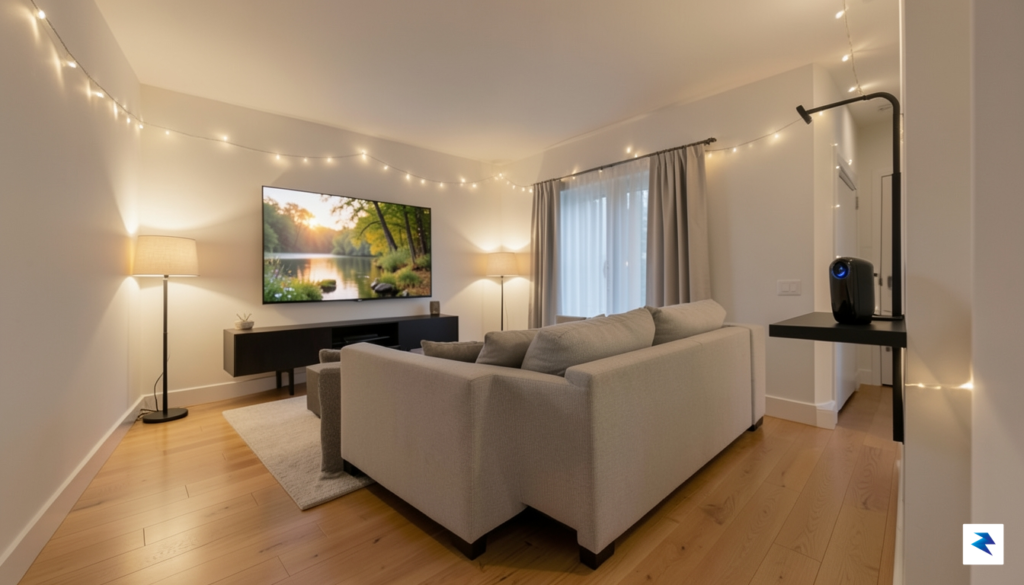
For years, the promise of smart home security cameras has centered on effortless identification: knowing precisely who is at your door or in your yard without a second thought. At the heart of this vision lies facial recognition technology, a seemingly intuitive solution designed to distinguish between welcomed guests, family members, and potential threats. However, despite its ambitious potential, early iterations of this technology often proved to be a source of frustration rather than reassurance for many homeowners, frequently falling short of the seamless, reliable experience users craved from their high-tech guardians.
The primary Achilles’ heel of these systems was their inherent fragility, particularly when confronted with the dynamic reality of human movement. Traditional facial recognition algorithms typically relied on a relatively static analysis of facial geometry—mapping key points like the distance between the eyes, the shape of the nose, or the contours of the jawline. While somewhat effective for perfectly frontal, well-lit images, this approach quickly faltered in real-world scenarios. The moment a subject turned their head, tilted their chin, or was viewed from an oblique angle, the system’s ability to identify them often evaporated. A familiar face could instantly become an “unknown person” in the camera’s digital eye, triggering unnecessary alerts or, worse, failing to recognize an actual intruder simply because they weren’t looking directly at the lens. This inconsistency undermined the very essence of reliable smart security.
Google’s latest advancements represent a pivotal shift away from these limitations, moving beyond the rudimentary constraints of direct, head-on facial geometry. The new approach embraces a far more holistic and resilient understanding of identity, designed to recognize individuals even when their faces aren’t perfectly presented. Instead of merely comparing static points on a flat image, the system is evolving to process a richer tapestry of data, potentially incorporating subtle three-dimensional context, how a face appears under varying lighting conditions, or even characteristic expressions and movements. This allows the camera to construct a much more robust, adaptable, and comprehensive profile of a recognized individual, making recognition significantly less dependent on an ideal, textbook view.
This evolution is far more than a mere technical upgrade; it signifies a profound improvement in the practical utility and trustworthiness of home security systems. By dramatically enhancing the system’s ability to consistently identify known individuals, even in imperfect or challenging scenarios, the number of irrelevant notifications and false alarms is expected to plummet. Imagine no longer receiving alerts about your spouse or children simply because they turned their head while walking past the camera, or having to constantly retrain your system for slightly different angles. This heightened accuracy means homeowners can place greater trust in their smart security, receiving alerts that genuinely matter and gaining true peace of mind, confident that their camera can reliably differentiate between a family member and a legitimate concern, regardless of their pose, lighting, or momentary glance.
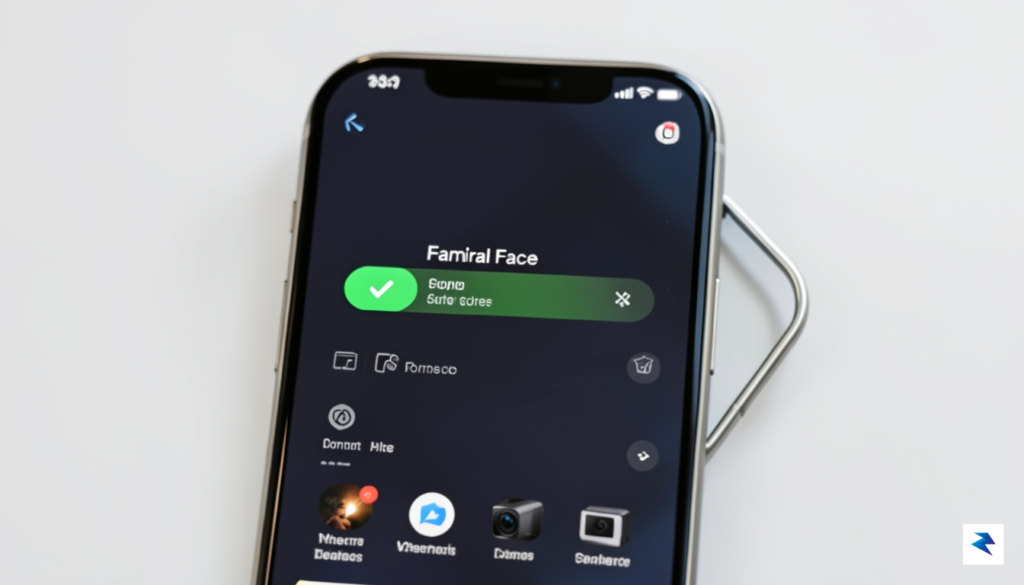
At the heart of the latest enhancements to Google Home lies a sophisticated evolution in how the Familiar Faces library interprets visual data. Historically, facial recognition technology relied heavily on high-contrast, frontal portraits to establish a match. However, the new update shifts the paradigm by moving away from static snapshots toward a more dynamic, contextual understanding of physical identity. By leveraging advanced machine learning models, the system now analyzes a broader array of facial markers, including unique geometric structures and patterns that remain consistent even when an individual is in motion or turned away from the lens.
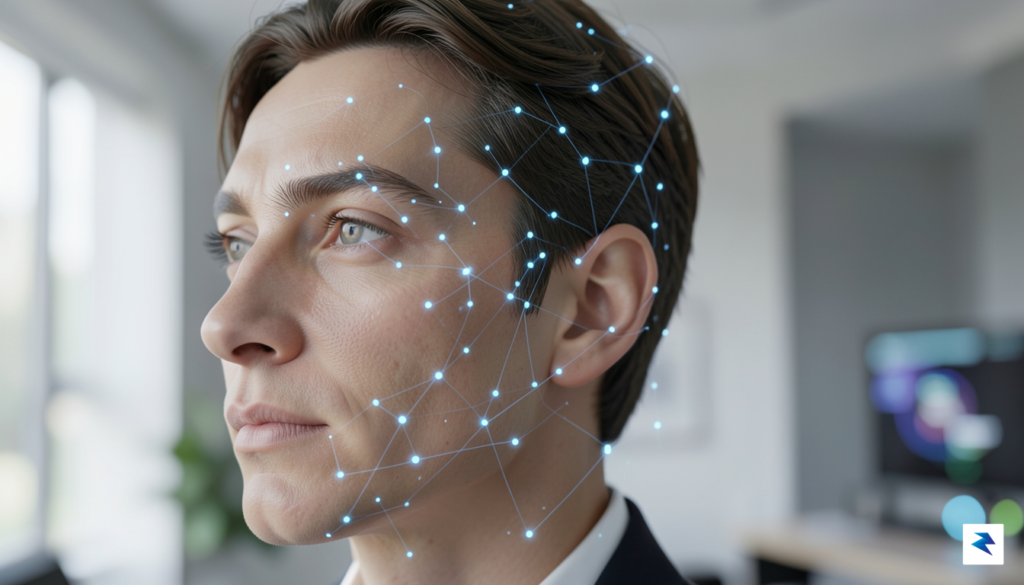
This technical shift means that the algorithm no longer requires a “perfect” look at a user to confirm their identity. Instead, the software creates a multidimensional profile that “remembers” previously tagged individuals by synthesizing various angles and lighting conditions over time. When a camera captures a profile view or a partially obscured face, the system cross-references these visual fragments against the established library data. Through this process of continuous learning, the device can effectively “fill in the gaps,” maintaining a persistent identity for household members even if they are wearing hats, looking down at their phones, or walking briskly past the sensor.
The core of this breakthrough is the system’s ability to prioritize consistent identifying markers—such as jawline structure and ear shape—over fleeting, temporary variables like the direction of one’s gaze or momentary facial expressions.
For the average user, the impact of these changes is a significant reduction in “Unknown Person” notifications, which have historically plagued smart home security setups. By minimizing the reliance on frontal-only recognition, the system becomes far more reliable in real-world scenarios where people rarely stand perfectly still and stare directly into a camera. This not only cleans up your notification feed by filtering out redundant alerts for people you already know but also enhances the overall security posture of your home. The transition toward this more nuanced recognition model ensures that your smart home is not just watching, but truly understanding, the specific people who populate your daily life, ultimately creating a more seamless and intuitive home automation experience.

The integration of advanced facial recognition into the domestic sphere naturally invites significant questions regarding the sanctity of personal privacy. As Google Home evolves to distinguish between family members and unfamiliar visitors with greater precision, the underlying biometric data processing requires a robust framework of security. Google has addressed these concerns by designing the “Familiar Faces” feature to prioritize local processing whenever possible, aiming to minimize the amount of sensitive image data that needs to be transmitted to the cloud. By keeping the recognition algorithms as close to the hardware as possible, the company seeks to create a smart home environment that feels both intuitive and secure, acknowledging that the trust of the user is the most critical component of a functional ecosystem.
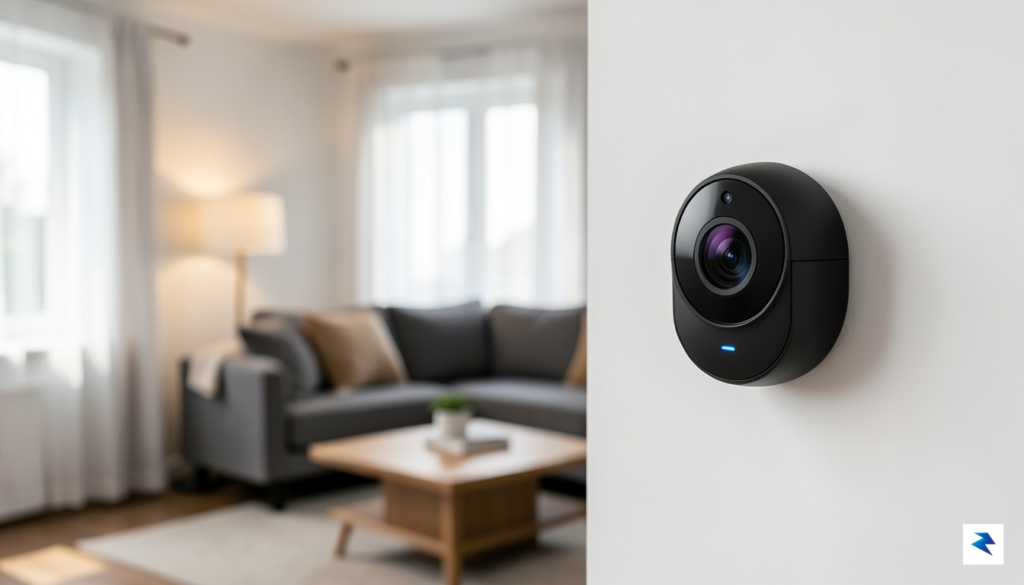
It is essential for users to understand that these advanced capabilities are strictly opt-in, ensuring that no one is enrolled in biometric tracking without their explicit consent. Google provides a transparent interface within the Home app, allowing individuals to actively manage their “Familiar Faces” library. If a user decides that the convenience of personalized notifications is no longer worth the trade-off in data collection, they maintain full control to delete their biometric profiles or disable the recognition feature entirely at any time. This granular level of management reflects an industry-wide shift toward “privacy by design,” where the architecture of the product is built to support user autonomy rather than forcing constant data harvesting.
The core of a truly smart home is not just its ability to recognize who is walking through the door, but its commitment to safeguarding the identity of the people it tracks.
When comparing Google’s implementation to broader industry standards for home monitoring, the focus is increasingly on encryption and data minimization. While competitors often struggle with the balance between cloud-based convenience and local privacy, the industry is moving toward a model where biometric templates are encrypted and stored in secure enclaves on the device itself. Users should remain informed about these settings, periodically reviewing their account activity and privacy dashboards to ensure their smart home configuration aligns with their personal comfort levels. By blending high-performance machine learning with clear, user-centric privacy controls, the goal is to provide a more responsive home experience without compromising the fundamental right to digital anonymity.
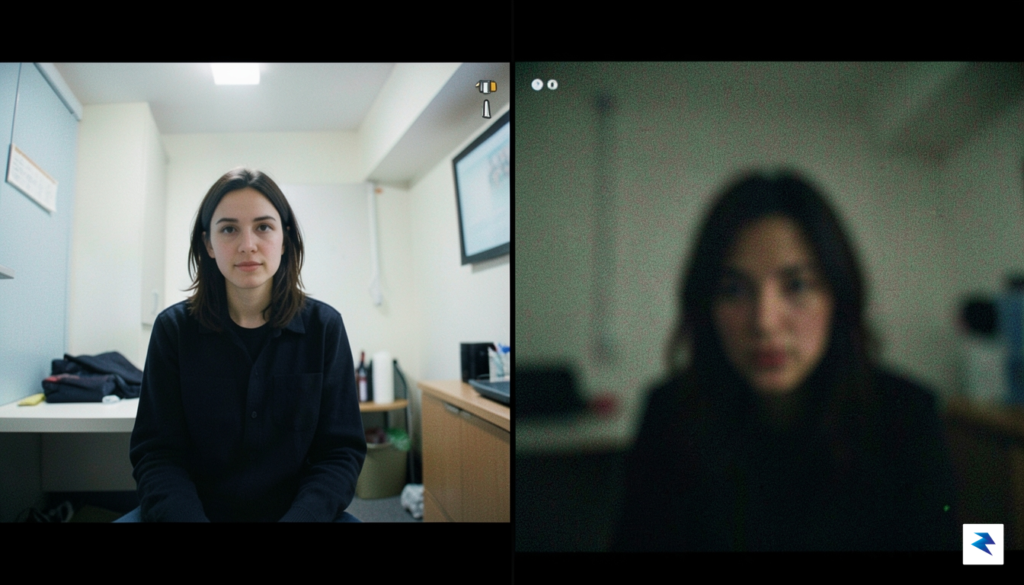
While Google’s advancements in facial recognition represent a significant leap forward for smart home security, it is important to temper expectations regarding the current state of the technology. Even with sophisticated machine learning algorithms processing the data, these systems are not infallible “silver bullets” for identification. Real-world environments are often chaotic, and factors such as poor indoor lighting, significant distance from the lens, and extreme viewing angles can still cause the software to struggle. When the camera cannot capture a clear, high-contrast image of a face, the AI may default to a generic “unknown person” alert rather than risking a false positive, a design choice intended to protect user privacy and minimize erroneous notifications.
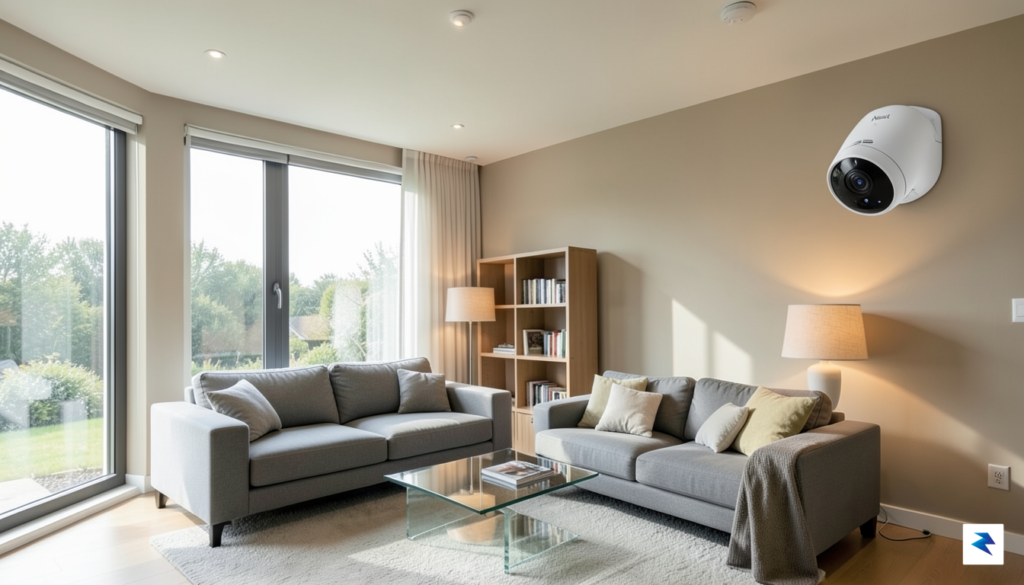
Hardware limitations also play a pivotal role in these recognition challenges. Most smart home cameras utilize fixed-focus lenses and sensors that are optimized for general surveillance rather than high-fidelity biometric scanning. While these devices are excellent at detecting motion and broad shapes, they lack the specialized infrared or depth-sensing arrays found in high-end mobile authentication systems. Consequently, if a user is moving quickly or is positioned in a way that obscures key facial features, the camera simply does not have the raw pixel density required to make a confident match. As the ecosystem evolves, we can expect future firmware updates to better optimize image processing, potentially utilizing temporal consistency—where the camera analyzes a sequence of frames rather than just a single snapshot—to improve accuracy over time.
To get the most out of these upcoming improvements, homeowners should focus on strategic camera placement. The goal is to provide the AI with the cleanest possible “data” to work with. Consider these best practices to improve your system’s recognition capabilities:
Ultimately, the most effective smart home security strategy combines these AI-driven features with physical environmental adjustments. By treating your cameras as partners that require favorable conditions to perform their best, you can significantly reduce the frequency of missed or inaccurate identifications.
Looking ahead, the next generation of Google Home hardware will likely incorporate more advanced onboard processing chips capable of handling complex neural network tasks locally. This shift will not only make identification faster but will also allow for more nuanced context, such as recognizing recurring visitors or distinguishing between family members even when they are wearing hats or glasses. Until that hardware refresh arrives, viewing these updates as a helpful assistant rather than a flawless gatekeeper will ensure you remain satisfied with your home security system’s performance.

To begin training your security system, navigate to the Google Home app and select the camera you wish to configure. Within the device settings, locate the “Familiar Faces” menu under the “Events” or “Recognition” tab. Once you toggle this feature on, the system will begin analyzing video snippets to identify recurring visitors. It is essential to understand that this process is a collaborative effort between you and the software; your initial input acts as the foundation for all future automated detections. By spending just a few minutes during the initial setup to verify the identities of those appearing in your clips, you significantly reduce the likelihood of false alerts while ensuring that your system becomes increasingly intuitive over time.
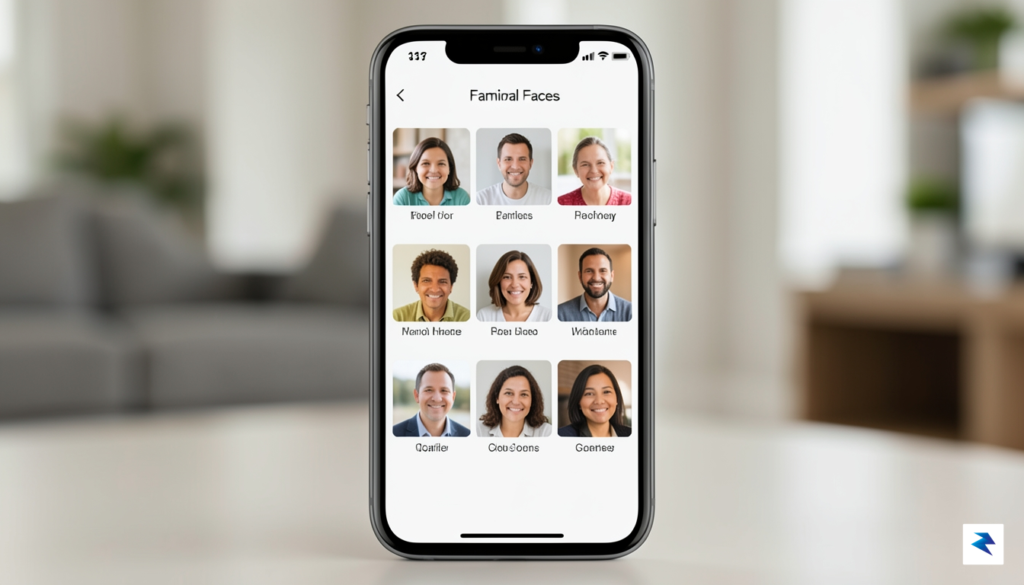
When you start tagging family members, consistency is the key to achieving high levels of accuracy. When the app prompts you to label a face, try to select clear, high-resolution snapshots where the person is facing the camera directly and is well-lit. If the system suggests a name for a recurring person, confirm it immediately so the algorithm can link that specific facial geometry to the correct identity. If the system misidentifies someone, do not ignore it; manually correcting these errors teaches the artificial intelligence to distinguish between similar-looking individuals, such as siblings or frequent guests. Over the course of the first few weeks, you should periodically review your library to ensure that all profiles are populated with a variety of angles and lighting conditions, which helps the camera maintain accuracy regardless of the time of day.
To maximize the effectiveness of your security system, treat the Familiar Faces library as a living document that requires regular maintenance and verification.
If you encounter persistent recognition errors, there are several troubleshooting steps you can take to refine the system’s performance. First, verify that your camera is mounted at an appropriate height and angle, as extreme high or low perspectives can distort facial features and make recognition difficult. If the system continues to struggle, try adding more images to a specific profile by manually saving clips of that person from different times of the day, such as during the bright morning hours and the dim light of dusk. Additionally, ensure that your camera lens is clean and free of obstructions, as smudges or debris can blur the fine details necessary for accurate facial mapping. With these proactive adjustments, you will transform your smart home into a highly responsive security environment that knows exactly who belongs on your property.
You must be logged in to post a comment.