The Evolution of Affordable Electric Utility Vehicles
For the better part of the last decade, the electric vehicle revolution has felt like an exclusive club reserved for the affluent. The market has been saturated with high-end luxury SUVs and flagship pickup trucks that routinely command six-figure price tags, leaving the average blue-collar worker or small business owner on the sidelines. While these premium offerings have certainly pushed the boundaries of battery technology and performance, they have done little to address the practical needs of those who view a truck as a tool rather than a status symbol. This persistent EV affordability gap has created a market environment where “going green” is synonymous with “going broke,” effectively alienating the very demographic that relies most heavily on utility vehicles for their daily livelihoods.
The primary reason for this failure to democratize electric utility lies in the industry’s obsession with range, luxury, and excessive power. Manufacturers have spent years engaged in a technological arms race, prioritizing gargantuan battery packs—which are inherently expensive—and opulent interior features that inflate the bottom line. By focusing on luxury, these companies ignored the reality that a work truck is defined by its bed capacity, durability, and cost-of-ownership efficiency, not by leather-trimmed dashboards or autonomous driving software. Consequently, the entry-level segment remained stagnant, trapped by the high capital expenditures required to produce complex, high-performance vehicles that simply cost too much for the average consumer to justify.
Slate Auto is now attempting to flip this script by stripping away the unnecessary bloat that has plagued electric truck development. By prioritizing radical simplicity, the company is targeting the massive, underserved population of tradespeople, farmers, and municipal workers who require a functional vehicle that pays for itself through lower maintenance and fuel costs. This approach acts as a necessary market equalizer, challenging the assumption that electric mobility must carry a premium tax. By focusing on the essential architecture of a work vehicle, Slate Auto is positioning itself not just as a manufacturer, but as a catalyst for a more equitable transition to sustainable transit.
The true test of electric vehicle adoption won’t be found in the driveways of luxury homes, but in the fleet depots and job sites where utility, reliability, and cost-efficiency dictate the bottom line.
As the industry pivots toward mass-market accessibility, the introduction of a vehicle priced at $24,950 marks a significant inflection point. It signals that the engineering focus is finally shifting from “what can we pack into this truck” to “what does the worker actually need to get the job done.” This evolution is critical; if the electric vehicle movement is to succeed globally, it must offer viable, affordable solutions for the everyday consumer. Slate Auto’s entry into this space suggests that the era of the exclusive electric vehicle is ending, making way for a new, pragmatic chapter of automotive history where clean energy is accessible to everyone.
Slate Auto’s Pricing Strategy: Disrupting the EV Market

The automotive landscape has long been defined by the luxury-tier entry barrier of electric vehicles, but Slate Auto is aggressively dismantling that narrative. By anchoring their base truck model at a startling $24,950 and offering a versatile SUV variant at $29,950, the company is effectively challenging the status quo of EV pricing. For context, the average transaction price for an electric vehicle in the United States has frequently hovered well above $50,000, leaving a massive void for budget-conscious consumers who want to transition to sustainable transportation without sacrificing their financial stability. Slate Auto’s decision to position their flagship vehicles under the $30,000 threshold represents a fundamental shift in how startups are approaching the mass market.
This pricing strategy is far more than a marketing gimmick; it is a calculated bet on long-term scalability and market penetration. While many legacy automakers and boutique startups prioritize high-margin, low-volume production to recoup research and development costs, Slate Auto is prioritizing volume and brand loyalty. By sacrificing immediate high-margin profits per unit, the company intends to capture a significant share of the entry-level market, effectively making electric mobility an attainable reality for the average worker rather than a status symbol for the wealthy. This move forces the rest of the industry to reckon with the reality that affordable electric utility is not just a technological aspiration, but a manufacturing possibility that can be realized today.
The true success of the EV revolution will not be measured by high-end performance specs, but by the ability to offer reliable, emission-free utility at a price point that rivals the internal combustion engine vehicles currently dominating the used car market.
The feasibility of such aggressive pricing is largely anchored by the company’s robust financial backing, most notably the support from heavyweights like Jeff Bezos. This infusion of capital has allowed Slate Auto to bypass the traditional financial bottlenecks that often force startups to inflate MSRPs to keep operations afloat. With the weight of substantial investment behind them, the company can afford to optimize their supply chain and manufacturing processes for high-efficiency output from day one. By streamlining production and focusing on modular, simple engineering, Slate Auto is proving that the prohibitive cost of EV ownership was never a necessity of physics, but rather a choice in business modeling. This, in turn, sets a new industry standard that will likely compel competitors to rethink their own manufacturing and pricing structures to remain relevant in a rapidly evolving market.
Engineering Simplicity: How Slate Achieves Low Costs
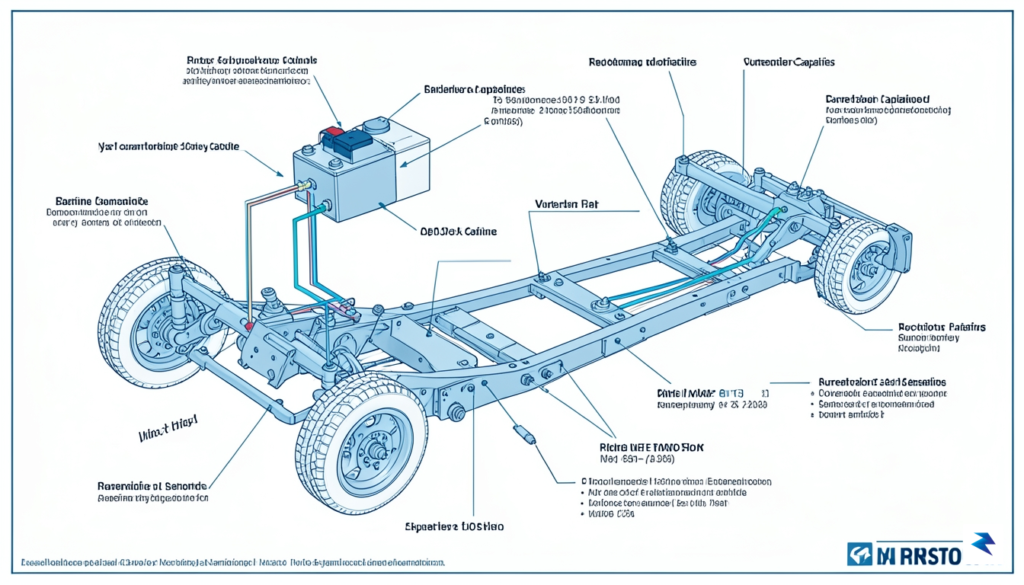
At the heart of Slate Auto’s disruptive entry into the electric vehicle market is a design philosophy that prioritizes function over ornamental complexity. Rather than chasing the industry trend of cramming high-end digital cockpits and hyper-complex active suspension systems into every chassis, Slate has embraced a “design for manufacturing” approach. This methodology treats every component as a potential point of failure or an unnecessary cost, forcing engineers to justify the existence of every bolt, panel, and wire. By meticulously stripping away non-essential luxury features, the company has managed to streamline its assembly lines, significantly reducing the labor hours required to bring a single truck to life.
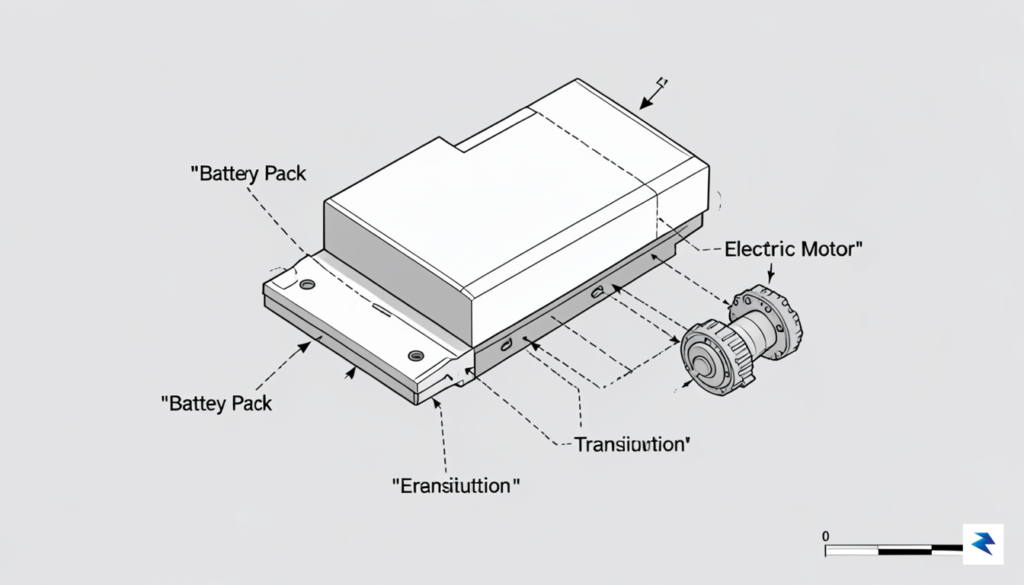
The secret to this efficiency lies in a modular design language that favors standardized components over proprietary, one-off parts. By utilizing common, off-the-shelf hardware wherever possible, Slate not only simplifies its supply chain but also drastically lowers the logistical burden of sourcing materials. When a vehicle is built from modular, interchangeable blocks, the assembly process becomes less like a delicate puzzle and more like a structured, repeatable sequence. This reduction in manufacturing complexity translates directly to the bottom line; because the factory spends less time troubleshooting assembly bottlenecks and managing niche suppliers, those cost savings are passed directly to the consumer in the form of a sub-$25,000 price tag.
Radical simplicity is not about building a cheaper vehicle; it is about building a more reliable one by removing the layers of over-engineering that drive up prices and complicate repairs.
This commitment to simplicity also yields profound long-term benefits for the end-user, particularly regarding maintenance and repair costs. Modern vehicles are often so dense with proprietary electronics and integrated systems that even minor repairs require specialized dealer tools and hours of diagnostic labor. Conversely, Slate’s modular architecture is designed with the owner in mind, favoring accessibility and ease of service. By reducing the sheer number of parts and simplifying the integration between those parts, Slate ensures that when a component eventually wears out, it can be replaced without necessitating a major overhaul of the surrounding systems. This creates a vehicle that is not only affordable to purchase but also sustainable to own, effectively changing the economic calculus of electric vehicle ownership for the average driver.
Performance and Range: Evaluating the Daily Utility
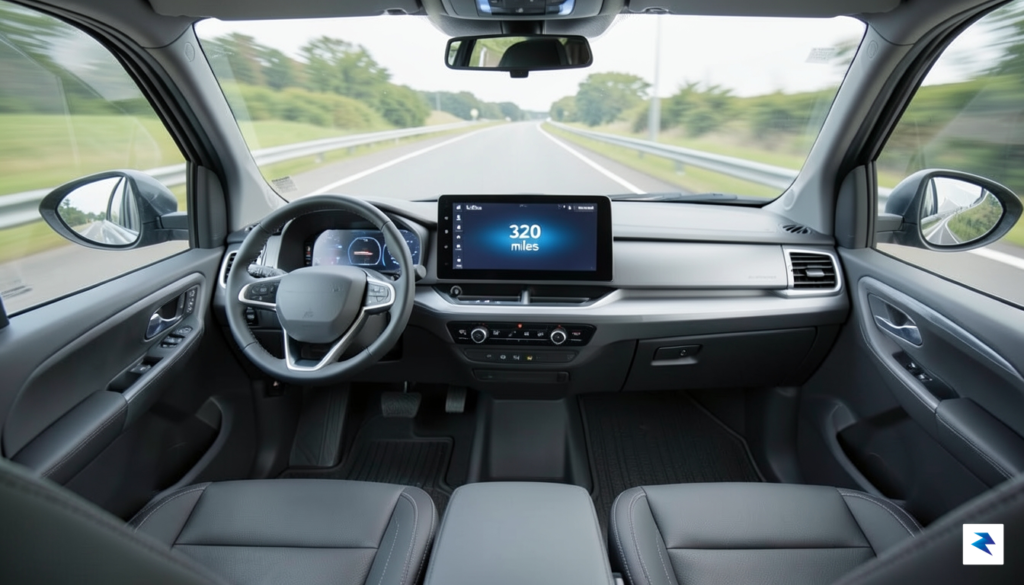
The 205-mile range offered by Slate Auto’s base model might initially strike long-distance adventurers as modest, but a closer look reveals a strategic choice designed to reshape the entry-level EV market. By prioritizing a smaller battery pack, Slate Auto effectively keeps the vehicle’s curb weight low and its price point impressively accessible. This design philosophy recognizes a fundamental truth of the modern commute: most drivers rarely exceed 40 to 60 miles in a single day. For the urban professional or the local service contractor who spends their shift navigating city streets and suburban neighborhoods, the 205-mile threshold isn’t a limitation; it is more than enough to cover a full day of work with plenty of buffer for errands or unexpected detours.
Targeting the fleet market and the utilitarian driver, this truck sidesteps the “range anxiety” trap by focusing on the specific needs of short-haul logistics. Fleet owners, in particular, stand to benefit from the reduced weight and complexity of this vehicle, as it minimizes the mechanical strain often found in heavier, battery-laden trucks. By optimizing for the daily duty cycle rather than extreme long-distance touring, Slate Auto has created a workhorse that is perfectly calibrated for the 9-to-5 reality of local businesses. Whether it is a landscaping crew, a plumbing service, or a city dweller looking for a vehicle capable of hauling supplies on the weekend, the truck delivers exactly what is needed without the cost of redundant capacity.
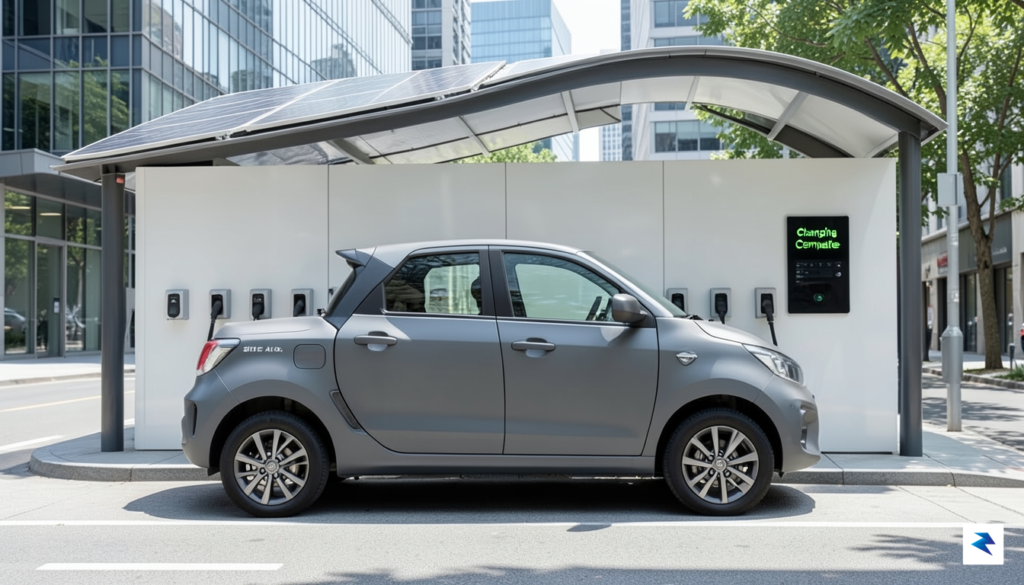
The 205-mile range represents the ‘sweet spot’ of utility, proving that in the world of electric vehicles, adding more battery does not always equate to better value for the average consumer.
Ultimately, the trade-off here is one of efficiency and common sense. While premium electric trucks boast massive batteries that add thousands of dollars to the sticker price and hundreds of pounds of unnecessary mass, Slate Auto leans into the advantages of simplicity. A lighter vehicle requires less energy to move, results in less wear on tires and suspension, and—most importantly—allows for a sub-$25,000 price point that was previously unthinkable in the EV truck segment. This is a vehicle built for the real-world driver who values practicality, reliability, and the ability to get the job done without paying for experimental levels of range that would rarely be utilized in a standard daily routine.
What This Means for the Future of Electric Work Trucks
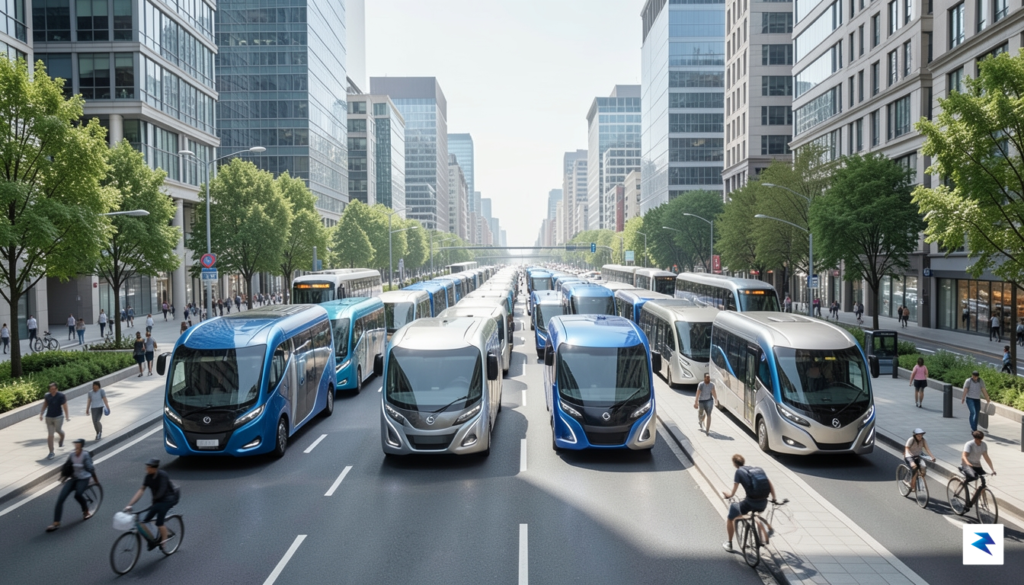
The arrival of a sub-$25,000 electric truck is not merely a product launch; it is a profound market disruption that challenges the prevailing narrative that electric vehicles must be luxury status symbols. For too long, the transition to sustainable commercial transportation has been hindered by prohibitive price tags, forcing small business owners and fleet managers to stick with aging, high-emission combustion engines. By drastically lowering the barrier to entry, Slate Auto is effectively pressuring legacy automakers to justify their premium pricing strategies. If a startup can deliver a functional, rugged work truck at this price point, the long-standing argument that high costs are simply an inevitable byproduct of battery technology begins to crumble under the weight of real-world competition.
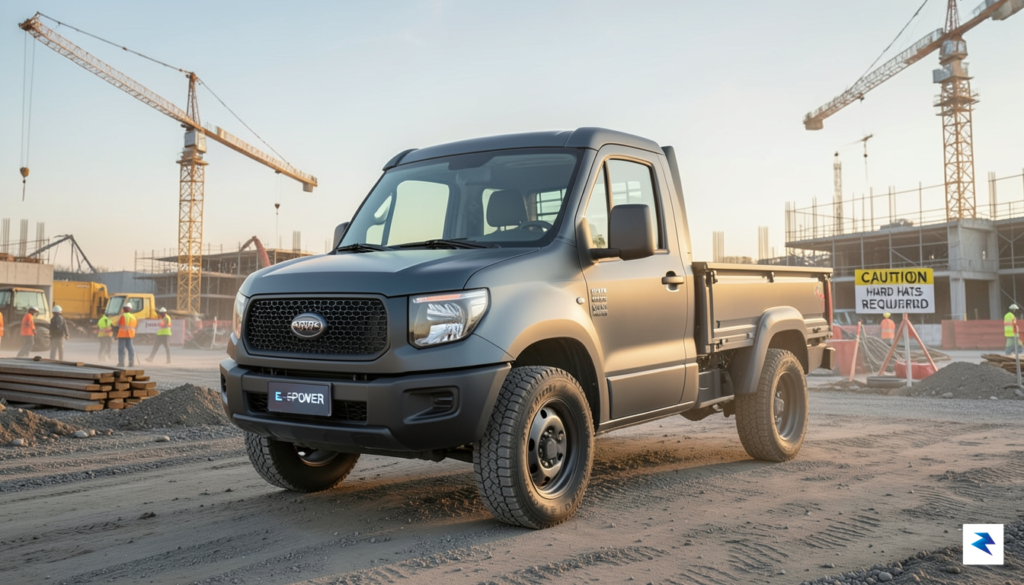
As this shift gains momentum, we should expect a reactive ripple effect across the automotive industry. Established manufacturers who have prioritized high-margin, feature-laden electric SUVs and luxury trucks may soon find their market share threatened by more pragmatic, budget-conscious alternatives. This competitive pressure will likely force a industry-wide pivot toward “utility-first” engineering, where the focus shifts from superfluous digital gimmicks to core competencies like payload capacity, charging efficiency, and total cost of ownership. Consequently, the commercial sector may finally see the rapid electrification that has been promised for a decade, as the financial incentives for fleet managers to switch finally outweigh the comfort of maintaining the status quo.
The true success of the electric revolution won’t be measured by how many luxury EVs are in driveways, but by how quickly our essential work vehicles transition to sustainable power.
Ultimately, the democratization of electric mobility hinges on accessibility. When clean transportation becomes the cheapest and most reliable option for the average tradesperson, the global transition to renewable energy will cease to be a political or environmental debate and will instead become an inevitable economic reality. By proving that sustainability does not have to come with a hefty surcharge, Slate Auto is laying the groundwork for a future where clean energy is the standard, rather than the exception. This evolution is vital not only for the health of our planet but for the economic vitality of the small businesses that keep our infrastructure moving, ensuring that modern, efficient technology is available to everyone, not just those at the top of the market.