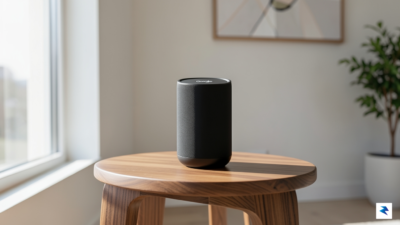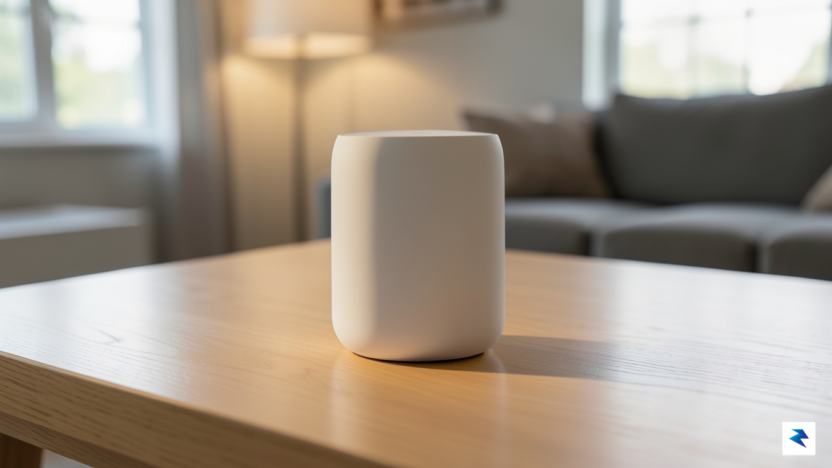
Introduction: First Impressions
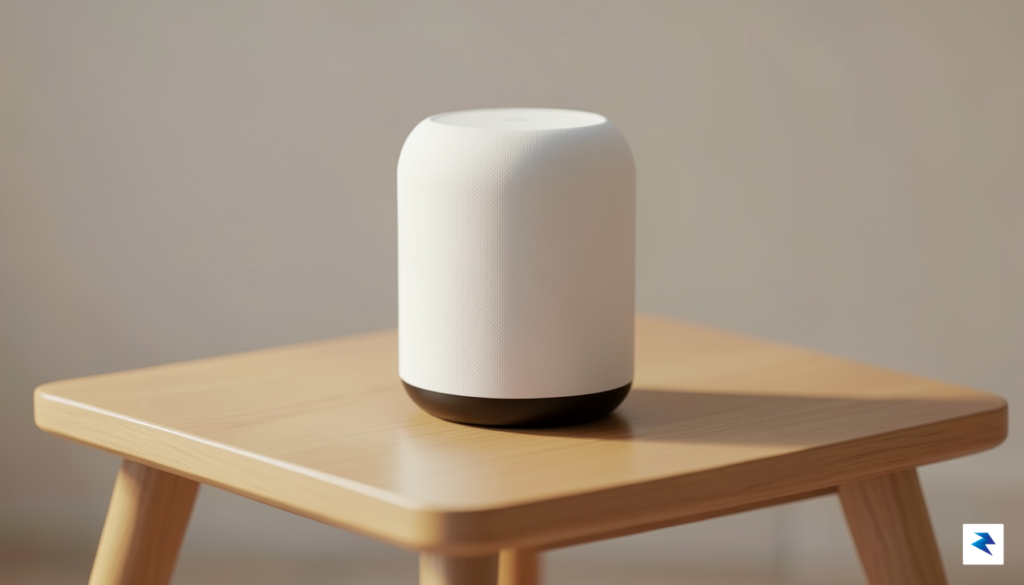
When the Google Home first entered the competitive landscape of smart home technology, it arrived with a clear mandate: to bridge the gap between high-end audio performance and the increasingly essential world of voice-activated artificial intelligence. Unlike many of its utilitarian predecessors, which often looked like industrial equipment better suited for a garage than a living room, this speaker was designed with a deliberate focus on interior aesthetics. With its customizable base options and fabric-covered exterior, it presents a soft, approachable silhouette that avoids the cold, clinical feel of traditional tech hardware, allowing it to act as a piece of functional decor rather than an intrusive gadget.
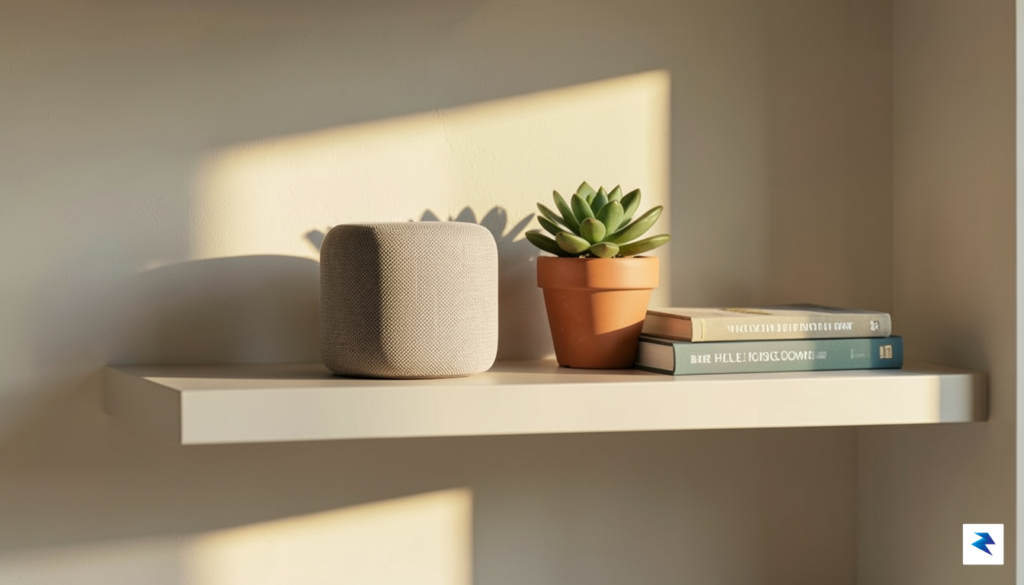
Beyond its exterior, the device represents a significant leap forward in how we interact with our digital environments. By centering the experience on the Google Assistant, the hardware promises to be far more than a simple music player; it serves as a central hub for managing tasks, controlling lighting, adjusting climate, and answering complex queries. This multifaceted approach is precisely why it remains such a noteworthy addition to the modern home. Users are no longer just buying a speaker; they are integrating a persistent, intelligent helper that aims to simplify daily routines through natural language processing and deep integration with the vast Google ecosystem.
The true value of a smart speaker lies in its ability to disappear into the background of your life until you actually need it, providing seamless utility without demanding constant attention or manual configuration.
However, the transition from a concept on a showroom floor to a reliable fixture in a busy household is rarely without its complications. While the design is undeniably sleek and the promise of voice-controlled automation is compelling, real-world usage often reveals that the device can be notoriously finicky. Achieving the perfect balance between high-fidelity sound, responsive voice recognition, and stable connectivity requires a level of finesse that the hardware doesn’t always provide on its own. As we peel back the layers of this device, it becomes clear that while it possesses the potential to redefine convenience, it also demands a certain degree of patience and technical adjustment from the user to truly earn its place on the shelf.
Design & Build Quality
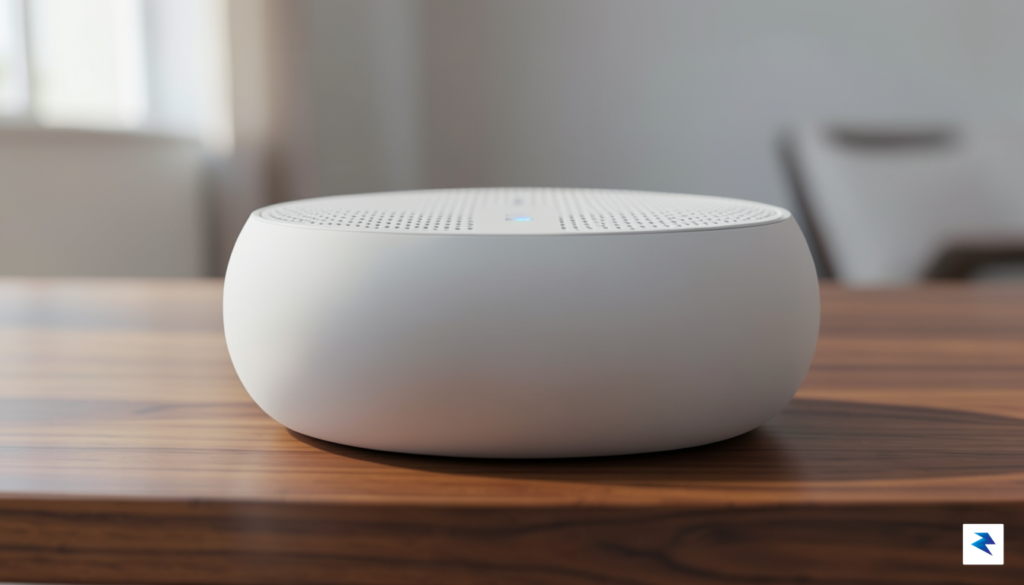
At first glance, the Google Home manages to strike a difficult balance between high-end industrial design and approachable home decor. Its sloped, vase-like silhouette is purposefully distinct from the utilitarian, boxy aesthetic of many competing smart speakers, allowing it to disappear into a bookshelf or act as a centerpiece on a coffee table. The bottom half is wrapped in a customizable, textured fabric base that feels premium to the touch, while the upper housing is constructed from a smooth, matte white plastic. This fusion of materials gives the device a soft, organic quality that feels far more intentional than the cold, metallic surfaces often found in traditional consumer electronics.
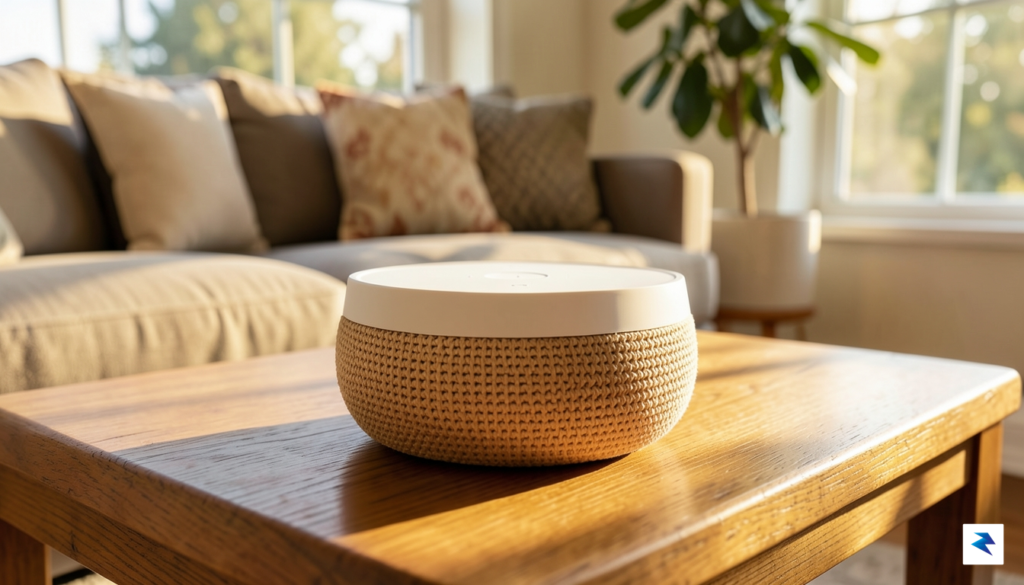
However, this sophisticated exterior hides a somewhat finicky reality regarding its structural longevity. While the fabric covering is aesthetically pleasing, it is notoriously difficult to clean; once dust, oils, or accidental spills settle into the fibers, they are nearly impossible to remove without compromising the integrity of the weave. Furthermore, the reliance on a snap-on base mechanism—which allows users to swap out different colors—can feel slightly fragile over time. If you frequently move the speaker or attempt to swap the base, the plastic tabs may begin to show signs of wear, leading to a less-than-perfect fit that leaves a visible gap between the two segments.
The true test of a smart speaker’s physical design is not just how it looks in a pristine photograph, but how it endures the daily hazards of a busy household.
The top touch-capacitive interface is another area where form occasionally clashes with function. The sleek, buttonless surface is undeniably elegant, relying on intuitive gestures to control volume and playback. In practice, however, the lack of tactile feedback means that users are often left guessing whether their tap has been registered, especially in darker environments. This design choice favors a seamless, minimalist appearance but sacrifices the immediate, physical confirmation that mechanical buttons would provide. Ultimately, the hardware is a masterclass in modern minimalism, yet it serves as a reminder that prioritizing visual “cleanliness” can sometimes introduce unnecessary friction into the user experience.
Audio Performance and Volume Control
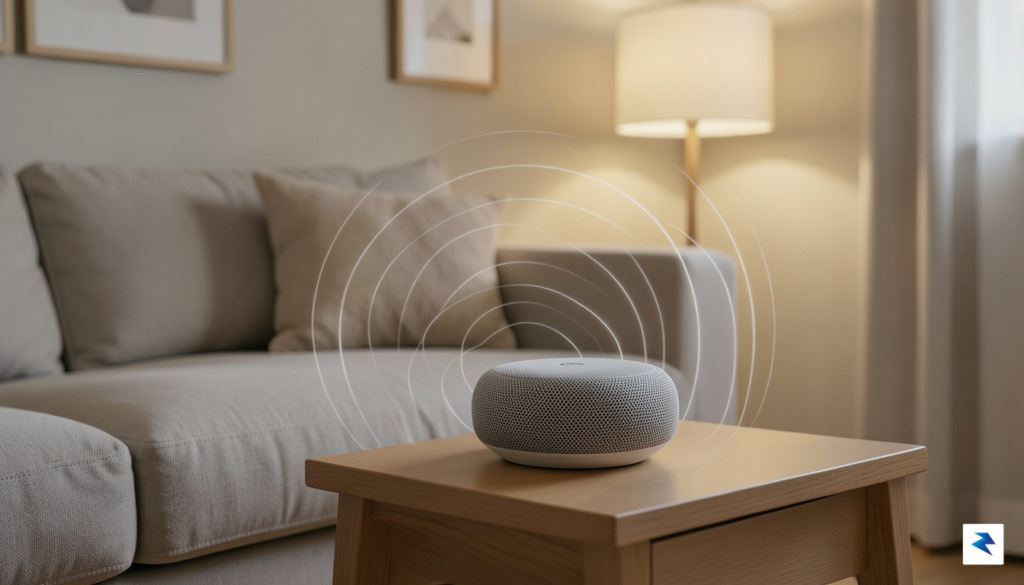
At its core, the Google Home aims to strike a delicate balance between compact, unobtrusive design and room-filling acoustics. Out of the box, the speaker utilizes a sophisticated, built-in audio tuner that actively attempts to flatten the frequency response, ensuring that vocals remain crisp and mid-range tones stay balanced. For casual listening—such as catching up on morning news briefings or playing ambient background music while cooking—the audio quality is undeniably impressive for its size. The highs are generally bright, and the mid-range is articulate enough to prevent spoken word content from sounding muddy or distorted.
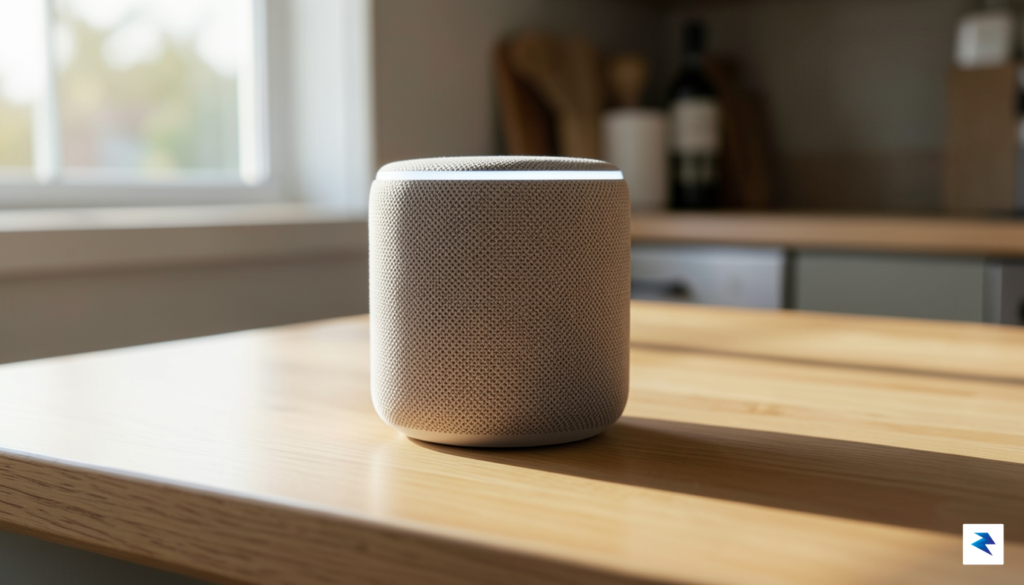
However, the device begins to reveal its limitations once you push the volume beyond the 70% threshold. While the internal hardware manages to keep pace with moderate volume levels, cranking the device to its maximum output often leads to audible compression. In these instances, the bass response tends to thin out significantly, and the low-end frequencies struggle to maintain their presence against the punchier mid-tones. It is clear that the speaker was engineered for personal enjoyment rather than acting as a primary sound system for a large party or a cavernous living room. When placed in a noisy, open-concept environment, the speaker often feels like it is gasping for air, losing the depth that characterizes its performance at lower decibels.
The true test of a smart speaker isn’t how it sounds in a quiet room, but how it maintains clarity when the environment around it becomes unpredictable.
Managing volume in real-world scenarios also presents a slight learning curve. Because the Google Home relies on a combination of voice commands and touch-sensitive gestures, adjusting the audio level quickly can sometimes feel finicky. If you are in the middle of a loud conversation or if other ambient noises are present, the microphone array occasionally struggles to register the “Hey Google” wake word, forcing you to manually swipe the top of the unit. This can be particularly frustrating when you are trying to lower the music rapidly to answer a phone call or address a guest. Furthermore, while the app allows for basic equalizer adjustments, those settings are often insufficient to overcome the physical limitations of the hardware when fighting against background noise.
- Clarity: Excellent for podcasts, audiobooks, and acoustic music at low to medium volumes.
- Distortion: Becomes noticeable at high volumes, particularly with bass-heavy tracks.
- Adaptability: Requires a quiet room to effectively hear voice-based volume adjustments.
Ultimately, the audio experience is defined by these trade-offs. If your primary goal is to have a smart assistant that sounds better than a standard smartphone speaker, the Google Home succeeds in spades. Yet, for audiophiles or those hoping to fill a large space with rich, immersive sound, the device serves better as a gateway into a multi-room audio ecosystem rather than a standalone powerhouse. By understanding the speaker’s acoustic boundaries, you can strategically place it in smaller rooms where its output is most effective, ensuring a consistent and pleasant listening experience without pushing the hardware to its breaking point.
Voice Assistant Accuracy and Microphone Array
At the core of any smart speaker experience is the device’s ability to act as a reliable listener, and in this regard, the Google Home exhibits a sophisticated hardware configuration designed to cut through the noise of a busy household. Equipped with a far-field microphone array, the speaker is engineered to detect the “Hey Google” wake word even when you are positioned across the room or speaking at a conversational volume. During testing, the hardware consistently demonstrated an impressive sensitivity, successfully isolating vocal commands from ambient background sounds such as television audio or the hum of a kitchen appliance. This technical proficiency ensures that the barrier between thought and execution remains minimal, allowing for a fluid interaction that feels significantly more natural than shouting commands at a rigid piece of technology.
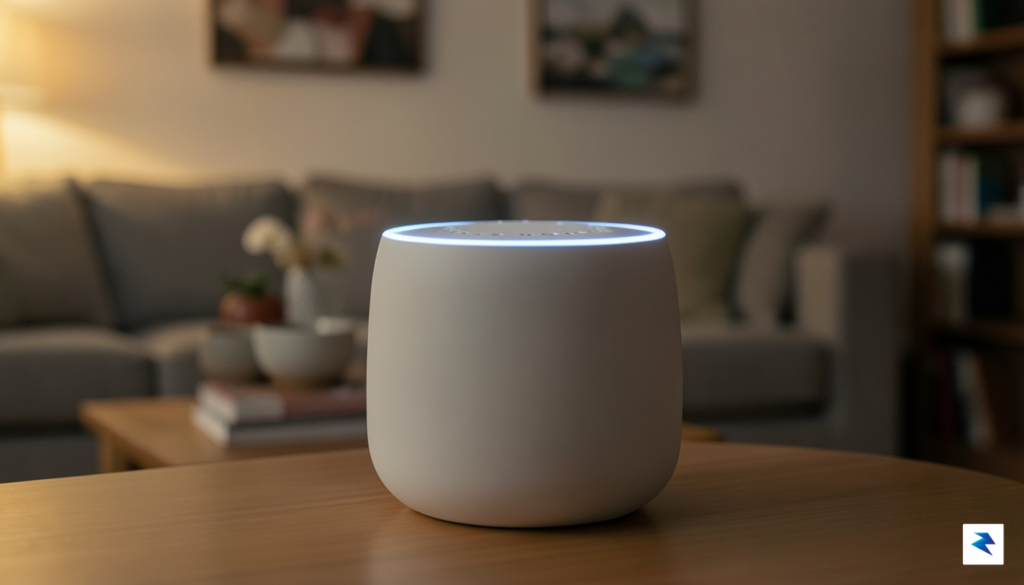
However, the device’s responsiveness is not entirely infallible, as the software sometimes struggles to parse complex requests when multiple environmental factors collide. While the microphone array is undeniably high-performing, the internal processing occasionally encounters friction when music is playing at a high volume or when multiple people are speaking simultaneously in the same space. In these instances, the device may require a slightly more deliberate tone or a brief pause before it fully registers the intent behind a command. Despite these occasional lapses, the assistant’s natural language processing remains a market leader, frequently grasping context and follow-up questions that would leave less capable systems confused.
The true measure of a smart speaker’s value lies in its reliability; while the Google Home excels in most acoustic environments, users should be prepared for the occasional hiccup during high-noise scenarios.
To maximize the efficacy of the microphone array, it is beneficial to consider the speaker’s placement within your home. Positioning the unit in an open space, away from reflective surfaces or corners that might create acoustic echoes, significantly boosts the assistant’s success rate in interpreting nuances. Ultimately, the balance between sensitive hardware and intelligent software makes the Google Home a formidable companion for home automation. By maintaining a consistent, clear interaction pattern, most users will find that the device quickly becomes an intuitive extension of their daily routine, reliably responding to queries with speed and accuracy.
Compatibility, Ecosystem, and Verdict
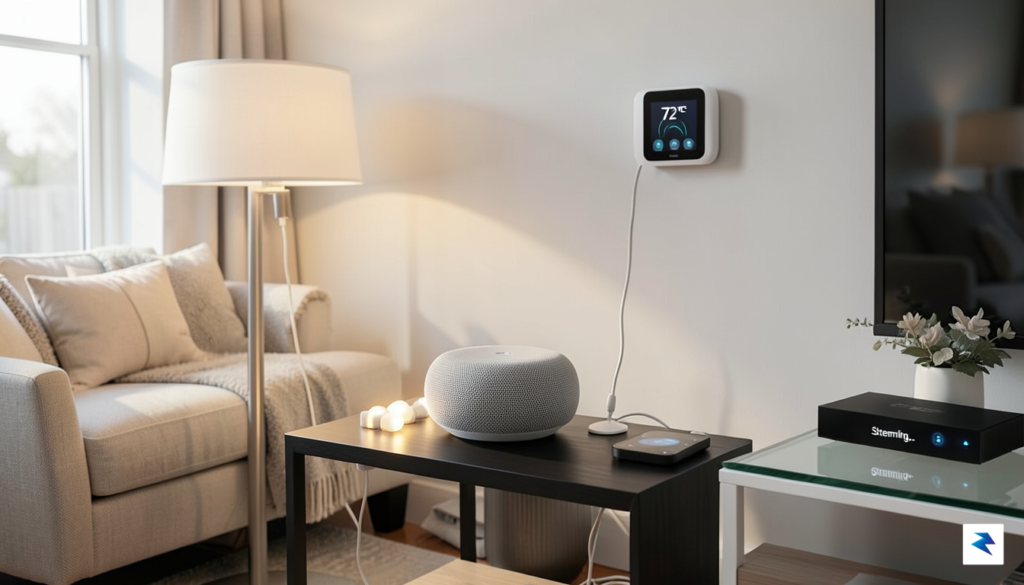
When integrating the Google Home speaker into your living space, it is essential to recognize that its value extends far beyond its aesthetic appeal or acoustic performance. As the centerpiece of a modern smart home, its success depends heavily on how seamlessly it communicates with your existing array of devices. Google has done an admirable job building a robust ecosystem that supports thousands of third-party smart home products, ranging from Philips Hue lighting and Nest thermostats to more niche smart plugs and kitchen appliances. When everything is configured correctly, the experience is incredibly fluid, allowing you to orchestrate your entire home environment through simple, natural voice commands.
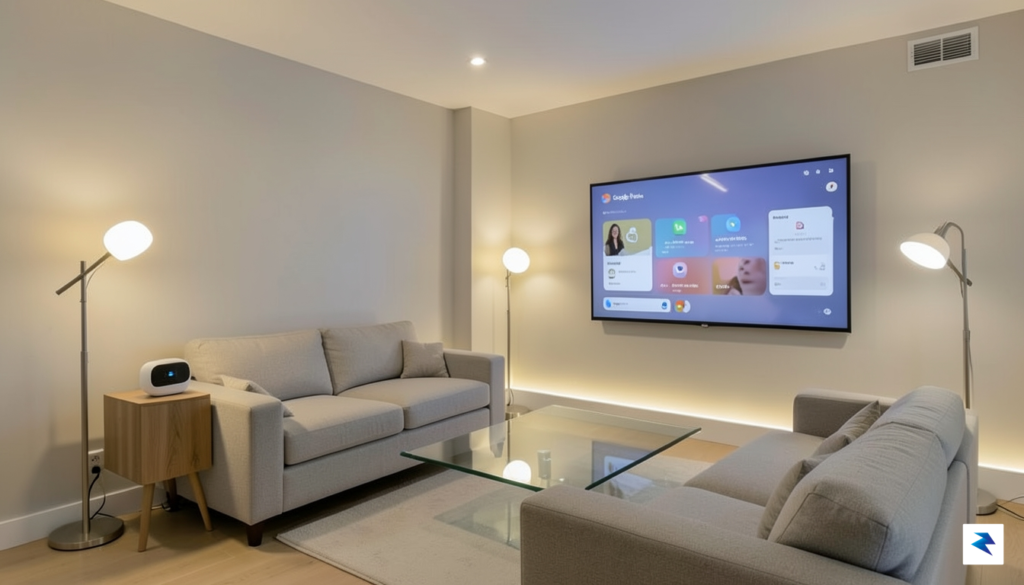
However, users should be prepared for a learning curve that can occasionally feel frustrating. While the speaker is exceptionally smart, it is also notoriously finicky when it comes to network stability and device recognition. You might find that a command to dim the lights works flawlessly on Monday, only to be met with a generic error message on Tuesday due to a minor synchronization hiccup between Google’s servers and the third-party manufacturer. These inconsistencies can be particularly jarring for those who expect a “set it and forget it” experience. Consequently, troubleshooting becomes a semi-regular part of maintaining your smart home, requiring a degree of patience that not every user may possess.
The true strength of the Google Home lies in its ability to act as a central hub, yet its potential is often tethered to the stability of your local Wi-Fi network and the quality of your third-party integrations.
Final Thoughts and Purchasing Advice
Ultimately, the decision to invest in this speaker comes down to your personal priorities regarding convenience versus technical maintenance. If you are already deeply embedded in the Google ecosystem—utilizing Android devices, Google Calendar, and Gmail—the integration benefits are hard to overlook and provide a level of utility that is genuinely transformative for your daily routine. The speaker excels at managing schedules, providing quick information, and controlling media, making it a powerful assistant for the busy professional or the tech-forward family.
However, if you are looking for a speaker that requires zero troubleshooting or if you are hesitant to invite a cloud-dependent device into every room of your house, you may find the experience slightly overwhelming. For those who prioritize a polished, reliable interface above all else, consider the following checklist before committing:
- Network Reliability: Ensure your home Wi-Fi signal is strong in every corner where you plan to place the device, as connectivity drops are the primary cause of “finicky” behavior.
- Device Compatibility: Check your existing smart home appliances against the “Works with Google” database to ensure you won’t be limited by software silos.
- Tolerance for Updates: Be prepared for occasional software updates that might temporarily shift how your routines or voice commands function.
In conclusion, the speaker stands as a sophisticated piece of hardware that offers a glimpse into the future of domestic automation. While it is not without its operational quirks, its ability to weave together your digital and physical worlds makes it a compelling, albeit demanding, addition to the modern home.