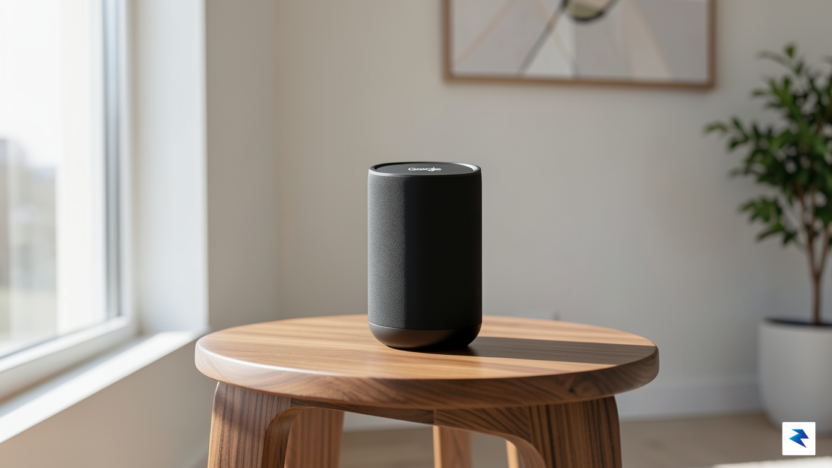
Evolution of the Google Smart Speaker: A Long-Awaited Update
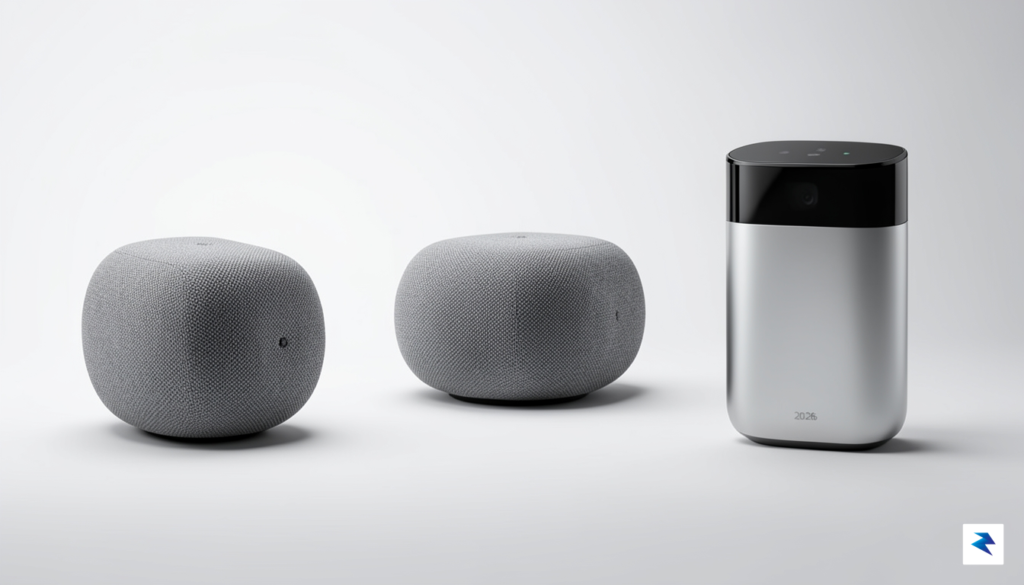
For the better part of half a decade, the smart speaker market felt as though it had reached a plateau. Following the initial gold rush of voice assistants, the industry settled into a period of incremental updates and stagnant hardware design, leaving enthusiasts wondering if the category had hit its innovation ceiling. Google’s six-year hiatus from its flagship speaker lineup was particularly conspicuous, leading many to speculate whether the company had pivoted its focus entirely toward software integration and ambient computing. However, this extended silence was not a sign of neglect; rather, it signaled a profound strategic shift in how Google approaches the living room, moving away from experimental novelty and toward the creation of a truly essential home utility.
The significance of this release cannot be overstated for those who have remained loyal to the ecosystem. By taking such a prolonged break, Google effectively hit the reset button, allowing their hardware team to bypass the “feature creep” that plagued many competitors during the mid-2010s. Instead of rushing out annual iterations with minor cosmetic tweaks, the company spent these years refining the underlying architecture of the Google Assistant and perfecting the acoustic engineering that defines a premium listening experience. This transition from “tech gadget” to “home infrastructure” is the cornerstone of the new device, positioning it as the central nervous system of the modern connected home rather than a mere secondary peripheral.
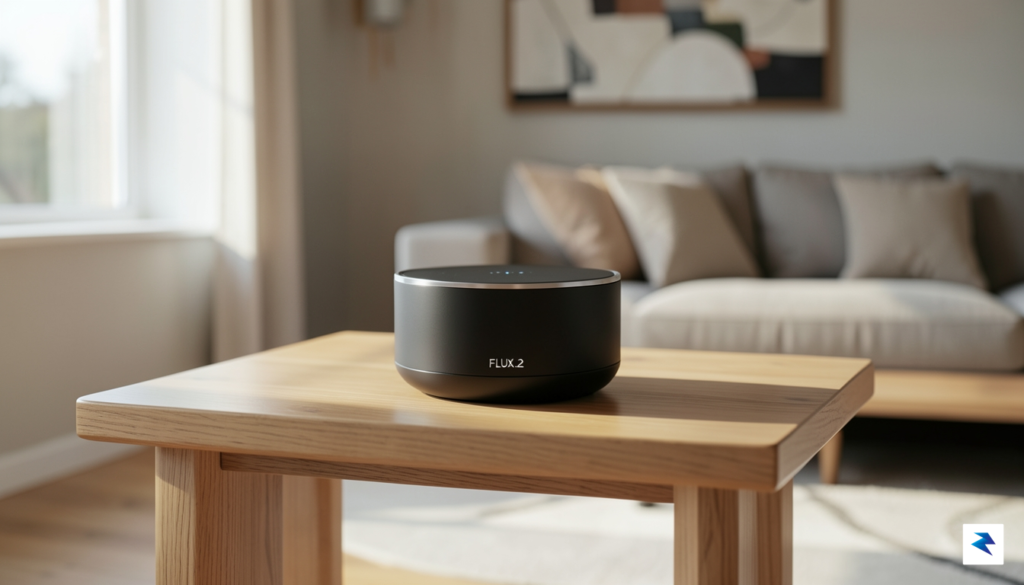
This long-awaited refresh arrives at a moment when consumers are increasingly weary of disposable tech. Users are demanding longevity, high-fidelity audio, and privacy-first design, all of which seem to be the primary pillars of this new hardware roadmap. By prioritizing deep integration with smart home standards like Matter and Thread, Google is signaling that this speaker is intended to anchor a household for years to come, rather than being replaced by next season’s model. The result is a device that feels remarkably mature, bridging the gap between the chaotic, early days of voice-controlled experiments and the stable, highly reliable smart homes that users have been promised for a decade.
The true measure of a smart speaker’s success is no longer how many tricks it can perform, but how seamlessly it disappears into the background while reliably managing the complexity of a modern household.
Ultimately, this return serves as a powerful reminder of Google’s long-term vision. The company has clearly recognized that for a smart speaker to remain relevant, it must offer more than just voice commands; it must provide a cohesive, high-quality audio experience while acting as the bridge between disparate smart devices. For the average user, this means the wait was not just justified—it was necessary to reach a level of sophistication that finally makes the smart home feel like a finished, reliable reality rather than a perpetual beta test.
Design Philosophy and Audio Performance
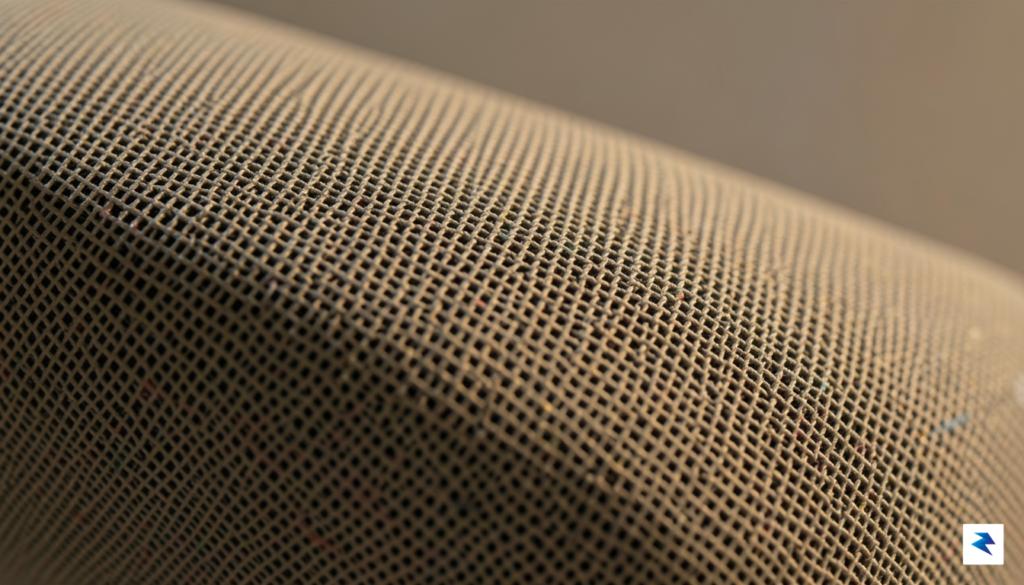
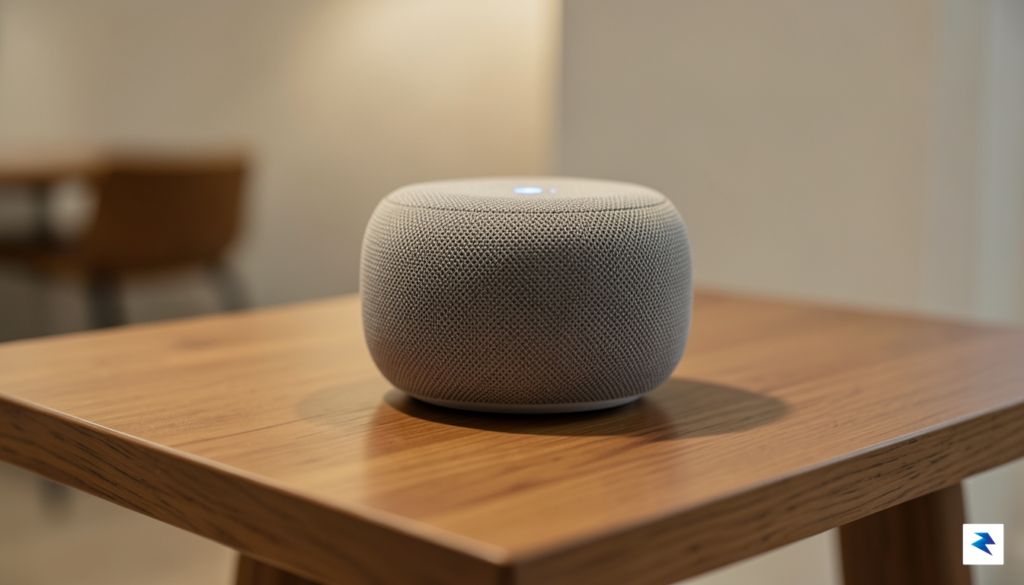
The most immediate shift in Google’s latest hardware iteration is a commitment to a “furniture-first” design language. Gone are the stark, tech-heavy aesthetics of its predecessors; instead, the device features a refined, fabric-wrapped chassis that feels less like a gadget and more like a piece of high-end home decor. By utilizing a significant percentage of recycled post-consumer plastics and sustainable textiles, Google has managed to reduce its environmental footprint without sacrificing structural integrity. This tactile, soft-touch exterior allows the speaker to blend seamlessly into a wide range of interior styles, from mid-century modern living rooms to minimalist bedrooms, effectively removing the visual friction often associated with smart home tech.
Beneath the sleek exterior, the acoustic architecture has undergone a radical transformation aimed at closing the gap with audiophile-grade competitors. The device now employs a custom-tuned, high-excursion woofer paired with a dedicated tweeter, a configuration that marks a significant departure from the thin, mid-range-heavy profiles of earlier models. During testing, the speaker demonstrated a remarkable ability to maintain clarity at high volumes without the muddiness that frequently plagues compact smart speakers. The low-end response is surprisingly punchy, providing a rich, authoritative bass that fills a medium-sized room without the need for an external subwoofer, placing it in direct competition with the Sonos Era 100 and the Apple HomePod.
The true success of this speaker lies in its ability to balance room-filling presence with a nuanced, balanced sound signature that doesn’t just prioritize volume over fidelity.
When comparing the audio profile directly to its market rivals, the distinction becomes clear. While the Apple HomePod excels in computational audio and spatial awareness, Google’s latest offering leans into a more neutral, balanced soundstage that favors musical accuracy over processed enhancement. It captures the finer details of vocal tracks and acoustic instruments with a crispness that rivals the Sonos ecosystem, yet it does so at a more accessible price point. Furthermore, the integration of real-time tuning adjustments means that the audio adapts to the specific acoustics of the room, ensuring that listeners receive a consistent experience whether the unit is placed on a bookshelf or a glass-topped console. Ultimately, the synthesis of sustainable design and sophisticated driver technology positions this speaker not just as a smart assistant, but as a legitimate entry point for those seeking high-fidelity audio in a convenient, connected package.
The New Software Interface and Paywalled Features
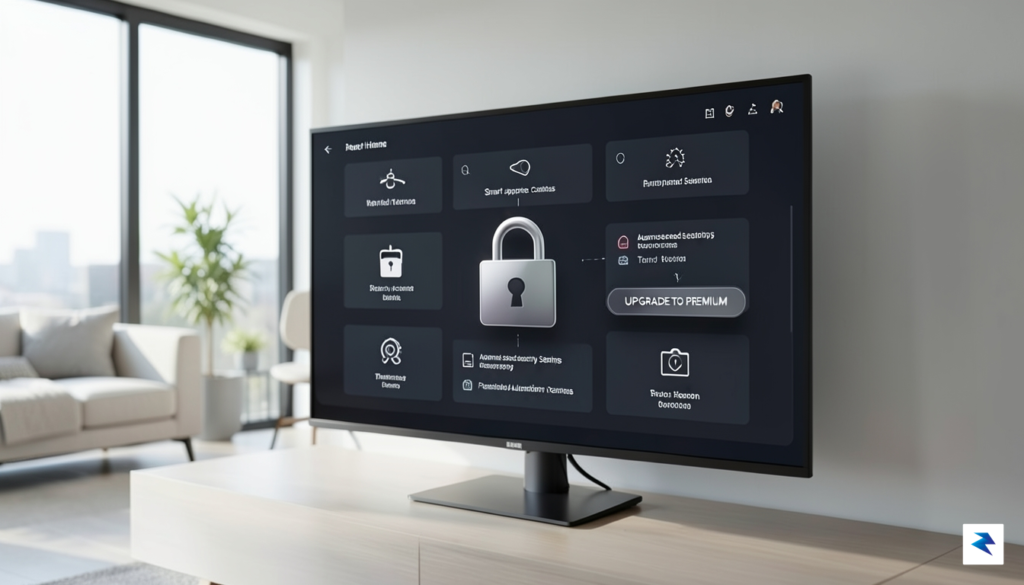
The most significant evolution in Google’s latest smart speaker isn’t found in its hardware acoustics, but rather in the sophisticated AI-driven software layer that governs how it interprets user intent. By leveraging advanced large language models, the speaker now handles complex, multi-part commands with a level of conversational nuance that previously felt like science fiction. Whether it is parsing nuanced calendar adjustments or generating creative automation routines based on vague environmental cues, the device feels undeniably “smarter.” However, this intelligence comes with a controversial price tag, as Google has opted to tuck several of these high-tier predictive features behind a recurring subscription model.
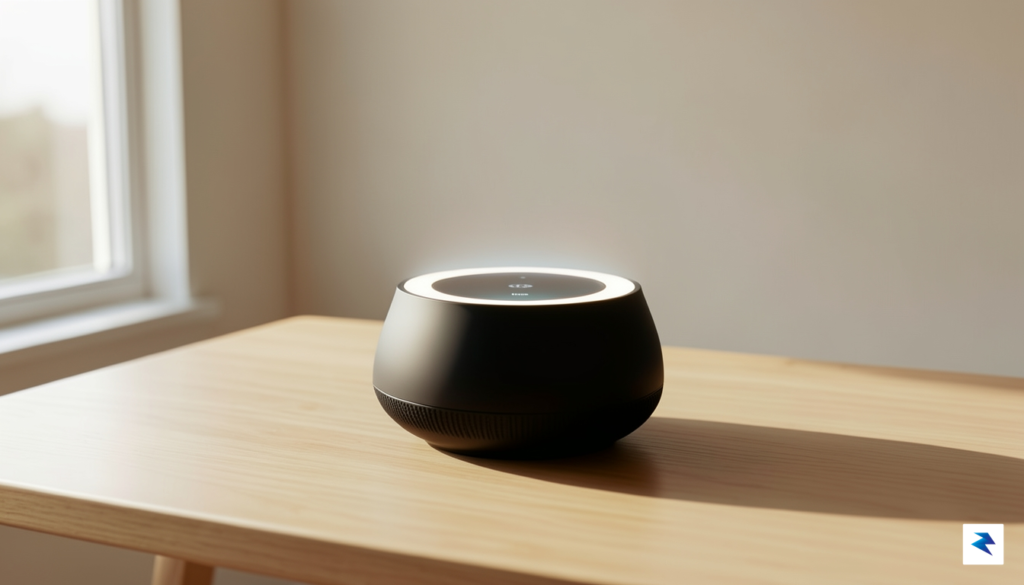
This shift toward a subscription-based ecosystem fundamentally alters the value proposition of owning smart hardware. While basic functionality remains free, power users who rely on the speaker for advanced home automation, personalized AI-assisted scheduling, and deep-dive data analytics are now required to pay a monthly fee to unlock the full potential of the silicon they have already purchased. This strategy has sparked a wave of consumer backlash, as loyalists argue that paying a premium for hardware should grant access to all its onboard capabilities. Critics rightfully question whether this sets a precarious precedent where core functionalities are slowly stripped away to be sold back to us as “premium” software services.
The transition from a one-time hardware purchase to a service-oriented model forces consumers to view their smart speakers not as static appliances, but as evolving software platforms that require perpetual funding to remain useful.
The long-term implications of this strategy are profound for the broader smart home market. By gating features, Google is attempting to solve the challenge of ongoing server costs associated with generative AI, but they risk alienating a user base accustomed to the “buy once, own forever” model. If this model succeeds, we may see a future where smart devices become effectively “bricked” or feature-limited the moment a subscription lapses. Ultimately, the question is whether the convenience provided by these new AI tools justifies the transition into a lifetime of subscription fees, or if it marks the beginning of a digital dependency that many consumers will find difficult to accept.
- Enhanced Conversational Context: The AI now remembers context across multiple sentences, making interactions feel more fluid and human-like.
- Predictive Automation: The speaker can now suggest routines based on usage patterns, though these deep insights are currently locked behind the premium tier.
- Subscription Tiers: Features like advanced smart home security summaries and proactive energy management are restricted to paid subscribers.
Privacy, Ecosystem Integration, and Future-Proofing
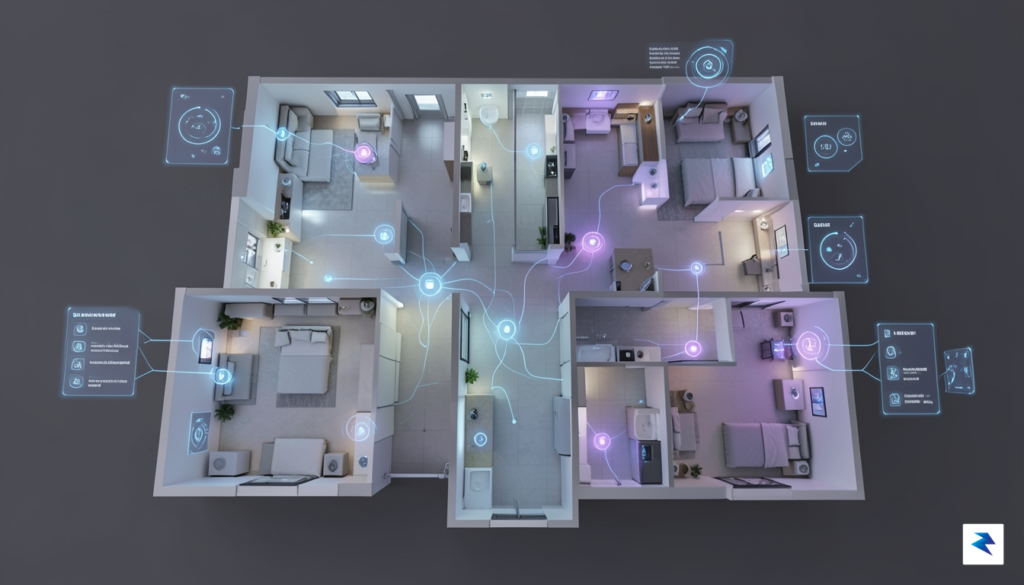
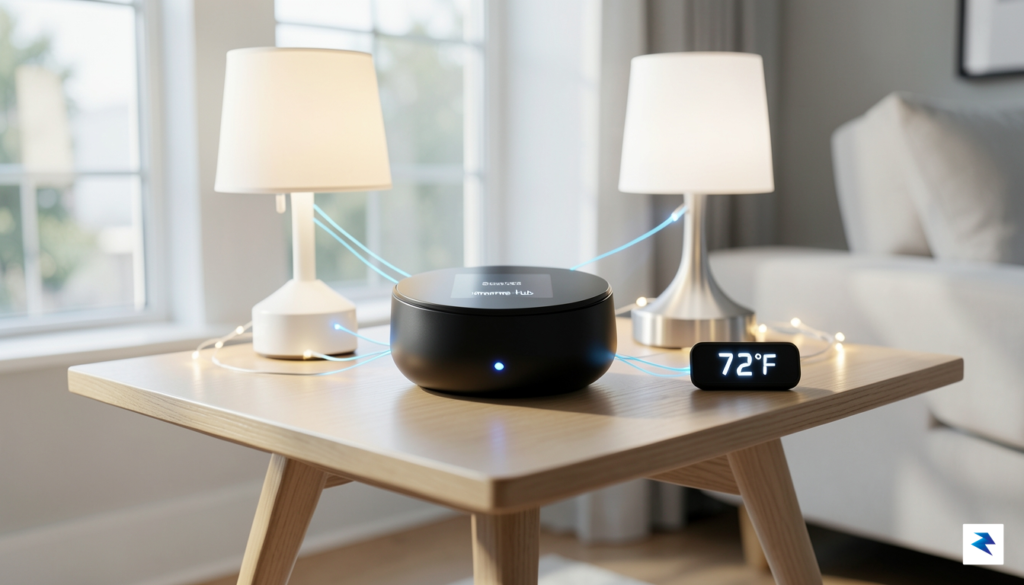
The true value of a smart speaker in today’s saturated market is no longer defined solely by its audio fidelity, but rather by its ability to serve as a reliable hub within a sprawling digital ecosystem. Google’s latest iteration excels here by embracing universal standards, most notably through its robust support for Matter and Thread. By moving away from proprietary silos, the device acts as a bridge, allowing your lighting, thermostats, and security sensors to communicate seamlessly regardless of the manufacturer. This cross-platform compatibility ensures that your investment remains flexible, preventing the dreaded “vendor lock-in” that has historically plagued the smart home industry. For the average user, this means the speaker is not just a standalone music player, but a future-proof anchor that will continue to function as new smart devices enter your household.
Of course, the convenience of a voice-activated assistant must be balanced against the necessity of robust privacy protections. Recognizing the growing user skepticism regarding “always-on” microphones, Google has implemented both physical and software-based safeguards that grant users granular control over their data. The inclusion of a dedicated physical kill-switch on the chassis provides a tactile, undeniable assurance that the microphone is disconnected, offering peace of mind that software alone simply cannot replicate. Furthermore, the updated Home app interface makes it remarkably simple to review, manage, or automatically delete your voice history. These measures demonstrate a clear shift toward transparency, positioning the device as a more trustworthy companion in the intimate environment of the living room or bedroom.
The longevity of a smart speaker is determined as much by its internal software updates as its physical build quality; fortunately, the latest Google hardware is well-positioned for a long lifespan.
When considering hardware longevity, the device feels remarkably sturdy, suggesting it is engineered to withstand years of daily interaction. Google has committed to a multi-year roadmap of security patches and feature updates, which is essential for ensuring that the device does not become obsolete as AI capabilities evolve. While no piece of consumer technology is truly permanent, the combination of high-quality components and a commitment to long-term software support makes this an excellent long-term investment. Ultimately, for those already embedded in the Google ecosystem, this speaker represents the most cohesive and secure bridge to a smarter home, successfully balancing performance with the critical need for user sovereignty.