
The AI Supercycle: A Tale of Two Economies
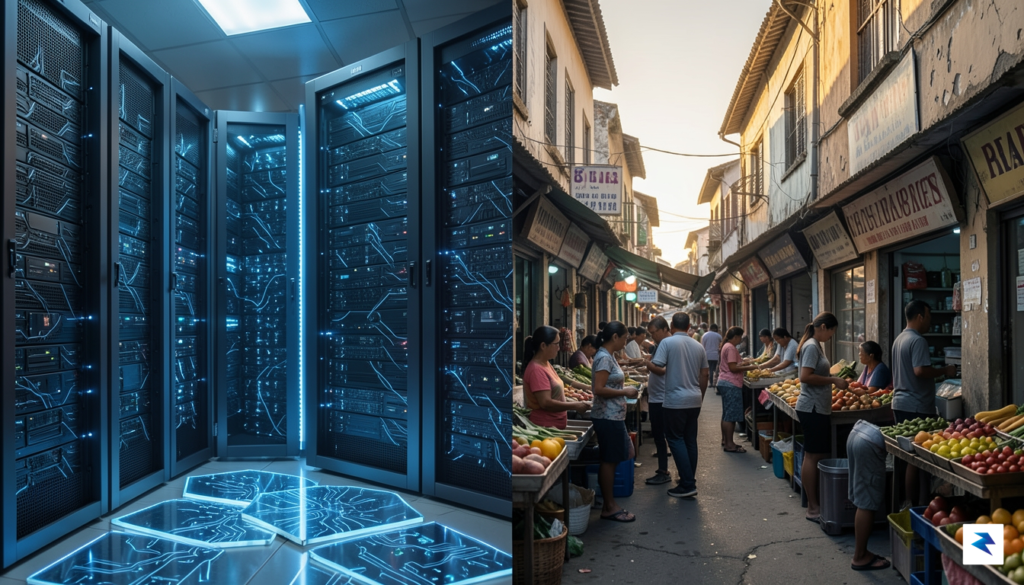
The global frenzy surrounding artificial intelligence has effectively turned Taiwan and South Korea into the indispensable engine rooms of the modern age. As the world clamors for the high-end semiconductors required to train large language models and power generative AI, these two nations have ascended to unprecedented heights of geopolitical and economic influence. However, beneath the record-breaking performance of the Taiex and the KOSPI indices lies a troubling dissonance. While the titans of industry—most notably TSMC in Taiwan and Samsung Electronics in South Korea—post astronomical revenues and drive national GDP figures upward, a K-shaped recovery is quietly hollowing out the broader economic landscape.
This stark divergence suggests that the “AI Supercycle” is not a rising tide that lifts all boats. Instead, it is creating a concentrated concentration of wealth and resources that leaves traditional manufacturing, small-to-medium enterprises, and domestic service sectors languishing in the shadows. The disparity is becoming increasingly visible in the day-to-day realities of these populations: while the tech sector enjoys massive capital inflows and top-tier talent retention, local businesses are grappling with rising costs, labor shortages, and a widening productivity gap that threatens long-term social cohesion.

The paradox of the current boom is that the very industries powering national prosperity are simultaneously insulating themselves from the domestic economy, effectively operating as islands of extreme wealth within struggling national borders.
To understand the depth of this divide, one must look at how heavily these national economies have pivoted toward silicon. In Taiwan, TSMC is not merely a corporation; it is a macroeconomic pillar that dictates energy policy, water usage, and educational priorities. Similarly, in South Korea, the dominance of the chaebols has long been a feature of the economy, but the current AI-driven demand has pushed this dependency to an extreme. When the global appetite for AI hardware surges, these nations appear to be thriving on paper. Yet, when we strip away the export data and look at household income growth and the health of non-tech sectors, the picture is far more stagnant.
This economic duality poses a significant challenge for policymakers who must now navigate a landscape where growth is decoupled from the general populace’s prosperity. The structural shift toward high-tech dominance has created a winner-take-all environment that rewards capital-intensive firms while leaving the rest of the economy to contend with the inflationary pressures of a tech-heavy boom. Consequently, the challenge for both Taipei and Seoul is not just to maintain their lead in the global chip race, but to find ways to translate that technological dominance into a more equitable distribution of wealth before the social consequences of this divide become irreversible.
The Semiconductor Engine Driving Market Valuations
The global race toward artificial intelligence is no longer just a software battle; it has transformed into a high-stakes competition for physical hardware, positioning South Korea and Taiwan as the undisputed architects of the modern tech stack. The sheer demand for AI-ready chips—specifically those capable of handling the massive parallel processing required for large language models—has created a structural dependency that permeates global markets. Because the world’s most advanced semiconductors are now essentially synonymous with the capabilities of companies like TSMC and SK Hynix, these nations have seen their market valuations decouple from traditional industrial metrics, climbing to record highs as investors bet on the permanence of the AI revolution.
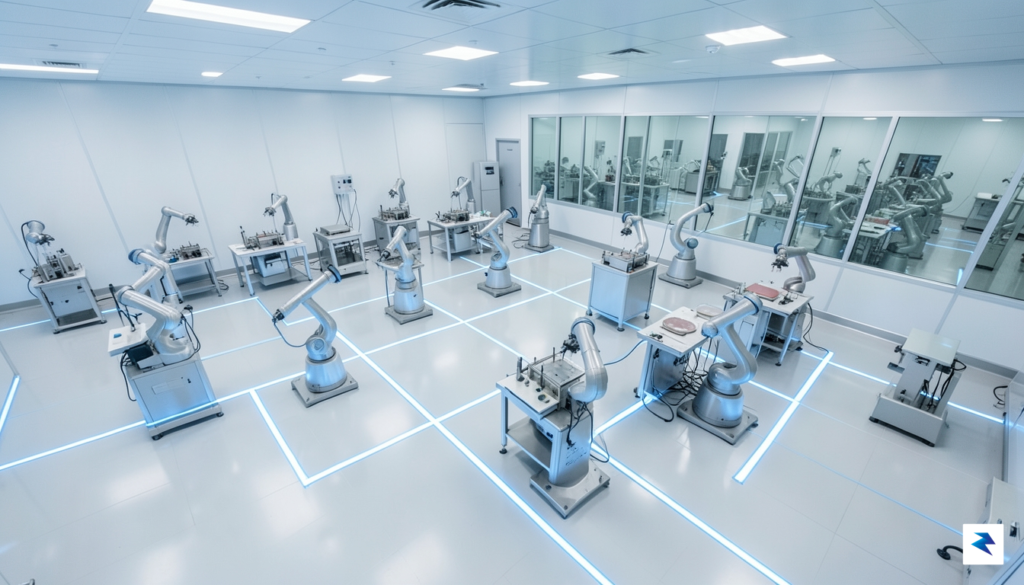
At the heart of this economic surge is a fundamental shift in how high-performance computing (HPC) is built. We are witnessing a transition where standard processing power is insufficient; instead, the bottleneck has moved to memory throughput and thermal management. This is where the monopoly power of these regional powerhouses is most visible. High Bandwidth Memory (HBM), which acts as the critical high-speed data conduit for AI processors, is currently dominated by a handful of South Korean manufacturers. By vertically stacking memory layers to maximize data transfer rates, these firms have turned a secondary component into the most essential piece of the AI puzzle. Without this specialized memory, the most sophisticated GPUs would remain trapped by the “memory wall,” unable to process information fast enough to justify their cost.
The semiconductor supply chain has evolved into a bottleneck economy, where the nations controlling the most advanced packaging technologies effectively act as the gatekeepers of global innovation.
Beyond memory, Taiwan’s dominance in advanced chip packaging—specifically techniques like Chip-on-Wafer-on-Substrate (CoWoS)—has solidified the island’s role as the indispensable hub of the global digital economy. As individual chips reach the physical limits of scaling, the industry has turned to “packaging” multiple specialized components together into a single, high-performance module. This process requires a level of engineering precision and infrastructure investment that few others can replicate. Consequently, the massive capital inflows into these semiconductor giants are not merely speculative; they represent a fundamental recognition by the global financial community that the AI ecosystem cannot function without the specialized, proprietary infrastructure that only these specific players can provide at scale. This monopoly on the “engines” of the AI era has effectively turned national wealth into a direct reflection of silicon production capacity.
The Widening Gulf: Tech Titans vs. Domestic SMEs


While the national balance sheets of South Korea and Taiwan swell with record-breaking semiconductor exports, a troubling narrative unfolds beneath the surface of these headline figures. The overwhelming dominance of a few colossal tech giants has effectively created a two-tier economy, where the benefits of the AI supercycle are heavily concentrated in the upper echelons of the corporate world. For the vast majority of small and medium-sized enterprises (SMEs), this era of unprecedented technological advancement feels less like a rising tide and more like a competitive bottleneck that threatens their long-term viability.
One of the most immediate casualties of this concentration is the labor market. The nation’s top engineering talent is increasingly being hoarded by a handful of semiconductor titans, who offer compensation packages and career prestige that local SMEs simply cannot match. This “brain drain” effect leaves the broader ecosystem struggling to innovate, as smaller firms find themselves stripped of the technical expertise required to modernize their own operations. Consequently, the local manufacturing and service sectors face a talent void, which stifles the kind of diverse economic growth that provides stability during global market downturns.
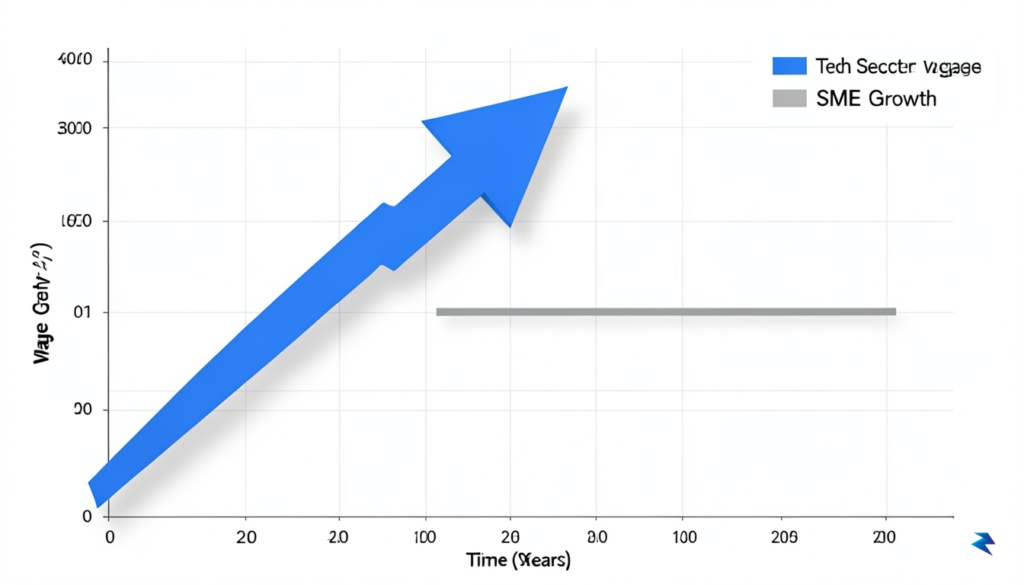
Beyond the human capital crisis, the economic footprint of the tech giants has triggered a sharp inflation in operating costs for non-tech businesses. As these giants expand their infrastructure, they drive up the costs of land, energy, and logistics, effectively pricing traditional enterprises out of the market. When real estate and utility costs rise to accommodate the specialized needs of high-tech fabrication plants, local retailers, family-run workshops, and service providers find their margins squeezed to the breaking point. This creates a precarious foundation where the national economy becomes dangerously tethered to the volatility of the global chip cycle, leaving little room for the grassroots business activity that typically acts as a shock absorber during recessions.
The concentration of wealth within a narrow vertical of the economy does not signify total prosperity; rather, it indicates a structural imbalance that leaves the domestic market vulnerable to the whims of international demand.
Ultimately, the disparity between these giants and the SMEs they operate alongside highlights a systemic risk. When a country’s economic engine is powered by a monolithic industry, the failure to cultivate a thriving, resilient SME sector undermines social mobility and income equality. Without proactive policies to distribute the gains of the AI boom, these chip powerhouses risk becoming islands of immense wealth surrounded by a sea of struggling local businesses, creating a fragile economic structure that lacks the depth required for long-term, inclusive prosperity.
Social and Structural Implications of the Chip Boom

The meteoric rise of the semiconductor industry has created a bifurcated economic landscape that extends far beyond the quarterly earnings reports of tech giants. In hubs like Hsinchu, Seoul, and beyond, the influx of capital and high-salaried talent has triggered a hyper-inflationary effect on urban living. As the “chip-rich” workforce drives up demand for premium housing and lifestyle amenities, the cost of living has soared, effectively pricing out those employed in traditional sectors. This creates a painful disconnect where the price of basic urban survival—rent, groceries, and services—rises in lockstep with the tech sector’s productivity, while the wages of the average service worker or administrative professional remain stubbornly stagnant.
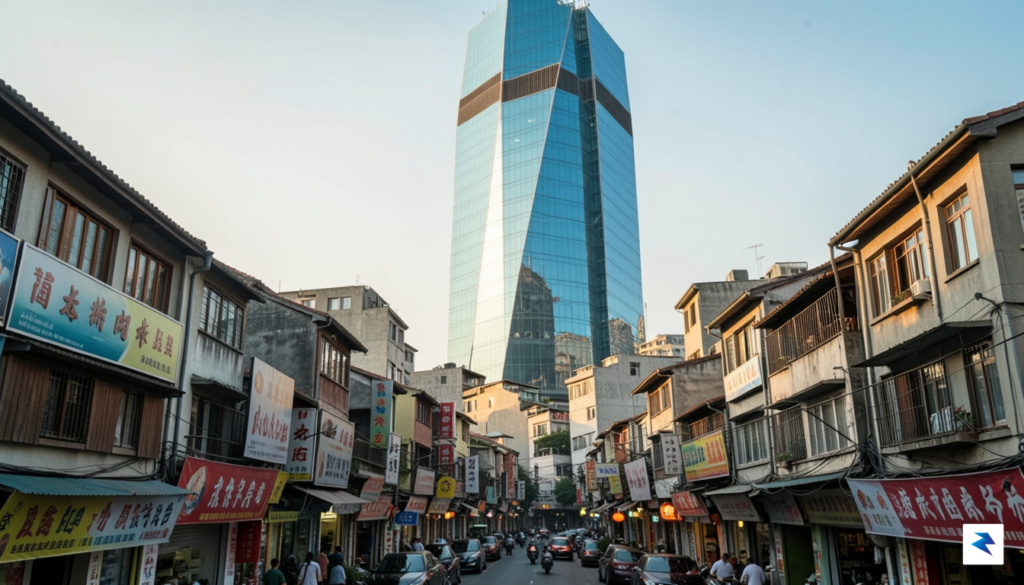
This widening gap presents a formidable hurdle to social mobility, fundamentally altering the aspirations of the younger generation. For many university graduates, the path to a stable, middle-class life feels increasingly restricted to landing a position within the massive chip conglomerates. Outside of these select firms, the economic reality is often characterized by a lack of investment and limited wage growth, leading to a profound sense of disillusionment. When the “AI-driven” economy produces wealth that fails to trickle down to the broader labor market, it fosters a psychological strain that can erode the social contract, as young people realize that hard work in non-tech industries no longer guarantees the same level of upward mobility enjoyed by previous generations.
The true cost of the chip boom is not merely found in capital expenditure, but in the growing social anxiety felt by those who find themselves stranded on the wrong side of a rapidly digitizing economy.
Furthermore, the concentration of resources within the semiconductor ecosystem has led to a drain of talent and investment away from other vital sectors, such as local retail, education, and small-scale manufacturing. These traditional industries, which once served as the bedrock of middle-class employment, are struggling to compete for labor against the allure of tech-sector bonuses. This structural imbalance leaves the average citizen in a precarious position, forced to navigate an economy that is simultaneously overheating in the tech corridor while remaining cold and underfunded in the periphery. If left unaddressed, this divide threatens to undermine long-term social stability, as the frustration of a “left-behind” majority risks boiling over into broader political and economic volatility.
Future-Proofing: Can Policy Bridge the Economic Divide?

Governments in Seoul and Taipei are navigating a precarious high-wire act as they grapple with the unintended consequences of their own success. While the semiconductor industry generates immense national wealth, policymakers are increasingly wary of the “Dutch Disease” phenomenon, where a single hyper-productive sector inflates currency values and draws talent away from other critical industries, ultimately hollowing out the broader economic foundation. To mitigate this, both regions have begun launching aggressive re-skilling initiatives designed to transition workers from legacy manufacturing into the high-value software and AI-integration roles that will define the next generation of the tech landscape. However, the success of these programs remains contingent on whether these governments can foster a culture of lifelong learning rather than merely providing stop-gap vocational training.
Beyond re-skilling, the most pressing challenge is the urgent need for industrial diversification. Relying almost exclusively on hardware manufacturing leaves these economies dangerously exposed to the cyclical volatility of global chip demand and shifting geopolitical winds. Policymakers are now pivoting toward nurturing small and medium-sized enterprises (SMEs) that focus on specialized AI applications, green energy technology, and biotechnology. By incentivizing innovation outside the semiconductor monolith, these nations hope to create a more resilient, multi-pillared economy that does not collapse when the silicon supercycle inevitably cools.
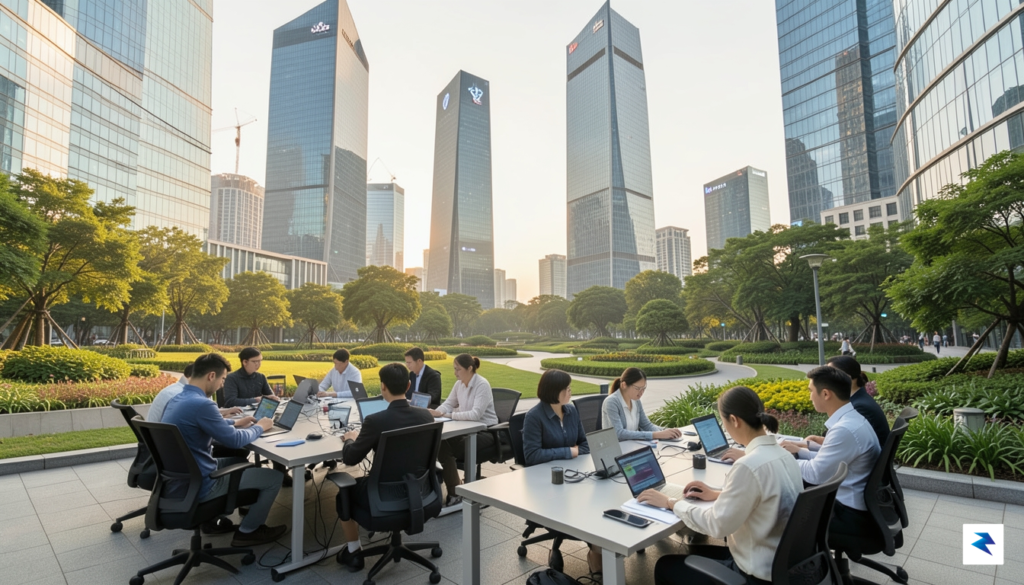
The true test of a technological superpower is not how much revenue its dominant industry can generate, but whether that prosperity can be distributed widely enough to prevent social fragmentation.
Ultimately, the current economic model—characterized by massive capital concentration and highly specialized labor—faces a reckoning. Sustaining the current trajectory without systemic reform risks entrenching a permanent two-tier society, where a small elite of chip-sector professionals enjoys global-tier compensation while the rest of the workforce struggles with stagnant wages and rising costs of living. Whether these governments can successfully pivot toward an inclusive, innovation-driven framework will determine their long-term stability. If they fail to broaden the base of their economic growth, the very chips that propelled them to global dominance could become the foundation of a deeper, more divisive societal rift that no amount of technological advancement can bridge.