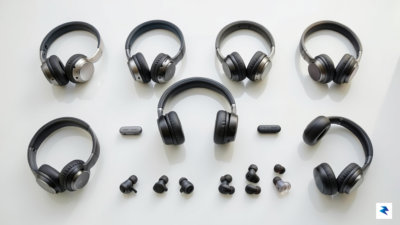
The Best Amazon Prime Day Headphone Deals: Expert Picks for 2026
Navigating Prime Day: How to Find Real Value The sheer volume of products featured during Prime Day can be paralyzing, often turning a simple…
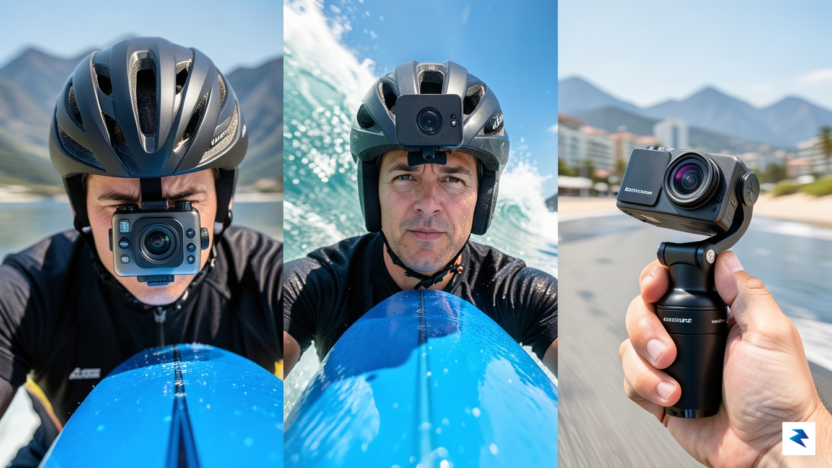
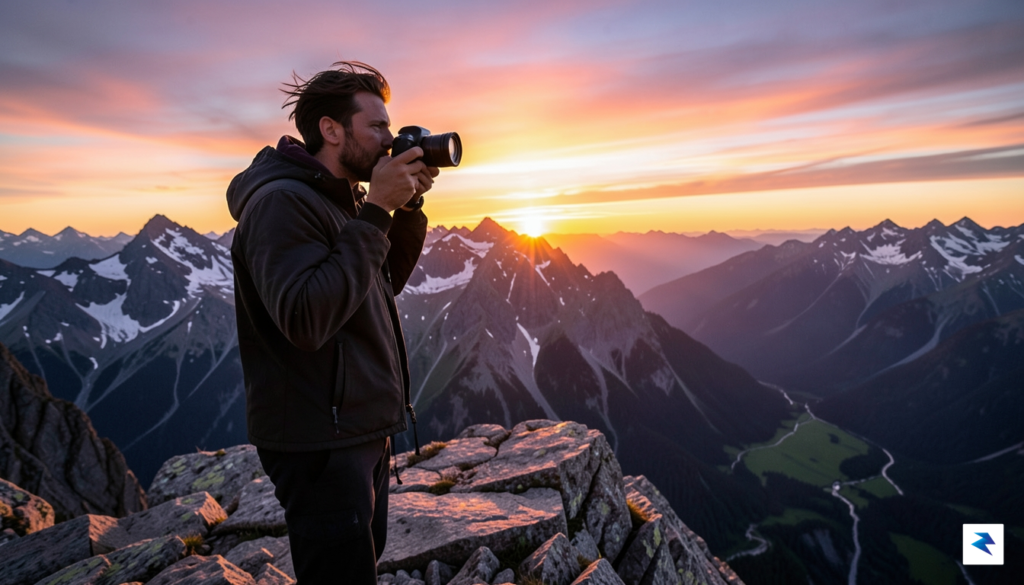
Prime Day has cemented its reputation as one of the most opportune moments in the annual retail calendar for snagging high-value electronics, and action cameras are no exception. For adventure enthusiasts, content creators, and casual users alike, this mid-year sales event offers an unparalleled chance to invest in top-tier recording equipment without the usual premium price tag. It’s more than just a fleeting sale; it’s a strategic window where flagship models from industry giants like GoPro, Insta360, and DJI become remarkably accessible, making that long-desired upgrade or first-time purchase a much more financially viable reality. The sheer breadth of discounts often covers everything from entry-level models perfect for beginners to advanced setups designed for professional-grade content creation, ensuring there’s a deal for every need and budget.
The timing of Prime Day, typically in mid-summer, is no accident when it comes to the action camera market. It strategically falls just before manufacturers traditionally gear up for their late-year hardware refresh cycles. This creates a critical period where retailers are keen to clear out existing inventory to make room for the anticipated next generation of devices. Consequently, this inventory clear-out translates directly into steeper discounts on current-generation models that, while perhaps a few months old, still boast cutting-edge features and performance. This dynamic means you’re not just getting a cheap, outdated gadget; you’re often securing powerful, highly capable cameras that were considered top-of-the-line just weeks or months prior, now at a significant reduction. It’s an intelligent way to acquire premium technology without paying the premium launch price.

Understanding historical pricing trends is key to navigating these sales effectively and distinguishing genuine bargains from mere marketing ploys. Over the years, data consistently shows that Prime Day often brings prices down to, or even below, Black Friday levels for many popular action camera models. Savvy shoppers should track prices in the weeks leading up to the event, utilizing reliable price-tracking tools or browser extensions to ensure the advertised “deal” represents a true saving against the camera’s typical selling price, not just an inflated original price. Look for discounts of 20% or more on newer models, and even deeper cuts on slightly older, but still incredibly capable, devices. A genuine deal will feel substantial and will be backed by a transparent price history, offering peace of mind that you’re truly getting value for your money.
For those still using older action camera tech, Prime Day presents a compelling reason to upgrade. The leap in technology, even between generations just a year or two apart, is often dramatic, particularly in areas critical to action footage. Modern sensors offer vastly improved low-light performance and dynamic range, capturing richer, more detailed visuals in challenging environments where older cameras struggled. Furthermore, current-generation cameras feature sophisticated in-camera stabilization systems, such as GoPro’s HyperSmooth or Insta360’s FlowState, which can transform shaky, unusable footage into buttery-smooth, cinematic shots without the need for cumbersome external gimbals. These advancements not only enhance the quality of your content but also simplify the shooting and editing process significantly, unlocking new creative possibilities for adventurers and creators alike, making the upgrade a true game-changer.
In essence, Prime Day isn’t just another sales event; it’s a strategic window carved out by the industry’s product cycles, offering a unique convergence of high demand and inventory clearance. By being prepared and understanding what constitutes a real deal, you can leverage this period to equip yourself with the latest action camera technology, enjoying superior image quality, advanced stabilization, and a host of smart features, all while making substantial financial savings. Don’t miss this critical opportunity to elevate your adventure capture capabilities without breaking the bank, ensuring your next epic moment is recorded in
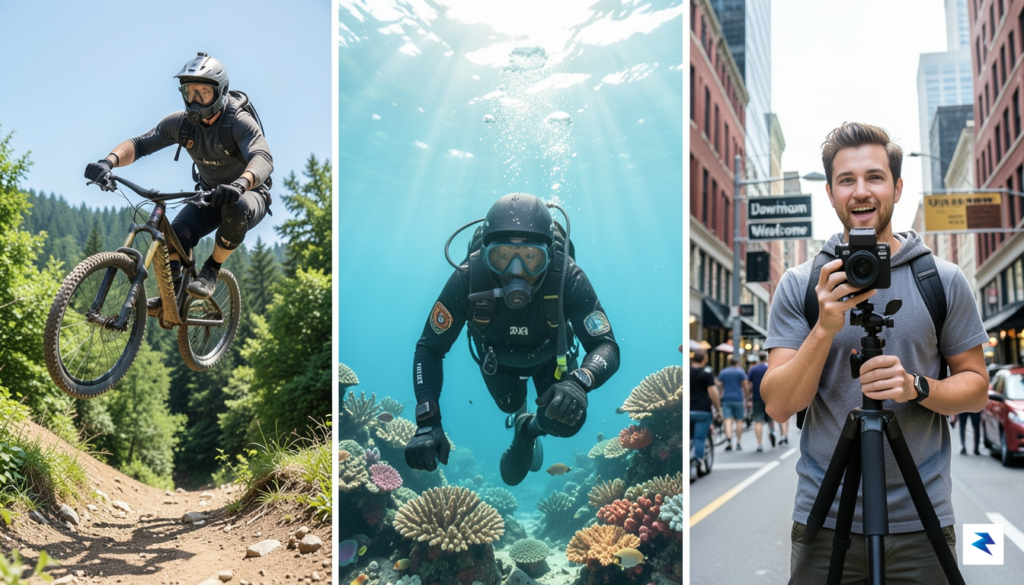
Before you commit to a Prime Day purchase, it is vital to recognize that the “best” camera is entirely subjective, shifting based on how you intend to capture your world. An action camera is a specialized tool, and selecting the wrong form factor can lead to missed shots or unnecessary frustration during your adventures. By categorizing yourself into a specific user profile, you can cut through the marketing noise and focus on the technical specifications that actually matter to your workflow.
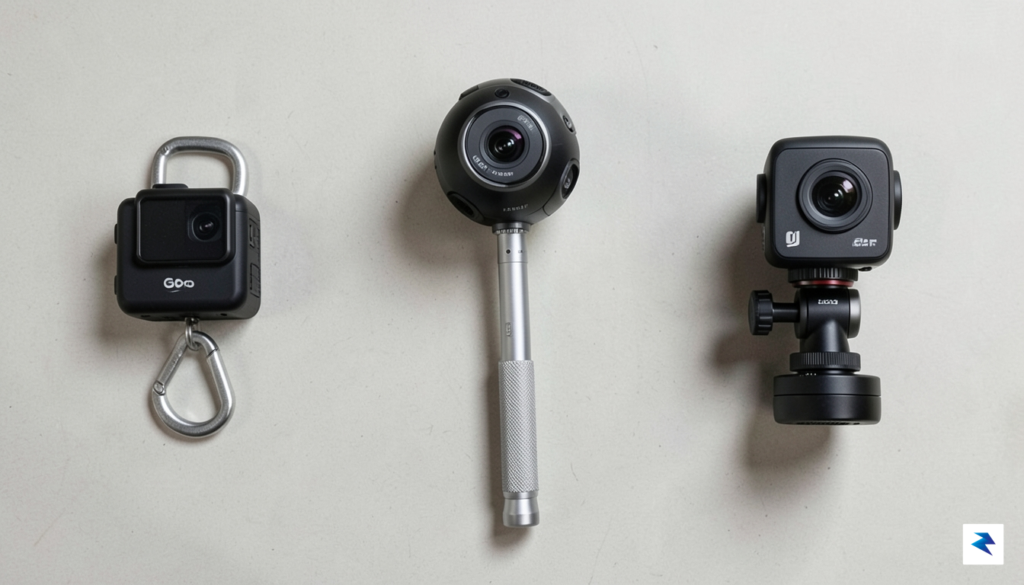
If your weekends are defined by mountain biking, deep-sea diving, or backcountry skiing, your priority must be uncompromising durability and ease of use. For this group, high-bitrate settings are less important than shockproofing, water resistance, and reliable image stabilization that can handle extreme vibration. You should look for cameras that offer native waterproofing—meaning you don’t need a bulky plastic housing—and a wide, intuitive touchscreen that remains responsive even when you are wearing gloves. Furthermore, look for models with robust mounting ecosystems, as you will likely be securing your device to handlebars, helmets, or chest straps where reliability is non-negotiable.
For those focused on storytelling and daily documentation, the form factor is everything. Vlogging requires a camera that is lightweight and unobtrusive, but most importantly, it must feature a front-facing screen so you can frame your shots in real-time. Modularity is a significant advantage here; having the ability to attach external microphones or specialized lenses can drastically improve your audio and visual quality without requiring a heavy DSLR. Prioritize cameras that offer wide-angle fields of view and excellent low-light performance, as your filming will often transition from bright outdoor environments to dimly lit cafes or indoor studio settings.
The most successful creators don’t just buy the newest model; they buy the specific tool that integrates seamlessly into their existing workflow, ensuring they never miss a moment because they were fumbling with settings.
If you are a filmmaker or a commercial content producer, your requirements shift toward technical precision and post-production flexibility. You should prioritize cameras that offer high-bitrate recording, 10-bit color depth, and log profiles, which allow for professional-grade color grading during the editing phase. While form factor remains a consideration, it should be secondary to the sensor quality and the ability to capture flat, raw footage that preserves dynamic range in both highlights and shadows. For professional workflows, the quality of the lens and the ability to manually adjust shutter speed and ISO are the features that will distinguish your final product from amateur handheld clips.
The current landscape of action photography is defined by a fierce three-way standoff between industry titans, each carving out a unique identity that caters to different creator needs. GoPro remains the quintessential gold standard, prioritizing bulletproof durability and an intuitive, field-tested ecosystem that professional athletes and casual adventurers alike have come to trust. Their flagship models consistently deliver the most natural color science and a rugged build quality designed to withstand the harshest environmental extremes, making them the default choice for those who need a “set it and forget it” tool that never fails under pressure.
Conversely, DJI has aggressively disrupted the market by leaning into superior sensor technology and a refined user interface that feels light-years ahead of the competition. By utilizing larger sensors in the Osmo Action series, DJI offers unparalleled low-light performance and dynamic range, which is a massive advantage for creators who frequently transition between bright daylight and shadowy interiors. Furthermore, their magnetic mounting system and lightning-fast battery charging capabilities address the biggest pain points for run-and-gun filmmakers who cannot afford to waste time fiddling with hardware while the action is happening.
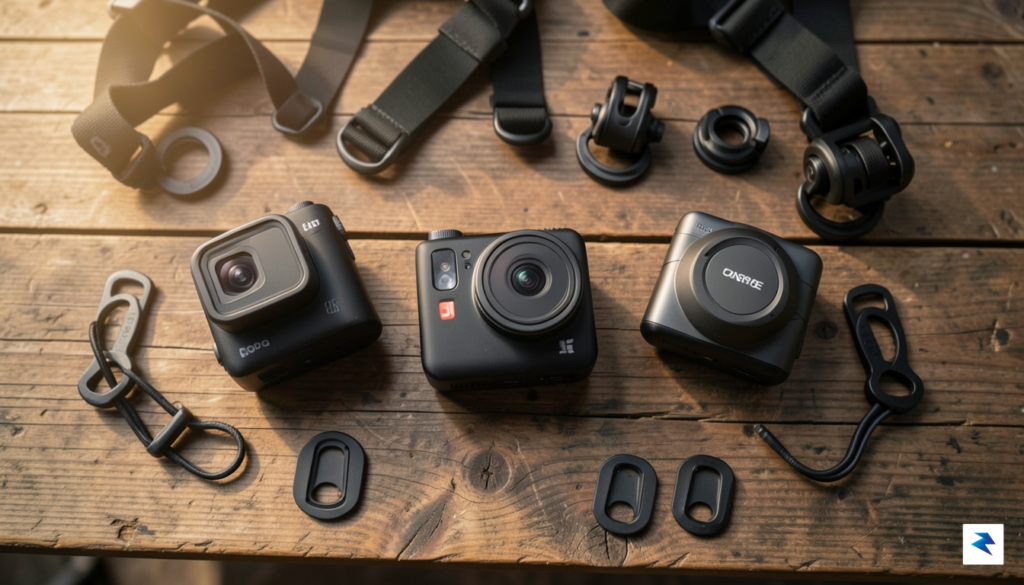
Then there is Insta360, the disruptor that has successfully moved the goalposts by focusing on creative versatility and software-driven magic. Their approach centers on the revolutionary power of 360-degree reframing, which allows users to capture an entire scene in 6K or higher and decide on the composition later during the editing process. When paired with their industry-leading FlowState stabilization—which effectively eliminates the need for a physical gimbal—Insta360 cameras provide a level of cinematic smoothness that is nearly impossible to replicate with traditional optics. Whether you are using a modular system that swaps lenses or a dedicated 360 camera, the brand is clearly targeting creators who view their footage as a canvas for visual experimentation.
To choose the right device, ask yourself if you value GoPro’s reliability, DJI’s sensor-driven image quality, or the post-production flexibility of Insta360’s reframing technology.
Ultimately, the choice between these flagships comes down to your specific workflow requirements. If you are shooting high-octane sports where impact is likely, GoPro’s refined hardware remains the safest bet. If your priority is image fidelity and battery longevity, the DJI Osmo Action series offers a sophisticated technical edge that is hard to ignore. However, if you are a storyteller who wants to capture impossible angles and utilize clever software tricks to make your edits pop, Insta360 is undoubtedly the ecosystem that will expand your creative horizons. Understanding these core philosophies is the key to finding the perfect camera deal this Prime Day.
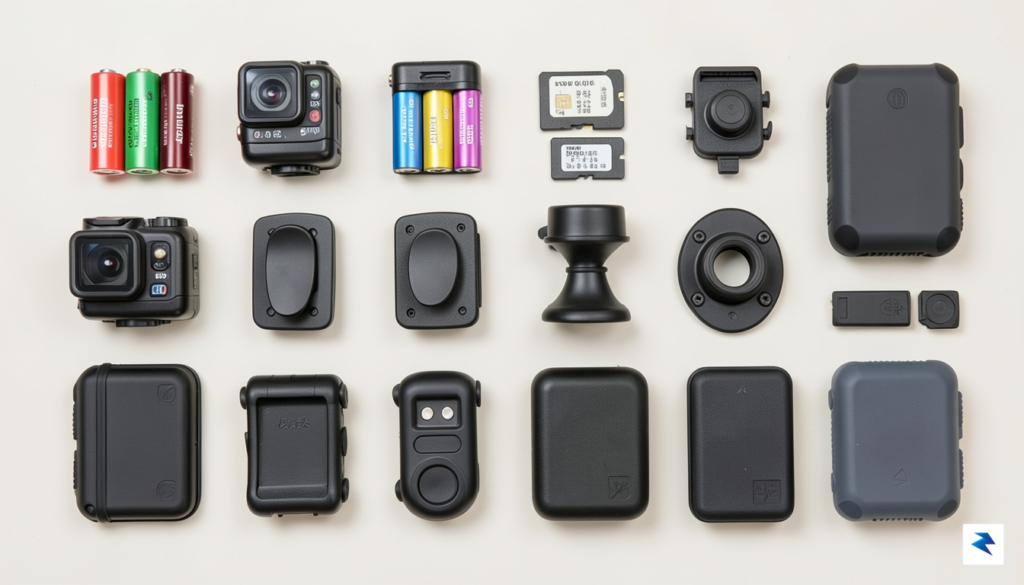
While the camera body itself is the star of the show, the true magic of capturing high-stakes action lies in your kit’s supporting ecosystem. An action camera is only as functional as the accessories paired with it, and Prime Day provides a unique opportunity to build out your gear bag without the typical retail markup. Investing in the right peripherals now ensures that you are fully equipped to head out into the field the moment your package arrives, rather than realizing mid-adventure that you are missing a crucial component.
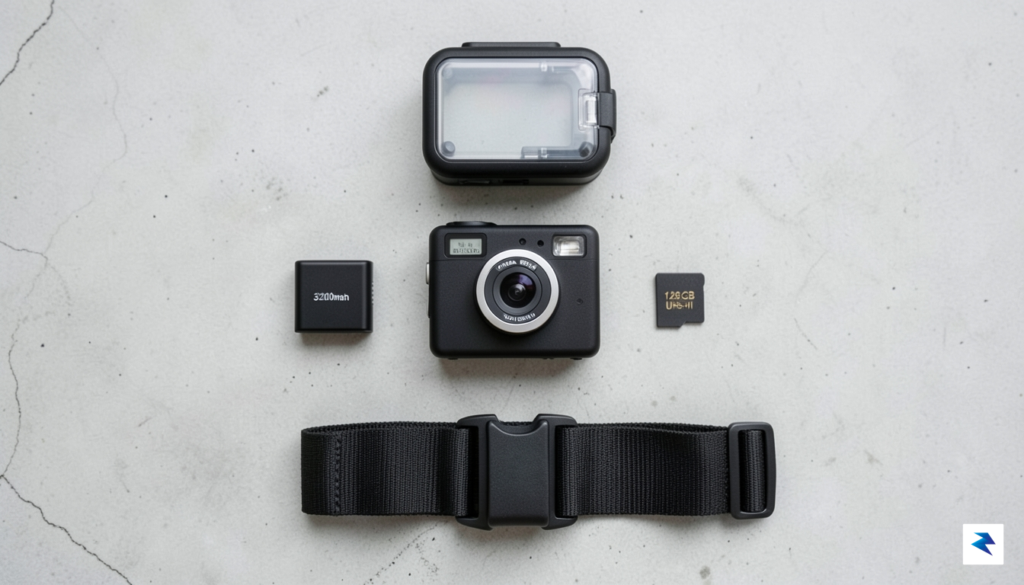
There is nothing more frustrating than a “low battery” warning just as you are about to capture the perfect shot. Proprietary batteries are highly recommended over third-party alternatives because they are specifically calibrated to handle the high-drain demands of modern sensors, ensuring safer performance and consistent voltage delivery. Furthermore, modern action cameras shooting in high-bitrate 4K or 5.3K resolutions demand top-tier storage solutions. You should exclusively look for UHS-III or V30/V60 rated micro SD cards during these sales; anything slower will likely result in dropped frames or write errors that can corrupt your footage entirely. Prioritizing high-end storage is a small price to pay for the peace of mind that your cinematic memories are being recorded reliably.
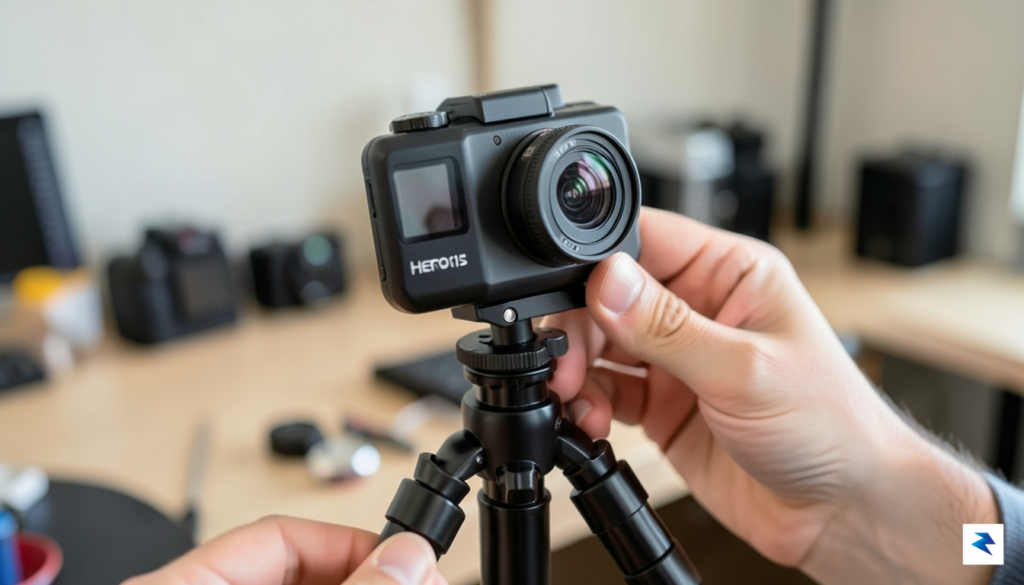
Beyond the internal components, the way you mount your camera dictates the storytelling potential of your footage. Diversifying your mounting options allows you to capture perspectives that would otherwise be impossible to achieve. For instance, a chest mount provides a grounded, immersive point-of-view that is excellent for mountain biking or motorcycling, while a helmet mount offers a more dynamic, “eye-level” look at the action. For those looking to capture stable, stationary shots or time-lapses, a compact, flexible tripod is an indispensable tool in any creator’s arsenal.
Pro tip: Always check for bundle deals during Prime Day, as manufacturers often group these essential mounts and protective housings at a significant discount compared to buying them individually.
Finally, do not overlook the importance of protective housing, especially if you plan on taking your gear into rugged environments. Even if your camera is natively waterproof, a dedicated dive housing or a silicone protective frame can prevent catastrophic damage from rocks, sand, and impacts. By strategically stocking up on these items while they are heavily discounted, you are not just saving money; you are professionalizing your workflow and ensuring your camera is ready for whatever extreme conditions you decide to conquer next.
Once your new action camera arrives, the temptation to immediately start filming is strong, but taking a moment to calibrate your settings will drastically improve the quality of your output. A common mistake many beginners make is shooting everything in the highest frame rate available. While 60fps or 120fps is perfect for capturing buttery-smooth slow-motion sequences, shooting your standard b-roll or vlogs at 24fps provides a more cinematic, natural motion blur that mimics traditional film. If you find your footage looks too “jittery” or hyper-realistic, experiment with matching your shutter speed to double your frame rate—a classic rule of thumb known as the 180-degree shutter rule.
To further elevate the professional look of your footage, consider investing in a set of Neutral Density (ND) filters. Action cameras often default to very high shutter speeds in bright daylight, which can lead to a harsh, stuttering effect. By using an ND filter, you physically restrict the amount of light hitting the sensor, allowing you to maintain a lower shutter speed even in direct sun. This results in natural, organic motion blur during fast-paced activities like mountain biking or skiing, making your final edits feel much more immersive and professional.
Post-production can quickly become a bottleneck if you do not have a robust file management system in place. Before you head out for your next adventure, ensure you have a dedicated folder structure on your computer, categorized by date, project, or location. Importing footage immediately after a shoot is vital, as it allows you to back up your data to a secondary cloud service or external drive before your memory card gets wiped. When it comes to color grading, avoid the temptation to over-saturate your clips. Instead, focus on using “Log” or “Flat” profiles if your camera supports them, which preserve more detail in the shadows and highlights, giving you greater flexibility when you finally bring the footage into your editing software.
To ensure your camera remains a reliable companion for years to come, make it a habit to rinse the device with fresh water after any exposure to salt water or mud, and always keep the lens glass free of fingerprints using a dedicated microfiber cloth.
Ultimately, the best way to get the most out of your gear is to experiment. Do not be afraid to mount your camera in unconventional places or test out different field-of-view settings to find the perspective that best tells your specific story. By combining these technical adjustments with a consistent maintenance routine, you will ensure that your new hardware remains a powerful creative tool for every adventure you undertake.
You must be logged in to post a comment.