
Why Nouriel ‘Dr. Doom’ Roubini is Betting on Tokenization
From Crypto Skeptic to Tokenization Proponent For years, Nouriel Roubini—famously dubbed "Dr. Doom" for his prescient warnings regarding the…
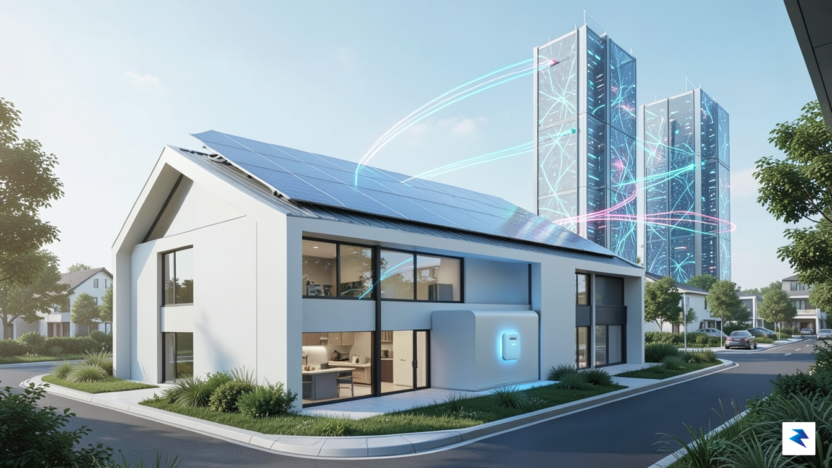
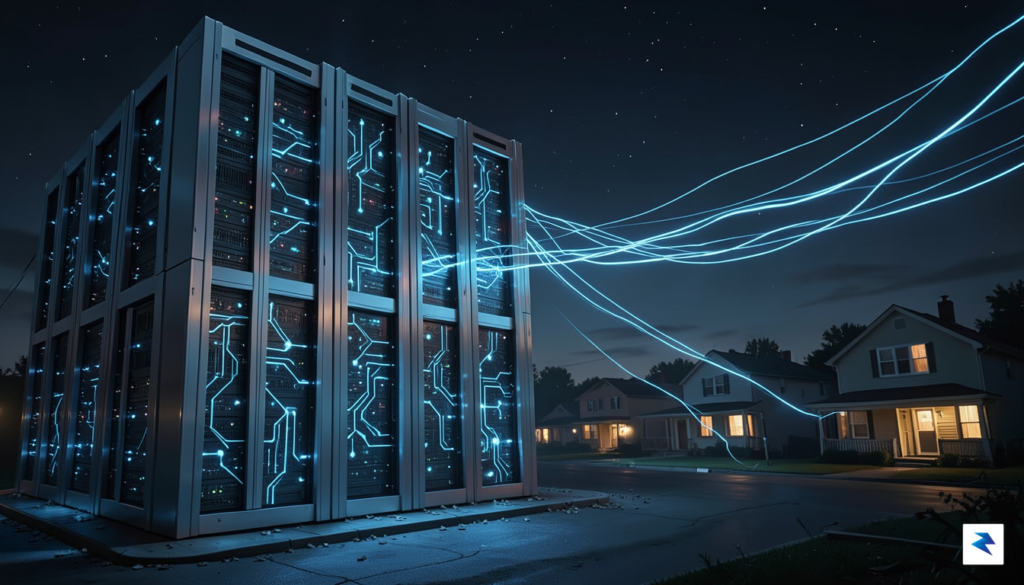
The relentless march of artificial intelligence has unveiled an inconvenient truth: its burgeoning ambition comes with an insatiable hunger for electricity. Powering the intricate calculations behind large language models and advanced AI applications isn’t a trivial affair; it demands colossal amounts of energy. Modern Graphics Processing Units (GPUs), the workhorses of AI training and inference, consume hundreds of watts each, akin to several high-end gaming PCs running simultaneously. Multiply that by tens of thousands, or even hundreds of thousands, within a single hyperscale data center, and you begin to grasp the sheer magnitude of the demand. These facilities are not just large buildings; they are veritable digital cities, requiring enough power to run a small town, all day, every day, often doubling their consumption within a few short years.
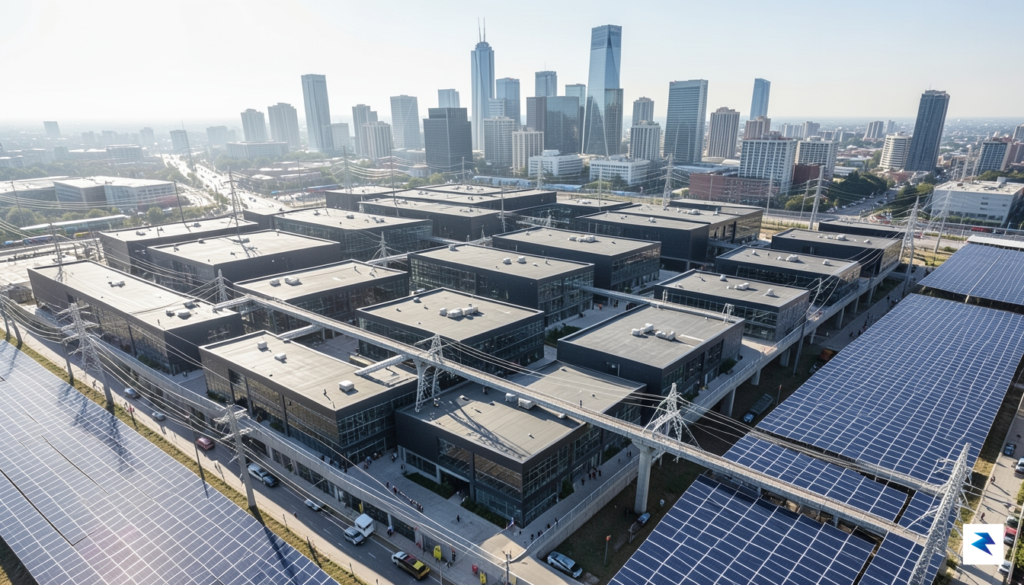
This explosive growth in power demand has pushed our traditional electrical grids to the brink, creating what many in the utility sector are now calling an “energy cliff.” For decades, grid operators have planned for relatively predictable, incremental increases in electricity usage, but the AI boom has shattered these models. Utilities, accustomed to forecasting demand years in advance, are suddenly grappling with requests for gigawatts of power from new data centers, often far exceeding their available capacity in specific regions. Much of our existing grid infrastructure was built decades ago, designed for an era of centralized power generation and more stable consumption patterns, making it inherently ill-equipped to handle such rapid, concentrated surges.
Attempting to meet this unprecedented demand with traditional solutions presents its own set of formidable challenges. While natural gas power plants can be built relatively quickly, they contribute to carbon emissions, and their fuel supply can be volatile. Coal, though abundant, carries even heavier environmental costs. Renewable energy sources like solar and wind offer a cleaner path forward, yet their inherent intermittency means they require significant battery storage or other “firming” capacity to ensure a consistent power supply, adding complexity and cost. Crucially, the pace at which new power plants, transmission lines, or large-scale battery storage facilities can be designed, permitted, and constructed simply cannot keep up with the exponential growth trajectory of AI data centers. We are trying to build 21st-century infrastructure at a 20th-century pace.
This urgent dilemma is forcing tech giants and energy providers to look beyond conventional approaches, scrutinizing every potential source of power and grid stability. If central generation and large-scale renewable projects aren’t scaling fast enough, where else can we find the necessary flexibility and capacity? The answer, surprisingly, might lie closer to home than we think. Millions of residential and commercial buildings across the globe are increasingly equipped with their own sources of renewable energy generation, like rooftop solar, and, crucially, a growing number are integrating smart home batteries. This vast, distributed network represents an immense, largely untapped reservoir of energy storage and flexible demand that, if properly harnessed, could become a pivotal component in balancing the grid and supporting AI’s voracious appetite.
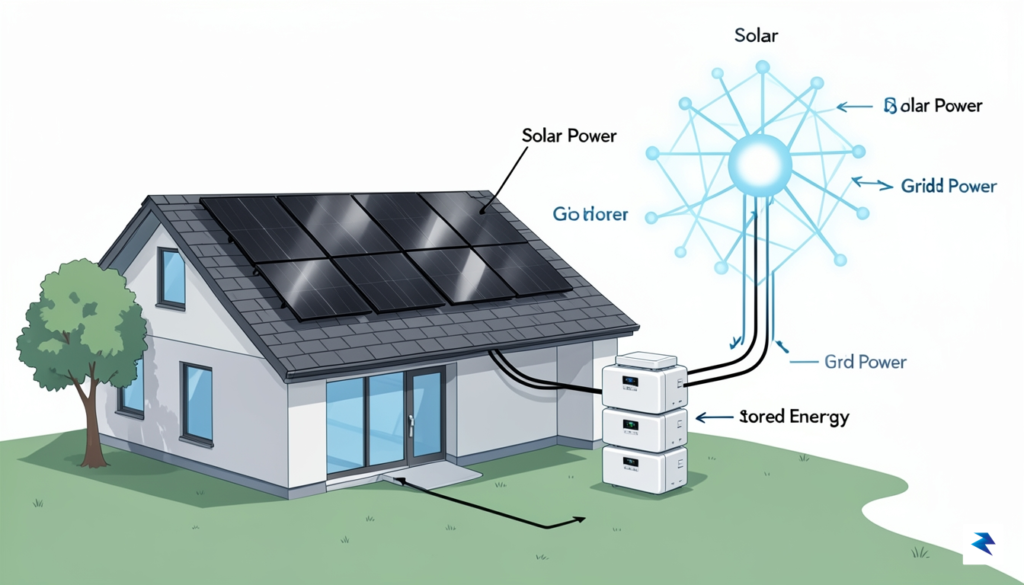
Imagine your home not merely as a consumer of electricity, but as a dynamic participant in a vast, interconnected energy ecosystem. This is the core promise of a Virtual Power Plant (VPP), a sophisticated digital layer that aggregates thousands of individual residential energy assets—such as rooftop solar panels, home battery systems like the Tesla Powerwall, and smart thermostats—into a single, synchronized fleet. Rather than relying solely on massive, centralized fossil-fuel plants that are often slow to ramp up, a VPP functions as a decentralized utility. It uses advanced software to communicate with these distributed devices in real time, effectively turning a neighborhood of houses into a massive, flexible, and invisible battery that can support the grid when it needs it most.
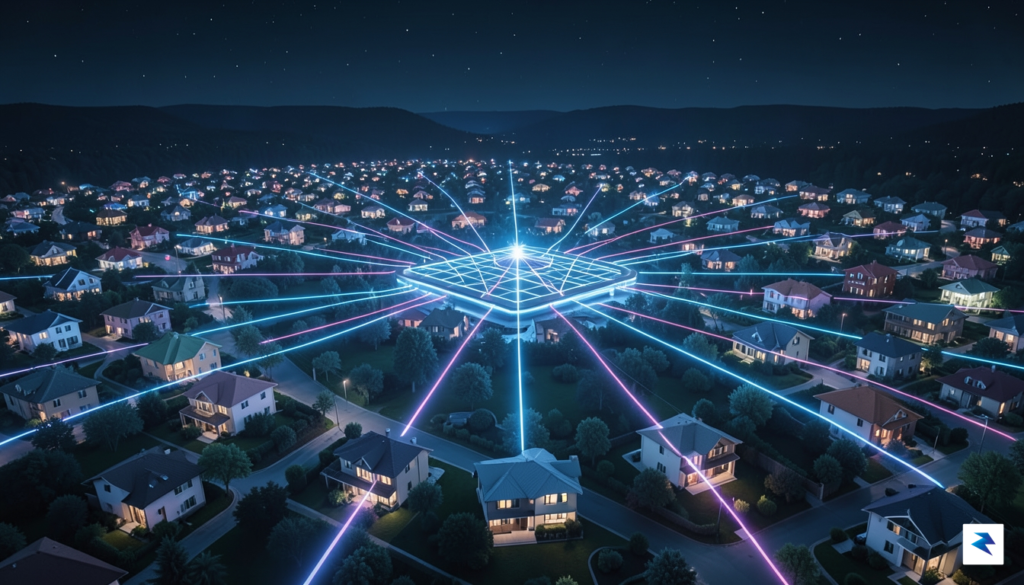
The mechanics of this system are governed by intelligent algorithms that continuously monitor grid frequency and demand. When the local utility detects a surge in consumption—perhaps driven by the massive, around-the-clock power requirements of a nearby AI data center—the VPP software can instantaneously signal thousands of home batteries to discharge stored energy back into the grid. Simultaneously, the system can command smart thermostats to slightly adjust their settings or pause high-energy appliances for a brief period. Because these changes are automated and spread across a vast network, the impact on any single household is negligible, yet the cumulative effect is a powerful, reliable injection of capacity that helps prevent blackouts and reduces the need for “peaker plants,” which are often the most carbon-intensive generators in the energy mix.
The true power of a VPP lies in its ability to transform millions of isolated, passive energy users into an active, intelligent, and coordinated resource that stabilizes the grid during periods of extreme strain.
This decentralized approach offers a crucial solution to the specific challenges posed by the AI boom. As data centers demand gigawatts of constant, reliable power, the traditional energy grid is struggling to keep pace with the sheer speed of this transition. By participating in a VPP, homeowners become essential partners in this energy transition. They are no longer just buying electricity; they are providing a critical grid service, often receiving financial incentives in return. By creating this digital layer of coordination, we are essentially building a virtual infrastructure that is cleaner, more resilient, and far more adaptable than the rigid, centralized models of the past. It turns the home into a foundational asset, ensuring that as our digital intelligence grows, the physical grid supporting it remains robust and sustainable.
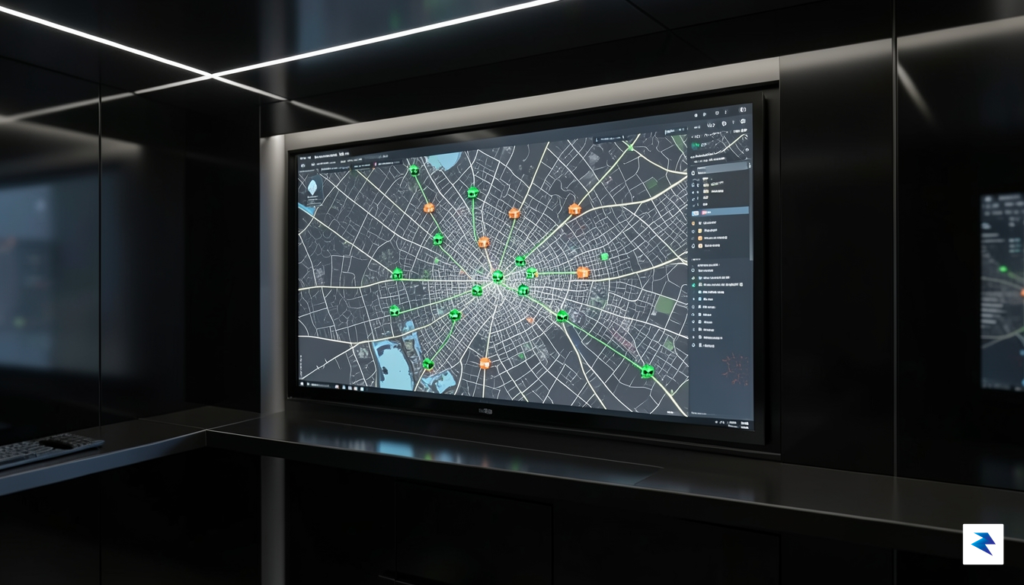
The energy-hungry demands of massive AI data centers have created a paradoxical opportunity for the modern residential home. Industry leaders like Tesla, Sunrun, and Renew Home are no longer viewing household appliances merely as energy consumers; instead, they are repositioning them as critical infrastructure nodes in a massive, decentralized power plant. By leveraging sophisticated orchestration software, these companies are effectively turning thousands of individual batteries, smart thermostats, and solar arrays into a synchronized “Virtual Power Plant” (VPP) capable of responding to grid fluctuations in milliseconds.
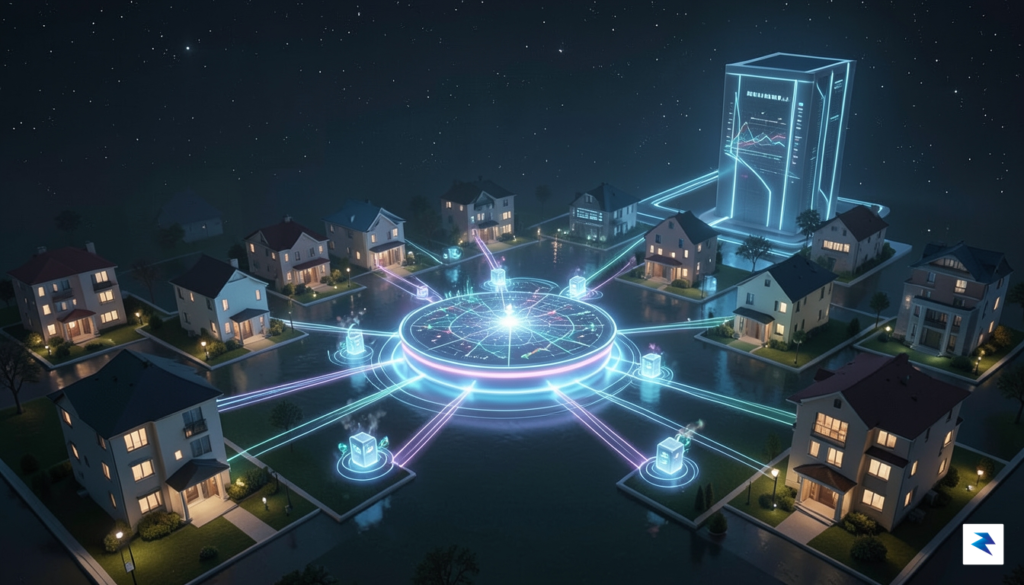
Tesla’s business model centers on its massive installed base of Powerwalls, which utilize the company’s Autobidder software to autonomously manage energy storage. When the grid experiences peak demand—often during the exact moments AI servers are ramping up their processing cycles—Tesla’s software can trigger a collective discharge from thousands of home batteries. This is not a manual process; rather, it is an algorithmic dance where the software monitors wholesale electricity prices and grid frequency, selling power back to the utility at the precise moment it is most valuable. By incentivizing homeowners through automated credits or lower utility bills, Tesla transforms static hardware into a lucrative, grid-balancing asset.
Meanwhile, Sunrun and Renew Home are tackling the integration challenge from a service-oriented perspective. Sunrun has pioneered the concept of “energy-as-a-service,” where they bundle solar panels and home batteries into a subscription model that removes the high barrier to entry for the average consumer. Renew Home, born from the merger of AutoGrid and Uplight, focuses on the “orchestration layer,” providing the intricate backend software that connects utility companies to residential smart devices. Their platform excels at managing the complexity of diverse hardware ecosystems, ensuring that thousands of distinct locations can be aggregated and commanded as if they were a single, high-capacity utility-scale generator.
To successfully bridge the gap between AI energy consumption and sustainable supply, the industry must transition from passive energy conservation to active, machine-managed grid participation.
The technical architecture required to manage these thousands of dispersed locations is remarkably complex. Because AI data centers require a constant, stable flow of electricity, the orchestration software must perform predictive analytics to anticipate grid imbalances before they escalate. By utilizing machine learning models to analyze weather patterns, historical usage, and current grid load, these platforms can pre-emptively shift energy loads—such as delaying an electric vehicle charge or cycling a smart HVAC system—without the homeowner even noticing. This high-frequency orchestration is the invisible glue holding the energy transition together, proving that the solution to our AI-powered future may well be hidden in the cabinets and garages of our own homes.
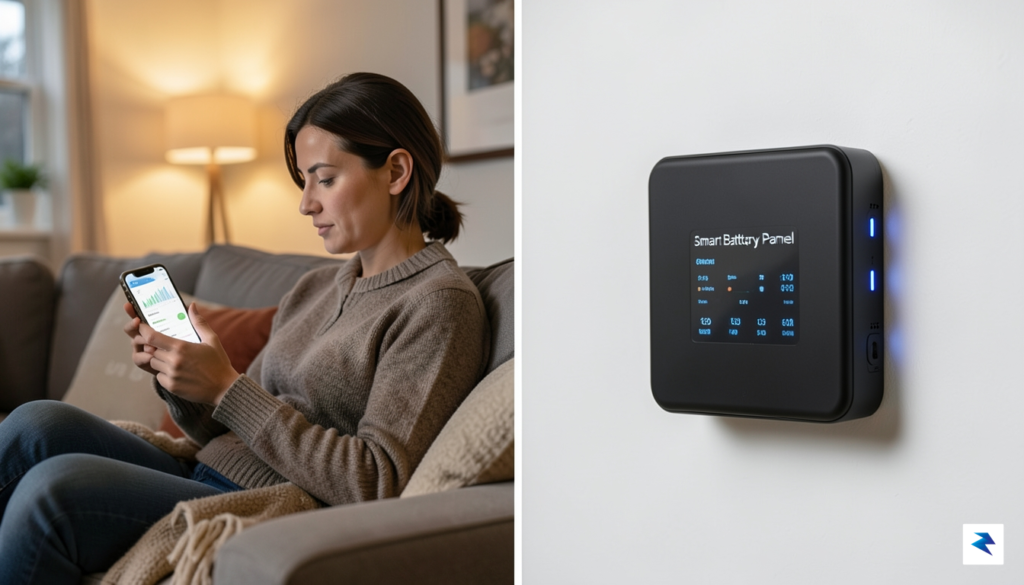
For the average homeowner, the prospect of contributing to the stability of a grid strained by data centers and AI computing represents a significant shift in how we view residential energy. Participating in demand-response programs or virtual power plant initiatives isn’t merely an altruistic gesture; it is increasingly becoming a savvy financial strategy. By allowing utility companies to draw from your home battery or throttle your smart appliances during peak usage hours, you can unlock a new stream of passive income. Many energy providers now offer direct rebates or reduced monthly premiums in exchange for this flexibility, effectively turning your home into a micro-utility that pays you for your stored capacity. Beyond the direct payments, optimizing your energy usage during these windows can lead to a more efficient home, ultimately lowering your baseline utility bills as you become more conscious of your consumption patterns.
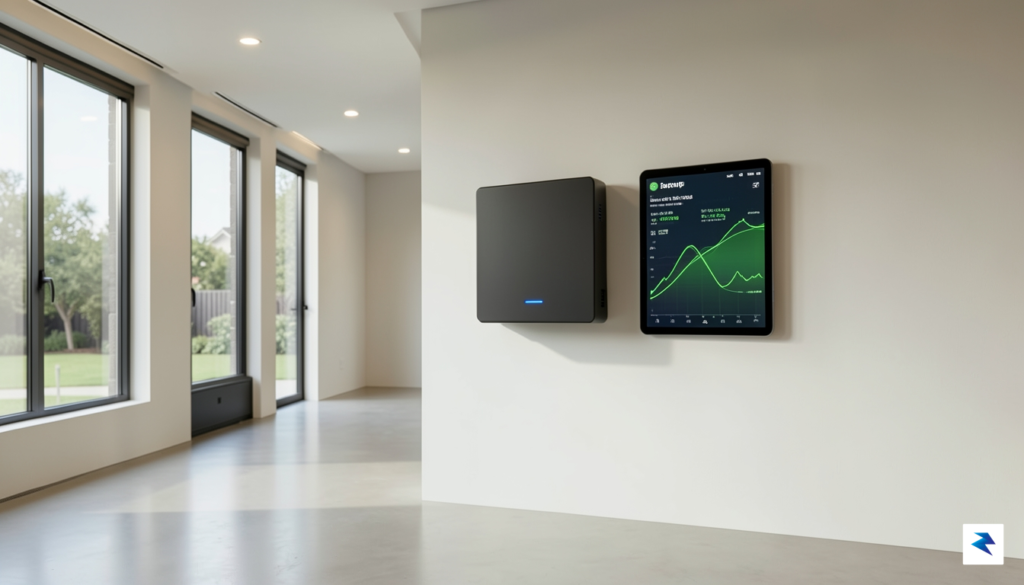
However, this transition is not without its technical trade-offs, particularly regarding the longevity of your hardware. Every time a home battery discharges to support the grid, it undergoes a cycle of chemical degradation. While lithium-ion batteries are designed to handle thousands of cycles, frequent grid-balancing interventions could theoretically accelerate the aging of these expensive components. Homeowners must carefully evaluate the terms of their equipment warranties to ensure that participation in grid-support programs does not void manufacturer protections. It is essential to weigh the immediate financial incentives against the long-term cost of potentially replacing your energy storage hardware sooner than originally planned.
Perhaps the most pressing concern for many is the question of autonomy and digital security. Granting utility companies remote access to your smart home devices—such as thermostats, electric vehicle chargers, and battery inverters—requires a significant leap of faith. There is a natural apprehension regarding “utility creep,” where a provider might over-utilize your system during a crisis, leaving you with less power than you anticipated for your own personal needs. To mitigate this, homeowners should look for systems that offer granular control, allowing them to set “reserved” capacity thresholds that the grid cannot touch, ensuring they always have enough power to keep their lights on and appliances running during an outage.
True energy independence in the age of AI requires a delicate balance between grid cooperation and personal system security.
Furthermore, integrating home infrastructure into a broader, interconnected energy network introduces new cybersecurity vulnerabilities. As these systems become prime targets for digital interference, the importance of robust, encrypted communication protocols cannot be overstated. Before signing up for any grid-balancing program, individuals should prioritize platforms that demonstrate a commitment to end-to-end encryption and regular security audits. While the vision of a democratized, AI-supported energy grid is promising, its success depends entirely on the transparency of utility contracts and the resilience of the digital safeguards protecting our private homes.
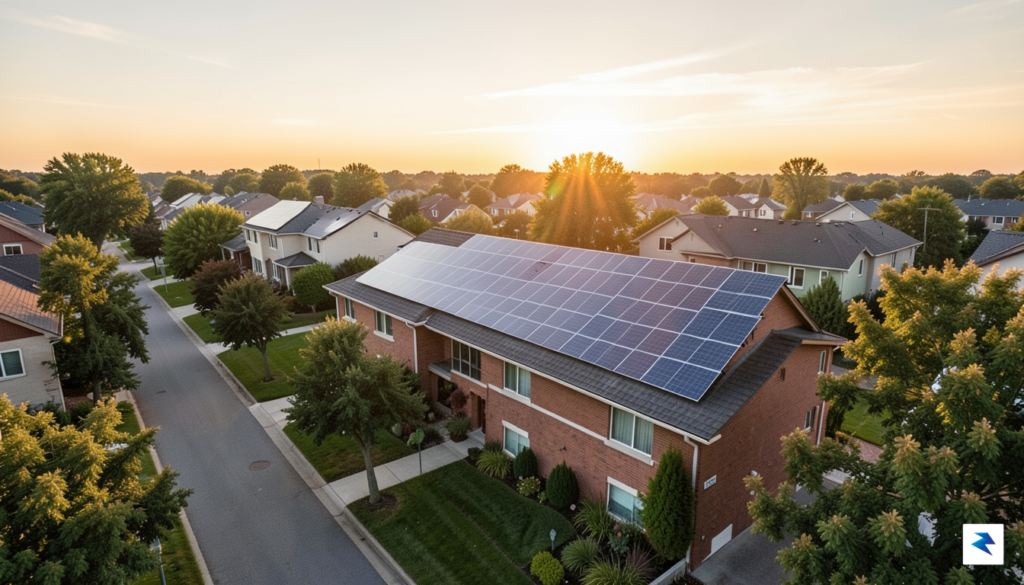
The burgeoning energy demands of artificial intelligence are indeed a significant challenge, yet the integration of residential power into the national grid transcends a mere stopgap solution. Instead, it heralds a profound and fundamental shift towards a decentralized and inherently more resilient energy future. This isn’t just about meeting immediate power needs; it represents an evolutionary leap in how we conceive, generate, and distribute electricity, with long-term implications that will reshape energy policy and grid management for generations to come. Traditional centralized models, reliant on massive power plants and extensive transmission lines, are gradually giving way to a more distributed network, demanding innovative regulatory frameworks, advanced market mechanisms for energy trading, and sophisticated smart grid technologies capable of balancing myriad small-scale inputs and outputs in real-time.
This decentralized paradigm offers a compelling answer to the increasing vulnerability of our energy infrastructure. Centralized grids, by their very nature, present single points of failure; a major storm can knock out a large power plant or critical transmission lines, leading to widespread and prolonged outages. In stark contrast, a grid bolstered by countless residential power sources and storage systems is inherently more robust. If one home’s solar panels are shadowed or its battery goes offline, the impact is localized and quickly absorbed by the broader network. Moreover, in the face of extreme weather events – a growing concern due to climate change – a distributed grid can “island” itself, allowing local communities to maintain power independently, thereby significantly reducing the duration and impact of disruptions. This resilience extends beyond natural disasters, offering greater protection against cyberattacks and other unforeseen vulnerabilities that plague large, interconnected systems.
Ultimately, this transformative shift empowers consumers in an unprecedented way, positioning them as active participants in the modern digital economy rather than mere passive recipients of electricity. Homeowners with rooftop solar, battery storage, and smart energy management systems become “prosumers” – both producers and consumers of energy. They can optimize their own energy usage, sell surplus power back to the grid, and even contribute to grid stability during peak demand or emergencies. This level of participation fosters a deeper understanding of energy consumption, encourages sustainable practices, and provides individuals with a tangible stake in the nation’s energy security. By turning every home into a potential micro-power plant, we are not just powering AI; we are building a democratic, dynamic, and dependable energy ecosystem ready to support the innovations of tomorrow.
You must be logged in to post a comment.