
The Rise of Crypto-Backed Political Spending

For years, the digital asset industry operated on the periphery of Washington, D.C., characterized by a culture of libertarian skepticism toward traditional governance and a focus on grassroots technical adoption. However, as the regulatory environment has tightened and the threat of aggressive enforcement actions has grown, the industry has undergone a fundamental metamorphosis. No longer content to remain on the sidelines, major players in the blockchain space have pivoted toward a sophisticated, high-stakes lobbying strategy. This transition marks the end of crypto’s “outsider” phase and the beginning of a concerted effort to institutionalize its influence within the halls of Congress, transforming legislative outcomes into a core business imperative.
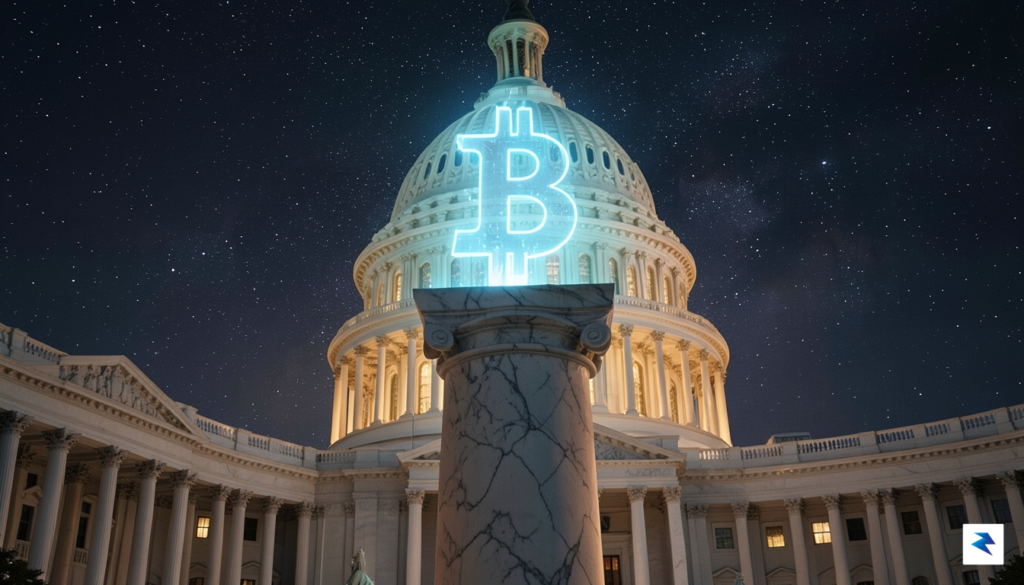
Central to this transformation is the emergence of Fairshake PAC, a political action committee that has quickly become a juggernaut in campaign finance. By aggregating massive financial contributions from industry leaders, Fairshake has moved beyond passive advocacy—such as educational white papers or standard lobbying firms—to actively shaping the composition of the legislature. Their strategy is surgical: rather than spreading resources thin, the PAC focuses its multi-million-dollar war chest on key congressional primaries where a single candidate’s victory could tip the balance in favor of innovation-friendly policy. This shift from “soft” influence to “hard” electoral spending signals that the industry has identified a clear path to regulatory clarity through the ballot box.
By prioritizing candidates who understand the nuances of blockchain technology, crypto-interest groups are effectively building a firewall against hostile regulatory frameworks that threaten to stifle decentralized development.
The industry’s current prioritization of specific congressional races is not merely about electing friends of crypto; it is about building a durable, bipartisan coalition capable of enduring the volatility of election cycles. By investing millions into these contests, organizations like Fairshake are sending a powerful signal to incumbents and challengers alike: support for digital assets is now a litmus test for fiscal and technological literacy. This proactive approach ensures that, regardless of which party holds the majority, the industry maintains a robust bench of lawmakers who view blockchain as a critical component of the future American economy. As we look toward the 2026 cycle, this trend of aggressive, targeted political investment is likely to intensify, permanently altering the dynamics of how emerging technologies interact with the democratic process.
Analyzing the Maryland Primary Success

The decisive victory of Adrian Boafo in Maryland’s recent primary serves as a stark case study in the evolving influence of digital asset advocacy within the American electoral system. By funneling a staggering $5.5 million into strategic districts, the Fairshake political action committee has effectively signaled that crypto-aligned funding is no longer an peripheral force, but a central component of modern campaign machinery. This substantial investment was not merely a broad-spectrum donation; rather, it was a precise, calculated deployment of capital designed to boost candidates who demonstrate a clear, pragmatic understanding of blockchain technology and its potential for economic innovation.
Boafo’s platform resonated with voters by framing crypto-literacy as a key pillar of future-ready economic policy. His campaign successfully navigated the complexities of financial regulation, advocating for a balanced framework that encourages technological growth while maintaining consumer protections. This alignment with the industry’s legislative goals proved critical, as it transformed him from a grassroots contender into a candidate backed by significant institutional momentum. The margin of his victory suggests that voters are increasingly receptive to candidates who champion digital modernization, viewing crypto-policy not as a niche issue, but as a vital part of the broader conversation regarding national financial competitiveness.

Maryland became a focal point for this electoral strategy due to its unique position as a bellwether for shifting political priorities in the Mid-Atlantic region. The primary environment there offered the ideal testing ground to determine whether financial backing from the tech sector could overcome traditional political hurdles and entrenched incumbency advantages. By concentrating resources where they could make the most immediate impact, the PAC demonstrated that a well-funded campaign can effectively mobilize base support and sway undecided voters in a high-stakes legislative environment. This victory highlights a broader trend: political candidates who openly embrace the digital asset space are finding that industry-backed support can provide the necessary wind to propel them through competitive primary cycles.
The success of crypto-backed candidates in Maryland suggests that the industry has successfully moved beyond theoretical debates, establishing a tangible, influential footprint in the halls of Congress.
Ultimately, the significance of this primary outcome extends far beyond a single seat in the House of Representatives. It represents a shift in the influence landscape, where the traditional political establishment must now contend with a new, highly organized voting bloc that prioritizes blockchain innovation. As other candidates observe these results, the political calculus regarding digital asset policy is likely to change, forcing incumbents and challengers alike to refine their stances on crypto regulation. This Maryland victory is, therefore, a preview of the upcoming election cycles, where financial support from the tech industry will continue to act as a decisive factor in determining which candidates reach the finish line.
Broader Trends: How Super PACs Are Reshaping Congressional Races

The decisive victory in Maryland serves as a microcosm of a much larger, highly sophisticated national strategy being orchestrated by pro-crypto political action committees. Rather than focusing exclusively on high-profile national races, these organizations have adopted a targeted, multi-state approach that seeks to build a durable coalition of industry-friendly lawmakers across the country. By funneling millions into key primary contests in states as diverse as New York and Utah, crypto-backed groups are demonstrating that their influence is not limited to any single region or political demographic. This expansion indicates a shift toward a long-term electoral strategy, where the goal is to weave pro-digital asset sentiment into the very fabric of congressional decision-making across the aisle.

The common thread linking these candidates is a shared emphasis on fostering innovation-friendly regulatory environments, regardless of their party affiliation. In New York, crypto-backed expenditures have targeted districts where incumbents or challengers demonstrated a clear willingness to engage with decentralized finance, while in Utah, the support has leaned toward candidates who view digital assets as a cornerstone of future economic growth. These PACs utilize advanced data analytics to identify districts where moderate voters are open to technological advancement, effectively turning the crypto debate into a mainstream economic issue rather than a niche tech concern. By selecting candidates who prioritize clear regulatory frameworks, these groups ensure that their legislative influence remains consistent even as the broader political climate fluctuates.
The strategy is clear: by diversifying their investments across various states, these PACs are effectively de-risking their political portfolio and ensuring a broader footprint in the halls of Congress.
The role of independent expenditures in these races cannot be overstated, as they provide the financial muscle necessary to dominate the airwaves and digital advertising space during the critical weeks leading up to a primary. These PACs do not merely donate to campaigns; they execute comprehensive media blitzes that define the narrative around their preferred candidates long before opponents can respond. This aggressive use of independent spending has forced other political stakeholders to take notice, signaling that the crypto industry is no longer an outsider looking in, but a permanent, well-funded fixture in modern congressional elections. As this strategy continues to evolve, the ability of these groups to influence primary outcomes will likely force a broader reassessment of how digital asset regulation is debated and eventually codified in Washington.
The Strategic Implications for Digital Asset Policy
For years, the digital asset industry has operated in a state of regulatory purgatory, characterized by aggressive enforcement actions and a persistent legislative gridlock that has left both investors and developers in the dark. The recent electoral successes fueled by significant PAC investments represent more than just a series of wins; they signal a coordinated pivot toward changing the fundamental composition of Congress. By funneling millions into primary races, the industry is effectively working to replace skepticism with a more nuanced, tech-forward understanding of blockchain technology. This strategic injection of capital is designed to ensure that when the next wave of financial innovation bills reaches the floor, there is a core bloc of lawmakers who view digital assets not as a threat, but as a critical component of the future global economy.

The legislative agenda moving forward is ambitious, targeting three specific areas that have long stifled industry growth: tax reporting standards, the criteria for security categorization, and the regulatory oversight of decentralized finance (DeFi). Currently, the ambiguity surrounding whether a token constitutes a security or a commodity leaves many companies vulnerable to inconsistent legal interpretations. With more crypto-friendly candidates securing their spots on the ballot, we can expect a push toward legislation that provides safe harbors for developers and clearer operational rules for exchanges. The goal is to move away from “regulation by enforcement”—where policies are made in the courtroom—and toward a structured legislative framework that provides the predictability necessary for institutional investment.
The influx of industry-backed candidates marks a transition from defensive lobbying to proactive legislative drafting. By investing in the primary process, the sector is effectively building a legislative firewall against future anti-crypto sentiment.
Political analysts suggest that this shift will have a cascading effect on how Washington approaches emerging tech. As these newly minted allies gain seniority and influence within key committees, the baseline for debate in Congress will likely tilt toward innovation-first policies. This long-term strategy acknowledges that policy change in the U.S. is rarely a sprint; it is a slow, methodical process of building consensus. By fostering a legislative environment that prioritizes technological sovereignty and financial inclusivity, these PACs are aiming to ensure that the U.S. remains a competitive hub for blockchain development, rather than forcing the industry to seek friendlier regulatory climates abroad.
Ultimately, the durability of this movement will depend on how these elected officials balance industry advocacy with their broader obligations to consumer protection. As the conversation matures, the industry’s ability to demonstrate the practical, real-world utility of blockchain technology will be just as important as the funding that put these candidates in office. If the current trajectory holds, the next session of Congress may be remembered as the moment when the digital asset sector finally moved from the periphery of financial policy to the very center of the American economic agenda.
Challenges and Public Sentiment Toward Industry Influence

The aggressive influx of capital from digital asset-focused political action committees into recent primary races has sparked a fierce debate over the role of corporate interests in the democratic process. Critics argue that when industry-backed groups pour millions of dollars into a single race, they are effectively attempting to “buy” legislative influence, potentially prioritizing the specific regulatory desires of crypto firms over the broader interests of the general electorate. This skepticism is deeply rooted in a growing public fatigue regarding the influence of special interest money in Washington, where voters often worry that their own voices are being drowned out by the sheer volume of campaign spending. Consequently, the success of these candidates serves as both a testament to the industry’s newfound political muscle and a flashpoint for concerns regarding the integrity of campaign finance.
Transparency remains at the heart of this friction. While Super PACs are required to disclose their donors and spending, the complex architecture of these organizations often makes it difficult for the average citizen to track the ultimate source of the funding or the specific policy agendas being incentivized. Supporters of the crypto industry maintain that this spending is a necessary democratic exercise, enabling the sector to educate lawmakers on complex technologies that are often misunderstood or unfairly maligned. They argue that by backing candidates who are “pro-innovation,” these PACs are simply participating in the marketplace of ideas, much like labor unions, environmental groups, or traditional finance sectors have done for decades.
The core of the issue is not necessarily the industry itself, but the broader systemic question of whether a single sector should have the resources to disproportionately shape the legislative agenda before voters even head to the general election.
Voter sentiment toward these candidates is inherently divided, often breaking down along lines of tech-literacy and skepticism toward established financial systems. For some constituents, a candidate backed by crypto funding represents a forward-thinking leader who understands the digital economy, potentially promising job growth and modernization. Conversely, many voters view this influx of cash with deep suspicion, fearing that it creates a “pay-to-play” environment where regulation is dictated by wealthy donors rather than sound public policy. Ultimately, this tension highlights a fundamental challenge for the future of American elections: how to balance the right of specialized industries to advocate for their interests with the public’s need for an accessible, transparent, and representative government that remains accountable to the people rather than the highest bidder.