The End of the Physical Era: GTA VI's Controversial Move

The anticipation surrounding Grand Theft Auto VI has reached a fever pitch, yet the conversation has recently shifted from the game’s sprawling open world to the logistics of its distribution. Reports suggesting that physical retail copies of the game may ship without a traditional disc—offering instead a digital code housed within an empty box—have ignited a firestorm of debate among collectors and casual players alike. At a premium price point of $79.99, this move represents more than just a logistical shift; it signals a fundamental restructuring of the relationship between developers and consumers. When a physical box no longer contains the actual software, the product ceases to be a tangible asset and instead transforms into a hollow souvenir, serving as little more than a shelf-bound reminder of a digital transaction.
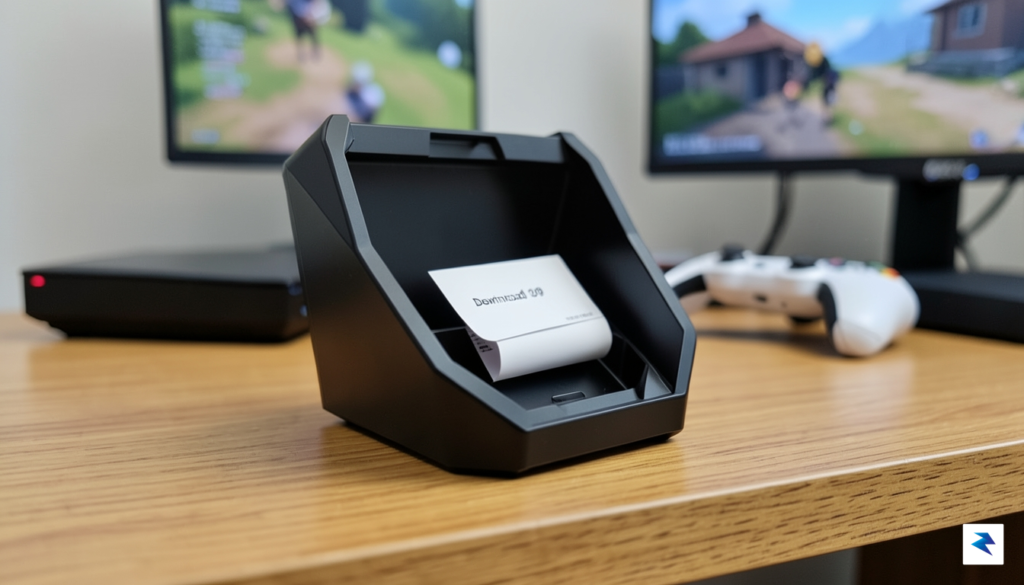
This transition marks the final stage of an industry-wide pivot toward a service-based model, where players are no longer purchasers of goods, but rather temporary tenants of digital access. In the era of physical media, owning a disc meant having the ability to install, play, and archive a game regardless of the publisher’s server status or store availability. By contrast, digital distribution relies entirely on the grace of the platform holder. When we purchase a digital license, we are essentially agreeing to a revocable privilege that can be altered or extinguished if service terms change, or if a digital storefront decides to delist a title. This shift effectively erases the concept of “ownership” that defined the gaming experience for decades, replacing it with a precarious, cloud-dependent tether.
The transition from physical media to digital licensing is not merely a change in format; it is a fundamental shift in legal and consumer rights that turns permanent ownership into a temporary, conditional privilege.
The implications for long-term game preservation are profound. If the industry continues to move toward a model where the physical box is purely performative, we risk losing the ability to access software once the official servers go dark or the company decides it is no longer profitable to host the files. Gamers have traditionally been the custodians of history, passing down cartridges and discs that remain functional long after the initial hype has faded. As we move toward a future where a Grand Theft Auto release—arguably the most significant cultural event in gaming—eschews the physical medium, we must ask what happens to the legacy of these titles. Are we comfortable with a future where our digital libraries are entirely at the mercy of corporate bottom lines, or is it time to demand a return to tangible, offline-capable ownership?
The Economics of Digital-Only Distribution

The push toward a digital-only future is not merely a matter of convenience or modernizing infrastructure; it is a calculated financial strategy designed to fundamentally reshape the relationship between the publisher and the player. For decades, the physical game market relied on a complex web of manufacturing, warehousing, global shipping, and retail shelf space. Each of these steps incurred tangible costs, from the production of plastic cases and Blu-ray discs to the carbon footprint of transporting millions of units across the globe. By shifting entirely to digital distribution, publishers effectively decapitate these logistical overheads, transforming their operating margins overnight by moving from a tangible product model to a high-margin service delivery system.

Perhaps the most significant financial motivation behind this shift is the total eradication of the secondary, or “used,” game market. For years, platforms like GameStop and marketplaces like eBay allowed players to recoup some of their initial investment by reselling their discs after finishing a campaign. To a publisher, every used game sale is a lost transaction; the consumer is engaging with their intellectual property, yet the publisher receives zero revenue from that exchange. By moving to digital-only storefronts, companies ensure that every single copy of a title is purchased directly from their own ecosystem at full price. This eliminates the “leakage” of revenue that occurs when physical discs change hands, effectively forcing a closed-loop economy where the only way to play is to pay the publisher directly.
The transition to digital-only storefronts represents a shift from ownership to access, ensuring that every user interaction results in a direct financial contribution to the publisher’s bottom line.
Furthermore, digital distribution grants publishers unprecedented control over pricing strategies. In the physical era, retailers often discounted games to clear shelf space or compete for foot traffic, which occasionally diluted the perceived value of premium titles. Conversely, digital storefronts allow developers to maintain rigid pricing structures indefinitely, rarely offering deep discounts unless they choose to initiate a sale. This level of control, combined with the removal of resale possibilities, creates a walled garden that is incredibly lucrative for major studios. When a massive title like GTA VI is framed within this context, it becomes clear that the move toward digital-only is less about consumer benefit and more about maximizing the lifetime value of every customer by removing their ability to participate in an open, secondary market.
Preservation in Peril: Why Discs Still Matter
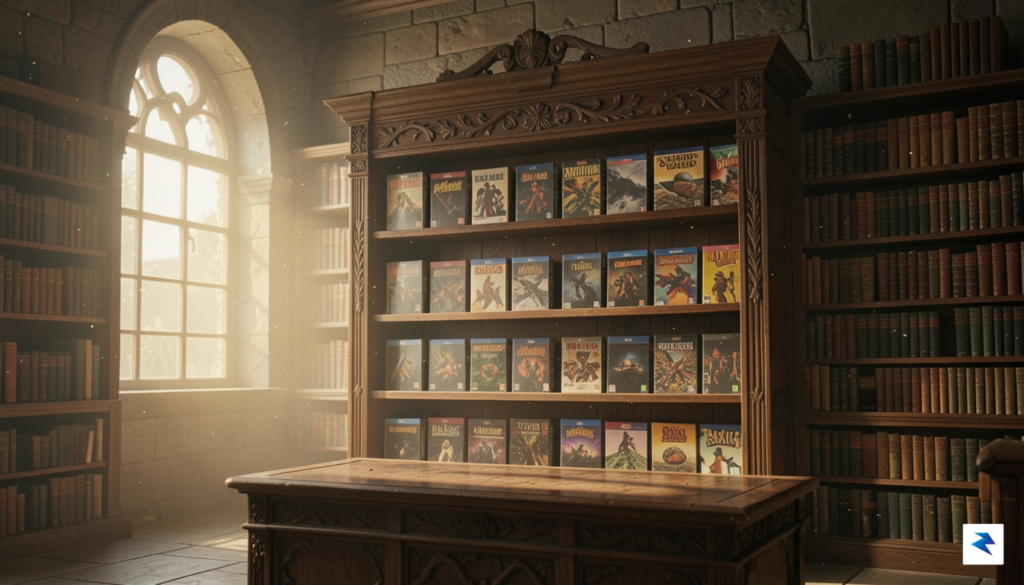
In an increasingly digital world, the convenience of downloading games directly to our consoles is undeniable. Yet, beneath this veneer of instant access lies a profound and often overlooked threat: the impermanence of digital ownership. Unlike a physical disc that you truly possess, a digital game is often more akin to a license, tied directly to storefronts and servers that exist outside your control. This fundamental difference creates a precarious future for our gaming history, raising serious questions about how we will access and experience these digital artifacts in the years to come.
The lifespan of any digital product is, by its very nature, finite, dictated by the economic viability and operational decisions of the companies that host them. When a digital storefront decides to close its doors, or when a game’s dedicated servers are finally taken offline, the titles associated with them often vanish into the digital ether. This isn’t a theoretical concern; it’s a recurring reality that has already robbed players and historians of countless gaming experiences. Without a physical copy, these games simply cease to exist for future generations, becoming unplayable relics of a bygone era.
We’ve already seen this play out with major platforms, offering chilling precedents. The closure of the Nintendo Wii Shop Channel and DSiWare services, for instance, rendered hundreds of digital-only titles permanently inaccessible to new purchasers, transforming once-downloadable experiences into ghosts in the machine. Similarly, while Sony ultimately reversed its decision to close the PlayStation Store for PS3, PSP, and PS Vita, the initial announcement sent a chilling message about the fragility of digital libraries on older consoles. These incidents highlight how quickly entire swathes of gaming history can be erased, leaving behind only memories and fragmented accounts, but no playable form.
Video games are more than mere entertainment; they are a significant and evolving art form, a reflection of cultural moments, technological advancements, and creative genius. Ensuring their long-term preservation is not just about nostalgia; it’s about safeguarding a vital part of our cultural heritage, much like we preserve films, literature, or music. Physical media, with its inherent ability to be played offline and independently of a remote server, offers the most robust and reliable pathway to achieving this. A disc, even if its online features are eventually disabled, retains the core game experience, ready to be inserted into a console decades from now, providing a tangible link to gaming’s past.
For academics, historians, and future enthusiasts, physical copies are invaluable tools for study and enjoyment, allowing for authentic experiences that digital storefronts cannot guarantee in perpetuity. They represent a decentralized, resilient form of access, ensuring that the creative efforts poured into these virtual worlds are not merely leased but truly owned and thus, truly preserved. As we look to the future of gaming, the conversation around physical versus digital isn’t just about convenience or cost; it’s fundamentally about securing the legacy of an entire medium for generations yet to come.
Consumer Rights and the Problem of Digital Ownership
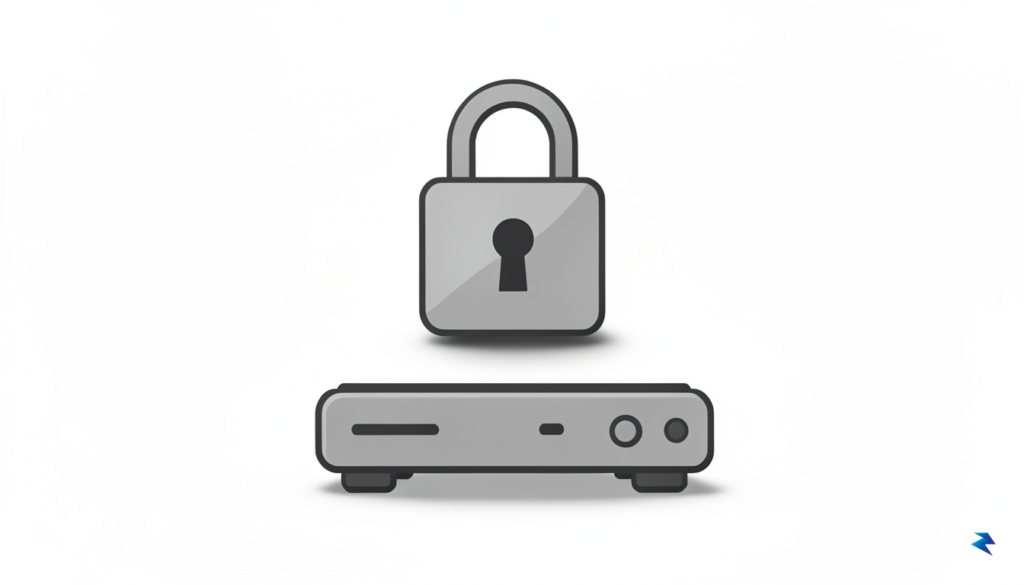
The transition toward a digital-first gaming landscape fundamentally alters the social contract between the publisher and the player. When you purchase a physical disc, you possess a tangible asset that can be played, traded, or preserved indefinitely, independent of the publisher’s server status. Conversely, modern digital storefronts operate on a licensing model rather than a sales model. By clicking “agree” on those lengthy terms of service documents, you are essentially leasing a revocable right to access software, rather than acquiring the product itself. This shift transforms your library from a collection of personal property into a precarious list of permissions that can be rescinded at any time.

The risks inherent in this model are not merely theoretical; they are an active threat to consumer security. If a publisher decides to shut down its servers, delist a title, or if a digital storefront faces a catastrophic account termination, your access to the games you paid for can vanish instantly. Unlike the protection afforded to physical goods under consumer law, digital content often lacks the same legislative safeguards. When a platform bans your account—whether due to a legitimate policy violation, a compromised credential, or a technical error—the “assets” tied to that profile are often held hostage, leaving the consumer with nothing but a worthless digital receipt. There is currently a glaring lack of legal precedent or government regulation that forces companies to ensure permanent access for users who have paid full price for their software.
The core issue is one of permanence; as we move toward an era of ephemeral access, the concept of a “gaming library” is becoming a temporary subscription in disguise, where the consumer loses all agency the moment the publisher chooses to pull the plug.
Furthermore, this erosion of ownership creates a dangerous power imbalance. In the physical era, companies had to provide a product that worked out of the box, as they could not easily update or revoke access to a disc once it left the factory. Today, publishers can push “live service” updates that drastically alter, diminish, or even break games long after their initial release. Because players do not truly own the underlying code, they have no legal standing to demand the game remain in its original, functional state. We are witnessing a slow transition where the consumer is being relegated to a secondary status, holding no rights to the media they fund, while corporations retain total control over the lifespan and integrity of the entertainment we consume.
Is This the New Industry Standard?
The looming release of Grand Theft Auto VI acts as a powerful bellwether for the gaming industry, suggesting that the era of the convenient, collectible disc may be reaching its twilight. If a title of such immense cultural and financial magnitude chooses to prioritize digital distribution or limit physical availability, it effectively provides a roadmap for every other major publisher to follow suit. This shift is not merely a logistical choice for developers; it is a calculated move toward a service-based model where the publisher retains absolute control over the product. As we transition further into this digital-first landscape, the concept of true ownership—the ability to buy, hold, and trade a tangible piece of software—risks becoming an antiquated relic of a bygone generation.
Whether this trend is reversible remains a point of intense debate among industry analysts and the gaming community at large. While the convenience of instant downloads is undeniable, the erosion of physical media strips players of their consumer rights, leaving them at the mercy of server shutdowns and licensing agreements that can vanish overnight. The path forward depends almost entirely on the collective voice of the consumer. If players continue to vote with their wallets by supporting independent developers who champion physical releases, or by vocalizing their preference for discs through retail engagement, the industry may be forced to maintain a niche market for tangible goods. However, without significant pushback, the convenience of digital storefronts will likely solidify into a permanent, non-negotiable reality.
True ownership in the digital age is not a guarantee; it is a privilege that must be actively advocated for by the community before the hardware infrastructure for physical media fades away entirely.
Ultimately, the future of gaming culture hinges on how we value the artifacts of our hobby. If we accept the transition to a purely digital ecosystem without question, we risk turning our libraries into ephemeral subscriptions that we merely rent rather than own. To preserve the longevity of the games we love, we must support physical media where it still exists and pressure publishers to respect the history of the medium. The transition toward a digital-only future is not a foregone conclusion, but the window to preserve the legacy of physical game ownership is closing rapidly. By choosing to hold onto the tangible, we protect not just our personal collections, but the very principle that when we purchase a game, it should belong to us in perpetuity.