Is GTA VI Signaling the Death of Physical Game Ownership?
The End of the Physical Era: GTA VI's Controversial Move The anticipation surrounding Grand Theft Auto VI has reached a fever pitch, yet…

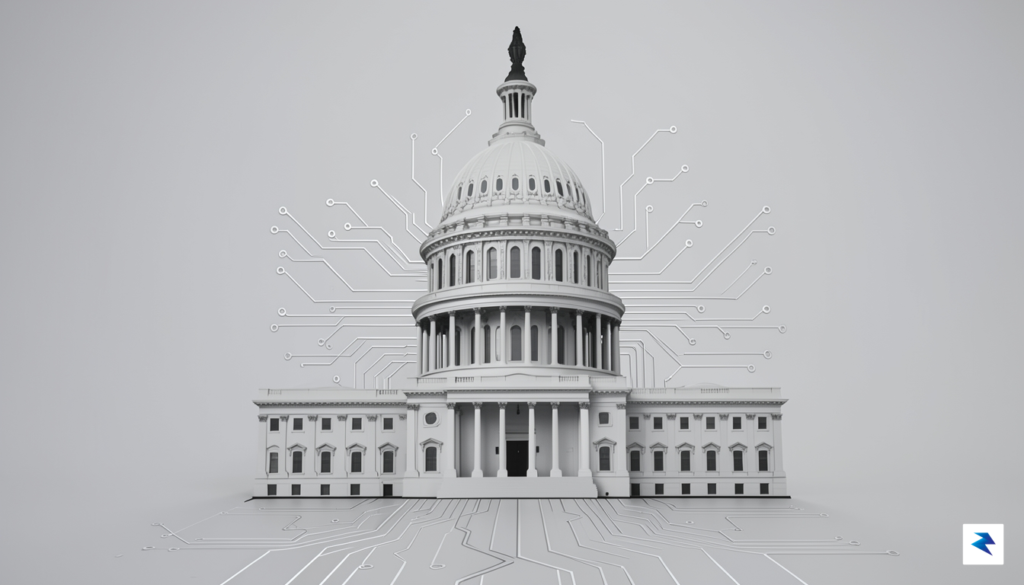
The intersection of artificial intelligence and the federal legislative process reached a new flashpoint this week, thrusting Representative Anna Paulina Luna into the center of a burgeoning debate regarding the integrity of congressional work. The controversy ignited on the social media platform X, where sharp-eyed observers shared screenshots of a defense funding amendment associated with the Representative’s office. These images appeared to contain metadata or formatting remnants suggesting that the text had been generated by a large language model, fueling immediate speculation that the complex language of national defense appropriations was being outsourced to algorithms rather than authored by congressional staff.
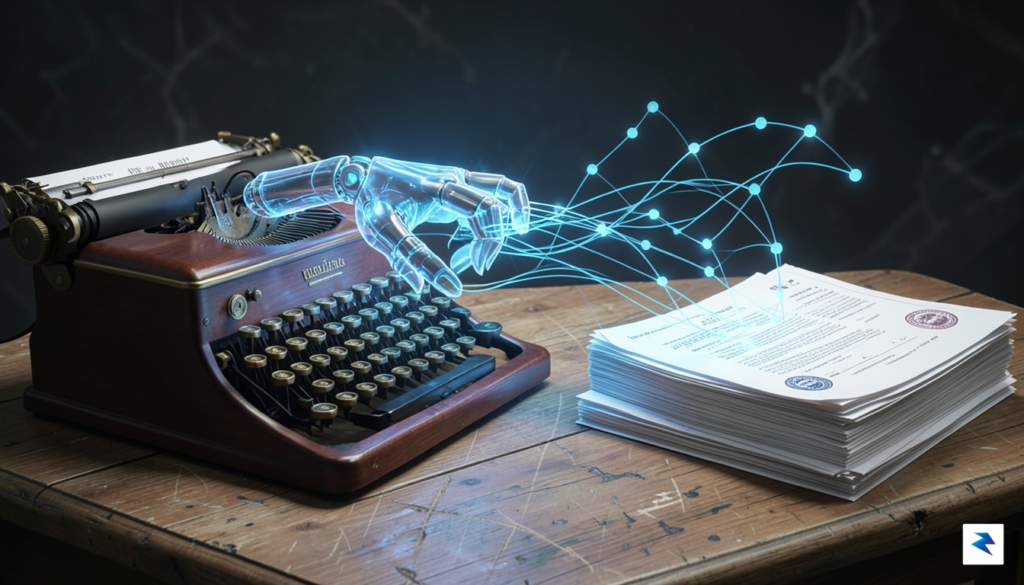
The accusations quickly gained traction, forcing a public reckoning over the role of automation in drafting the nation’s laws. Critics argued that the use of generative AI in drafting high-stakes defense legislation poses significant risks, ranging from the potential for “hallucinated” technical errors to a complete breakdown in the human accountability required for drafting federal policy. As the discourse surrounding the incident intensified, observers began to question whether these tools were being used for mere clerical assistance or if they were playing a substantive role in shaping the actual legislative language that guides military spending.
In response to the mounting scrutiny, Representative Luna’s office moved to clarify the situation, drawing a sharp distinction between the use of AI for administrative support and its application in legislative drafting. Her team emphasized that while they may utilize modern technological tools to streamline routine clerical tasks—such as summarizing lengthy committee meetings or formatting documents for internal review—no generative AI was employed to compose the substance of the defense funding amendment in question.
“The legislative process requires human judgment and rigorous oversight, which no software can currently replicate. While we utilize technology to improve our internal office workflows, the drafting of our official legislative language remains the sole responsibility of our policy staff.”
This clarification has not fully quelled the broader anxiety regarding the future of the legislative branch in an era of rapid technological disruption. For many, the incident serves as a critical case study in the lack of established guardrails governing how congressional offices incorporate emerging technologies into their day-to-day operations. As Congress grapples with the need to modernize, the incident involving Representative Luna underscores the urgent requirement for greater transparency and clearly defined protocols to ensure that the public can maintain confidence in the authenticity and accuracy of their representatives’ work.

In the rapidly evolving digital landscape, the distinction between technological “assistance” and “authorship” has become increasingly nuanced, especially concerning the creation of sensitive government documents. While artificial intelligence offers powerful tools that can significantly enhance productivity for legislative staff, the precise application of these tools in drafting legal or policy text carries substantial risks, ranging from factual errors to the introduction of misinformation. Understanding where the line is drawn between leveraging AI for efficiency and ceding critical judgment to algorithms is paramount, particularly when public trust and the integrity of legislative processes are at stake.
The fundamental difference lies in the functional capabilities of various AI tools. On one end of the spectrum, we have long utilized basic language tools like spellcheckers, grammar correction software, and even sophisticated summarization engines. These tools primarily refine existing human-generated content: spellcheck corrects typos, grammar checkers improve syntax, and summarization condenses information from an already written document without inventing new concepts. Conversely, advanced generative AI models, such as Claude or other large language models, are designed to produce entirely new text, extrapolate ideas, and even “reason” in a rudimentary fashion based on patterns learned from vast datasets. This ability to generate original content, rather than merely process or refine existing material, is where the potential for blurring authorship becomes most pronounced.
Legislative drafting, however, demands a level of precision, foresight, and institutional knowledge that current AI models cannot reliably replicate. Crafting laws is not merely an exercise in assembling grammatically correct sentences; it involves deeply understanding legal precedent, aligning text with specific policy intent, anticipating unforeseen consequences, and navigating complex political and social landscapes. Human drafters bring years of experience, a nuanced grasp of legislative history, ethical considerations, and an accountability to constituents that algorithms inherently lack. They are tasked with embedding the will of the people and the expertise of various stakeholders into actionable, legally sound language, a process that requires critical judgment and human empathy.
Furthermore, relying on generative AI for the creation of legal or policy text introduces significant challenges regarding accuracy and accountability. AI models are prone to “hallucinations,” fabricating information that sounds plausible but is factually incorrect, or generating text that, while grammatically sound, misinterprets complex legal nuances. Verifying the accuracy and intent of AI-generated legislative language would require an equally rigorous human review process, potentially negating any time-saving benefits and adding layers of risk. Ultimately, while AI can assist in research, initial brainstorming, or even rephrasing, the core act of legislative drafting—imbued with specific intent, legal precision, and political acumen—must remain firmly within the domain of human oversight.
The public’s heightened sensitivity to AI involvement, particularly in critical areas like defense funding, is entirely understandable. Decisions regarding national security and the allocation of taxpayer dollars for military purposes are among the most serious responsibilities of Congress, directly impacting the safety and well-being of a nation. Citizens expect elected officials and their staff to exercise direct, transparent judgment in these matters, ensuring that every word of an amendment reflects carefully considered policy and not the potentially unverified output of an algorithm. The potential for AI-induced errors or biases in such high-stakes legislation could have severe, real-world consequences, underscoring the imperative for human accountability and meticulous human review in every step of the legislative process.

The recent discussions surrounding AI’s role in legislative drafting are far from an isolated incident; rather, they serve as a potent symbol of a broader, accelerating shift within the halls of the U.S. Congress. Both the House and Senate are grappling with an ever-increasing deluge of information, from thousands of pages of complex legislation to a constant influx of constituent communications, all while operating under immense time pressure. In this high-stakes environment, the allure of artificial intelligence tools, promising unprecedented efficiency and analytical capabilities, is rapidly becoming irresistible across the political spectrum, transforming how offices approach their demanding workloads.
Congressional offices, often constrained by limited staff and resources, are increasingly exploring AI to manage the sheer volume of their responsibilities. For instance, AI-powered tools can significantly enhance time management by automating mundane tasks, allowing staff to focus on more strategic work. More critically, these technologies offer advanced document summarization capabilities, distilling vast legislative texts, reports, and policy briefs into concise, digestible formats, which is invaluable for busy lawmakers and their aides. Furthermore, AI can revolutionize constituent communication by streamlining responses to common inquiries, analyzing sentiment in correspondence, and ensuring more personalized and timely engagement with the public, thereby bridging the gap between representatives and the people they serve.

However, this enthusiastic embrace of AI is not without its significant challenges and potential pitfalls. One of the most pressing concerns revolves around data privacy and the security of sensitive information. Legislative work often involves classified details, confidential constituent data, and pre-decisional policy discussions, raising serious questions about where and how this information is processed by third-party AI systems. Another critical issue is the phenomenon of “hallucinations,” where AI models generate factually incorrect or nonsensical outputs, which could lead to disastrous consequences if incorporated into legislation, policy statements, or public communications without rigorous human verification. The absence of standardized ethical guidelines for AI use by legislative staff further compounds these risks, creating a patchwork of approaches that lacks uniform oversight and accountability.
Therefore, as AI adoption continues its inevitable march through congressional offices, a thoughtful and proactive approach is paramount. Developing robust protocols for data security, implementing mandatory training on AI limitations and verification processes, and establishing clear ethical frameworks are essential steps to harness AI’s benefits while mitigating its inherent risks. The ultimate goal should be to empower staff with cutting-edge tools that enhance their productivity and analytical capabilities, ensuring that technological advancement serves to strengthen the legislative process rather than inadvertently undermine its integrity or compromise the sensitive work of governance.

As we stand at the precipice of a new technological era, the fundamental mandate for transparency in government becomes not just a noble ideal, but an urgent necessity. The recent incident involving Representative Luna, where questions arose regarding the potential use of artificial intelligence in drafting a defense funding amendment, serves as a crucial inflection point and a necessary wake-up call. It underscores the immediate need for establishing clear, enforceable standards and robust ethical frameworks governing the deployment of emerging technologies in the very creation of federal law. Without such guardrails, we risk not only introducing unforeseen errors and biases into our legal system but also diminishing the public’s confidence in the integrity and accountability of the legislative process itself.
The inherent risk of a ‘black box’ legislative process, where the origins or influences behind legal text remain opaque, is particularly concerning when AI is involved. Unlike human drafters, whose motivations and biases can, to some extent, be interrogated and understood, the complex algorithms driving AI systems can produce outcomes that are difficult to trace, explain, or even predict. This lack of interpretability can lead to legislation with unintended consequences, embedded biases, or even outright errors that might go unnoticed until it’s too late. Furthermore, if constituents cannot understand how their laws are being shaped, or if they suspect that automated processes rather than careful human deliberation are at play, the foundational pillars of democratic representation and public trust begin to erode. The stakes are simply too high to permit ambiguity when it comes to the legal framework that governs society.
To navigate this complex landscape responsibly, Congress must proactively develop comprehensive frameworks for AI use within government, placing a strong emphasis on a ‘human-in-the-loop’ requirement. This means establishing clear protocols for when and how AI tools can be utilized in legislative research, drafting, and analysis, always ensuring that human oversight, critical review, and final decision-making authority remain paramount. Such frameworks should include mandatory disclosure requirements detailing the use of AI in specific legislative texts, regular auditing of AI systems for fairness and accuracy, and robust training programs for congressional staff on both the capabilities and limitations of these powerful tools. It is imperative that AI serves as an augmentative aid to human intelligence and deliberation, never as a substitute for the reasoned judgment and accountability inherent in the roles of elected officials and their staff. Only through such deliberate and thoughtful implementation can we harness AI’s potential while safeguarding democratic principles.
Ultimately, the enduring strength of our legislative process hinges on public trust. Regardless of the advanced tools employed to assist in lawmaking, the core principles of transparency, accountability, and genuine representation must remain inviolable. The adoption of AI in government, therefore, cannot be a silent or unchecked evolution; it demands open dialogue, rigorous ethical consideration, and the establishment of clear boundaries that prioritize democratic values above technological expediency. By proactively addressing these challenges and implementing thoughtful guardrails, we can ensure that innovation serves to strengthen, rather than undermine, the public’s faith in its government and the laws that shape our collective future.

You must be logged in to post a comment.