The A24-Google Partnership: Understanding the Backlash
The announcement that A24—the production powerhouse synonymous with auteur-driven, human-centric storytelling—had entered into a partnership with Google DeepMind landed with a thud that resonated far beyond the film industry’s inner circles. At the heart of this collaboration is a $75 million investment, a figure that suggests a significant integration of Google’s experimental video generation models into the studio’s creative infrastructure. While the partnership was framed by both parties as a way to explore the frontiers of creative tools, the timing could not have been more fraught. Arriving in the wake of the historic 2023 Hollywood strikes, which were defined by existential fears surrounding the replacement of human labor with artificial intelligence, the deal was perceived by many not as an innovation, but as an affront to the very values A24 built its brand upon.
For the dedicated fanbase that has championed the studio since its inception, this news felt like a profound betrayal of the indie spirit. A24 has long been viewed as a bastion against the algorithmic, committee-led filmmaking of the major streaming giants, yet this pivot toward Big Tech suggested that the studio might be susceptible to the same pressures of efficiency and automation. The “betrayal” narrative quickly gained traction across social media platforms, where fans argued that the company was essentially inviting the “enemy” into the house. By aligning itself with a tech conglomerate that is actively developing tools capable of generating imagery, audio, and eventually, narrative structures, A24 appeared to be legitimizing technology that many creative professionals fear will devalue human craftsmanship.
The core of the backlash is not merely about the technology itself, but about the perceived erosion of the human soul in filmmaking that A24’s audience holds sacred.
To understand the economic context, one must look at the shifting landscape of independent film, where budgets are tightening and the competition for audience attention is fiercer than ever. From a corporate strategy perspective, a $75 million influx provides a massive cushion to experiment with high-concept projects that might otherwise be deemed too risky. However, fans are quick to point out that this infusion of capital comes with strings attached, potentially shifting the studio’s focus toward “content” rather than “cinema.” As the line between traditional production and generative AI tools continues to blur, the apprehension remains that human writers, directors, and editors will be forced into an uncomfortable dance with machines, fundamentally altering the artistic integrity that made A24 a cultural phenomenon in the first place.
The Growing Shadow of AI in Hollywood Production
The partnership between A24 and Google DeepMind does not exist in a vacuum; rather, it is a single, provocative thread in a much larger tapestry of technological encroachment across the entertainment industry. For years, major studios have been quietly—and sometimes openly—racing to integrate artificial intelligence into every facet of the creative pipeline, from predictive script analysis that determines which projects get the green light to the automated generation of visual effects. When OpenAI unveiled Sora, the video-generation model that sent tremors through the animation and production communities, it signaled a shift from AI as a mere backend utility to AI as a direct competitor to traditional cinematography. Tech giants are no longer content to simply provide the cloud storage or the distribution platforms; they are positioning themselves as the essential infrastructure for the creative process itself, effectively embedding their algorithms into the very DNA of storytelling.
This shift represents a fundamental departure from the craftsmanship that has defined cinema for over a century. Traditionally, the filmmaking process has been a human-centric endeavor, relying on the collaborative friction of directors, editors, and VFX artists to create meaning through subjective choice and emotional intuition. Today, however, studios are increasingly drawn to the efficiency and cost-cutting potential of synthetic performance and generative tools. By outsourcing the rote tasks of frame-by-frame rotoscoping or background generation to machine learning models, studios argue that they are simply streamlining production. Yet, critics contend that this creates a dangerous dependency on black-box technology, where the nuance of a performance or the deliberate choice of a lighting setup is replaced by the probabilistic output of a server farm.
“The integration of AI is not merely a change in the tools of the trade; it is a fundamental transformation of the trade itself, shifting the role of the creator from a visionary to an algorithmic curator.”
As tech companies deepen their foothold in Hollywood, the power dynamic shifts significantly. When a studio relies on a proprietary AI model provided by a tech conglomerate to analyze scripts or generate assets, they effectively sign over a portion of their creative autonomy. This integration risks homogenizing the landscape of film, as generative models are inherently biased toward the patterns found in their training data—patterns that prioritize established tropes over genuine innovation. By embracing this trajectory, A24 and its peers are not just adopting a new software suite; they are inviting a new kind of “invisible” authorship into the writer’s room and the editing bay, one that values optimization over the messy, unpredictable, and deeply human spirit of independent cinema.
The Tension Between Indie Authenticity and Corporate Tech
For over a decade, A24 has meticulously curated an identity rooted in the “human-centric” and the idiosyncratic. By championing auteurs like Ari Aster, Greta Gerwig, and the Safdie brothers, the studio became a sanctuary for stories that felt raw, unpolished, and intensely personal. This success was not merely a result of smart marketing; it was built on the perception that A24 was a boutique house where artistic vision superseded algorithmic market research. When fans see the A24 logo, they expect a film that reflects a singular, messy human perspective—a stark contrast to the sterile, focus-grouped output of major legacy studios. Consequently, the partnership with Google DeepMind feels less like a routine business deal and more like an existential betrayal of that foundational promise.
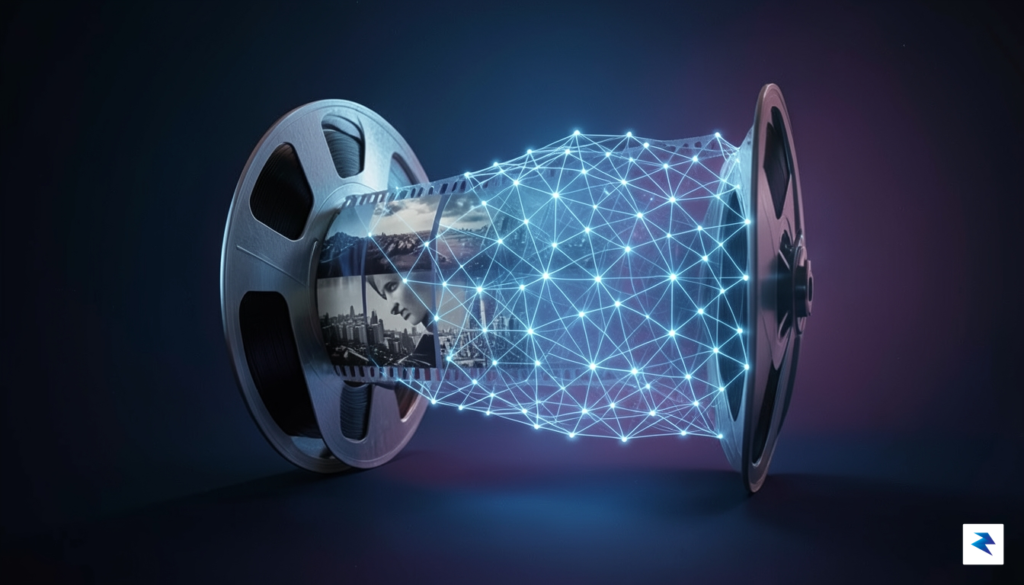
The primary concern among the studio’s dedicated fanbase is the looming threat of homogenization. Google, as an industry titan, is inherently driven by data collection, pattern recognition, and predictive modeling—the very antithesis of the “weird” and “risky” storytelling that defines A24’s catalog. There is a palpable fear that by integrating AI into the production process, the studio might inadvertently favor safe, statistically optimized plot beats over the chaotic, unpredictable choices that make a film like Everything Everywhere All At Once resonate so deeply. If the goal of an algorithm is to maximize engagement, it will naturally veer toward the familiar, potentially smoothing over the sharp, abrasive edges of unconventional narratives that have historically been the studio’s greatest strength.
The tension here lies in the philosophical chasm between ‘auteur theory’—the idea that a film is the singular expression of a director’s soul—and the cold, mathematical efficiency of generative AI.
This conflict forces us to confront a difficult question regarding the evolution of modern art: can a brand survive the transition from artisanal to automated? If A24 begins to rely on machine learning to streamline script development or aesthetic choices, it risks losing the “soul” that fans have spent years investing in. While technology has always been part of the filmmaking process, the introduction of AI-driven generation feels like a fundamental shift in the power dynamic between the storyteller and the tool. If the studio leans too heavily into the efficiency of Big Tech, it may find that it has traded its unique cultural currency for a faster, yet ultimately hollow, production pipeline. The real test will be whether A24 can maintain its reputation for human-driven storytelling while navigating the intrusive influence of a company whose primary product is the automation of human creativity itself.
Why Audiences Fear the Automation of Art
At its core, the backlash against A24’s collaboration with Google is not merely about a singular corporate partnership; it is a manifestation of a profound, existential dread regarding the sanctity of human expression. For decades, the film industry has been viewed as the final bastion of complex, messy, and deeply personal storytelling—a craft defined by the lived experiences, traumas, and joys of its creators. When a studio synonymous with auteur-driven cinema begins to integrate generative AI tools into its workflow, it signals a shift toward a future where the “human touch” is no longer a prerequisite for art, but rather an optional stylistic choice. This transition threatens to strip filmmaking of its soul, reducing the laborious, intentional process of creation to a series of algorithmic prompts and data-driven optimizations.
The fear of displacement is perhaps the most immediate and tangible concern for those working within the industry. Writers, editors, and production artists have spent years honing their craft, learning how to manipulate tone, pacing, and subtext in ways that resonate with the human condition. When tools are introduced that promise to “assist” or “streamline” these roles, the underlying implication is that the human practitioner is a bottleneck rather than the heartbeat of the project. If a machine can generate a script or suggest a cut in seconds, there is a legitimate worry that studios will prioritize efficiency and cost-cutting over the nuanced, often unpredictable brilliance that only a human mind can provide.
The true value of cinema lies not in the final product, but in the specific, unreplicable perspective of the artist who chose every frame, every silence, and every discordant note.
Furthermore, the ethical implications of how these AI models are trained remain a glaring point of contention. These systems do not conjure creativity from a vacuum; they are fed on the vast, collective archives of human history—including the very films that fans of studios like A24 hold dear. When an algorithm is trained on the work of countless directors, actors, and screenwriters without explicit consent or compensation, it creates a feedback loop that feels predatory. It transforms the labor of artists into raw material for a machine that may eventually compete with them, effectively using the history of cinema to accelerate its own obsolescence.
Ultimately, there is a fundamental emotional disconnect at play when audiences perceive art as “machine-made.” We consume stories because we are looking for a mirror to our own existence, seeking to connect with the singular consciousness of another human being who has grappled with the same questions of life, loss, and identity. When we suspect that a film has been synthesized by a model, that bridge of empathy collapses. If the medium loses its status as a vessel for human experience, it risks becoming nothing more than sophisticated content—a hollow echo of art that can mimic the form of emotion without ever having felt it.
Looking Ahead: Can Human Creativity Coexist with AI?
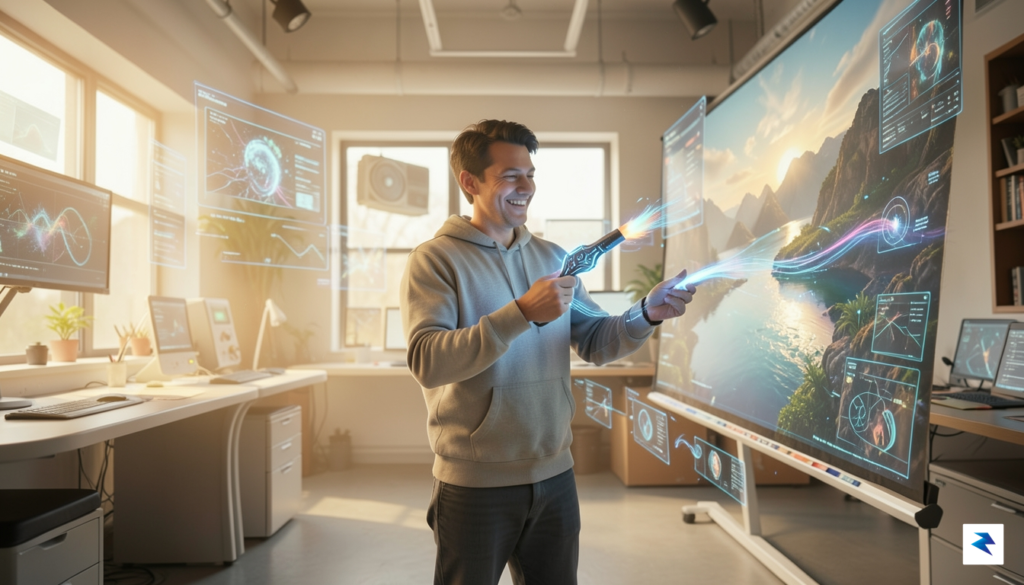
The anxiety surrounding the intersection of artificial intelligence and independent cinema is not merely a reactionary fear of technology; it is a profound existential question about the nature of the medium itself. If we view cinema as an act of human communication—a transfer of lived experience and emotional truth—then the prospect of algorithmic interference feels like a dilution of that core mandate. However, history suggests that the film industry is perpetually in flux, moving from the silent era to talkies, and from physical celluloid to digital sensors. The critical question today is whether AI will serve as a sophisticated paintbrush for the auteur or as a replacement for the artist entirely. By integrating these tools into post-production workflows, studios might find ways to streamline labor-intensive tasks like rotoscoping, color grading, or complex audio restoration, potentially freeing up budgets that could be reinvested into the human talent on screen.
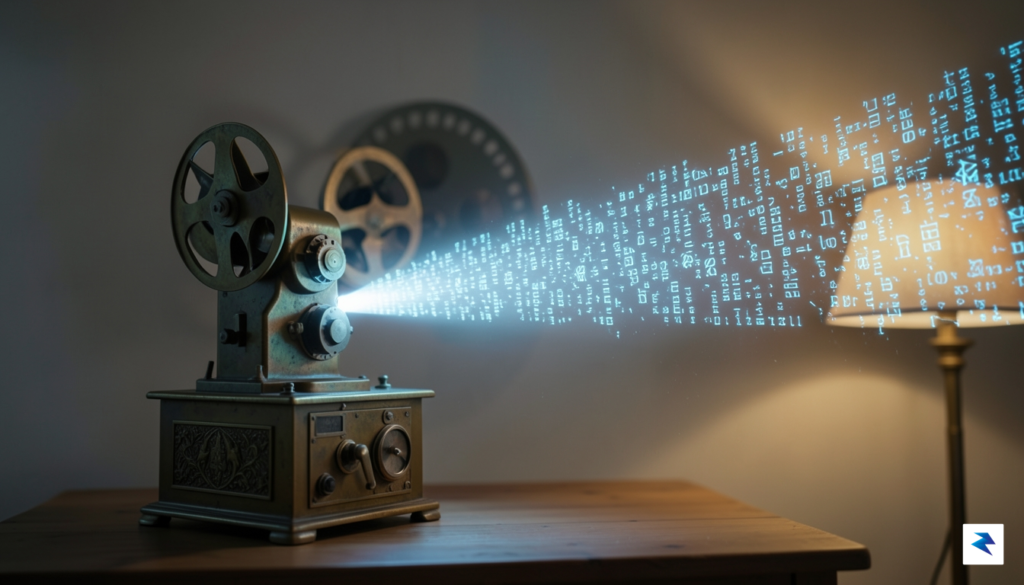
For this technological evolution to be viewed as a positive development, the industry must prioritize radical transparency and maintain ironclad human-led creative control. Audiences are increasingly sophisticated, and they can often sense when the “soul” of a story has been sanded down by automation or predictive data models. The future of independent cinema relies on the ability of studios to treat AI as a subordinate tool rather than a generative architect. When a director uses AI to expand the visual scope of a low-budget project, the integrity of the film remains intact so long as the underlying vision, screenplay, and emotional stakes are rooted in genuine human experience. Transparency becomes the ethical bedrock here: if audiences know where machines helped and where humans bled, they are far more likely to engage with the art on its own terms.
The true value of cinema lies not in the perfection of its execution, but in the specific, messy, and undeniable humanity of its perspective.
Ultimately, the long-term health of our creative culture depends on a delicate balancing act between industrial efficiency and artistic integrity. If studios view AI solely as a cost-cutting measure to maximize quarterly returns, they risk alienating the very audience that champions the “indie spirit” A24 has spent years cultivating. Conversely, if these companies choose to support a new generation of filmmakers who use these tools to push the boundaries of what is visually and narratively possible, we might enter a new golden age of experimental storytelling. The goal should be to empower the visionary, not to automate the imagination. As we move forward, the most successful films will likely be those that leverage machine precision to elevate, rather than erase, the human signature that makes cinema a vital reflection of our world.