The Strategic Implications of the Adobe-Topaz Labs Merger
The recent acquisition of Topaz Labs by Adobe marks a significant inflection point in the creative software industry, signaling a decisive shift towards deeper, more integrated artificial intelligence within professional-grade tools. This strategic move is more than just a corporate takeover; it represents Adobe’s assertive stance in a rapidly evolving landscape, particularly as AI-powered solutions become increasingly central to image and video enhancement workflows. Topaz Labs has long been lauded for its specialized AI applications, such as Gigapixel AI for upscaling, DeNoise AI for noise reduction, and Sharpen AI for detail recovery, which have consistently pushed the boundaries of what automated tools can achieve in photo and video post-production. By bringing these cutting-edge capabilities into its fold, Adobe is poised to redefine the capabilities and expectations within its Creative Cloud ecosystem.
Indeed, this acquisition signifies a major consolidation within the burgeoning AI enhancement market. For years, specialized startups like Topaz Labs carved out substantial niches by developing highly focused AI models that often outperformed the general-purpose features offered by larger creative suites. Their tools became indispensable for photographers and videographers seeking to rescue challenging shots or achieve a level of clarity and detail previously unattainable. Adobe’s move effectively absorbs a leading innovator in this space, bringing a suite of best-in-class AI algorithms under one roof. This action suggests a future where standalone AI tools may become less prevalent as comprehensive platforms integrate these powerful features directly, streamlining workflows and offering a more cohesive user experience.
Crucially, this strategy also serves as a robust defense against the increasing competitive pressure from agile AI startups. While Adobe has been investing heavily in its own AI initiatives, known as Adobe Sensei, the rapid pace of innovation by specialized companies like Topaz Labs presented a continuous challenge. These smaller players could often develop and refine AI models for specific tasks with greater speed and precision, sometimes even surpassing Adobe’s native offerings in particular areas. By acquiring Topaz Labs, Adobe isn’t merely enhancing its technology stack; it’s strategically neutralizing a significant competitor and integrating its innovation directly, thereby preventing user migration to third-party solutions for critical enhancement needs. This pre-emptive maneuver reinforces Adobe’s commitment to maintaining its market leadership and ensuring its users have access to the most advanced tools without looking elsewhere.
Ultimately, this acquisition powerfully reinforces the Creative Cloud ecosystem as the undisputed ‘one-stop-shop’ for professional creatives. Historically, many professionals have relied on a combination of Adobe applications alongside various third-party plugins and standalone tools to achieve optimal results. The integration of Topaz Labs’ acclaimed AI technologies into Photoshop, Lightroom, Premiere Pro, and After Effects will significantly streamline these complex workflows, reducing the need to export files, switch applications, and manage multiple licenses. This deeper integration enhances the overall value proposition of a Creative Cloud subscription, making it even more indispensable for anyone serious about creative work. It solidifies Adobe’s position not just as a software provider, but as the comprehensive platform where every creative need, including the most advanced AI enhancements, can be met seamlessly.
The ramifications for Adobe’s market dominance are substantial. This bold move demonstrates Adobe’s willingness to acquire external innovation to complement its internal R&D, ensuring it remains at the forefront of technological advancement in the creative space. It sends a clear message to both competitors and users: Adobe is committed to providing the most powerful and integrated tools available. By consolidating top-tier AI capabilities, Adobe is not only enhancing its product offerings but also deepening its hold on the creative market, making it increasingly difficult for rival platforms to compete on breadth, depth, and the sheer convenience of a fully integrated, AI-powered workflow. This acquisition is a testament to Adobe’s strategic vision for cementing its leadership in the age of artificial intelligence.
What Topaz Labs Brings to the Creative Cloud Ecosystem
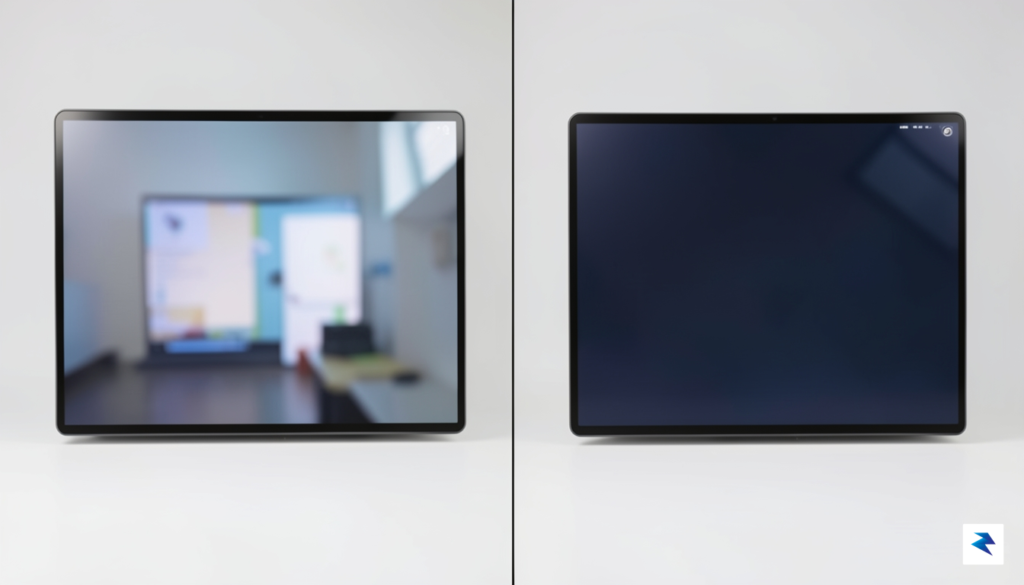
Topaz Labs has long been the gold standard for computational photography, particularly in its ability to salvage images that were previously considered unusable. Their core suite—DeNoise AI, Sharpen AI, and Gigapixel AI—utilizes sophisticated machine learning models to identify and reconstruct image data at the pixel level. DeNoise AI excels at eliminating high-ISO grain without sacrificing fine texture, while Sharpen AI corrects motion blur and focus errors with remarkable precision. Perhaps most impressive is Gigapixel AI, which uses deep learning to upscale low-resolution files into high-fidelity, large-format assets, effectively creating detail where none existed before. By bringing these technologies under the Adobe umbrella, creators gain access to a powerful “reconstruction engine” that can turn technically flawed shots into pristine, print-ready masterpieces.
The potential for integration into the Creative Cloud ecosystem is nothing short of revolutionary, moving the industry away from cumbersome, round-trip plugin workflows. Currently, photographers and videographers often have to export their raw files to standalone Topaz applications, process them, and re-import them into Lightroom or Premiere Pro, creating significant friction in the creative process. If these tools were to become native features, users could apply intelligent de-noising or upscaling directly within the Adobe interface, treated as non-destructive adjustments similar to exposure or contrast sliders. This “under-the-hood” approach would allow for real-time previewing of AI enhancements, enabling editors to make granular adjustments while maintaining the integrity of their original source files.
Integrating Topaz Labs’ reconstruction engine directly into the Adobe core represents a fundamental shift from reactive editing to proactive image restoration.
For video professionals working within Premiere Pro and After Effects, the implications are equally transformative. Video upscaling and noise reduction are historically resource-intensive tasks that require long render times and complex masking. By baking Topaz’s video-specific AI models into the Adobe Mercury Playback Engine, editors could potentially stabilize footage, remove sensor noise, and upscale 1080p content to 4K without leaving their timeline. This seamless workflow not only saves hours of processing time but also empowers creators to work with lower-bitrate or archival footage that was once restricted by its technical limitations. Ultimately, this acquisition signifies that Adobe is prioritizing the intelligent recovery of data, ensuring that the creative vision is never constrained by the quality of the initial capture.
How AI-Powered Enhancement Will Change Digital Workflows
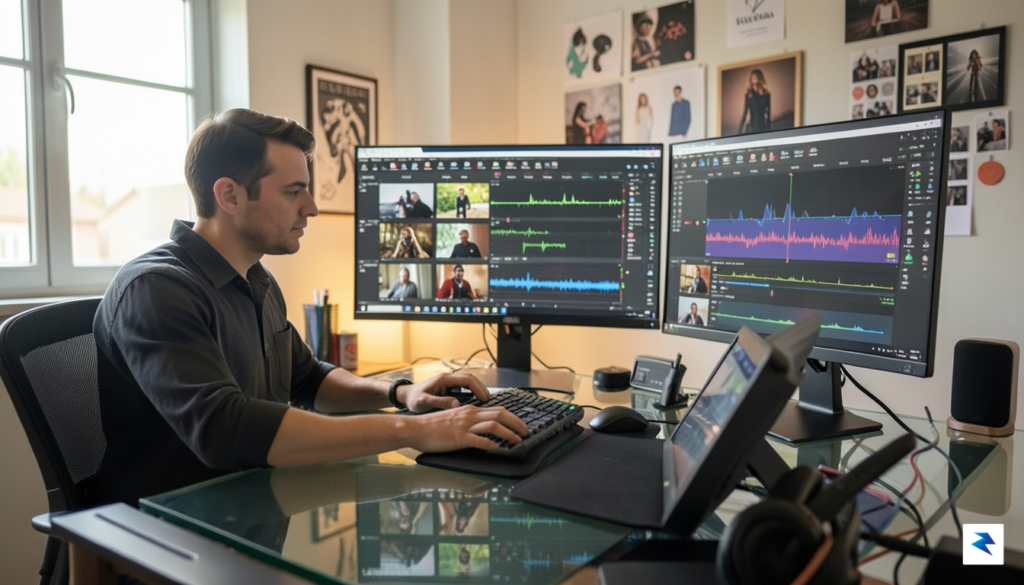
For the working creative, the integration of Topaz Labs’ sophisticated neural networks into the Adobe ecosystem represents far more than a mere software update; it is a fundamental shift in how we approach the limitations of our source material. Historically, footage captured in low-light environments, or older archival media suffering from sensor noise and compression artifacts, often ended up on the cutting room floor. With the implementation of AI-driven enhancement, these once-unusable clips become valuable assets. Instead of discarding compromised shots, videographers can now leverage intelligent sharpening and noise reduction algorithms to breathe new life into grainy footage, effectively salvaging projects that would have otherwise required expensive reshoots or been abandoned entirely.
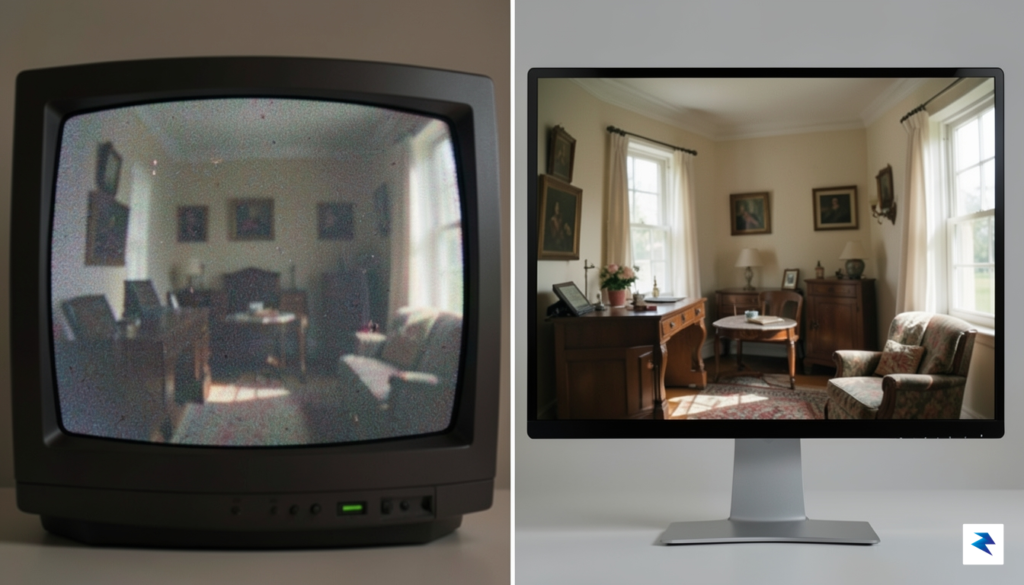
The transition toward AI-powered upscaling is particularly transformative for filmmakers tasked with delivering high-end content from legacy sources. As industry standards push toward 4K and 8K deliverables, the pressure to maintain quality while working with older high-definition or even standard-definition footage has become a significant technical hurdle. Topaz Labs’ proprietary models excel at reconstructing fine details—such as skin textures, fabric patterns, and architectural edges—that traditional interpolation methods simply blurred or distorted. By automating the upscaling process, creatives can now seamlessly intercut archival footage with modern, high-resolution cinematography, ensuring a polished, professional aesthetic that maintains visual consistency across an entire project.
The true value of this acquisition lies in the reclamation of time; when the software handles the heavy lifting of pixel reconstruction, the artist is freed to focus on the narrative arc rather than the technical struggle of restoration.
Perhaps the most immediate benefit for daily workflows is the drastic reduction in time spent on manual artifact removal. In the past, cleaning up digital noise, compression blocking, or interlacing issues required frame-by-frame masking or tedious third-party plugin adjustments that often slowed rendering times to a crawl. By embedding these automated cleanup tools directly into the Adobe pipeline, professionals can bypass hours of manual labor. These algorithms are capable of distinguishing between intentional film grain and unwanted digital interference, allowing for a clean, natural look that preserves the integrity of the original footage. Ultimately, this consolidation of power within the Creative Cloud suite means that the path from raw, imperfect capture to pristine final output is shorter, more efficient, and significantly more accessible to creators at every skill level.
Navigating the Future of Professional Image and Video Editing
The integration of Topaz Labs into the Adobe ecosystem marks a significant pivot in how professional creatives approach high-fidelity post-production. For power users who have long relied on the specialized, surgical precision of Topaz’s sharpening and upscaling algorithms, this transition sparks valid concerns regarding the future of standalone utility. Many professionals fear that as these niche tools are folded into the broader Creative Cloud subscription model, the nuanced control currently offered by dedicated software might be sidelined in favor of automated, “one-click” AI features designed for the mass market. Furthermore, the shift toward a unified ecosystem raises questions about whether the cost-efficiency of owning a perpetual-license tool will be replaced by the inevitable recurring overhead of an all-access subscription, potentially pricing out independent photographers and boutique studios who operate on leaner margins.
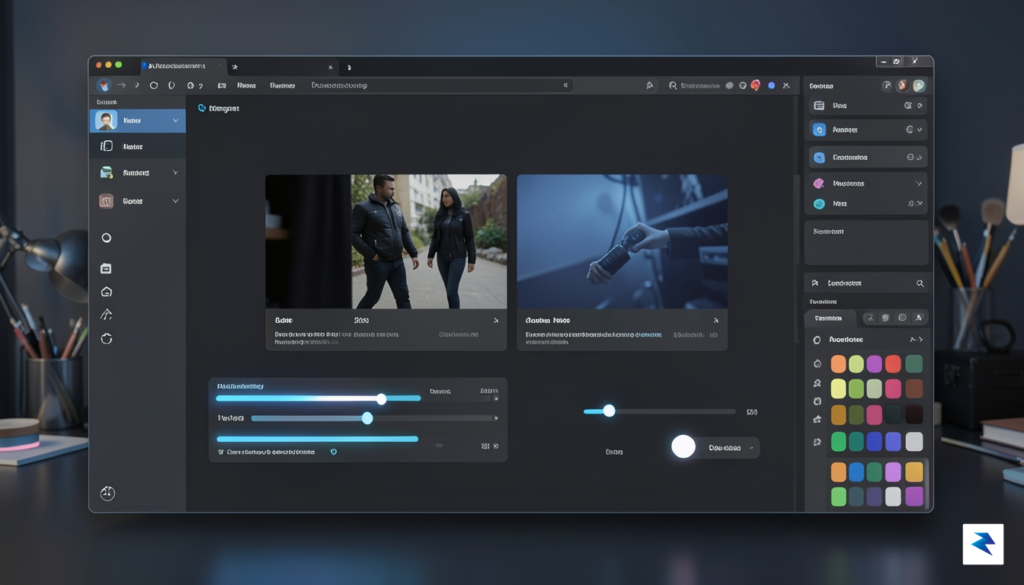
Beyond the logistical concerns, this acquisition brings the ethical implications of AI-driven enhancement to the forefront of the industry. As tools like Gigapixel and DeNoise become natively embedded within industry-standard software, the line between authentic photographic restoration and generative fabrication becomes increasingly porous. Critics and purists alike worry that the ease of “fixing” motion blur or recovering detail from low-light shots may lead to a culture of reliance on software to compensate for poor field technique, ultimately reshaping what we consider to be a “professional” output. Establishing a clear standard for transparency in edited media will be paramount as these powerful enhancement engines become ubiquitous across the Adobe suite, ensuring that the integrity of visual storytelling remains intact despite the rising capabilities of machine learning.
The true challenge for Adobe lies in balancing the democratization of complex enhancement technologies with the sophisticated, granular control that professional workflows demand.
Looking ahead, this strategic move fundamentally alters the competitive landscape for both independent software developers and creative professionals. While Adobe is clearly positioning itself to dominate the AI-augmented content creation market, the consolidation of these tools may inadvertently create a vacuum in the developer space, opening doors for nimble startups to build interoperable, plugin-based solutions that cater to those who prefer a modular, non-subscription workflow. For the average user, the future looks like a more seamless, integrated experience where the heavy lifting of technical refinement is handled by background AI, allowing creators to focus more on the narrative and artistic intent of their work. However, the long-term success of this acquisition will ultimately depend on whether Adobe chooses to maintain the specialized depth that made Topaz Labs a industry favorite or if they opt for a simplified, homogenized user experience that prioritizes speed over technical precision.