The Dawn of the BioVault: Preservation Beyond Conservation

The natural world is currently facing a silent, rapid erosion of biological complexity that traditional conservation methods are increasingly ill-equipped to combat. As extinction rates climb to levels not seen since the last mass extinction event, the fragile tapestry of Earth’s biodiversity is fraying at an alarming speed. Traditional strategies—such as habitat restoration, anti-poaching initiatives, and captive breeding programs—remain vital, yet they are often reactive and struggle to maintain pace with the relentless pressures of climate change and human encroachment. Recognizing that time is a luxury our planet can no longer afford, a groundbreaking partnership has emerged between Colossal Biosciences and the United States government, signaling a seismic shift in how we approach the existential threat of species loss.
At the heart of this initiative is the concept of a “BioVault,” a strategic genetic reserve that functions as a permanent safeguard for the fundamental code of life. Unlike historical efforts that relied on static museum collections or fossil records, the BioVault is a dynamic, high-tech repository designed to store the complete genomic sequences and biological data of endangered species. By capturing the molecular essence of animals teetering on the brink of disappearance, scientists are essentially building a biological insurance policy. This project transcends mere record-keeping; it creates a restorative foundation that could eventually allow future generations to revive or bolster populations that might otherwise be lost to the abyss of total extinction.
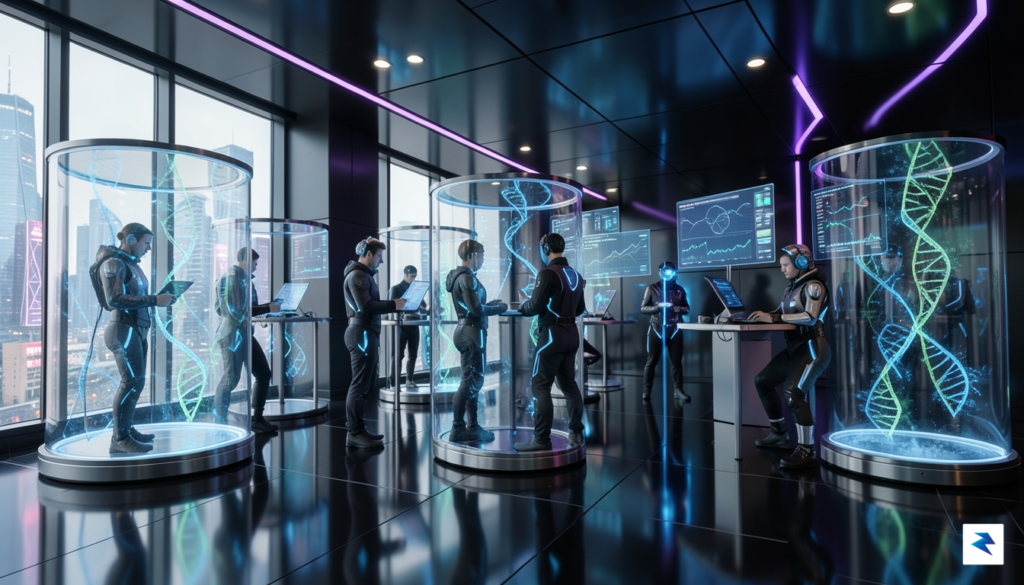
This partnership between private sector innovation and federal oversight represents a radical evolution of the conservation toolkit. Colossal Biosciences, known for its ambitious efforts in de-extinction, brings the necessary expertise in synthetic biology and genomic editing to translate raw data into actionable life-science breakthroughs. When coupled with the vast resources and regulatory stability of the US government, the BioVault shifts from a speculative experiment to a robust, institutionalized pillar of global environmental policy. The implications are profound: instead of mourning the loss of a species, we are moving toward a future where we possess the technological infrastructure to intervene at the most fundamental level of existence.
The BioVault is not merely a library of the past; it is a vital contingency plan for the future, ensuring that the genetic blueprint of the natural world remains accessible even if the physical environment continues to decline.
Ultimately, this approach acknowledges a difficult truth: that we are living through an era of unprecedented biological loss that requires more than just conservation—it requires active, technological preservation. By archiving the unique genetic identities of our planet’s most vulnerable creatures, the BioVault serves as a bridge between the current crisis and a future where biotechnology might possess the power to mend what has been broken. While it cannot replace the wild, living habitats that these species call home, it guarantees that their story does not end with their final breath, providing humanity with a persistent, immutable record of Earth’s once-vibrant biological heritage.
How Synthetic Biology Challenges Traditional Wildlife Protections
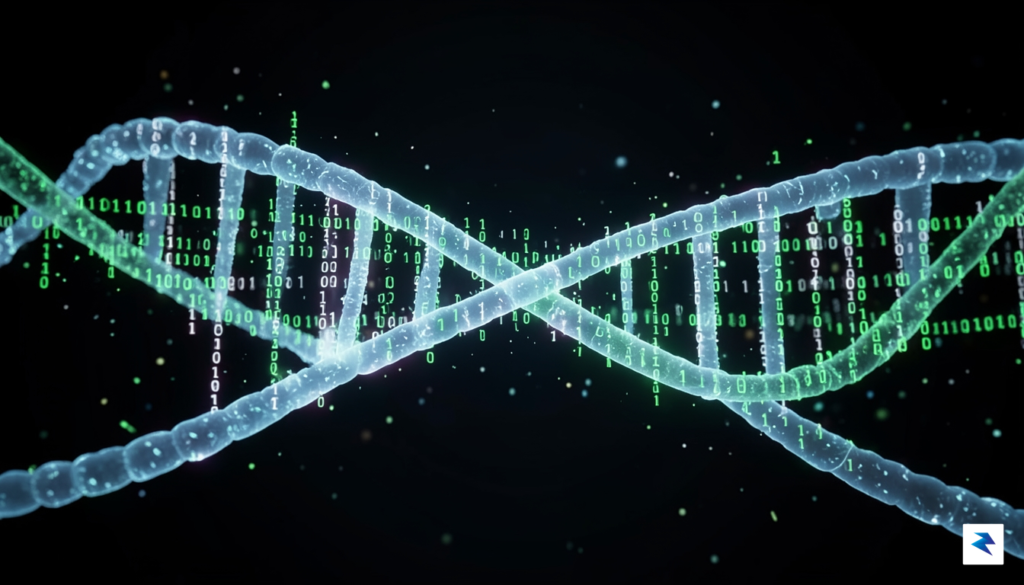
For decades, the standard model of wildlife conservation has been tethered to the physical world: protecting vast tracts of wilderness, managing populations, and mitigating the immediate threats of poaching or habitat encroachment. However, the rise of synthetic biology is fundamentally shifting this paradigm from the preservation of individual organisms to the safeguarding of the genetic blueprints that define them. By converting complex biological life into digital sequences and stable cell lines, scientists are building a “BioVault” that treats biodiversity as a form of high-stakes data. This transition suggests a future where, even if a species vanishes from the wild, its fundamental instruction set remains accessible, archived like a master copy of a fragile software program.
The mechanics of this process are as intricate as they are ambitious. Researchers are currently utilizing advanced cryopreservation techniques to store somatic cells, which can be reprogrammed into induced pluripotent stem cells. These cells act as a biological foundation, holding the potential to be coaxed into various tissue types or, theoretically, to serve as the starting point for somatic cell nuclear transfer—the same technology used to create Dolly the sheep. Meanwhile, high-fidelity DNA sequencing allows us to map the entire genome of a creature, turning the ephemeral nature of life into a permanent digital ledger. By digitizing these sequences, scientists can analyze genetic diversity with unprecedented precision, identifying the precise traits that allow a species to resist disease or adapt to changing climates.
The promise of the BioVault is not merely to create a museum of frozen cells, but to maintain the potential for life to re-emerge when the world is ready to receive it again.
Despite these technological marvels, we must confront the sobering reality that a stored genome is not an ecosystem. Cloning and genomic resurrection remain in their infancy, fraught with high failure rates and profound ethical dilemmas regarding the welfare of surrogate animals. Moreover, there is a dangerous “backup copy” philosophy gaining traction: the belief that if we store the genetic data, we have effectively mitigated the risk of extinction. This perspective risks diverting critical resources away from the messy, difficult work of habitat restoration. A sequence of base pairs cannot recreate the learned behaviors of a herd, the intricate social structures of a pod, or the ecological niche a predator fills within a food web. Even with the most perfect genetic reconstruction, an animal born into a sterile laboratory or a degraded environment may lack the fundamental tools required to survive in the wild, rendering it a biological relic rather than a functional participant in the circle of life.
The Technical Architecture of Genetic Archiving
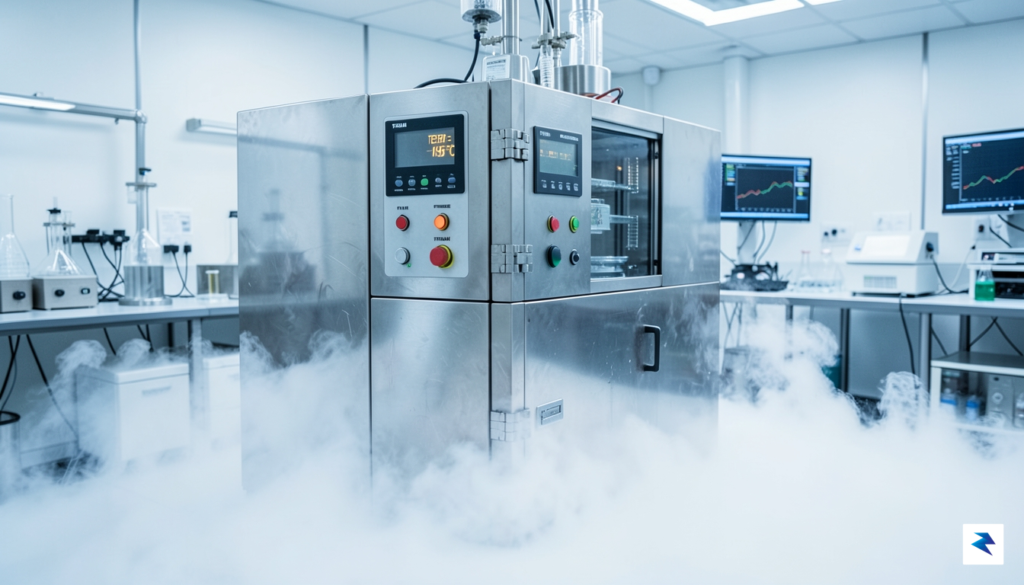
Preserving the blueprint of life for future generations is an exercise in extreme engineering, necessitating a level of scientific rigor that transcends traditional laboratory practices. The process begins with the meticulous collection of high-quality tissue samples, which must be harvested under sterile conditions to prevent contamination. Once obtained, these samples are transformed into stable cell lines through advanced reprogramming techniques, effectively creating a “living” library. These cells are then transitioned into a state of suspended animation, a feat achieved through sophisticated cryopreservation protocols that prevent the formation of ice crystals—a process that would otherwise shatter the delicate cellular membranes and destroy the genetic material within.
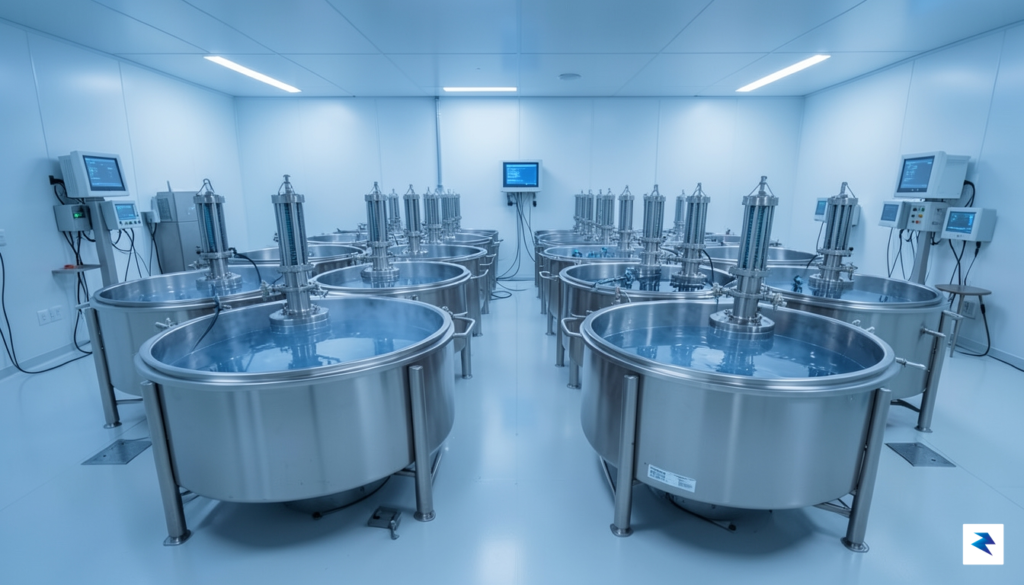
The core of the BioVault relies on ultra-low-temperature environments, specifically liquid nitrogen vapor systems maintained at temperatures reaching -196 degrees Celsius. However, cryogenics alone is insufficient; the infrastructure must be resilient against the inevitable entropy of time. This requires redundant power grids, automated monitoring sensors, and fail-safe cooling mechanisms that ensure the integrity of the samples remains uncompromised, even in the event of a catastrophic regional power failure. Furthermore, the physical storage units are designed with seismic stability and geographic isolation in mind, shielding the biological assets from environmental shifts, radiation, or human interference that could threaten their longevity over the coming centuries.
The true challenge of the BioVault is not merely the storage of biological matter, but the preservation of the digital information that makes that matter functional.
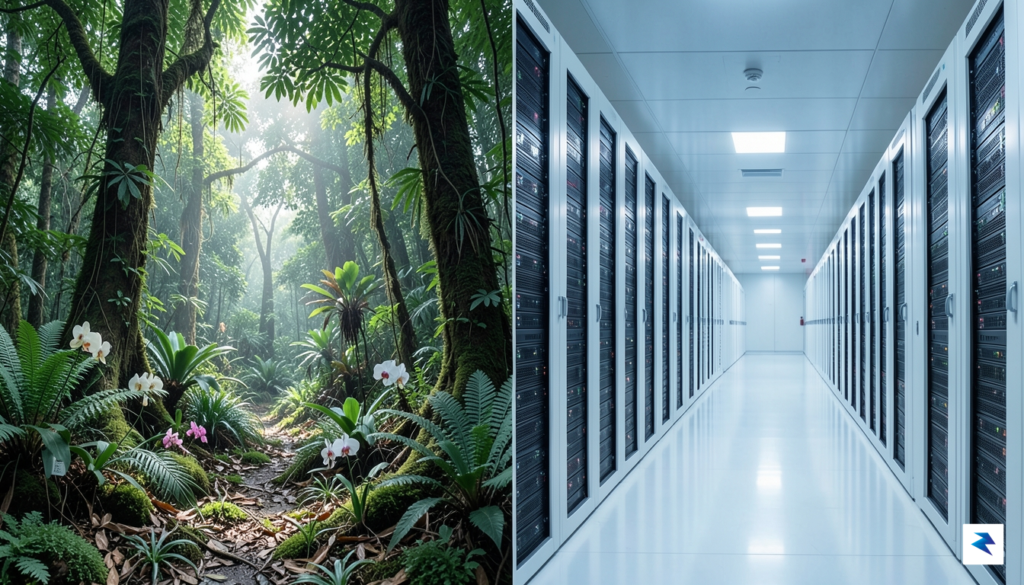
Complementing the physical repository is a robust data infrastructure designed to house the massive genomic datasets associated with every archived species. Genomic sequencing produces vast amounts of complex data, which must be indexed, error-corrected, and stored in formats that remain readable despite the rapid evolution of computing technology. To mitigate the risk of data degradation, the team employs a strategy of “digital redundancy,” where information is mirrored across multiple secure servers and encrypted using protocols that are expected to withstand the rise of quantum computing. By bridging the gap between physical cell lines and digital sequence data, the BioVault functions as a dual-layer backup system, ensuring that even if a physical sample were to degrade, the genetic instructions remain accessible for potential synthetic reconstruction in the distant future.
Navigating the Ethical Landscape of De-extinction and Storage
The emergence of a genetic “BioVault” inevitably triggers a profound philosophical discomfort, often articulated as the fear that humanity is attempting to “play God.” While the ability to preserve the building blocks of life is a scientific marvel, it introduces a dangerous moral hazard: the “backup” mentality. If society begins to view species as files that can be stored, archived, and re-booted at will, the perceived urgency of protecting living, breathing ecosystems may begin to erode. There is a palpable concern that a technological safety net could inadvertently provide a convenient excuse for policymakers and corporations to bypass the grueling, expensive work of environmental protection. When we prioritize the storage of genetic code over the preservation of the landscape that once sustained it, we risk treating the natural world as a disposable commodity that can be indefinitely paused and restarted.
Beyond the philosophical implications, there is the immediate, pragmatic concern regarding the allocation of finite conservation resources. Critics of the de-extinction movement argue that every dollar spent on synthesizing dormant genetic material is a dollar diverted from the frontline defense of currently endangered species. Conservationists on the ground—those working to mitigate poaching, restore wetlands, and manage human-wildlife conflict—often struggle for consistent funding. If the allure of high-tech resurrection captures the public’s imagination and the attention of major philanthropic donors, we may see a systemic shift where “glamorous” scientific breakthroughs are prioritized over the unglamorous, yet vital, maintenance of biodiversity in the wild. This diversion of capital threatens to leave vulnerable species to perish while we focus our efforts on the ghosts of those already lost.
The true risk of the BioVault lies not in the technology itself, but in the potential for it to become a substitute for, rather than a supplement to, the conservation of living habitats.
Furthermore, the responsibility of private entities like Colossal in managing our collective biological heritage cannot be overstated. Unlike public institutions or international governing bodies, private firms operate under different mandates and timelines. When a company holds the genetic keys to the restoration of an extinct species, questions of intellectual property, access, and long-term stewardship become critical. Who ultimately owns the right to “revive” a species, and what ethical obligations does that company have to the public interest? If private interests are left to oversee the storage of Earth’s genetic legacy, we must ensure that these efforts are transparent, accountable, and permanently insulated from the volatility of market pressures. Balancing the potential for scientific advancement with the moral duty to protect our planet’s existing life forms requires a robust ethical framework that values the living ecosystem as much as the data stored within the vault.
Policy Tensions: The Intersection of Biotechnology and Federal Law

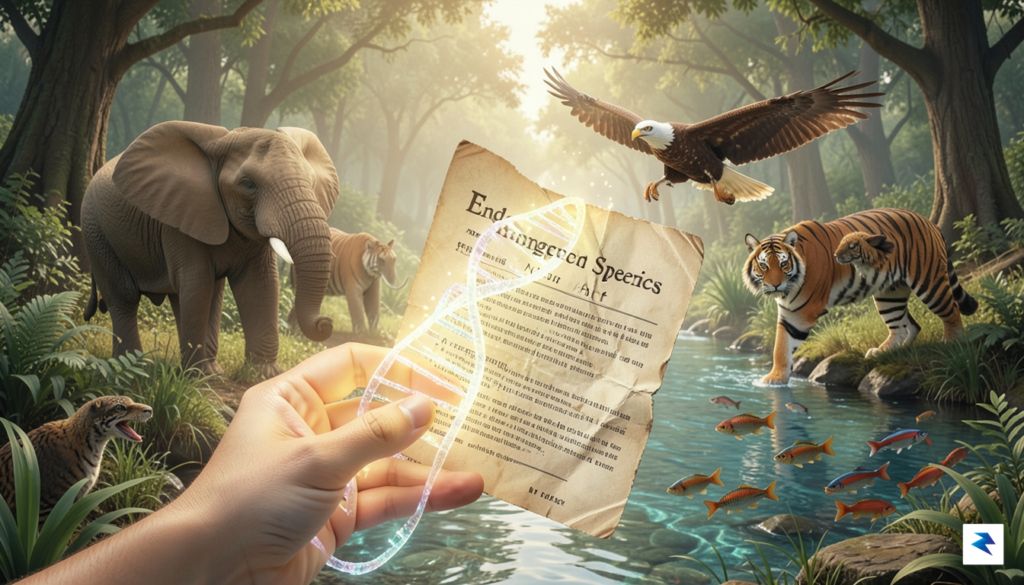
The ambitious collaboration between biotech pioneers like Colossal and various branches of the US government emerges at an exceptionally delicate juncture for environmental policy. For decades, the Endangered Species Act (ESA), enacted in 1973, has served as a global benchmark for wildlife protection, credited with preventing the extinction of hundreds of species, from the bald eagle to the grizzly bear. It provides a robust legal framework that mandates federal agencies to conserve listed species and their habitats, offering a powerful tool for safeguarding biodiversity. However, this landmark legislation currently finds itself under unprecedented pressure, facing ongoing legislative challenges and administrative efforts that threaten to dilute its protective teeth, potentially reducing habitat safeguards and streamlining delisting processes.
This weakening of federal oversight creates a complex landscape for conservation, making the role of private enterprise in wildlife management increasingly controversial yet seemingly indispensable. As the political tides shift towards deregulation and a diminished federal footprint in environmental protection, government agencies, perhaps out of necessity or a lack of alternative resources, may find themselves more open to partnering with private ventures. While such collaborations can inject much-needed innovation, funding, and advanced technological capabilities into conservation efforts, they also raise critical questions about accountability, long-term commitment, and the potential for public policy to be dictated by private interests rather than ecological necessity or broad societal consensus. The very agencies tasked with upholding the ESA might now be looking to the private sector to fill gaps created by their own potentially diminishing regulatory power.
While the innovation offered by private biotech firms like Colossal is undeniably exciting, relying solely on such ventures to pick up the slack from diminishing public protections presents considerable risks. Private companies operate with a primary, albeit not exclusive, mandate of profitability and investor returns, which can sometimes diverge from the long-term, non-profit-driven goals of pure conservation. This raises concerns about which species receive attention (perhaps those with higher public appeal or scientific novelty), the accessibility of these technologies, and the ultimate beneficiaries of such endeavors. Furthermore, there’s a danger in fostering a “techno-fix” mentality, where the promise of de-extinction or genetic rescue might inadvertently lessen the urgency for robust habitat preservation and climate action, creating a moral hazard where we rely on future technology to solve problems we are creating today through policy failures.
Ultimately, the partnership between groundbreaking private science and government bodies signals a critical juncture for biodiversity conservation. It forces a national conversation about the appropriate balance between technological intervention and foundational legal protections. Can cutting-edge biotechnology truly secure the future of endangered species if the very legal frameworks designed to protect them are systematically eroded? The success of initiatives like the BioVault will hinge not just on scientific prowess, but also on the continued strength and integrity of environmental law, ensuring that private innovation complements, rather than supplants, the public good.
The Future of Biodiversity in a Post-Natural World
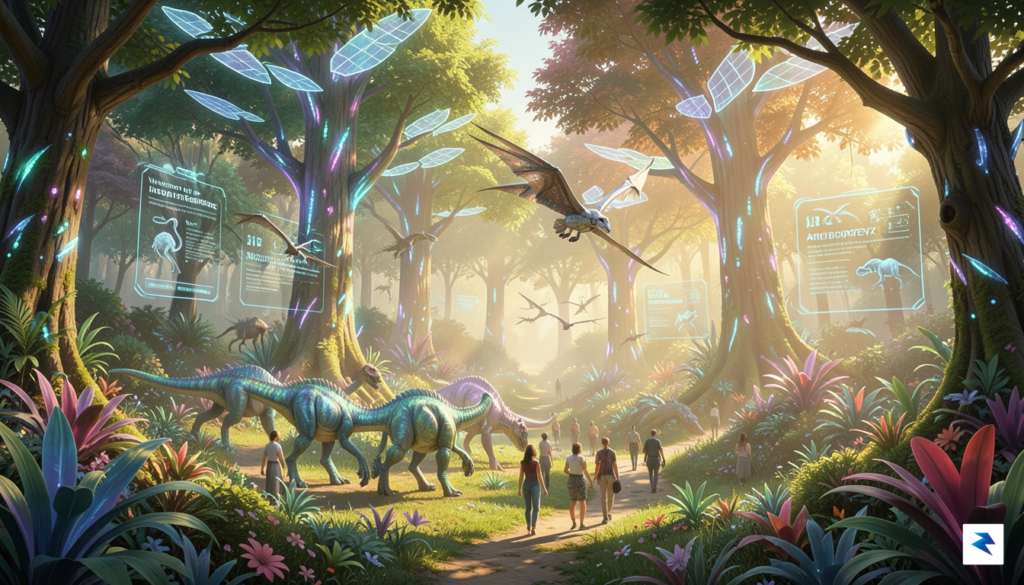
The establishment of a genetic BioVault represents a profound inflection point in our relationship with the natural world, acting as a bridge between the era of passive observation and the age of active genetic stewardship. We are transitioning into a reality where the survival of a species may no longer be solely dependent on the availability of its native habitat, but rather on the digital and biological information we choose to preserve. This shift presents an uncertain horizon: the BioVault could function as a silent tomb for species we failed to protect, or it could serve as a living foundation for future ecological restoration. The ultimate outcome hinges not on the sophistication of our sequencing machines or the scale of our cryopreservation efforts, but on our ability to integrate these high-tech interventions into a broader, more holistic philosophy of environmental care.
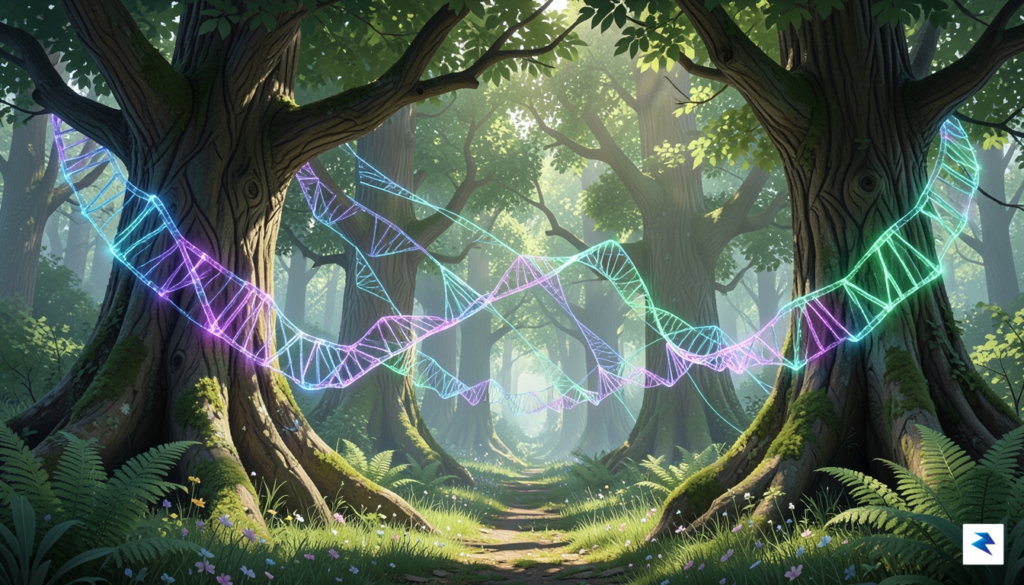
To ensure that this technology serves as a tool for revival rather than a permit for negligence, we must adopt a balanced approach that views synthetic biology as a complement to, not a replacement for, traditional habitat conservation. Protecting the wild spaces that remain is a prerequisite for any future rewilding project; after all, a genetically resurrected species would have no place to thrive if its original ecosystem has been irreparably dismantled. By prioritizing the protection of biodiversity hotspots alongside our investment in genetic vaults, we create a safety net that accounts for both the resilience of existing populations and the potential recovery of those currently on the brink. This synergy between preservation and innovation ensures that we are not merely archiving the past, but actively maintaining the ecological infrastructure necessary for all life to persist.
The true measure of our success will not be the volume of data stored in a vault, but the health and connectivity of the ecosystems that persist outside of it.
Ultimately, the legacy of our generation will be defined by how we navigate this technological frontier. We are currently the stewards of a planetary library, deciding which stories are worth keeping and how we might rewrite the ones that have been cut short by human influence. As we move forward, we must remain vigilant, ensuring that our fascination with synthetic solutions does not distract from the urgent need to stabilize our climate and curb habitat loss. If we succeed in balancing our newfound prowess with a deep, unwavering commitment to the living world, the BioVault will stand as a testament to human ingenuity—a beacon of hope that proves we are capable of learning from our mistakes and taking responsibility for the intricate tapestry of life we share this planet with.