Apple Raises Prices: What You Need to Know Before Your Next Upgrade
Understanding Apple's New Pricing Strategy The recent adjustments across Apple’s hardware ecosystem represent more than just a routine…
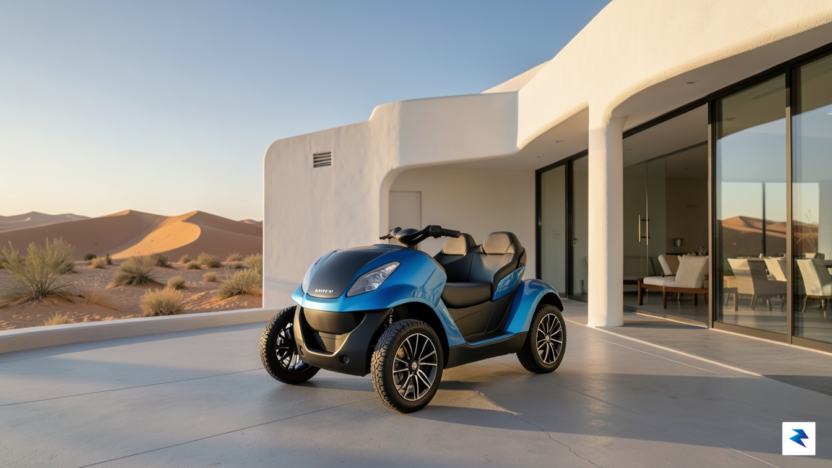
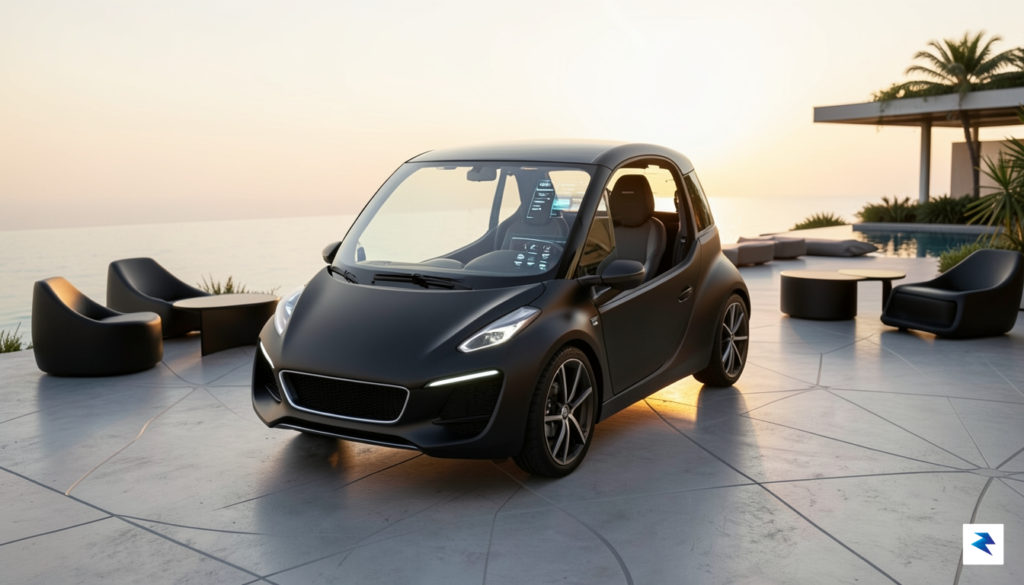
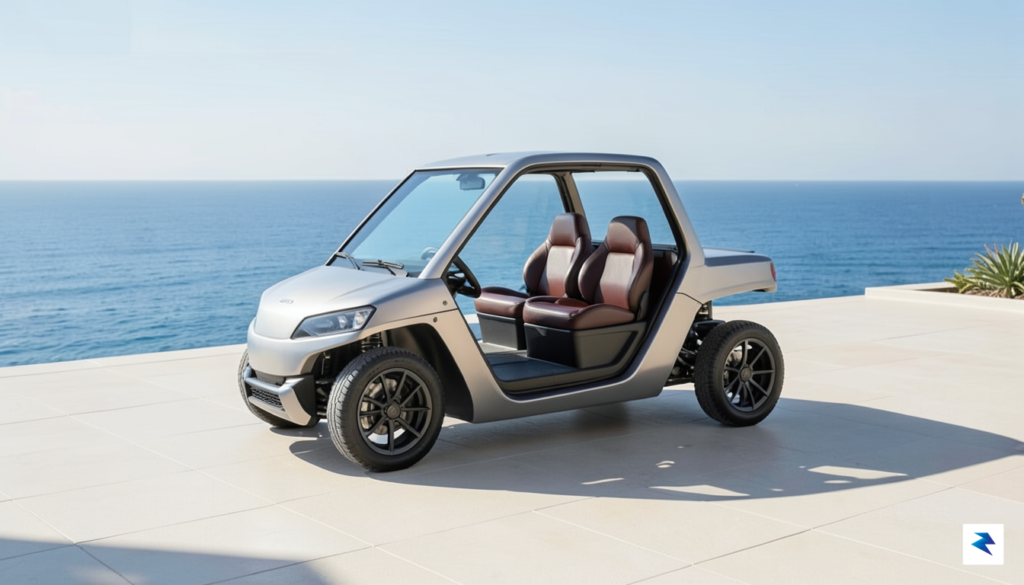
The Amble One emerges not merely as a new entrant in the low-speed electric vehicle market, but as a deliberate reimagining of what a functional transport tool can become when stripped of traditional automotive clutter. Born from the collaborative expertise of engineers who spent their formative years navigating the rigorous design standards of Apple and Audi, the vehicle represents a convergence of Silicon Valley minimalism and German precision engineering. These founders recognized that the hospitality sector had long been underserved by clunky, plastic-heavy golf carts that lacked both structural integrity and aesthetic sophistication. By applying a “less is more” philosophy to the utility segment, they have successfully pivoted away from the disposable nature of current resort transport, opting instead for a machine that prioritizes longevity and intentional form.
At the heart of the Amble One’s visual identity is a bold, structural language heavily inspired by the iconic NASA lunar rovers of the Apollo era. Much like those machines, which were built to operate in the harshest environments with maximum efficiency and minimal mass, the Amble One embraces an exposed, open-frame chassis that celebrates its own mechanical architecture. This lunar-inspired design choice is far from a mere stylistic affectation; it serves a functional purpose by reducing weight while maximizing visibility and structural rigidity. The result is a vehicle that feels both rugged and refined, bridging the gap between an industrial workhorse and a piece of high-end, contemporary furniture.
“We didn’t set out to build a faster golf cart; we set out to build a better way to move through a landscape, inspired by the pure, mission-driven utility of the machines that explored the moon.”
This shift in design philosophy challenges the industry’s long-standing reliance on bloated, oversized body panels that often hide mediocre craftsmanship. By exposing the bones of the vehicle, the designers have forced themselves to ensure that every bolt, weld, and connection is worthy of being seen. This level of transparency is a hallmark of the Apple-influenced design pedigree, where the internal components are given as much aesthetic consideration as the exterior finish. Ultimately, the Amble One signals a broader transformation in how we view utility vehicles: as objects that should enhance, rather than obstruct, the luxury environments in which they operate. It is a masterclass in stripping away the unnecessary to arrive at a solution that feels both futuristic and fundamentally essential.
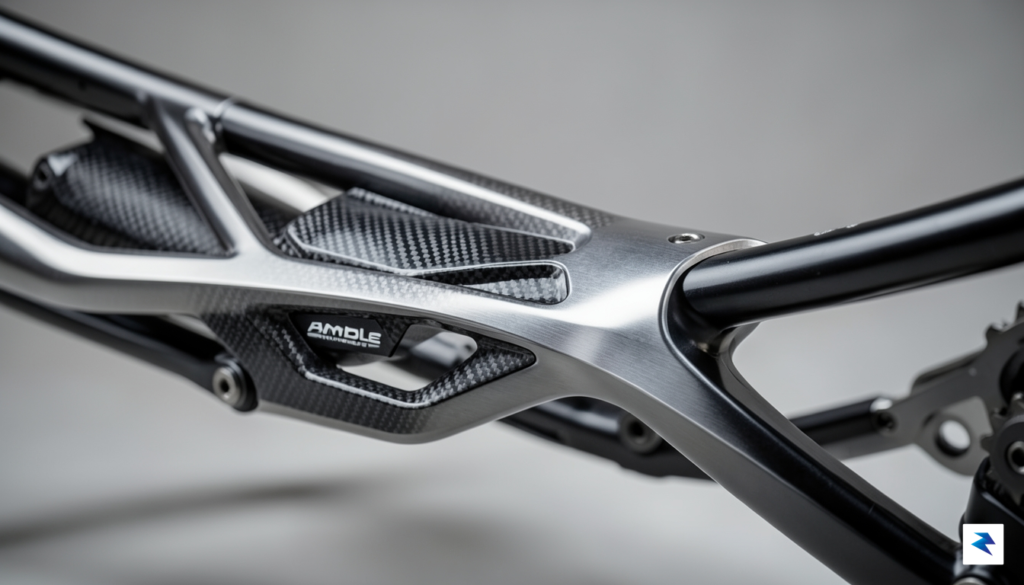
Achieving the visual language of a high-end sanctuary while maintaining the structural integrity required for untamed landscapes is a feat of engineering that defines the Amble One. The design philosophy centers on a “reductive” aesthetic, where every line serves a purpose and every material is selected for both its tactile luxury and its resilience against the elements. By utilizing a high-grade, aerospace-inspired aluminum chassis, the engineering team has created a foundation that is exceptionally lightweight yet rigid enough to withstand the mechanical stresses of off-road traversal. This structural choice not only enhances agility but also maximizes battery efficiency, allowing the vehicle to navigate expansive resort grounds or rugged trails without the constant anxiety of range depletion.
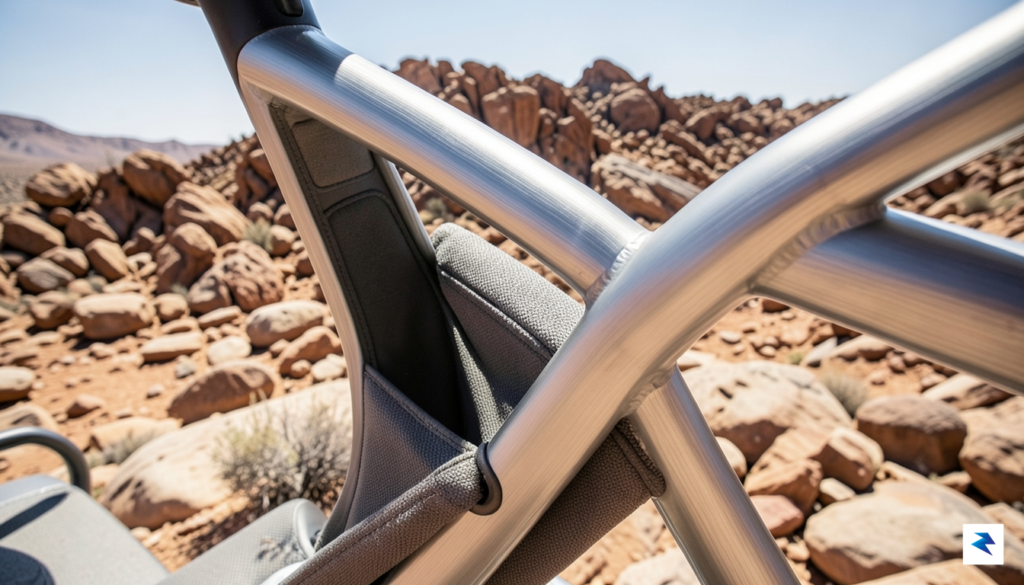
The interior cabin further resolves the paradox of luxury versus utility through the use of advanced, weather-resistant materials that feel intentionally premium rather than purely industrial. Instead of traditional automotive fabrics that might succumb to sun-bleaching or moisture, the Amble One employs marine-grade, sustainable upholstery that provides a soft, sophisticated touch while remaining impervious to dust, sand, and accidental spills. This is complemented by a modular architecture designed for longevity; components are engineered to be easily accessible and replaceable, ensuring that the vehicle maintains its pristine appearance and mechanical health over years of intensive use. This focus on modularity reflects a departure from the “disposable” nature of modern consumer electronics, favoring a repairable, long-term asset that ages gracefully in harsh environments.
The true hallmark of luxury isn’t just the quality of the finish, but the confidence that the machine will perform reliably whether it is parked in a manicured courtyard or navigating a jagged mountain pass.
Beyond the surface, the vehicle’s performance is defined by a sophisticated suspension system specifically tuned for versatility. The team focused on a dual-purpose geometry that offers a plush, refined ride on paved surfaces while providing substantial wheel articulation for uneven terrain. By integrating high-torque electric motors with precision-tuned regenerative braking, the Amble One delivers a seamless driving experience that prioritizes control and safety. This balance ensures that occupants never feel the jarring impacts typical of heavy-duty utility vehicles, even when the path becomes unpredictable. Ultimately, the vehicle succeeds by refusing to treat “luxury” and “capability” as opposing forces, instead weaving them together into a singular, cohesive machine that feels just as deliberate as a piece of high-end consumer technology, yet as capable as a dedicated off-road scout.
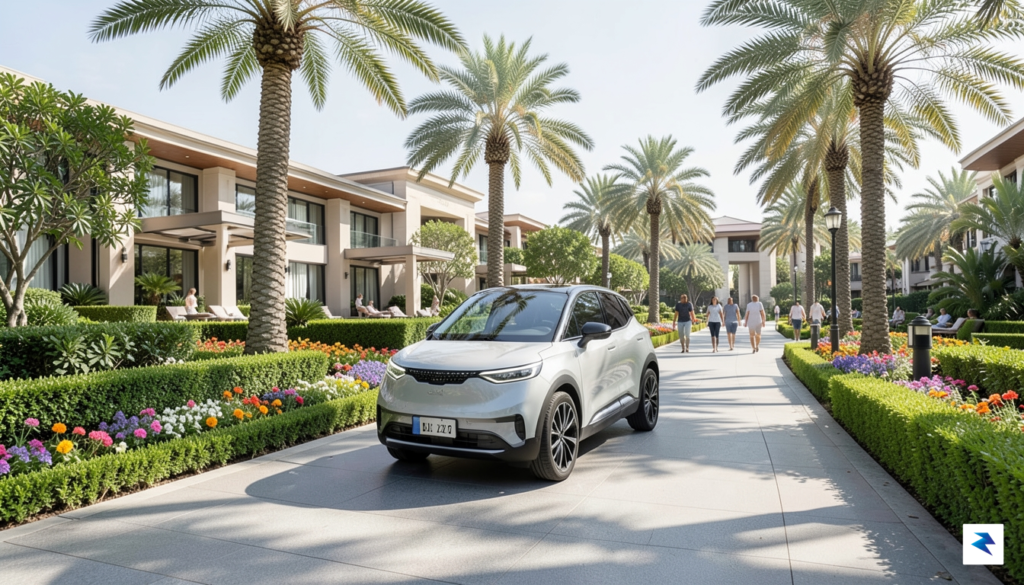
For decades, the standard mode of transport within the sprawling grounds of five-star resorts has remained largely unchanged: the generic, utilitarian golf cart. While functional, these vehicles often clash with the meticulously curated aesthetic of high-end properties, offering a jarringly pedestrian experience for guests paying thousands of dollars per night. Amble has identified this glaring disconnect as a massive opportunity, positioning their new vehicle not merely as a utility cart, but as a premium amenity that elevates the guest experience from the moment they arrive at the lobby.
By focusing exclusively on the luxury hospitality sector, Amble is employing a shrewd B2B strategy that prioritizes controlled deployment over mass-market saturation. This approach allows the company to establish its brand presence within exclusive, gated environments where the target demographic—affluent, design-conscious travelers—already resides. Rather than competing in the crowded consumer automotive market, Amble is integrating itself into the lifestyle of the elite. This serves as a “rolling billboard” strategy; when guests see the Amble One navigating a manicured resort path, the vehicle becomes a status symbol of the property itself, signaling a commitment to modernity and environmental consciousness.
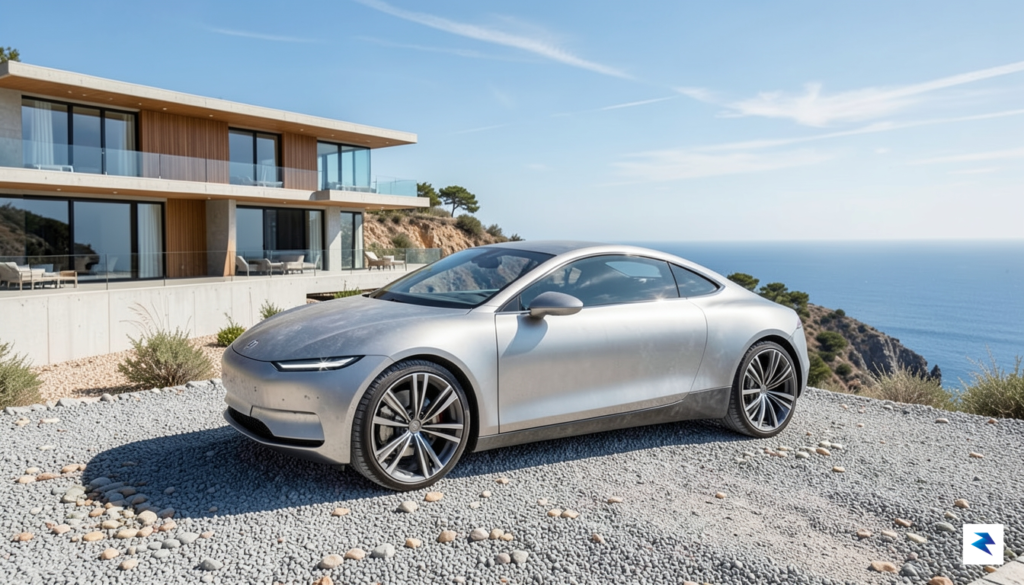
From a financial standpoint, the $25,000 price point for the Amble One is a calculated move designed to be attractive to resort operators looking to differentiate their services. While significantly more expensive than a standard golf cart, the investment is offset by the vehicle’s durability, low maintenance requirements, and the undeniable “wow factor” it provides. For a hotelier, the Amble One is a tangible value-add that justifies premium room rates and enhances the overall property narrative. It bridges the gap between basic utility and luxury transport, solving the pain point of moving guests across expansive properties without forcing them into a vehicle that feels like an afterthought.
The Amble One transforms the mundane necessity of resort transit into a memorable, high-design experience that reflects the sophistication of the destination itself.
Ultimately, by utilizing luxury resorts as a proving ground, Amble is building a prestige-heavy brand foundation that would be difficult to manufacture through traditional advertising. As these vehicles populate the world’s most iconic travel destinations, they create a virtuous cycle of brand exposure. Guests who experience the comfort and style of the Amble One during their vacation become brand ambassadors, associating the vehicle with their most relaxing and memorable moments. This strategic positioning ensures that when the company eventually expands, it does so not as a newcomer, but as a proven entity synonymous with quality, innovation, and the high-end resort lifestyle.
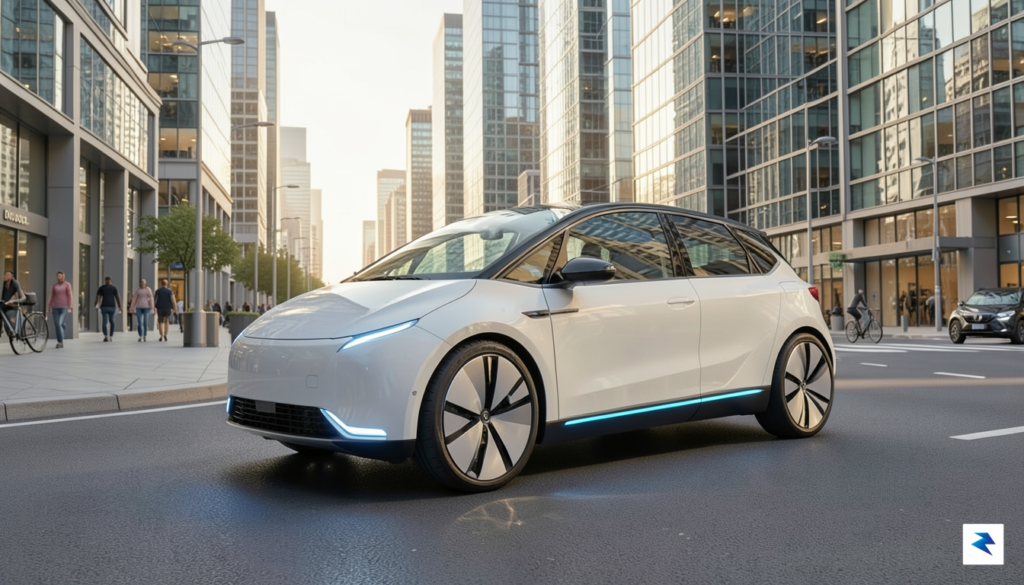
While the current iteration of this lunar-inspired vehicle serves as an exceptional utility platform for high-end resorts and sprawling private estates, the engineering team behind the project harbors much larger ambitions. Transitioning from a low-speed, off-road utility buggy to a fully street-legal consumer vehicle is a monumental leap that requires navigating a labyrinth of global regulatory frameworks. The Federal Motor Vehicle Safety Standards (FMVSS) in the United States, for instance, mandate rigorous testing protocols that define everything from roof crush resistance and airbag deployment speeds to the specific luminosity of headlights and turn signals. Moving beyond the gated confines of a resort means the vehicle must evolve from a lightweight recreational transport into a robust, crash-compliant machine capable of navigating high-speed traffic alongside standard passenger cars.

To achieve this, the company is embarking on a comprehensive engineering overhaul that goes far beyond mere aesthetics. The shift requires the integration of sophisticated active safety systems, such as advanced driver-assistance features (ADAS), electronic stability control, and high-impact crash structures that were unnecessary in a low-speed resort environment. Engineers must rethink the vehicle’s chassis, replacing lightweight, modular materials with reinforced alloys and composite crumple zones that can effectively absorb and dissipate kinetic energy during a collision. Furthermore, the electrical architecture must be hardened to meet strict automotive-grade durability standards, ensuring that critical systems remain operational under a wide range of climate conditions and vibration stresses encountered on public roads.
The transition to street legality is not just an engineering milestone; it is the essential bridge between a niche luxury toy and a transformative mode of personal transportation.
The roadmap toward civilian ownership is deliberately measured, prioritizing safety and regulatory compliance over rapid, high-volume production. By first establishing the brand’s identity within the controlled environments of luxury resorts, the team is gathering invaluable real-world data on battery performance, user interaction, and drivetrain reliability. This phased approach allows the startup to iterate on its core technology while building the capital and manufacturing partnerships necessary for mass-market production. According to the company’s long-term vision, the goal is to bridge the gap between “micro-mobility” and traditional automotive luxury, eventually offering a consumer model that captures the adventurous spirit of their lunar-buggy prototype while offering the peace of mind and performance expected by modern drivers on the open road.
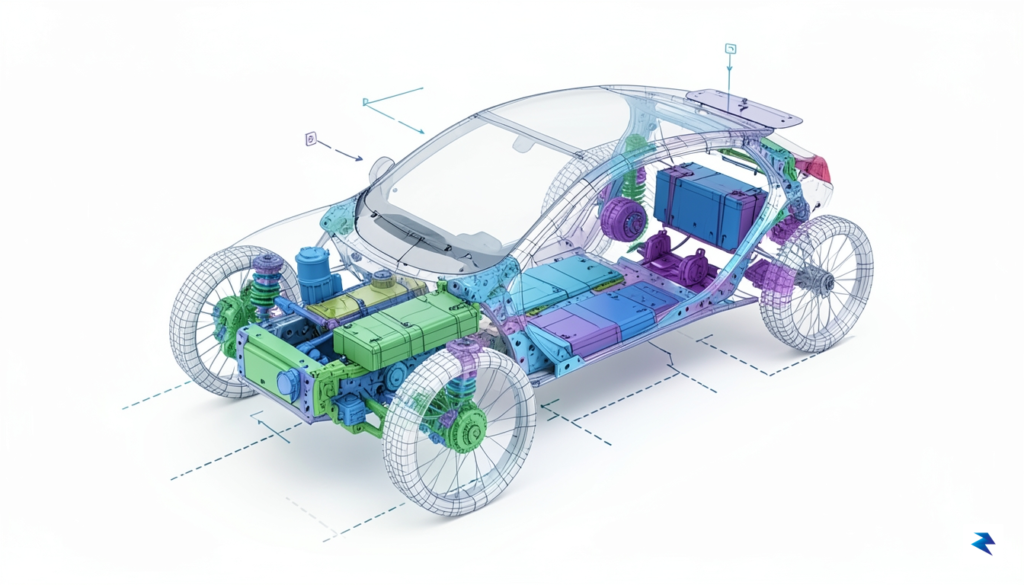
The rise of the Amble One signals a fundamental pivot in how we conceive of personal transportation, moving away from the “one-size-fits-all” sedan toward a philosophy of purpose-built, modular design. By stripping away the heavy, complex bloat inherent in traditional automotive manufacturing, the engineering team has prioritized functional utility without compromising on the refined aesthetic expected from its Apple and Audi pedigree. This approach suggests that the next generation of electric mobility will not be defined by massive battery packs and over-engineered chassis, but rather by vehicles that are lightweight, adaptable, and optimized for specific environments. As these modular platforms evolve, they offer a blueprint for a new class of vehicles that can be easily repaired, upgraded, or reconfigured, effectively extending the lifecycle of the machine far beyond that of a conventional passenger car.
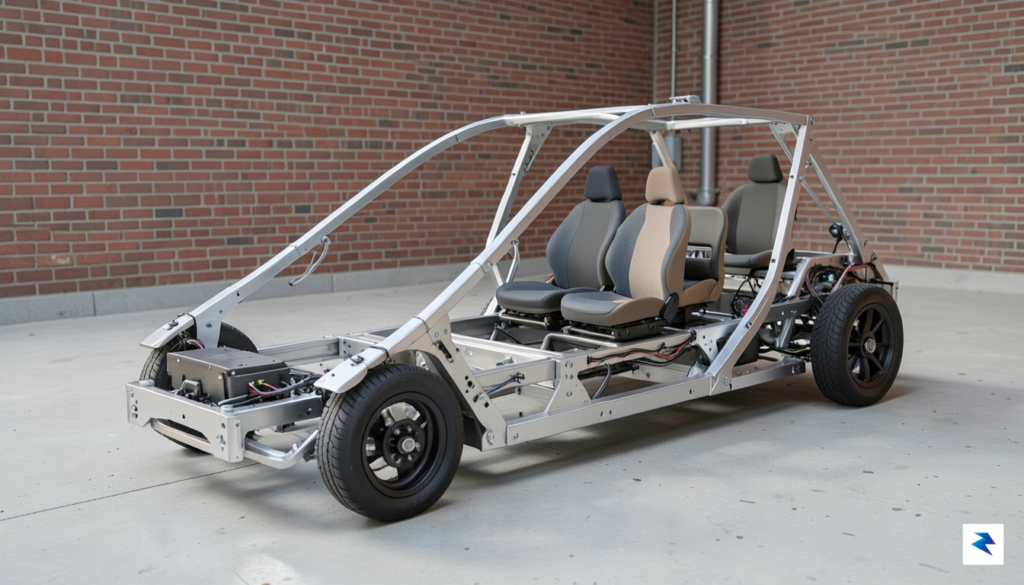
This shift toward micro-mobility and modularity poses a significant challenge to the traditional model of car ownership, which has long been dominated by high costs, rapid depreciation, and rigid utility. By focusing on essential, high-quality components, Amble is demonstrating that luxury and accessibility are not mutually exclusive. Instead of burdening the consumer with unnecessary features that complicate maintenance and increase the carbon footprint of production, this design philosophy invites a leaner, more sustainable way to interact with our surroundings. As urban centers and private estates alike seek more efficient ways to navigate, the Amble One serves as a compelling case study for how decentralized, modular platforms can disrupt established automotive norms.
Ultimately, the marriage of Apple’s design-first mentality with Audi’s rigorous engineering standards creates a new benchmark for accessible, high-end mobility. The Amble One is not merely a specialized resort vehicle; it is a precursor to a broader, more flexible automotive ecosystem. By proving that a refined, premium experience can be achieved through clever, modular architecture, the creators are paving the way for a democratized future where high-quality EVs are tailored to the user’s specific needs rather than the industry’s manufacturing constraints. As we look toward the horizon, it is clear that the future of the road belongs to those who prioritize versatility, sustainable design, and the seamless integration of technology and form.
The true innovation of the Amble One lies not in its ability to mimic traditional luxury, but in its courage to redefine what a vehicle needs to be in a modern, modular world.
You must be logged in to post a comment.