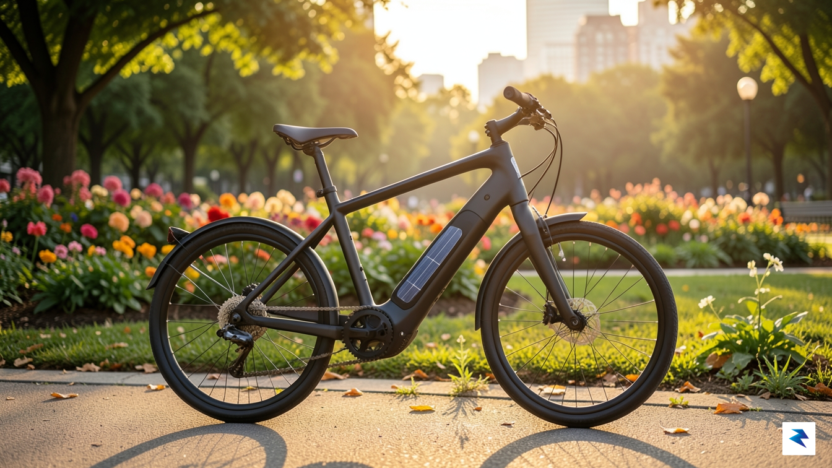
The Promise of Solar-Integrated E-Bikes
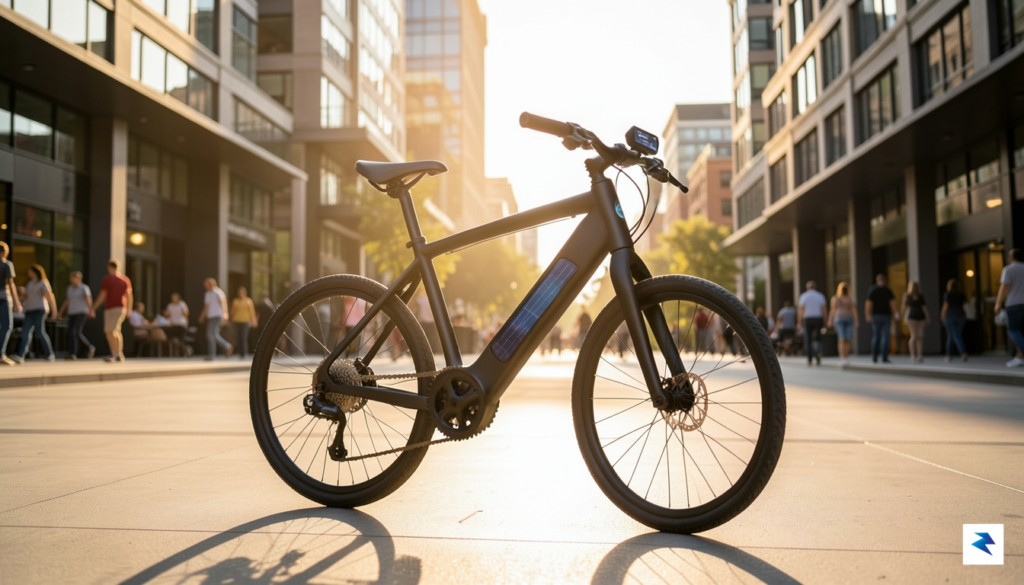
The vision of a bicycle that charges itself while you ride, or even while it sits parked in the sun, represents the holy grail of personal electric mobility. For many urban commuters, the primary barrier to adopting an e-bike is not the cost or the weight, but the nagging specter of range anxiety. The idea that one could theoretically achieve near-infinite range by harnessing the power of the sun is undeniably seductive, promising a future where grid dependence is minimized and the freedom of the open road is limited only by the daylight hours. By embedding photovoltaic cells directly into the frame or accessories of a bicycle, manufacturers aim to transform a standard commuter tool into a self-sustaining energy platform, effectively turning the bike into its own mobile power station.
This pursuit is driven by an intersection of environmental idealism and practical necessity. As we push toward a carbon-neutral transportation sector, the ability to harvest renewable energy on the go feels like the logical conclusion of green engineering. Yet, the reality of physics often stands in stark contrast to the glossy marketing materials that accompany these product launches. Converting sunlight into enough kinetic energy to propel a heavy electric bike up a steep hill requires a surface area and efficiency level that current consumer-grade solar technology simply cannot provide within the constraints of a bicycle’s geometry. While the concept is sound in a laboratory, the real-world application often results in a massive disconnect between performance expectations and the actual electricity harvested.
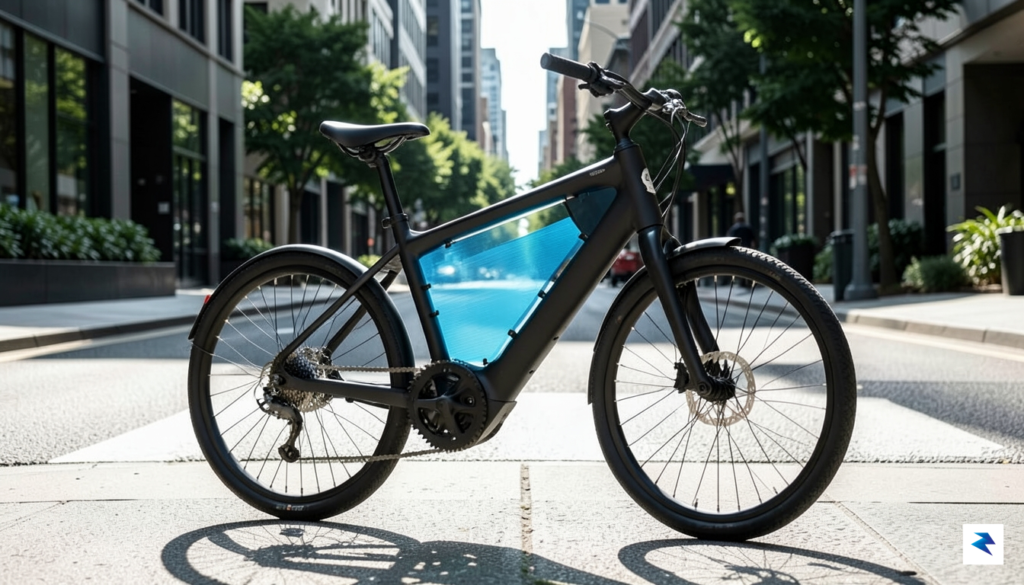
A prime example of this complex tension is the Phosgo Go5, a product that recently entered the market with ambitious claims regarding solar integration. On paper, it looks like the future of cycling, but in practice, it serves as a cautionary tale about the pitfalls of premature innovation. The Go5 highlights the inherent friction between the desire for “set-it-and-forget-it” solar charging and the grueling energy demands of a motorized drivetrain. When we examine such devices, we are forced to ask whether the additional cost, weight, and complexity of the solar array actually provide a net benefit to the user, or if they merely add a layer of technological fragility that transforms a reliable machine into sophisticated, expensive e-waste.
The core challenge of solar mobility is not whether we can capture energy, but whether we can capture enough of it to make the added weight and cost worth the trade-off.
Ultimately, the promise of solar-integrated cycling invites us to dream of a world where our machines are perfectly synced with the natural environment. However, until battery density improves and solar cell efficiency reaches a point where meaningful mileage can be reclaimed during a standard lunch break, we must look at these products with a healthy dose of skepticism. Innovation is rarely a straight line, and sometimes the most “advanced” features are the ones that complicate a simple, elegant system to the point of obsolescence.
Decoding the Phosgo Go5: Specs vs. Reality
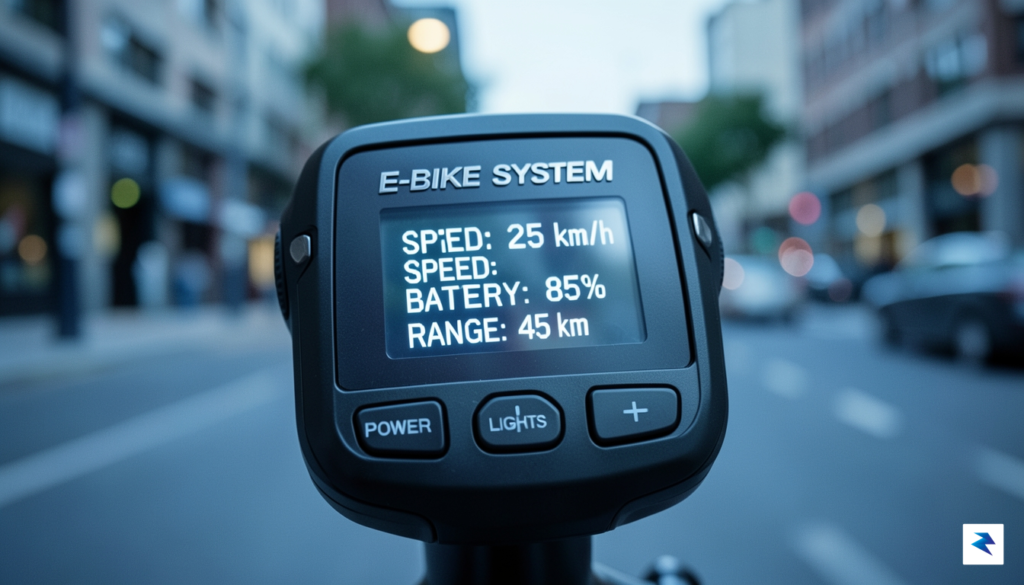
When a manufacturer brands a product as the “world’s first AI solar e-bike,” the marketing department is clearly leaning heavily into current tech trends to generate buzz. However, when we strip away the glossy promotional materials, the Phosgo Go5 faces the harsh laws of physics that govern photovoltaic efficiency. The fundamental problem lies in the surface area available on a standard bicycle frame; even under ideal conditions, the small, integrated panels simply lack the square footage to generate enough electricity to meaningfully charge a high-capacity lithium-ion battery. While these panels might provide a trickle charge that extends range by a negligible margin during a long, sun-drenched ride, they fall far short of the “self-charging” autonomy that the marketing copy implies.
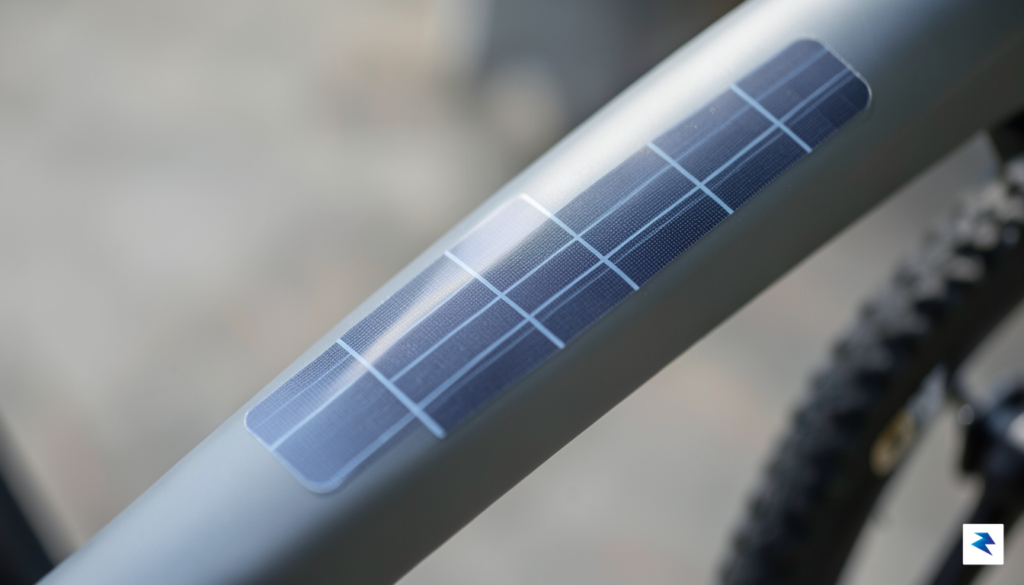
The energy output limitations are not just a matter of panel size, but also of solar incidence angles. For a solar array to operate at peak efficiency, it must be angled directly toward the sun, yet a bike frame is inherently static and constrained by the geometry of the road. Because the bike is constantly moving, turning, and often shaded by buildings or trees, the effective yield of these panels remains inconsistent and low. In practical terms, users are likely to find that the solar integration adds significant weight and complexity to the frame without providing a proportional increase in actual miles per charge. This creates a scenario where the added weight potentially negates the energy gains, leaving the rider with a heavier bike that performs similarly to a standard model.
Parsing the AI Advantage
Beyond the solar components, the inclusion of “AI” in the Go5’s feature set warrants a high degree of skepticism. In the context of modern e-bikes, artificial intelligence is frequently used as a buzzword for basic sensor-based software—such as torque sensing or battery management systems—that have existed in the industry for years. If the “AI” is merely optimizing power delivery based on pedal input, it is a standard performance feature rather than a revolutionary breakthrough. True utility would require the system to adapt to terrain in real-time with predictive energy management, but even then, one must ask if these digital layers offer genuine value or if they are simply introducing “feature creep” that complicates maintenance and increases the likelihood of long-term electronic failure.
Ultimately, if a bike’s core mobility is reliant on expensive, fragile tech that provides only marginal real-world benefits, the line between a “smart” vehicle and future e-waste begins to blur significantly.
Ultimately, consumers should evaluate the Phosgo Go5 based on its merits as a bicycle first and a tech gadget second. If the proprietary solar and AI systems fail, the bike must remain functional, yet the integration of these components often makes third-party repairs or battery replacements nearly impossible. By prioritizing marketing-friendly buzzwords over proven engineering, manufacturers risk alienating riders who value reliability and longevity over the novelty of a solar-powered dashboard. Before investing in such a device, it is essential to weigh whether the premium price tag justifies the experimental nature of these integrated systems, or if you are simply paying for the privilege of being a beta tester for unproven technology.
The Engineering Hurdles of Solar Charging on Two Wheels
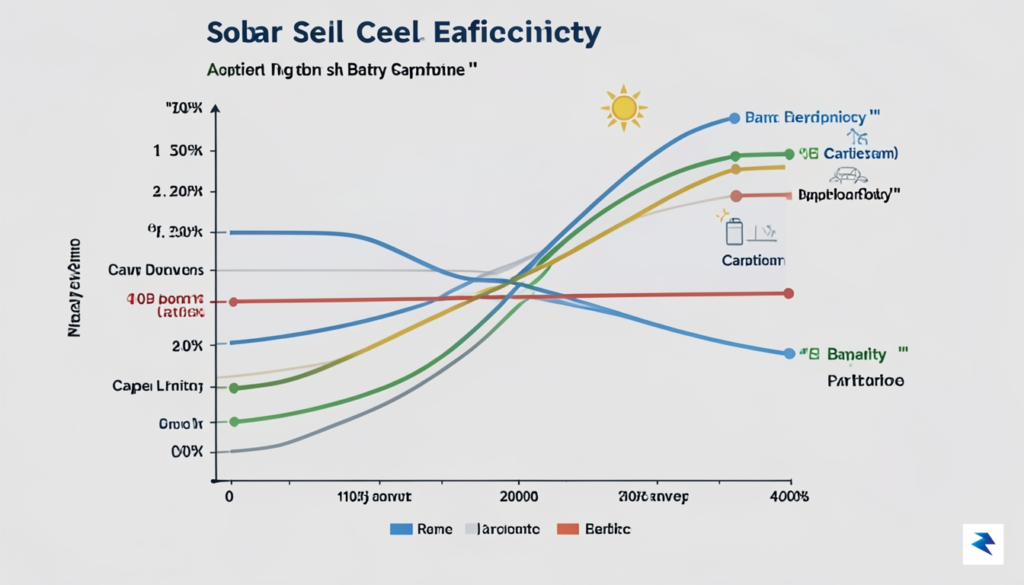
The primary disconnect between the marketing promise of solar e-bikes and the reality of their performance lies in the unforgiving laws of physics, specifically regarding surface area and solar irradiance. An average e-bike battery packs roughly 500 to 750 watt-hours (Wh) of energy, a capacity designed to support the significant power demands of an electric motor climbing hills or maintaining a 20 mph cruise. To replenish this energy via sunlight, you are limited by the available surface area of the bike frame and any mounted accessories. Even with high-efficiency monocrystalline solar cells, a bike-sized array can realistically only capture about 50 to 100 watts of power under perfect, perpendicular, cloudless midday sun conditions.
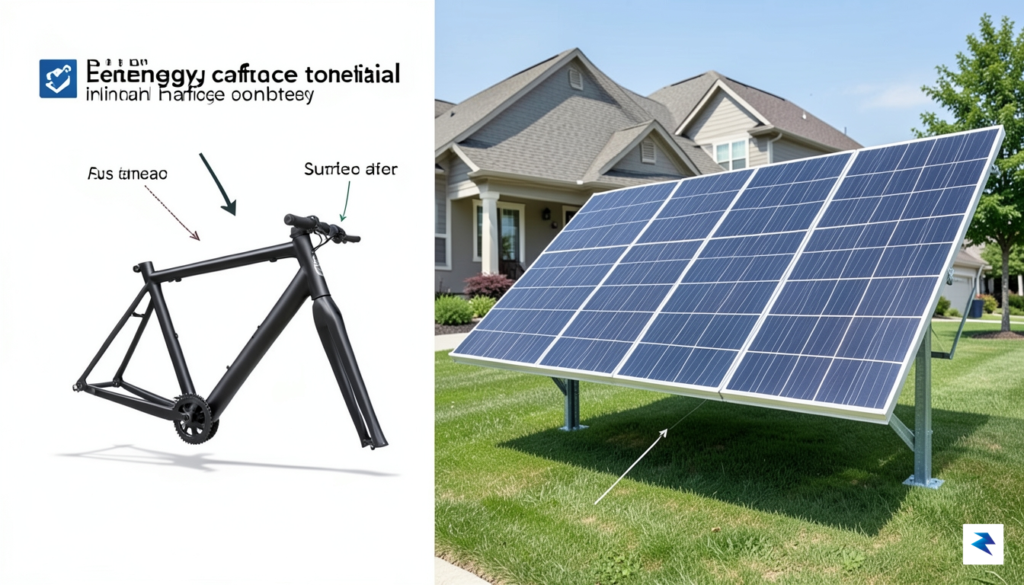
When we translate those numbers into real-world charging speeds, the limitation becomes stark. A standard wall-outlet charger typically pushes 200 to 400 watts into an e-bike battery, allowing for a full recharge in roughly three to five hours. Conversely, relying on a bike-integrated solar array would require over 10 to 15 hours of direct, unobstructed sunlight to achieve the same result. Because the sun is constantly moving across the sky and your bike is likely parked in varying conditions—often partially shaded by buildings or trees—you will almost never achieve that theoretical maximum. In practice, you are likely looking at a trickle of power that barely offsets the energy lost to the bike’s internal battery management system, let alone meaningful range extension.
The math of solar integration is simple: you cannot defy the inverse square law or the limitations of available photons hitting a roughly six-square-foot footprint.
Furthermore, the concept of “trickle charging” while riding presents a secondary engineering hurdle. Because the solar panels must be mounted horizontally to remain aerodynamic and functional, they are rarely positioned at the optimal angle to face the sun. As you move through a city, your orientation changes constantly, meaning the panels spend most of their time working at a fraction of their peak capacity. To actually generate significant energy while in motion, the bike would need to be significantly larger, heavier, and covered in fragile, expensive, and inefficient solar film that would likely be damaged by the vibrations and debris common in daily commuting. Consequently, for the modern urban rider, these systems currently function more as a novelty or a design statement than as a practical energy solution, ultimately transforming what should be a utilitarian tool into a piece of sophisticated, high-maintenance e-waste.
Direct-to-Consumer Risks and the E-Waste Dilemma
The burgeoning e-bike market has seen an explosion of direct-to-consumer (DTC) brands, many hailing from overseas. This rapid influx has, in many ways, created a “wild west” scenario for consumers. While attractive pricing and innovative features often draw attention, the lack of established infrastructure behind these brands presents significant hidden risks. Unlike traditional bicycle manufacturers with long-standing dealer networks and clear service pathways, many of these new entrants operate with minimal physical presence in the consumer’s region, leaving a gaping void when issues inevitably arise. This landscape necessitates a cautious approach, as the initial savings can quickly be dwarfed by future complications.
A major concern revolves around the proprietary nature of many e-bike components. From custom battery packs and motor controllers to unique display units and wiring harnesses, these bikes are often designed with little thought for future repairability. When a specialized part fails, which is not uncommon given the stresses placed on e-bike systems, finding a replacement can become a Sisyphean task. Established repair shops might be hesitant or unable to service bikes with unfamiliar, custom parts, and the original manufacturer may not stock spares or even exist in a few years. This design philosophy effectively builds obsolescence into the product from day one, transforming what could be a sustainable mode of transport into an expensive, single-use item, destined for an early grave.
The risks of purchasing from unvetted international brands extend far beyond mere parts availability. Warranty claims, for instance, can become an administrative nightmare, often requiring the consumer to ship a heavy item across international borders at their own expense, or navigate complex return policies in different languages and time zones. Furthermore, the long-term viability of these brands is often questionable. Many pop up quickly, fueled by crowdfunding or aggressive online marketing, only to disappear just as fast, leaving early adopters with unsupported products and voided promises. This lack of accountability and reliable customer support fundamentally undermines the investment a consumer makes, turning a hopeful purchase into a potential liability and a source of frustration.
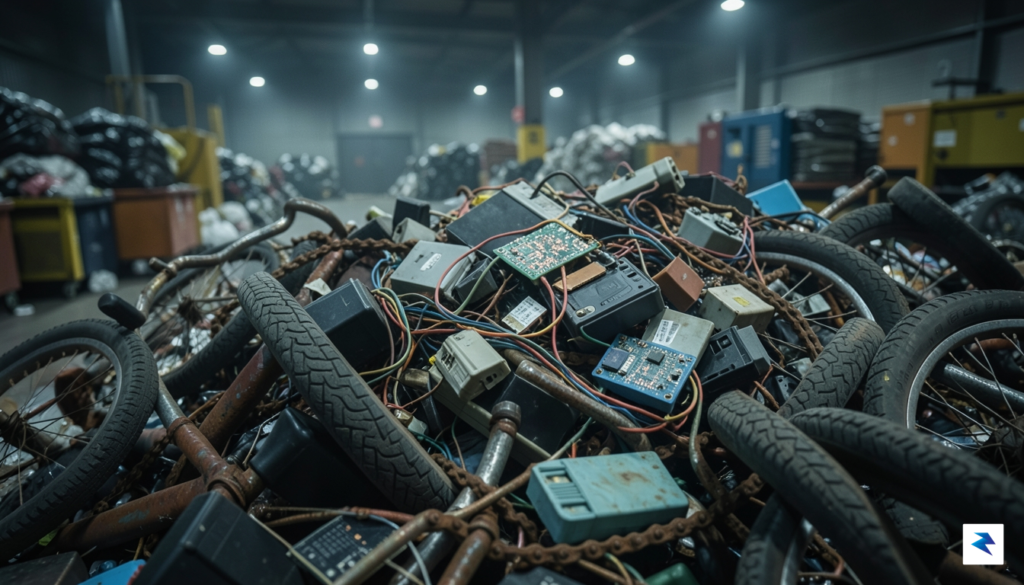
Ultimately, the culmination of these issues feeds directly into the escalating problem of electronic waste, or e-waste. When an e-bike becomes unrepairable due to a proprietary part failure or lack of manufacturer support, it quickly transitions from a valuable asset to an environmental burden. The complex mixture of metals, plastics, and hazardous chemicals within batteries and electronic components makes proper recycling challenging and expensive. Unlike traditional bicycles that can be easily repaired and have a multi-decade lifespan, these disposable micro-mobility products contribute significantly to landfill waste, negating any perceived environmental benefits they might offer as alternatives to cars. This cycle of rapid consumption and disposal is antithetical to genuine sustainability and highlights the critical need for more robust regulation and industry standards in the burgeoning e-bike sector.

Verdict: Why You Should Wait for Real Innovation
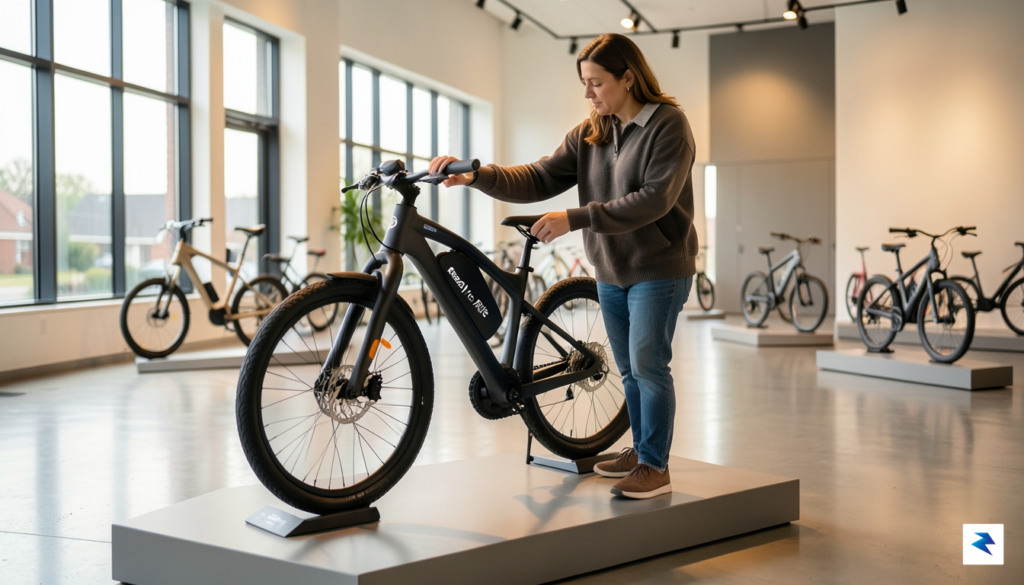
While the allure of a self-charging bicycle is undeniably strong, our assessment suggests that the current generation of integrated solar e-bikes serves more as a proof of concept than a practical solution for the daily commuter. True innovation requires a harmonious balance between efficiency, durability, and real-world utility, yet the present solar-integrated models often sacrifice long-term reliability for the sake of a headline-grabbing feature. Until solar panel efficiency significantly improves and the weight-to-power ratio becomes more favorable, these bikes will likely remain niche gadgets rather than primary modes of transportation.
Prioritizing Proven Reliability
For the average rider, the smartest investment remains a traditional e-bike from a reputable manufacturer with a robust service network. When you are evaluating your next purchase, look for bikes equipped with standardized battery cells from established brands like Bosch, Shimano, or Yamaha, which ensure that you won’t be left with a proprietary brick when the battery eventually degrades. A well-supported drive system is not just about performance; it is about safety and the ability to find replacement parts three or five years down the road. In the world of electric mobility, simplicity and modularity consistently outperform gimmicky complexity, as fewer moving parts generally translate to lower maintenance costs and a longer lifecycle.
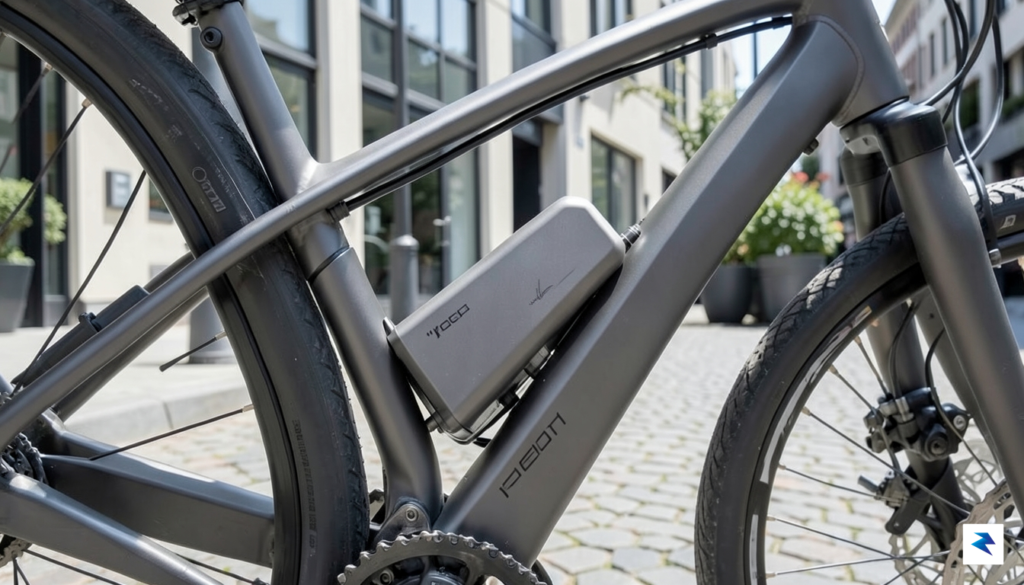
Sustainability isn’t just about how you power your bike; it is about how long that bike remains on the road before it becomes obsolete.
Ultimately, the most sustainable e-bike is the one you actually use every day because it is reliable, easy to handle, and fun to ride. If you find yourself tempted by the promise of infinite, sun-powered range, it is wise to wait for the technology to mature beyond the experimental phase. Advancements in thin-film solar and high-density storage are happening rapidly, and in a few years, we may see solar integration that is truly functional rather than decorative. For now, prioritize a bike that offers a high-quality motor, a reliable braking system, and a frame designed for the harsh reality of daily commutes. By choosing established technology today, you are avoiding the trap of premature adoption and ensuring that your transition to electric transit is both efficient and long-lasting.
- Check for Serviceability: Ensure the manufacturer has local shops that can handle repairs for the battery and motor.
- Verify Battery Standards: Stick to bikes that use UL-certified batteries to avoid common fire safety risks associated with cheap, unbranded cells.
- Focus on Utility: Evaluate whether the bike’s geometry and weight distribution suit your specific storage and commuting needs.
- Think Long-Term: Consider the environmental impact of disposing of a niche, proprietary product versus maintaining a standard model that uses recyclable, interchangeable parts.