The Friction Between AI and Hollywood: Why Amazon Dropped Its OpenAI Movie
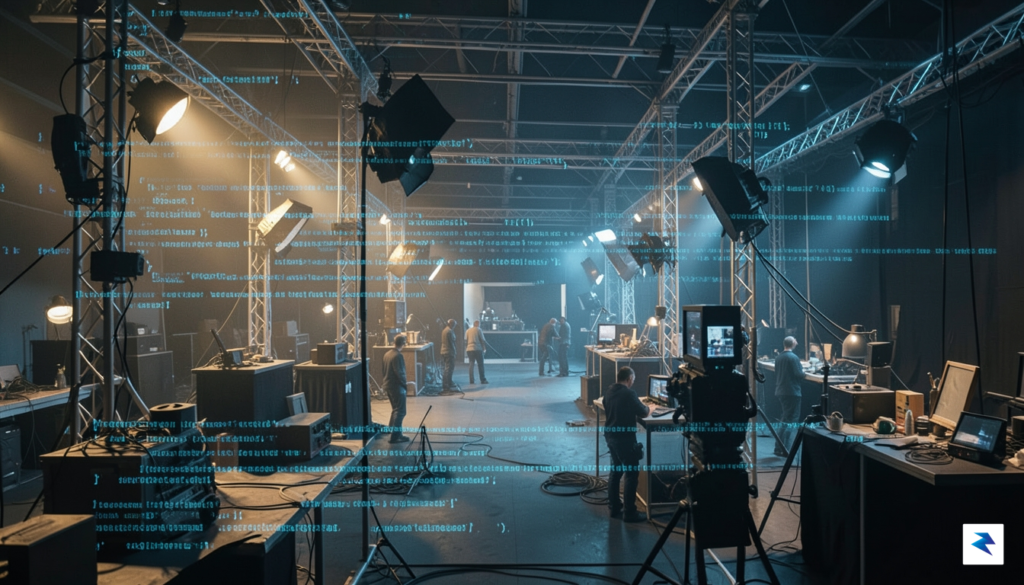
The recent decision by Amazon’s MGM to abandon a high-profile film project developed in collaboration with OpenAI marks a significant turning point in the relationship between Silicon Valley and the entertainment industry. For months, the promise of generative AI was sold to Hollywood as a revolutionary tool for streamlining production, cutting costs, and accelerating the creative process. However, the abrupt cancellation suggests that the allure of algorithmic efficiency is rapidly being overshadowed by the harsh realities of intellectual property protection and the demand for authentic, human-centric storytelling. By stepping back from this project, Amazon has signaled that even the largest studios are beginning to view the unchecked integration of generative AI not merely as a technological asset, but as a potential liability that could alienate audiences and ignite further labor unrest.

At the heart of this friction is a deep-seated anxiety regarding creative autonomy and the legal status of AI-generated assets. Studios are currently navigating a minefield of copyright concerns, where the lack of clear legal precedent regarding AI-produced content threatens to devalue their portfolios. If a film is built upon the foundation of generative models trained on scraped data, the studio risks inviting long-term litigation or, at the very least, public relations disasters that could tarnish a brand’s reputation. Moreover, there is a mounting sentiment among creators that the soul of cinema is fundamentally incompatible with the predictive nature of large language models. The industry is realizing that while AI can replicate patterns and structures, it cannot replicate the lived experience and emotional nuance that audiences pay to see in theaters.
The pivot away from AI-heavy production models indicates that studios are prioritizing brand stability and legal defensibility over the experimental gains of automation.
This strategic retreat is also a calculated response to the persistent pressure from labor unions and creative guilds, who have been vocal about the existential threat posed by generative tools. Following the historic strikes that defined the previous year, studios are under intense scrutiny to prove that they are not using technology to replace human labor or degrade the value of unionized roles. By distancing themselves from OpenAI-led initiatives, executives are likely attempting to mend fences with the talent pool, recognizing that a stable, collaborative relationship with writers and actors is more valuable than a speculative technical shortcut. As the industry moves forward, it is becoming increasingly clear that the future of film will not be defined by who can automate the fastest, but by who can successfully navigate the delicate balance between cutting-edge innovation and the preservation of human craft.
The Hidden Human Cost: Data Center Workers Fight Back
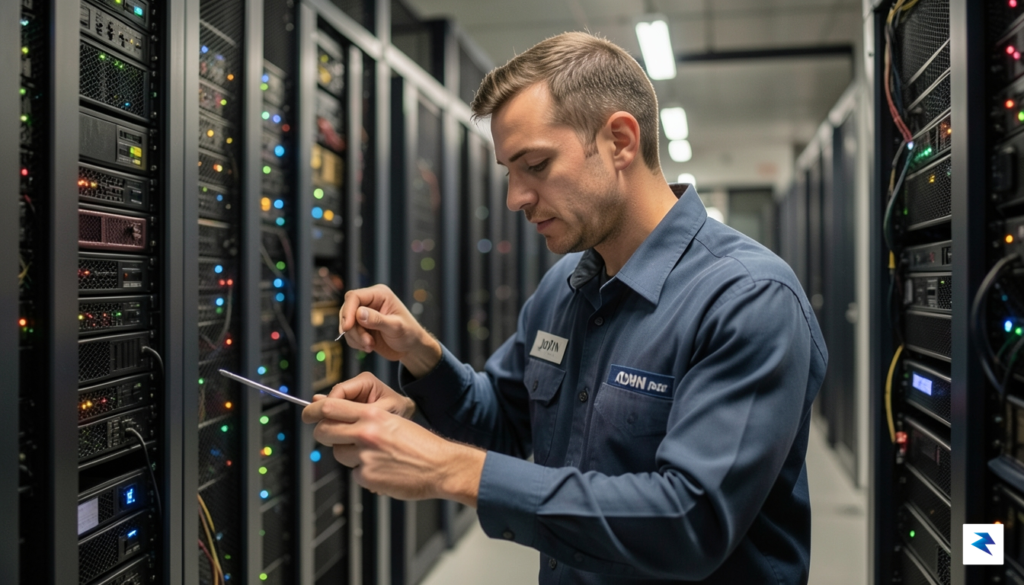
The modern narrative surrounding artificial intelligence is carefully curated to feel weightless and ethereal, painting a picture of an automated future where algorithms generate content and solve problems without friction. However, the reality of this “cloud-based” revolution is rooted in a massive, sprawling physical infrastructure that demands constant human intervention. Deep within the windowless, hum-filled halls of massive data centers, technicians labor under grueling conditions to ensure that the AI models we interact with remain operational. These workers are the unsung mechanics of the digital age, performing tasks that range from physical server maintenance and complex cable management to the hazardous cooling system repairs necessary to keep high-performance GPUs from overheating.
The disconnect between the conceptual “cloud” and the physical facility is profound. While tech giants market their products as clean, green, and streamlined, the reality for those on the ground is often one of high-pressure environments, rigid performance metrics, and significant physical hazards. As the demand for compute power skyrockets, the intensity of this work has only increased, leading to a growing movement of labor organizing within the very companies that champion automation. Workers are no longer content to remain invisible cogs in a machine; they are increasingly forming unions and advocacy groups to demand safer working conditions, more transparent management policies, and fair compensation for the critical role they play in the tech ecosystem.
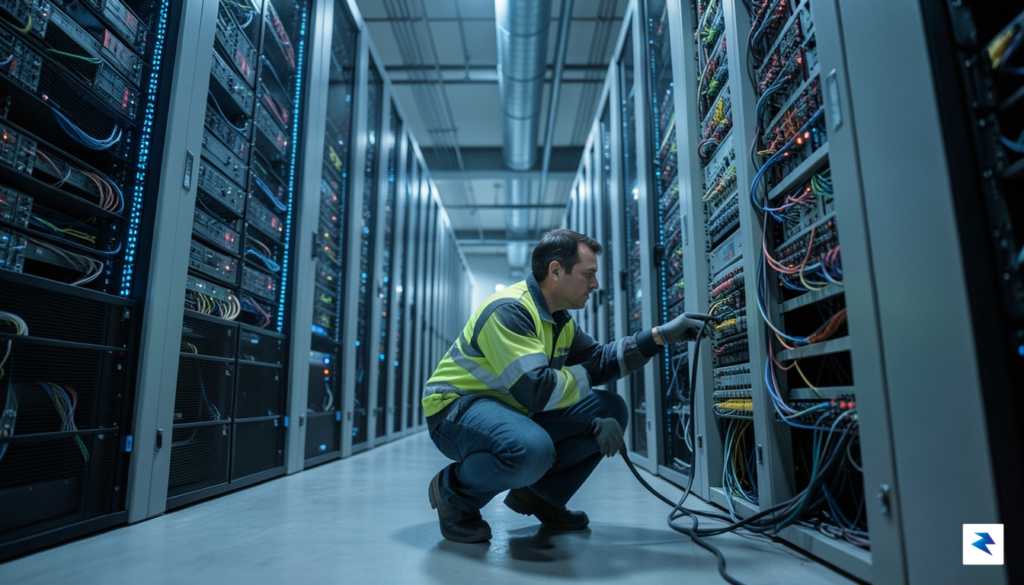
The myth of the seamless machine hides the sweat and labor required to keep the digital world turning. When we talk about AI scalability, we are really talking about the scalability of human effort under extreme conditions.
This pushback from the workforce represents a pivotal shift in the tech industry’s internal politics. For years, the physical maintenance of infrastructure was treated as a secondary concern, often outsourced to third-party contractors to distance tech giants from the realities of industrial labor. Today, that strategy is faltering as technicians recognize their collective leverage; without their expertise, the hardware that powers everything from LLMs to cloud storage would grind to a halt. By organizing, these workers are not only securing their own livelihoods but are also forcing the industry to reckon with the environmental and human costs of its rapid expansion. As the AI arms race continues to accelerate, the voices of these laborers will become increasingly central to the broader conversation about who truly owns and controls the infrastructure of our digital future.
Internal Vulnerabilities: Analyzing the Meta Data Leak

The recent breach exposing the personal information of Meta employees serves as a sobering reminder that even the most advanced architects of the digital age are susceptible to foundational security failures. While the company aggressively pursues the next frontier of artificial intelligence, this incident highlights a glaring disconnect between the sophistication of their outward-facing AI models and the robustness of their internal data governance. When a tech giant responsible for managing the personal data of billions of users cannot secure the records of its own workforce, it raises fundamental questions about the systemic risks inherent in centralized data storage.

At the heart of this failure is the challenge of managing vast, interconnected datasets that are increasingly essential for training large-scale AI systems. In their quest to accelerate development cycles and promote internal collaboration, organizations often inadvertently create broad access pathways that, if compromised, expose sensitive employee details ranging from financial records to contact information. This systemic risk is compounded by the sheer velocity at which these companies operate; when speed is prioritized over security architecture, internal vulnerabilities become inevitable side effects of the corporate culture. It is not merely a technical glitch, but a failure of organizational hygiene that underscores the precarious nature of our current data-driven infrastructure.
The true measure of a tech company’s security posture is not found in the complexity of its AI algorithms, but in the integrity of the walls it builds around its own employees’ privacy.
Furthermore, the responsibility of companies like Meta transcends mere regulatory compliance or damage control following a leak. As these organizations position themselves as the primary curators of the future AI landscape, they bear a profound ethical burden to safeguard the human capital that makes their innovation possible. If internal stakeholders—the very people building the tools of the future—cannot trust their employer to protect their personal data, it undermines the credibility of the entire industry. Moving forward, a cultural shift is required where security is treated as an equal partner to innovation rather than an obstacle to be overcome. By hardening internal protocols and adopting a “zero-trust” mindset, tech giants must prove that they can handle the immense power they wield before they further integrate AI into the fabric of daily life.
Navigating the Future of Tech Labor and AI

The recent convergence of industry-shifting events—from the high-stakes friction between production studios and AI integration to the rising tide of organized labor resistance—suggests that the tech sector has reached a critical inflection point. For years, the prevailing narrative favored a “move fast and break things” philosophy, where the pursuit of rapid generative AI adoption often eclipsed concerns regarding worker security and intellectual property rights. However, the current landscape reveals that this trajectory is increasingly unsustainable. When companies prioritize algorithmic efficiency over the livelihoods of their workforce or the integrity of their data infrastructure, they do not just risk lawsuits; they risk eroding the very trust that sustains the digital economy.
Transitioning toward a more stable future requires a fundamental recalibration of how tech giants view their human capital and data responsibilities. Sustainability in the age of artificial intelligence cannot be measured solely by processing power or model parameters; it must be judged by the ethical rigor applied to data handling and the fair treatment of the individuals who power these systems. As data center workers begin to assert their collective agency and creators demand protections against unauthorized model training, we are witnessing the birth of a new “human-centric” standard for tech operations. This pivot involves moving away from the exploitation of massive data sets toward a model of partnership, transparency, and accountability.

The long-term viability of the AI revolution depends less on the sophistication of the code and more on the social contract established between the developers of these tools and the people they impact.
To avoid further volatility, industry leaders must shift their focus toward policies that prioritize security and fairness by design. This entails implementing robust, privacy-first data governance frameworks that prevent the type of accidental information leaks that have recently plagued tech giants, while simultaneously formalizing clear labor standards for those managing the physical and digital architecture of our future. If companies fail to proactively integrate these human-centric values, they will likely face a future defined by endless litigation, regulatory crackdowns, and a workforce that is increasingly alienated from the products they help build. Ultimately, the future of the tech industry will be defined by its ability to balance the relentless drive for innovation with a profound respect for the human element that remains the bedrock of all progress.