
Why Xbox Is Raising Console Prices: The Reality Behind the Hikes
The Shifting Economics of Gaming Hardware The gaming industry is currently navigating a complex financial landscape, one that is profoundly…
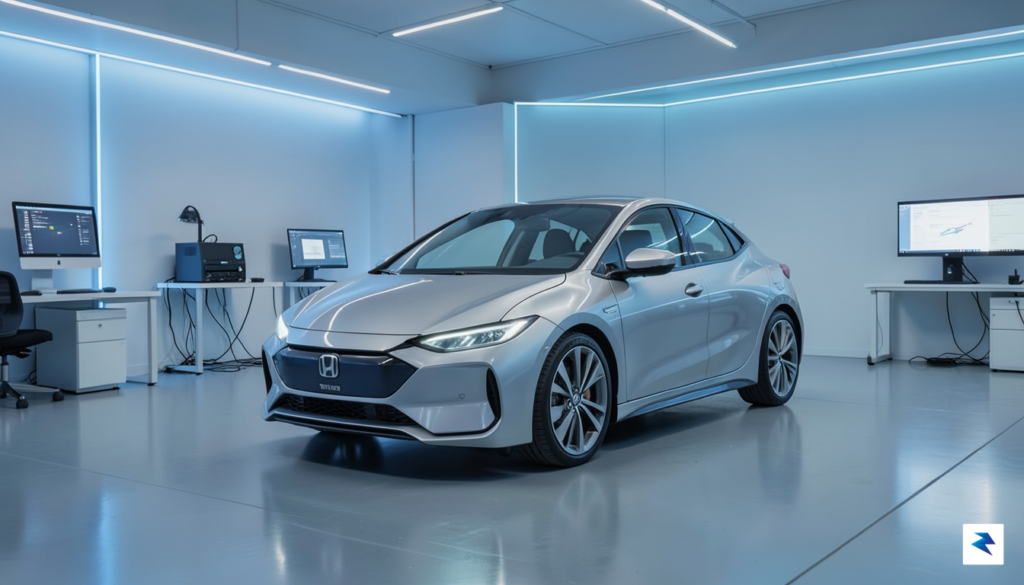
In the spring of 2021, Honda issued a clarion call that seemed to redefine its century-long identity as a titan of internal combustion. Facing a global automotive market that was rapidly shifting away from fossil fuels, the company committed to a radical electrification roadmap: by 2040, every new vehicle sold under the Honda brand would be either battery-electric or hydrogen fuel-cell powered. This wasn’t merely a corporate target; it was a fundamental reinvention of a company built on the legacy of Soichiro Honda’s obsession with high-performance engines. By pivoting toward an all-electric future, Honda aimed to shed the image of a legacy automaker struggling to keep pace and instead position itself as a forward-thinking leader capable of navigating the decarbonization of the global transportation sector.
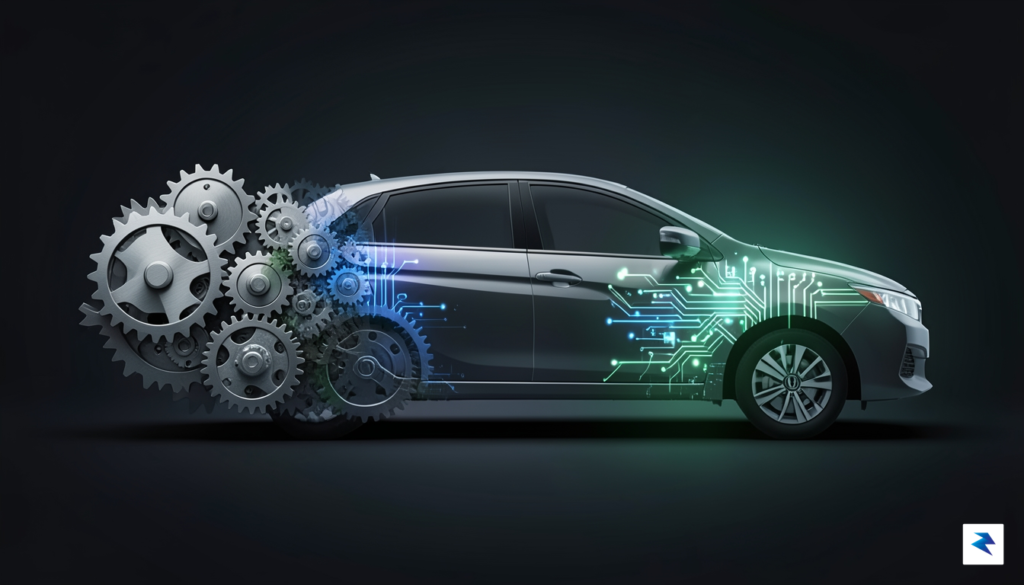
The competitive landscape at that time was defined by an unprecedented “EV arms race,” with legacy manufacturers and tech-forward startups alike scrambling to secure battery supply chains and software superiority. Investors and industry analysts initially applauded Honda’s aggressive timeline, viewing it as the necessary medicine for a brand that had arguably lagged in the early adoption phase of electrification. Honda’s long-standing reputation for engineering precision—a heritage defined by the reliability of the VTEC engine and the efficiency of its hybrid platforms—provided a sense of security for shareholders. The belief was that if any company could translate its meticulous manufacturing standards into the complex world of electric powertrains, it was Honda.
“The commitment to total electrification by 2040 was designed to provide a clear, unwavering vision that would signal to markets, regulators, and consumers alike that Honda’s legendary engineering prowess would remain the benchmark in an emission-free world.”
However, the strategy was as much about survival as it was about innovation. As governments across Europe, China, and North America began mandating tighter carbon emissions standards, Honda recognized that the cost of inaction would soon outweigh the massive capital expenditure required to transition its global factories. By setting an ambitious 2040 deadline, the firm intended to force a complete overhaul of its research and development silos, pushing its engineers to move beyond the incremental improvements of hybrid technology and into the high-stakes arena of mass-market EV production. At the time, this pivot felt like the logical evolution of a company that had always prided itself on being the vanguard of technological efficiency.
Honda’s ambitious pivot toward an all-electric future was born in the boardroom as a bold declaration of intent, yet it quickly collided with the stubborn gravity of global market dynamics. While executives envisioned a seamless transition to a battery-powered fleet by 2040, they arguably underestimated the consumer’s reluctance to abandon the internal combustion engine before the necessary infrastructure was fully realized. In North America, this disconnect became glaringly apparent as the promised “EV revolution” hit a plateau; drivers remained wary of range anxiety and the persistent lack of reliable, accessible charging networks. Consequently, the high-level corporate vision failed to account for the practical anxieties of the average commuter, leaving Honda’s early electric offerings as niche experiments rather than mass-market solutions.
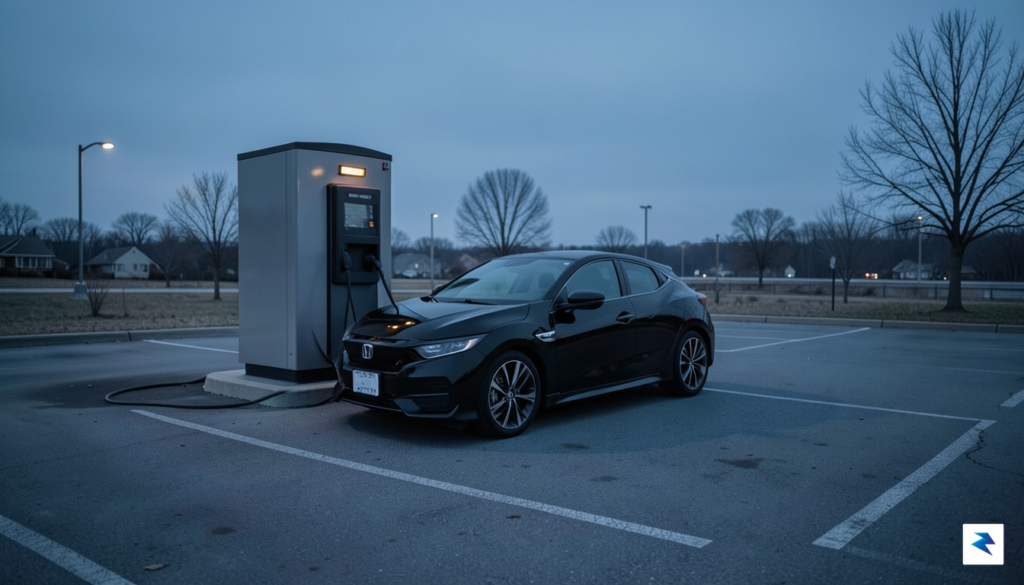
The financial pressure of this transition also created a difficult balancing act that Honda struggled to master. The company found itself in the precarious position of needing massive, sustained revenue from its legacy internal combustion engine vehicles—the very products it intended to phase out—to fund the gargantuan research and development costs required for its EV battery platforms. This reliance on a “dying” technology to fuel the birth of the next generation created a strategic bottleneck. By the time Honda attempted to accelerate its model rollouts, they were already playing catch-up against more agile competitors who had timed their entries more effectively, missing the critical window when consumer curiosity was at its peak.
The core of the issue was not a lack of engineering prowess, but a fundamental misunderstanding of the velocity at which global markets would accept a total shift in automotive power.
The situation was further complicated by the starkly different realities between Western markets and China. In China, Honda faced an EV landscape defined by aggressive government subsidies, rapid infrastructure deployment, and a tech-savvy consumer base that moved faster than any corporate strategy could predict. Meanwhile, in the West, the transition was slowed by regulatory uncertainty and a slower adoption rate among the general public. Honda’s inability to reconcile these two opposing environments led to a disjointed rollout schedule, where vehicles that were perfect for the Chinese market felt out of place or overpriced in American showrooms. This lack of regional nuance effectively derailed what was intended to be a global, unified electrification gamble, proving that corporate vision is only as strong as its ability to adapt to the realities of the dealership floor.

At the heart of Honda’s struggle to pivot toward electrification lies a profound cultural tug-of-war between its storied engineering heritage and the cold, unforgiving reality of modern capital markets. For decades, Honda defined itself by the prowess of its internal combustion engines, fostering an internal environment where mechanical innovation was held as a sacred, long-term pursuit. However, this deep-seated commitment to traditional engineering has created significant friction as leadership attempts to force a rapid transition to battery-electric vehicles. The company’s veteran engineers often find themselves at odds with a corporate strategy that prioritizes short-term quarterly financial performance over the iterative, meticulous design processes that originally built the brand’s global reputation. This institutional inertia has made it incredibly difficult for the company to maintain the agility required to compete with software-first manufacturers, leading to a palpable sense of burnout among staff tasked with reconciling these conflicting philosophies.
Compounding this internal malaise is the mounting pressure from an increasingly restless shareholder base. Institutional investors, who were once content with Honda’s steady, conservative growth, are now openly demanding greater transparency and accountability regarding the company’s EV roadmap. The persistent gap between ambitious public climate pledges and the underwhelming reality of market-ready electric models has eroded investor confidence, prompting calls for a complete overhaul of the current executive management team. Shareholders are no longer satisfied with vague promises of future innovation; they are looking for concrete evidence that leadership can successfully execute a pivot without sacrificing the company’s financial health. The disconnect has become so severe that it is frequently surfacing in annual general meetings, where executives have struggled to provide satisfactory answers to pointed questions about the company’s lack of competitive edge in the rapidly evolving EV landscape.

The transition to electrification is not merely a technical challenge; it is a fundamental test of whether a legacy automaker can shed its institutional DNA to survive in a software-defined automotive future.
In response to this growing dissent, the leadership team has frequently oscillated between doubling down on their original strategy and attempting to appease critics with sudden, reactive policy shifts. This inconsistent messaging has done little to calm the internal workforce, many of whom feel caught in the middle of a strategic stalemate. By suppressing dissenting voices within the engineering ranks—those who have warned that the pace of electrification was perhaps too aggressive for the existing manufacturing infrastructure—management has inadvertently stifled the very innovation they are trying to foster. The resulting lack of a cohesive, unified vision has left the company vulnerable, turning internal friction into a public liability that threatens to derail their long-term viability in an increasingly crowded and sophisticated global market.
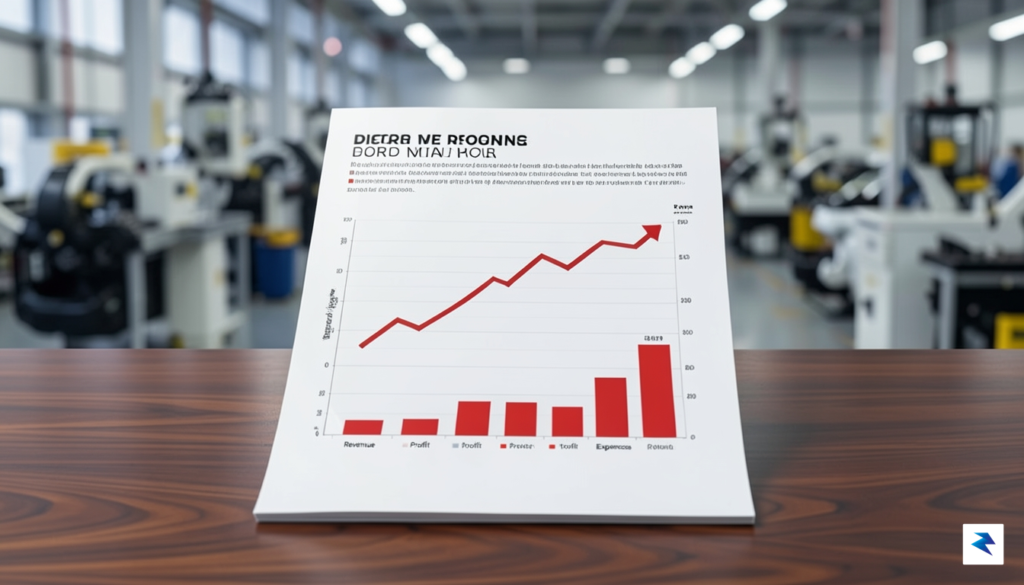
The transition toward an all-electric lineup has proven to be an immensely capital-intensive endeavor for Honda, fundamentally altering its balance sheet. To secure a foothold in the competitive EV market, the company funneled billions into proprietary battery research and the construction of dedicated electric vehicle manufacturing hubs. These heavy capital expenditures, while necessary for long-term survival, created a significant drain on liquidity that was not immediately offset by consumer adoption rates. As R&D costs ballooned to accommodate next-generation solid-state battery technology, the company’s operating margins faced unprecedented downward pressure, effectively eroding the profitability of their traditional combustion engine vehicles that had long served as the firm’s financial bedrock.
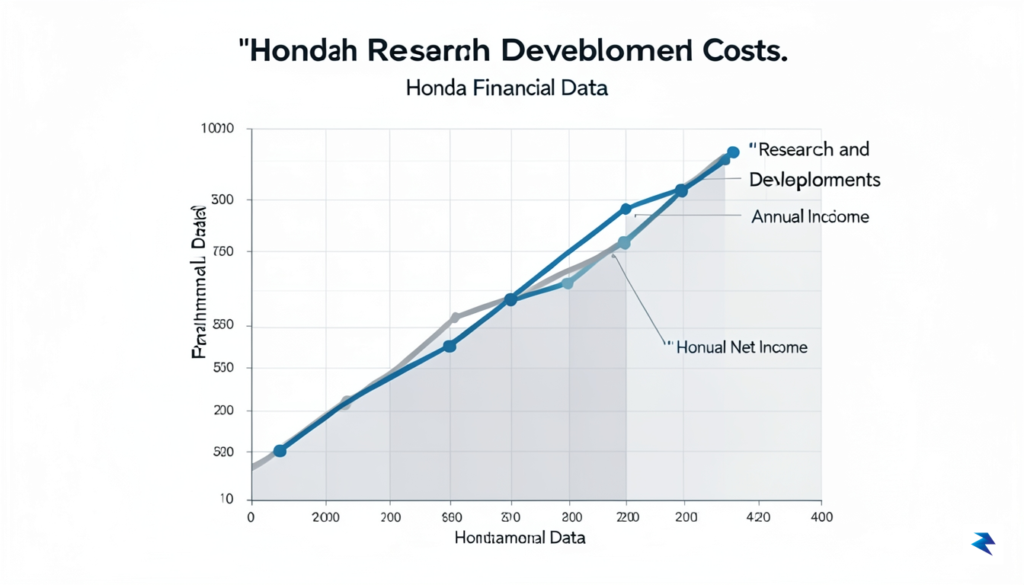
Compounding these internal innovation costs was the reality of global supply chain volatility, which turned Honda’s pivot from a strategic choice into a logistical nightmare. The automotive industry’s reliance on rare earth minerals and semiconductor chips became a bottleneck during the shift; Honda found itself paying premiums to secure these essential components amidst a period of extreme scarcity. When these operational inefficiencies were combined with the high cost of retooling existing assembly lines for electric powertrains, the resulting ledger revealed the company’s first-ever annual loss. This was not merely a result of poor sales, but rather a perfect storm where the cost of building the future eclipsed the revenue generated by the present.
The financial fallout was a sobering reminder that the transition to electrification is not just a technological challenge, but a massive fiscal restructuring that leaves little room for operational error.
Market analysts and investors reacted with notable severity to these disclosures, primarily because the losses exposed a lack of agility in Honda’s transition strategy. Wall Street typically prices in R&D spending when a company demonstrates a clear path to profitability; however, Honda’s inability to stabilize its margins while simultaneously grappling with supply chain disruptions signaled a potential loss of competitive control. Because the financial disclosures indicated that the losses were structural rather than temporary, shareholders grew increasingly apprehensive about the duration of the “valley of death”—the period during which an automaker spends heavily on EVs before they become self-sustaining. This skepticism forced the company to reckon with the harsh reality that even a brand as storied as Honda cannot insulate itself from the brutal economic arithmetic required to reinvent the automobile.

Recovery for a titan like Honda requires more than a simple infusion of capital; it demands a profound recalibration of corporate philosophy and operational execution. The company is now signaling a move away from the rigid, aggressive deadlines that characterized its initial pivot toward battery electric vehicles (BEVs). Instead, leadership is adopting a more pragmatic, phased transition that respects the current limitations of charging infrastructure and shifting consumer demand. By blending its storied heritage of internal combustion reliability with a modernized, flexible product roadmap, Honda aims to stabilize its market position while keeping the door open for long-term innovation.
Central to this new strategy is the elevation of hybrid technology from a mere compliance tool to a foundational bridge. Recognizing that global markets are not yet ready for a total abandonment of gasoline, Honda is doubling down on its proprietary two-motor hybrid systems. These platforms offer the efficiency and environmental benefits that regulators demand, while simultaneously providing the range and ease-of-use that everyday drivers require. This balanced approach allows the company to maintain steady cash flow, which is essential for funding the high-cost research and development required for future high-density battery technologies and autonomous driving software.
To restore investor confidence, Honda is moving beyond internal efforts by actively seeking strategic partnerships that share the immense financial burden of the EV transition. Collaborative ventures—ranging from software development to shared manufacturing platforms—are becoming the bedrock of their new operational model. By pooling resources with tech firms and other automakers, Honda can mitigate the risks associated with volatile supply chains and the rapid obsolescence of battery tech. These alliances are not just about reducing costs; they are a calculated maneuver to accelerate time-to-market for next-generation platforms without compromising the brand’s reputation for quality.
The path to success is no longer a sprint toward a single fuel source, but a marathon of technological diversification that prioritizes consumer needs alongside environmental goals.
Ultimately, the company is undergoing a comprehensive manufacturing overhaul to ensure that its facilities can pivot between different powertrains with minimal downtime. This agility is the key to surviving a market that remains notoriously difficult to predict. As Honda refines its assembly processes, it is also deepening its investment in vertical integration, particularly in the sourcing of raw materials for batteries. By securing its supply chain and maintaining a diversified portfolio of hybrids, plug-in hybrids, and dedicated EVs, Honda is positioning itself to be more resilient, ensuring that it can meet the customer where they are today, rather than where the industry hoped they would be a decade ago.
You must be logged in to post a comment.