Understanding the Xbox Price Hike: What You Need to Know
Microsoft has officially confirmed a significant adjustment to the retail pricing of its Xbox Series X and Series S consoles, slated to take effect this August. This isn’t just a minor tweak; it’s a strategic pricing move that will see consumers paying more for their desired gaming hardware across various key markets. For many prospective buyers who have been patiently waiting for a deal or simply planning their purchase, this announcement serves as a clear signal: the window for securing these consoles at their current, more accessible price point is rapidly closing. Consequently, understanding the specifics of this impending change is crucial for anyone hoping to upgrade their gaming setup or dive into the Xbox ecosystem without incurring additional costs.
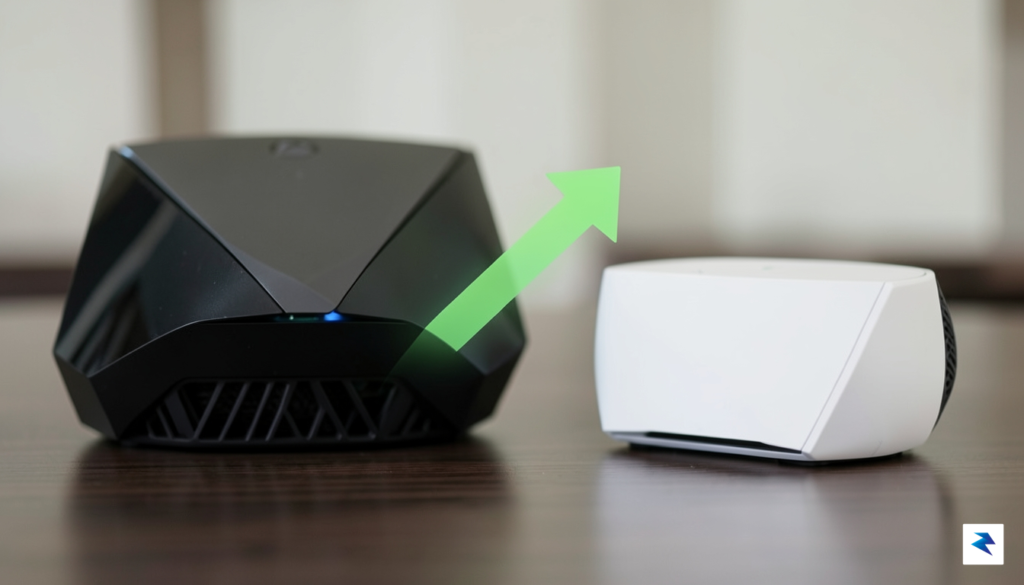
This upcoming price increase isn’t an isolated incident but rather the second such adjustment for Xbox consoles in less than a year, following a similar move in specific regions previously. This trend reflects a broader shift within the gaming industry, where inflationary pressures, rising manufacturing costs, and global economic factors are increasingly impacting hardware pricing. While consumers might feel the pinch directly, these adjustments are often a response to a complex web of economic realities that game console manufacturers are navigating. The ripple effect extends beyond just the console itself, potentially influencing accessory prices and even the perceived value of older generations as the new baseline shifts upwards, thereby reshaping the broader gaming market landscape.
Given that this represents a second, comprehensive wave of price adjustments, the urgency for budget-conscious gamers to act now cannot be overstated. Waiting until August will unequivocally mean paying a premium for the same console that is currently available at a lower price. This situation creates a critical time-sensitive opportunity for anyone who has been eyeing an Xbox Series X or Series S, as current inventory may be the last available at pre-hike prices. Securing your console before the new pricing model takes hold is the most effective strategy to lock in current savings and avoid the inevitable disappointment of increased costs just around the corner. Therefore, for those committed to maximizing their value, exploring current deals and making a purchase sooner rather than later is not merely advisable, but absolutely essential.
The Supply Chain Dilemma: Why Memory Costs are Hurting Hardware

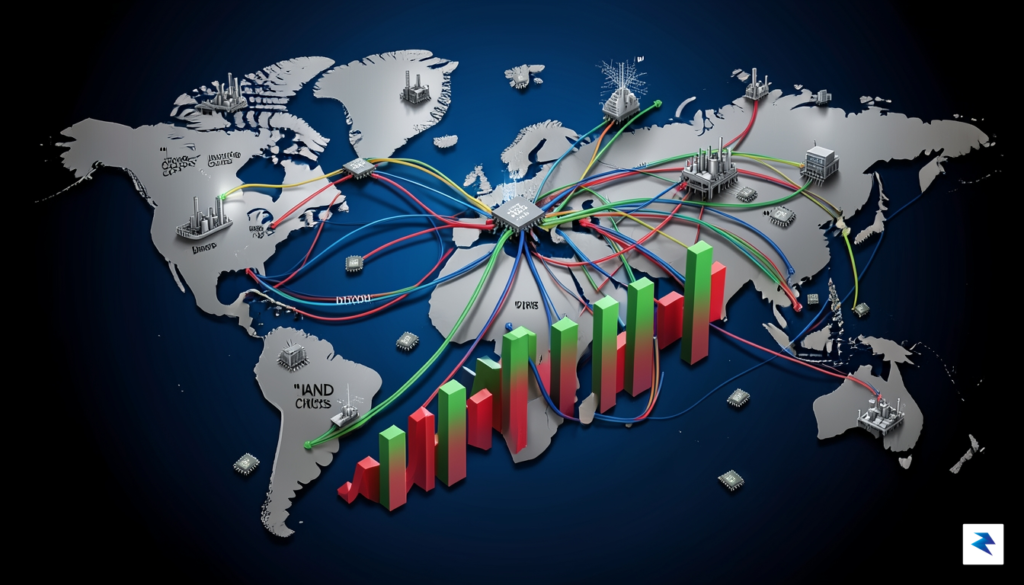
The console market, much like many other sectors reliant on advanced electronics, is currently navigating a tempestuous sea of economic pressures. The whispers of an impending price adjustment for the Xbox Series X|S aren’t merely a strategic decision by Microsoft; rather, they reflect a pervasive global issue rooted deeply in the complex world of semiconductor manufacturing and supply chains. This isn’t an isolated phenomenon affecting only gaming enthusiasts; instead, it’s a ripple effect from a broader economic trend impacting everything from the production of new cars to the availability of laptops and even crucial industrial equipment.
At the heart of the matter are the escalating costs of critical memory components that power modern consoles. Specifically, we’re talking about NAND flash memory, which provides the console’s internal storage, and DRAM (Dynamic Random-Access Memory), which acts as the system’s high-speed working memory, crucial for running games smoothly and efficiently. These components are fundamental to the performance and overall functionality of any computing device, including your Xbox. As demand for these sophisticated chips has surged across countless industries, and the capacity to produce them has struggled to keep pace, their market prices have naturally climbed, directly impacting the bill of materials for every console manufactured.
The global supply chain itself has been a significant source of volatility. Disruptions ranging from the lingering effects of the pandemic on manufacturing and logistics to geopolitical tensions and even localized natural disasters have strained the delicate balance of production and distribution. Factories producing silicon wafers, assembly lines for chips, and the complex networks for shipping components worldwide have all faced unprecedented challenges. Consequently, lead times for components have lengthened, and the cost of securing these essential parts has risen dramatically, creating a domino effect that ultimately translates to higher manufacturing costs for hardware companies like Microsoft.
This increased financial burden on manufacturers isn’t sustainable without adjustments, and inevitably, some of these costs are passed on to the consumer. It’s not necessarily about companies seeking to drastically increase their profit margins, but rather about maintaining economic viability in an environment where the core components of their products are becoming significantly more expensive to procure and integrate. Therefore, the potential for a console price hike isn’t a punitive measure but a necessary recalibration in response to an altered economic reality, reflecting the genuine increase in the cost of producing these advanced gaming machines.
Ultimately, the Xbox news serves as a potent reminder of the interconnectedness of the global tech industry. The challenges faced by Microsoft are mirrored by similar struggles in PC hardware, smartphone manufacturing, and even specialized industrial computing. Consumers are witnessing a broader trend where the era of ever-decreasing hardware costs, fueled by manufacturing efficiencies, is giving way to a period of inflationary pressure on advanced electronics. Securing a console at today’s prices might very well be an astute move, as the underlying economic currents suggest that current savings could become increasingly difficult to find in the near future.
Strategic Shopping: How to Find Deals Before the August Deadline

With an impending price adjustment for Xbox consoles on the horizon, the window to secure a new system at current, more favorable price points is rapidly closing. Savvy shoppers understand that the existing retail inventory holds the key to significant savings, but finding those deals requires a focused and strategic approach. This isn’t just about looking for a sale; it’s about actively hunting down stock before the official price hike takes effect, ensuring you lock in today’s value before it’s gone.
Your immediate course of action should be to meticulously check major retailers for current stock and ongoing promotions. Mid-summer is often a prime period for sales, with events like Prime Day, Walmart’s “Deals for Days,” Target’s “Deal Days,” and Best Buy’s various sales providing excellent opportunities. These events are designed to move inventory, making them ideal times to find an Xbox Series X or S bundle that might include games or accessories at a discounted rate, or simply the console at its current standard price before the increase. Many retailers strategically clear out existing stock ahead of new product cycles or price changes, so keep a vigilant eye on their digital storefronts and weekly ads.
To truly stay ahead of the curve, leverage modern price tracking tools and browser extensions. Services like CamelCamelCamel for Amazon, Keepa, or general price trackers like Honey and Rakuten can alert you the moment an Xbox console drops in price or becomes available from a reputable seller. These tools often allow you to set up email or push notifications for specific products, ensuring you’re among the first to know when a deal surfaces or when stock is replenished. Utilizing such technology minimizes the need for constant manual checking and significantly increases your chances of snagging a console before others do.
While the urgency is high, it’s paramount to exercise caution, especially when navigating third-party sellers. The impending price increase might unfortunately embolden predatory sellers who attempt to charge exorbitant prices for consoles they may or may not even possess. Always prioritize purchasing directly from authorized retailers like Amazon, Best Buy, Target, Walmart, GameStop, or Microsoft’s official store. If you consider a third-party seller on a marketplace, scrutinize their seller ratings, review history, and return policy meticulously to avoid scams or receiving a console without a valid warranty. A deal that seems too good to be true often is, especially when demand is high.
Finally, before committing to any purchase, always verify the inventory status directly with the retailer. Add the console to your cart to confirm availability and proceed to the checkout page to see the final price, including shipping and taxes. Some retailers offer in-store pickup, which can be an excellent way to secure a console locally and bypass shipping delays, but confirm the specific store’s stock online before making a trip. Double-check the model number and bundle contents to ensure you are getting exactly what you intend. Acting quickly but methodically is your best strategy to secure an Xbox at current pricing before the August deadline.

Xbox Series X vs. Series S: Choosing the Right Console for Your Needs
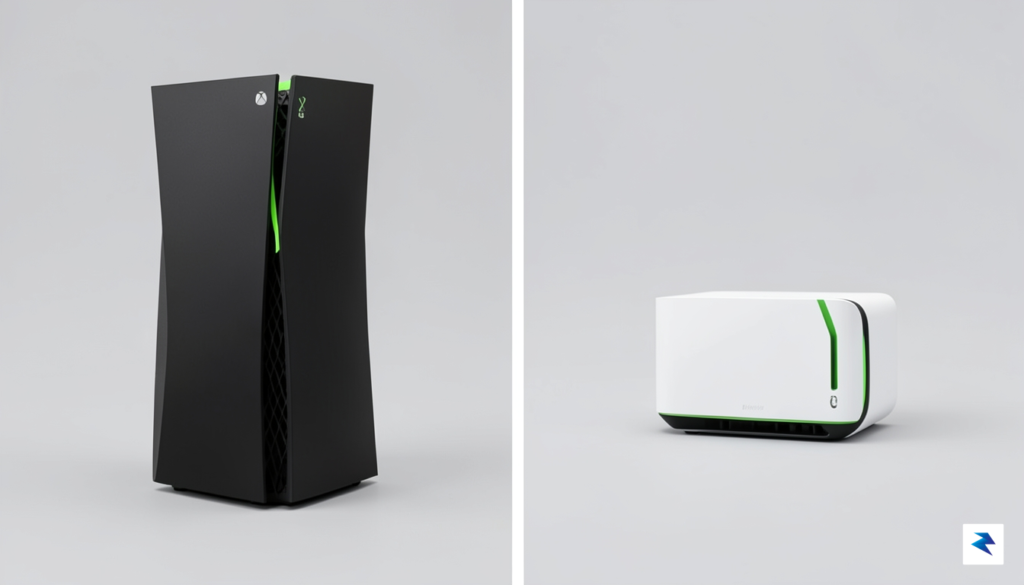
As whispers of impending price adjustments for gaming consoles grow louder, making an informed decision about your next Xbox purchase is more crucial than ever. Before you commit to a console, it’s absolutely vital to understand the nuanced functional differences between the Xbox Series X and the Xbox Series S. Both offer next-generation gaming experiences, but they cater to distinct player profiles and budgets. Choosing the right hardware ensures you not only get the best value for your investment, regardless of any future price shifts, but also the most satisfying gaming experience tailored to your specific needs.
Raw Power and Visual Fidelity
At the heart of the decision lies raw processing power and graphical output. The Xbox Series X is the undisputed powerhouse of the two, boasting 12 teraflops of GPU performance, designed to deliver native 4K resolution gaming at up to 120 frames per second. This means crisper images, more detailed textures, and smoother gameplay, especially noticeable on high-end 4K televisions. For gamers who prioritize the absolute best visual fidelity and performance, pushing their displays to the limit with the latest AAA titles, the Series X offers an uncompromising experience.
In contrast, the Xbox Series S is a more compact and budget-friendly console, offering 4 teraflops of GPU performance. While it’s still a significant upgrade from previous generations, it primarily targets 1440p resolution gaming, often upscaling to 4K for display, and generally aiming for 60 frames per second. This makes it an excellent choice for players with 1080p or 1440p monitors and TVs, or those who are less concerned with pushing every pixel to its maximum. It still delivers a fantastic next-gen experience, just at a slightly lower visual ceiling, making it a highly capable machine for its price point.
Storage and Game Libraries
Another critical differentiator is internal storage capacity. The Xbox Series X comes equipped with a spacious 1TB custom NVMe SSD, providing ample room for a substantial library of modern games, which are increasingly demanding in terms of file size. This large, ultra-fast SSD is crucial for rapid loading times and seamless gameplay, ensuring you spend more time playing and less time waiting. However, even 1TB can fill up quickly with several large AAA titles, making external expansion a consideration for prolific gamers.
The Xbox Series S, on the other hand, features a 512GB custom NVMe SSD, of which a significant portion is reserved for the system software, leaving approximately 364GB of usable space. While this is still incredibly fast, the smaller capacity can become a limiting factor quite rapidly, especially given the multi-gigabyte installations of today’s games. For Series S owners, investing in an official Xbox Series X|S Storage Expansion Card or a compatible external HDD/SSD for older generation games is almost a necessity to comfortably manage their game library. This additional cost should be factored into the overall budget when considering the Series S.
Disc Drive vs. Digital-Only Convenience
Perhaps the most straightforward difference between the two consoles is the presence of a physical disc drive. The Xbox Series X includes a 4K UHD Blu-ray drive, allowing players to purchase, play, and collect physical game discs. This offers several benefits, including the ability to buy pre-owned games at lower prices, lend or resell games, and utilize existing Blu-ray movie collections. For gamers who appreciate the tangible aspect of ownership or hunt for physical deals, the Series X provides that flexibility.
Conversely, the Xbox Series S is a purely digital console, completely lacking a disc drive. All games must be purchased and downloaded from the Xbox digital storefront. While this offers unparalleled convenience, instant access to your library, and a smaller, sleeker console design, it also means you’re entirely reliant on digital sales and cannot play physical discs or resell games. This makes the Series S an ideal choice for subscribers to Xbox Game Pass, who primarily stream or download their entire library, or for those who have fully embraced the digital future of gaming.
Determining Your Long-Term Value
Ultimately, the “best value” isn’t solely about the initial price tag; it’s about how well the console aligns with your individual gaming habits and expectations over time. If you own a high-end 4K TV, demand the absolute best graphical performance, prefer collecting physical games, or want the most future-proof hardware for years to come, the Xbox Series X is likely the superior long-term investment. Its higher initial cost is justified by its raw power and versatility, ensuring you won’t feel the need to upgrade for a considerable period.
However, if you’re a casual gamer, primarily subscribe to Xbox Game Pass, play on a 1080p or 1440p display, or simply want the most affordable entry point into next-gen gaming without sacrificing core performance, the Xbox Series S offers phenomenal value. Its compact size and digital-first approach make it incredibly convenient, and for many, the slightly lower resolution and smaller storage are perfectly acceptable trade-offs for the significant cost savings. Evaluate your priorities carefully to lock in the console that truly fits your gaming lifestyle before any potential price shifts occur.
The Future of Console Pricing and Market Trends
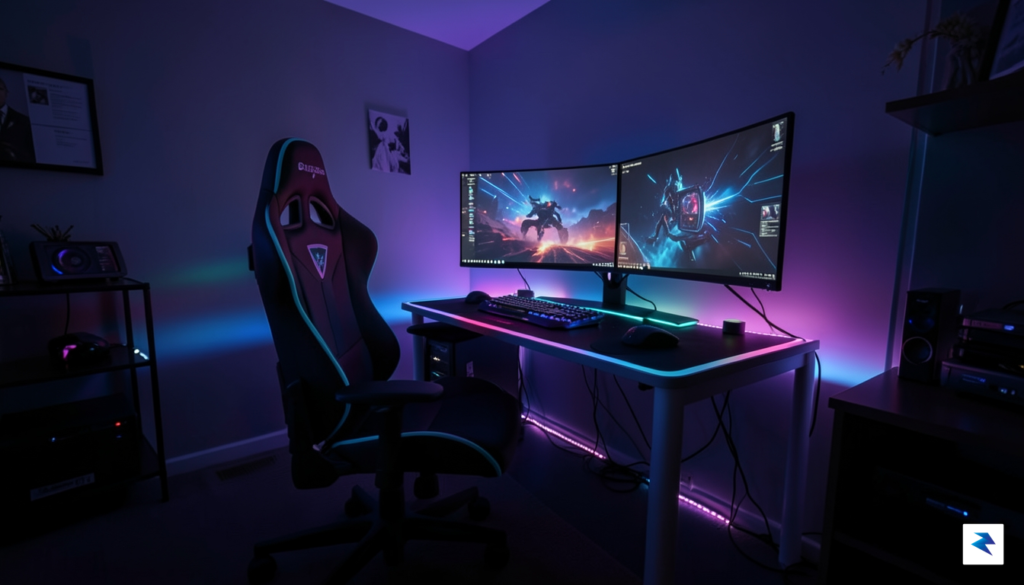
The recent murmurs of price adjustments for popular gaming consoles like the Xbox have inevitably led many to wonder about the future of home gaming affordability. Is this simply a fleeting market correction, a temporary hurdle consumers must navigate, or are we witnessing a more fundamental, long-term shift in how gaming hardware is priced? Understanding these underlying dynamics is crucial for anyone planning their next console upgrade, enabling a more informed decision about when and how to invest in their gaming future. This isn’t just about a single console; it’s about the broader trajectory of the entire gaming hardware market and what it means for consumers.
Historically, console launches often start at a premium, with prices gradually decreasing over their lifespan as manufacturing processes become more efficient and economies of scale kick in. However, the current economic climate, marked by persistent global inflation, increased production costs for components, and lingering supply chain complexities, presents a unique challenge to this traditional model. These macroeconomic pressures are not just minor blips; they represent significant overheads for manufacturers, making it increasingly difficult to absorb rising expenses without passing some of that cost onto the consumer. Therefore, while sharp, sudden price hikes might be temporary, a gradual upward re-evaluation of base prices, reflecting these new realities, could indeed become the new standard for this generation and potentially beyond.
In this evolving landscape, subscription services like Xbox Game Pass play an increasingly pivotal role in the value proposition of gaming hardware. By offering an expansive, ever-rotating library of games for a relatively modest monthly fee, these services effectively “soften” the blow of a higher upfront console cost. Consumers might be more willing to pay a premium for the hardware if they know they’ll immediately gain access to hundreds of titles without additional per-game purchases, thereby spreading out the perceived cost of entry into the ecosystem. This strategic pivot by console manufacturers towards a service-centric model suggests that while hardware prices may stabilize at a higher baseline, the overall cost of entry into “gaming ownership” could be redefined by these integrated subscription offerings, shifting the focus from outright game purchases to ongoing service access and a more holistic entertainment package.
Given these considerations, deciding whether to invest in a new console now or wait for potential future sales becomes a nuanced calculation. While holiday sales events like Black Friday historically offer some of the best discounts, the current market volatility means that significant price drops on consoles might be less dramatic or frequent than in previous generations, especially if underlying production costs remain high. If you’re eager to upgrade and can secure a console at its current standard retail price, it might be a prudent move rather than betting on substantial future reductions that may not materialize. Conversely, if your current setup is still serving you well, waiting a few months could potentially yield modest savings or, at the very least, provide more clarity on market trends and inventory levels, helping you make a more informed decision.
Ultimately, the future of console pricing appears to be navigating a complex intersection of inflationary pressures, technological advancements, and the burgeoning influence of subscription-based services. While dramatic, sudden price jumps may indeed be temporary adjustments, the overall trend points towards a potential recalibration of what constitutes a “standard” console price, possibly establishing a higher baseline moving forward. The savvy gamer will need to weigh the immediate gratification and certainty of current prices against the speculative hope of future discounts, always keeping in mind the long-term value offered by integrated services that increasingly define the modern gaming experience. Planning for future upgrades will involve not just the hardware cost, but the total ecosystem value proposition.