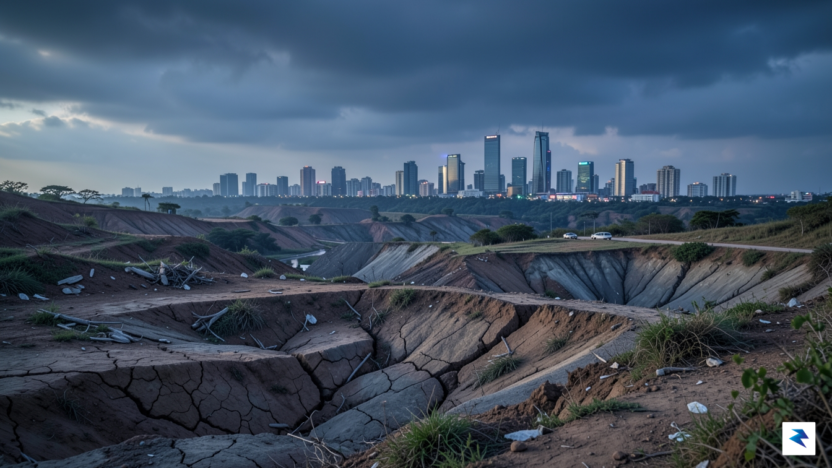
Understanding the Seismic Doublet Phenomenon
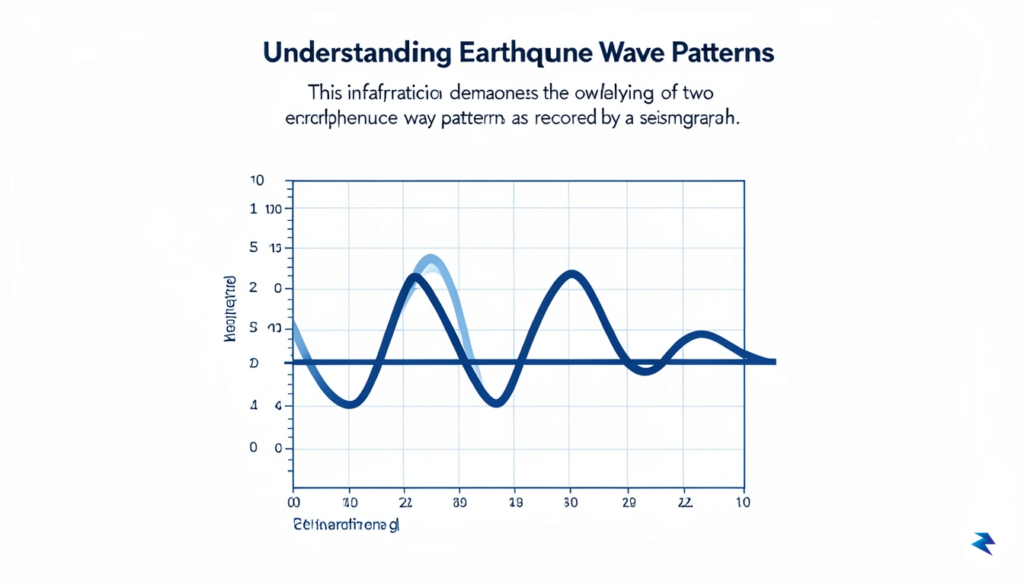
In the complex language of seismology, a “seismic doublet” represents a rare and particularly intriguing phenomenon where two significant earthquakes occur in close temporal and spatial proximity. Unlike a typical earthquake sequence, which usually features one massive mainshock followed by a series of progressively smaller aftershocks, a doublet is defined by the occurrence of two distinct, high-magnitude ruptures that strike within a confined geographic zone in rapid succession. While standard aftershocks are caused by the crust adjusting to the stress changes triggered by the primary event, a seismic doublet involves two independent ruptures that share a deep, mechanical connection. The recent events in Venezuela provide a textbook case of this geological anomaly, offering researchers a unique window into how fault lines interact and how the energy from one rupture can effectively “trigger” a second, equally powerful geological event.

The statistical rarity of these events is precisely what makes them a “double whammy” for both the scientific community and emergency management teams. When a traditional earthquake occurs, responders and scientists can reasonably focus their mitigation efforts on the aftershock decay pattern, which follows a predictable statistical path. However, a seismic doublet defies these established norms, as the second event can be just as destructive—if not more so—than the first. This creates a nightmare scenario for emergency response, as rescue infrastructure and building integrity are already compromised by the initial tremor when the second, potentially catastrophic impact strikes. Furthermore, for geologists, these events challenge existing models of fault mechanics, forcing them to re-evaluate how stress is transferred across a fault plane and whether specific regional conditions make a tectonic plate more susceptible to these back-to-back ruptures.
A seismic doublet is not merely a sequence of events, but a complex interaction where the primary rupture acts as a catalyst for a second, independent release of tectonic energy, fundamentally altering the surrounding stress environment.
Ultimately, the Venezuelan doublet serves as a profound reminder of the volatile nature of the earth’s crust. By studying these linked events, seismologists hope to better understand the cascading effects that follow an initial rupture and develop more robust warning systems. While we cannot yet predict exactly when such a doublet will occur, analyzing the unique mechanics of the Venezuelan event allows us to refine our understanding of fault interaction. This, in turn, helps move the needle toward more effective disaster preparedness and, eventually, a more comprehensive grasp of the seismic cycles that shape our planet’s surface.
The Geological Anatomy of Venezuela's Fault Lines
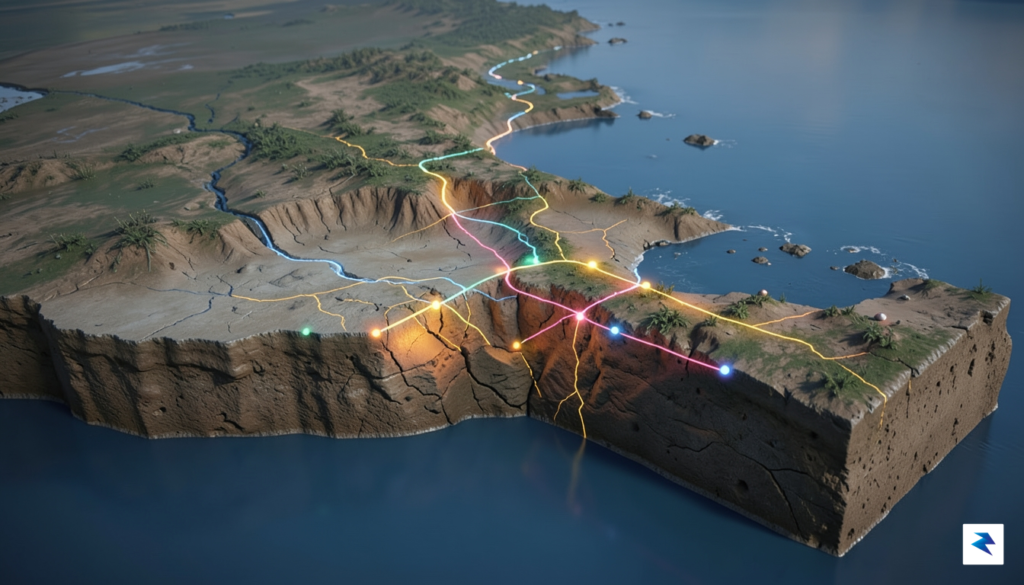
Venezuela’s volatile seismic landscape is primarily dictated by its location at a complex tectonic crossroads where the Caribbean Plate and the South American Plate grind against one another. Unlike the dramatic subduction zones found along the western coast of South America, this northern boundary is characterized by a “transform” motion, where these massive crustal blocks slide laterally past each other. This relentless, grinding movement does not occur smoothly; instead, the plates frequently become locked due to friction, causing tectonic stress to accumulate deep within the Earth’s crust over decades or even centuries. When the pent-up energy finally overcomes this frictional resistance, it is released in sudden, violent bursts, manifesting as the powerful earthquakes that occasionally reshape the Venezuelan landscape.
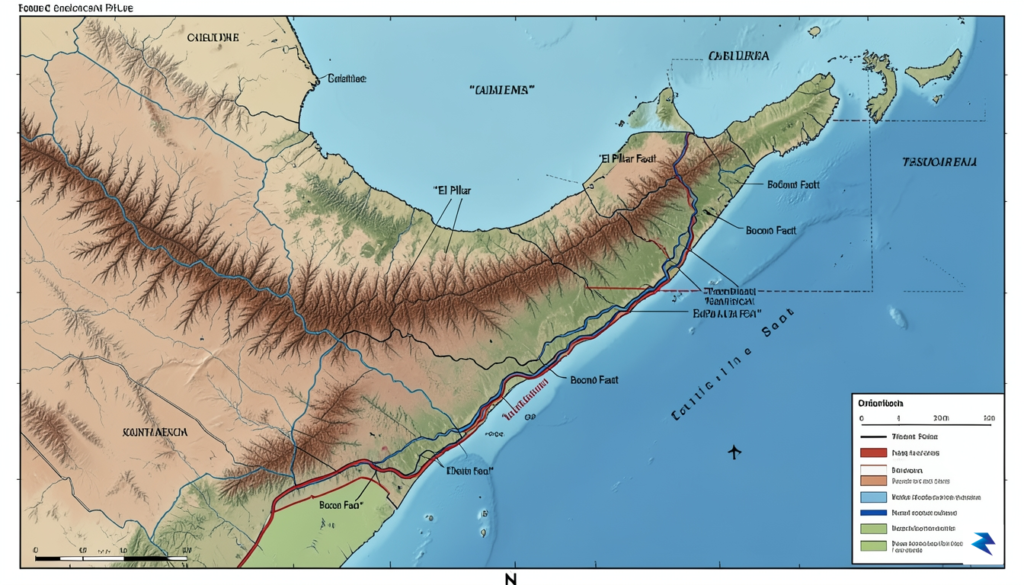
The specific fault systems responsible for this activity, such as the Boconó, San Sebastián, and El Pilar faults, act as the primary conduits for this tectonic tension. These major geological scars trace a path across the northern portion of the country, slicing through mountainous terrain and running perilously close to densely populated urban centers. Because these faults have been locked in place for prolonged periods, they have essentially become time bombs of geological energy. Geologists have long monitored these structures, noting that the rate of crustal deformation suggests a high probability for significant seismic events. The recent “seismic doublet”—a rare occurrence where two major earthquakes follow one another in quick succession—is a testament to the interconnected nature of these fault segments, where the rupture of one section can trigger a rapid, cascading failure in an adjacent, equally stressed zone.
The structural complexity of the northern Venezuelan margin means that seismic energy is rarely released in isolation; instead, it often ripples through a network of interconnected faults, turning a single event into a compounded geological crisis.
Historically, Venezuela is no stranger to such seismic violence, with records dating back centuries documenting catastrophic tremors that have leveled cities and altered the course of regional development. However, the recent doublet phenomenon serves as a stark reminder that our understanding of these deep-seated processes is still evolving. While the historical record provided a clear blueprint for the region’s high earthquake risk, the precise timing and the “doublet” nature of the recent events highlight the inherent unpredictability of tectonic dynamics. By studying these patterns, researchers hope to better characterize the frictional properties of the fault lines, ultimately helping to bridge the gap between acknowledging the inevitability of these events and better preparing the infrastructure and communities that stand in their path.
How Stress Transfer Triggers Sequential Earthquakes

To understand why a major earthquake is sometimes immediately followed by another, we must look at the invisible, restless forces locked deep within the Earth’s crust. When a fault segment finally gives way under centuries of tectonic pressure, it does not simply dissipate its energy into a vacuum. Instead, the sudden rupture acts like a violent redistribution of weight. Think of a long, tightly stretched rubber band that snaps in the middle; the tension isn’t gone, but rather, it is instantaneously transferred to the remaining intact segments. In geological terms, this is known as static stress transfer. As one section of a fault slips, it pushes the surrounding rock mass, effectively “loading” the adjacent, locked segments with even more pressure than they were already bearing.
This process creates a precarious balance along the fault line, often resulting in either a “stress gain” or a “stress shadow.” A stress gain occurs when the movement of one earthquake pushes a neighboring segment closer to its breaking point, essentially priming it for failure. Conversely, a stress shadow is an area where the recent rupture has actually relieved pressure, making a follow-up quake in that specific direction less likely in the immediate future. When a fault is already near its critical threshold, this transferred load can be the final nudge needed to trigger a second rupture. It is akin to a spring-loaded trap that has been set; once the first trigger is tripped, the mechanical shift in the system forces the secondary mechanism to snap as well.
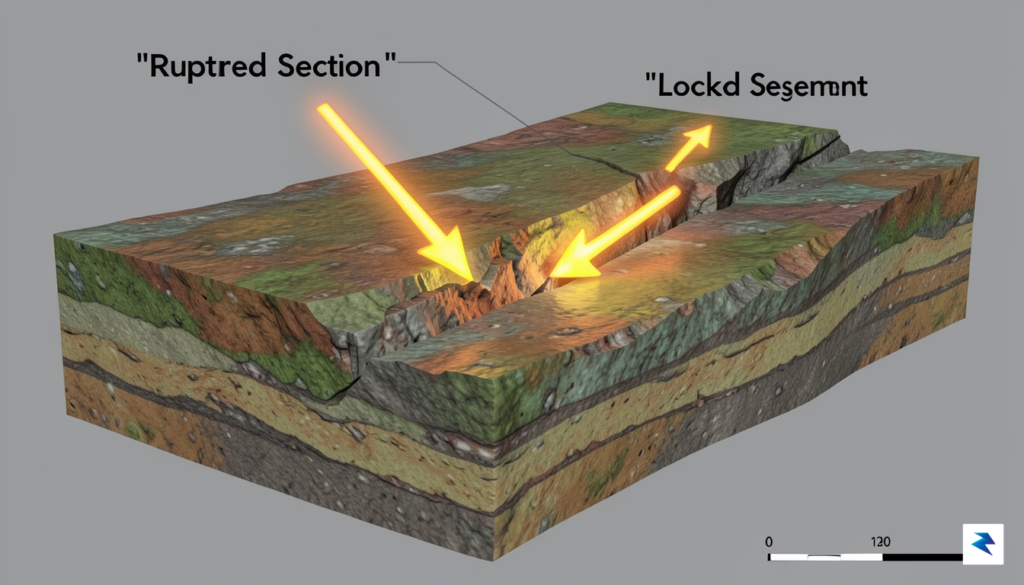
Essentially, the earth is a complex, interconnected machine where the movement of one gear inevitably changes the torque applied to its neighbors.
For the average observer, these sequential events—often referred to as a “seismic doublet”—can feel like a chaotic series of random occurrences, but they are actually a logical consequence of physics. Because the Earth’s crust is composed of rigid, interlocking plates, there is no such thing as an isolated movement. The energy released by the initial earthquake radiates outward, and if that energy is directed toward a segment that is already “locked” and under high strain, the likelihood of a secondary event skyrockets. This domino effect demonstrates that the danger posed by a fault line is rarely confined to a single moment of impact, as the physical geometry of the fault dictates the path of least resistance for subsequent failures.
Assessing the Risks: Why Rare Events Matter for Infrastructure
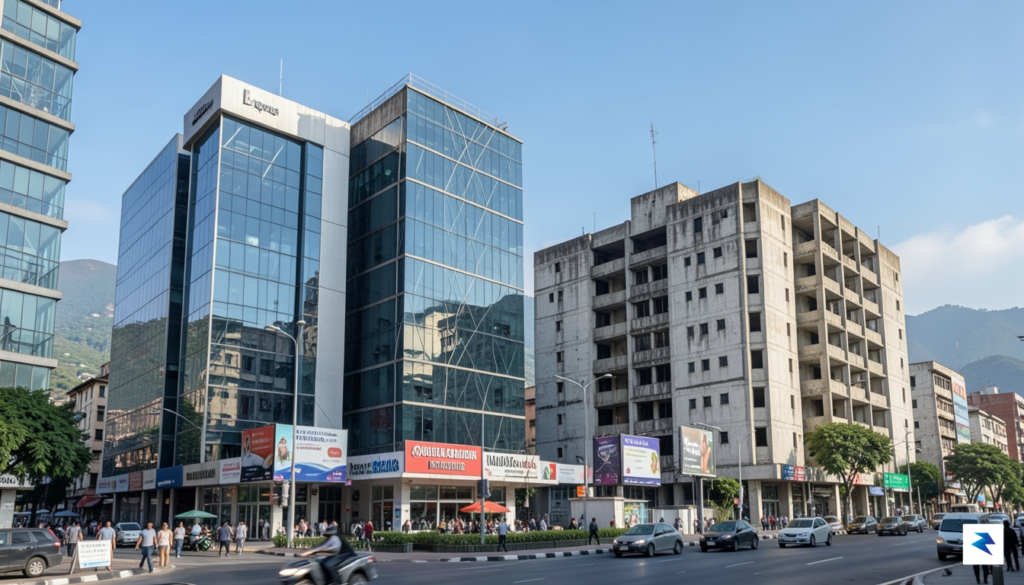
The phenomenon of a seismic doublet presents a unique and harrowing challenge for urban infrastructure that standard engineering models often fail to capture. When two significant earthquakes strike in rapid succession, the structural integrity of buildings is tested in a cumulative manner that defies traditional safety margins. During the first tremor, a structure may undergo inelastic deformation, developing hairline fractures or compromising the stiffness of key joints and load-bearing columns. While a building might remain standing after an initial shock, its resilience is drastically reduced, effectively leaving it in a “pre-damaged” state when the second seismic wave arrives. This creates a dangerous vulnerability, as the secondary event—even if lower in magnitude—can trigger a total collapse of a structure that would have otherwise survived a single, isolated tremor.
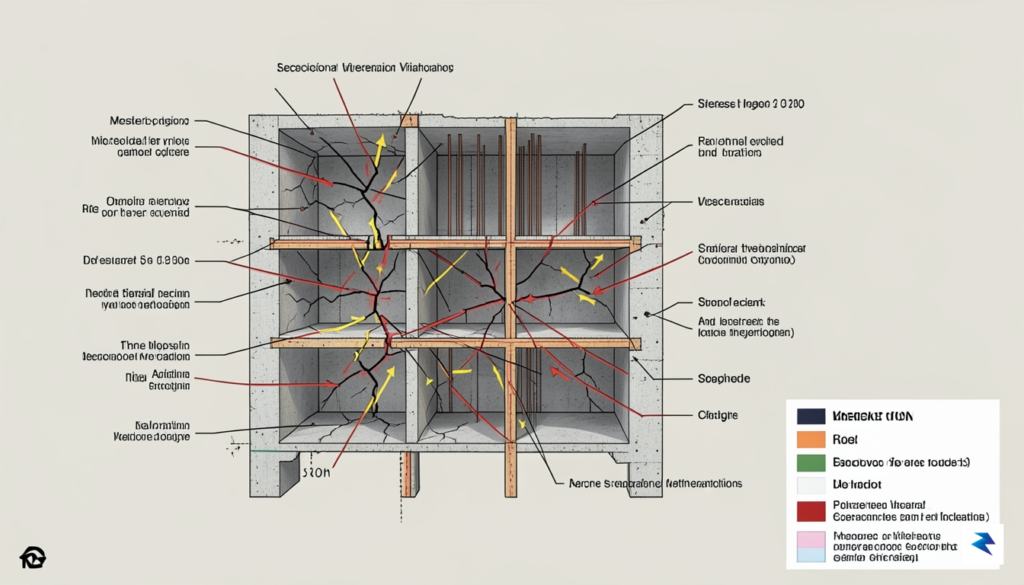
Consequently, this reality is forcing a paradigm shift in how Venezuela’s urban planners and civil engineers approach seismic design. Modern building codes are increasingly moving beyond the “life safety” standard, which focuses on preventing immediate collapse, toward a more nuanced goal of “resilience-based design.” This evolution requires engineers to account for the energy dissipation capacity of materials over multiple cycles of stress. By incorporating advanced damping systems and more ductile materials, new construction projects aim to ensure that a building can absorb the shock of a first earthquake without suffering the kind of permanent, destabilizing fatigue that would render it a hazard during a subsequent event.
The core danger of a seismic doublet lies in the “residual capacity” of a building; if the first tremor consumes the structural margin of safety, the second event acts upon a compromised frame, exponentially increasing the risk of sudden structural failure.
Perhaps the most critical aspect of managing these rare events is the implementation of rapid, high-precision post-earthquake structural assessments during the narrow window between sequential shocks. Traditional inspection protocols, which often rely on visual surveys over several days, are insufficient when another tremor may occur within hours. Urban authorities are now exploring the integration of real-time structural health monitoring systems—using accelerometers and automated sensors—to provide immediate data on a building’s post-quake stability. By establishing automated protocols that can designate a structure as “unsafe for re-entry” before the second wave strikes, planners can significantly reduce the potential for mass casualties. This proactive approach to data collection transforms the interval between quakes from a period of chaotic uncertainty into a window of actionable intelligence, ultimately protecting the lives of residents who might otherwise remain in compromised structures.
Improving Preparedness in a Changing Seismic Landscape

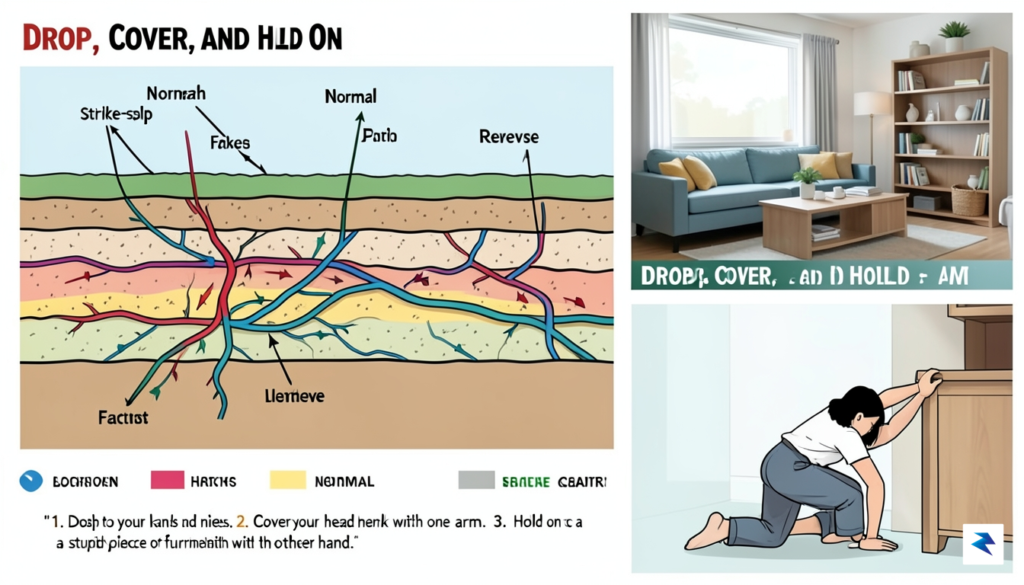
While the scientific community cannot pinpoint the exact second a tremor will strike, the emergence of seismic doublets demands a radical shift in how we approach disaster readiness. Preparedness is no longer a static goal centered on surviving a single jolt; instead, it must evolve into a dynamic state of situational awareness that accounts for the high probability of a secondary, often more destructive, follow-up event. When the ground first stops shaking, the natural human instinct is to rush toward an exit or immediately begin assessing property damage. However, in the context of a doublet, this impulse can be lethal. Residents must adopt a “wait-and-assess” mentality, remaining in a secure location or a designated safe zone for an extended period, as the initial quake may have simply been a precursor to a larger release of tectonic stress.
Education serves as our primary defense against the panic that often follows seismic activity. Public awareness campaigns must explicitly teach that one tremor does not signify the end of a geological event. By fostering a culture that treats the first strike as a “warning bell” rather than the main event, we can significantly reduce the number of injuries caused by falling debris during secondary shocks. Furthermore, local governments should prioritize the installation and maintenance of robust early warning systems that broadcast real-time data to mobile devices. These systems act as a vital bridge between complex geological monitoring and the average citizen, providing the few seconds of lead time necessary to move away from hazardous structural elements like glass windows, heavy shelves, or unstable masonry.
The most dangerous aspect of a seismic doublet is the false sense of security that occurs between tremors; residents must remain vigilant until official geological authorities explicitly declare that the seismic sequence has stabilized.
Community-based disaster response is equally critical in regions prone to unpredictable seismic activity. Because professional emergency services may be overwhelmed during the immediate aftermath of a double strike, neighborhood-level organization can literally save lives. Local groups should conduct regular drills that specifically simulate the “double-jolt” scenario, training residents to check for gas leaks and structural integrity only after the threat of further movement has subsided. By integrating these protocols into our daily lives and municipal planning, we transform fear into a structured, proactive strategy that ensures our communities are resilient enough to withstand the volatile and changing nature of our planet’s crust.