
How Base Power is Fixing the Grid Crisis from Inside Your Home
The Looming Power Grid Crisis For decades, our electrical grid has operated on a top-down, centralized model designed for a world of…


The concept of chronotherapy—the practice of timing medical treatments to align with the body’s internal biological clock—has long been hailed as a revolutionary frontier in oncology. At its core, the theory suggests that human cells, including both healthy tissues and malignant tumors, oscillate through daily cycles of metabolic activity and gene expression. By administering chemotherapy or immunotherapy during the specific hours when cancer cells are most vulnerable or when healthy tissues are most resilient, researchers hypothesized that clinicians could significantly maximize efficacy while minimizing debilitating side effects. This personalized, time-dependent approach promised a paradigm shift, moving medicine away from a “one-size-fits-all” dosage schedule toward a more nuanced, rhythm-based precision therapy.
A landmark study published in Nature Medicine appeared to provide definitive evidence for this potential, suggesting that the timing of cancer therapy was a decisive factor in patient survival rates. The researchers posited that morning administration of certain treatments yielded vastly superior outcomes compared to evening sessions, a finding that generated significant buzz within both the scientific community and the general public. Because this study offered a relatively simple, low-cost intervention that could potentially improve the prognosis for countless patients, it was widely regarded as a breakthrough in cancer care, sparking excitement about the integration of circadian biology into routine clinical practice.

However, the promise of this research has been abruptly dismantled. Following an exhaustive internal investigation, Nature Medicine issued a formal retraction of the study, citing profound concerns regarding the integrity of the underlying data. The journal’s editors noted that they could no longer stand by the validity of the reported conclusions, as discrepancies in the data analysis and trial methodology undermined the credibility of the entire project. This retraction serves as a sobering reminder that even studies published in the most prestigious medical journals are not immune to errors, bias, or flaws in scientific rigor.
The retraction of this study is not merely a technical adjustment; it represents a loss of confidence in the foundational data, highlighting the critical necessity for independent verification in high-stakes clinical research.
For the broader scientific community, this incident has ignited a necessary, if uncomfortable, conversation about the reproducibility crisis and the imperative for transparency in clinical trials. When high-profile research is retracted, it complicates the landscape for clinicians who were hoping to implement these findings, and it introduces confusion for patients seeking the most effective treatment options. Moving forward, the scientific community must grapple with how to better validate findings that propose such drastic shifts in standard care, ensuring that the drive for innovation never outpaces the fundamental requirement for bulletproof, verifiable evidence.

When high-impact journals issue a formal retraction, the implications extend far beyond the invalidation of a single paper. Instead, these instances serve as a stark reminder that the entire evidence-based foundation of medical practice relies on the unwavering integrity of reported data. In oncology, where clinical decisions often involve life-altering treatment pathways, the reliance on accurate research is absolute. When systemic issues arise—such as discrepancies in patient enrollment records, unexplained gaps in methodology, or statistical anomalies that seem too perfect to be natural—the scientific community must confront the reality that the peer-review process is not a foolproof shield against error or intentional misrepresentation.

The peer-review process, while essential, primarily functions as a gatekeeper for sound logical structure and experimental design rather than a forensic audit of raw data. Consequently, many integrity issues only surface through rigorous post-publication scrutiny, where independent researchers attempt to replicate findings or identify patterns that deviate from standard biological variability. Common red flags include inconsistencies in patient demographic data, “p-hacking” where researchers selectively report data to achieve statistical significance, and the omission of negative results that would otherwise contradict the study’s primary narrative. These issues are not merely technical oversights; they represent a fundamental departure from the scientific method, which requires full transparency to ensure that physicians and patients are making choices based on reality rather than optimized outcomes.
The integrity of clinical research is not merely a bureaucratic requirement; it is the ethical bedrock that protects patients from ineffective or potentially harmful therapeutic protocols.
Ultimately, the drive for transparency must remain the cornerstone of all cancer research. When a study is retracted, the medical community must pivot toward a culture of open data, where raw information is made available for external validation. This shift is critical because oncology research often involves complex variables—such as the timing of drug administration, known as chronotherapy—that require exceptionally high precision to prove efficacy. By acknowledging that errors can and do occur, institutions can implement more robust safeguards, such as requiring independent audits of primary datasets before publication. This proactive approach ensures that the medical community maintains the trust of the patients it serves, reinforcing the idea that science is a self-correcting process designed to improve human health through verifiable, reproducible truth.
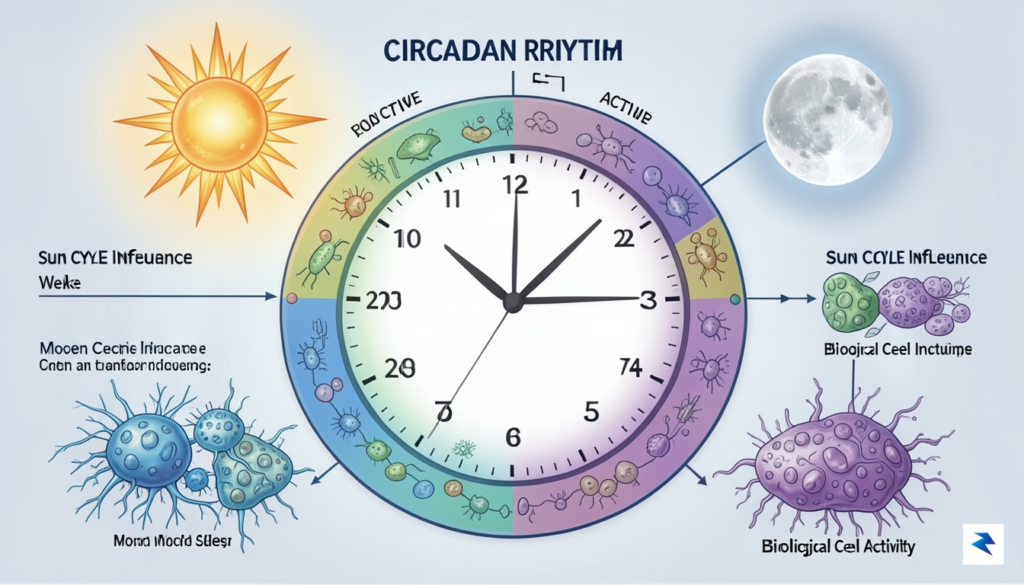
At the heart of the debate surrounding recent retractions lies a fundamental misunderstanding: the conflation of a single flawed trial with the robust, evidence-based field of chronobiology. Our bodies operate on internal biological clocks, governed by the suprachiasmatic nucleus in the brain, which orchestrates a symphony of physiological processes over a roughly 24-hour cycle. These circadian rhythms influence everything from body temperature and hormone secretion to the complex molecular machinery of our cells. In the context of cancer care, this means that human biology is not static; rather, it is a dynamic landscape that shifts in predictable ways from sunrise to sunset.
The field of chronopharmacology explores how the timing of drug administration can significantly alter both the efficacy and the toxicity of treatments. For instance, research has shown that healthy tissues and malignant tumors may have different peaks in metabolic activity and DNA repair mechanisms depending on the time of day. Because chemotherapy drugs often target rapidly dividing cells, understanding when those cells are most vulnerable—or when healthy cells are most resilient—could theoretically optimize treatment outcomes. This is not mere speculation; it is an active area of oncological exploration that aims to minimize the debilitating side effects of toxic therapies while potentially enhancing their ability to destroy tumor cells.

It is essential, however, to distinguish between the promise of chronotherapy and the specific, invalidated claims of the retracted study. While the broader scientific community remains optimistic about the potential of personalized timing in treatment, the recent retraction serves as a sobering reminder of the rigorous standards required for clinical validation. The scientific method demands that if we are to claim a “best time” for treatment, that claim must be backed by transparent data, reproducible results, and a deep understanding of the underlying molecular mechanisms. The failure of one study does not negate the decades of biological data suggesting that time-of-day matters; rather, it highlights the need for more sophisticated, well-controlled trials.
The core principle of chronotherapy rests on the idea that biological systems are temporal, meaning that our response to medicine is intrinsically linked to the time of administration.
Moving forward, researchers must design studies that move beyond simple “morning versus evening” comparisons to address the complexities of individual patient biology. Future inquiries should account for variables such as a patient’s unique sleep-wake patterns, their specific genetic mutations, and the molecular characteristics of their tumors. By integrating these factors, scientists hope to build a more nuanced approach to oncology that respects the rhythm of human life. Through meticulous methodology and a commitment to transparency, the medical community can continue to test whether time-of-day dosing can truly transform cancer care into a more precise, less invasive endeavor.

When high-profile research is retracted, it can understandably feel like a betrayal of the trust patients place in the scientific community. For individuals navigating a cancer diagnosis, the promise of a “breakthrough”—such as the potential benefits of timing chemotherapy to the body’s circadian rhythms—often serves as a vital beacon of hope. Learning that such findings are flawed can be deeply discouraging, leading to a sense of cynicism or fear that medical progress is unreliable. However, it is essential to reframe these moments not as failures of medicine, but as evidence of the scientific method functioning exactly as intended. The retraction process is a rigorous, self-correcting mechanism designed to weed out errors and ensure that only the most robust, reproducible data informs the standard of care.
To avoid the emotional rollercoaster that follows sensationalized medical news, patients and their families should cultivate a critical approach to health headlines. Media coverage often isolates a single study to create a compelling narrative, yet clinical practice is rarely built on the results of just one investigation. Instead, medicine relies on a cumulative body of evidence, including large-scale, multi-center randomized controlled trials that have been peer-reviewed and replicated over time. By prioritizing information from established clinical guidelines and academic institutions over standalone news reports, patients can better distinguish between emerging hypotheses and proven, life-saving strategies.
The strength of medical science lies not in its infallibility, but in its unwavering commitment to transparency and the continuous revision of knowledge based on the best available evidence.

Navigating the distance between experimental research and established protocols is best handled through direct, honest communication with your oncologist. If you come across a study that suggests a potential change to your treatment plan, bring that information to your medical team rather than acting upon it independently. Oncologists are trained to evaluate the quality of data, weigh the potential risks and benefits of experimental versus standard-of-care treatments, and determine whether a specific intervention is appropriate for your unique biological profile. A productive conversation might include questions such as, “How does this new research align with current clinical guidelines?” or “Are there ongoing trials that are currently testing this hypothesis?” By treating your doctor as a partner in interpreting the vast landscape of cancer research, you can move past the confusion caused by retracted studies and remain focused on a treatment path that is backed by the highest standards of evidence-based medicine.

The recent retraction of research surrounding chronotherapy—the practice of timing medical treatments to circadian rhythms—serves as a sobering reminder of the fragility of scientific trust. To prevent similar lapses in the future, the medical community must pivot toward a model of radical transparency. By mandating the pre-registration of all clinical trial protocols, researchers would be effectively locked into their methodology and primary endpoints before a single patient is ever enrolled. This practice, increasingly championed by global health authorities, prevents the common pitfall of “p-hacking” or data dredging, where investigators manipulate findings after the fact to make statistically insignificant results appear groundbreaking.

Beyond pre-registration, the shift toward open-access data repositories is essential for restoring the integrity of high-stakes oncology research. When raw, anonymized datasets are made public alongside published findings, it allows independent researchers to verify conclusions and replicate results in real-time. This “crowdsourced” peer review acts as a powerful deterrent against scientific misconduct, as the threat of public exposure ensures that investigators maintain the highest standards of accuracy. Furthermore, journals should adopt more stringent review requirements for therapeutic studies, potentially including mandatory audits of primary source data by third-party statisticians before a manuscript is even considered for publication.
True scientific progress relies not on the allure of a breakthrough, but on the unshakeable validity of the evidence supporting it.
Rebuilding public confidence following a high-profile retraction is a slow, iterative process that requires institutional humility. Medical journals and research organizations must do more than just issue a correction; they must foster a culture where negative results are valued as much as positive ones. By reducing the intense pressure to publish “positive” findings, the academic community can alleviate the subconscious incentives that sometimes lead to flawed studies. Moving forward, the focus must remain on collaborative verification rather than competitive speed. Ultimately, patients deserve to know that the therapies they rely on are backed by a transparent, rigorous, and verifiable foundation of clinical evidence that places human safety above the prestige of any single institution.
You must be logged in to post a comment.