
Why Professionals Are Switching from ChatGPT to Claude
The Shifting AI Landscape: Why Power Users are Migrating While OpenAI’s ChatGPT burst onto the scene, quickly becoming a household name and…

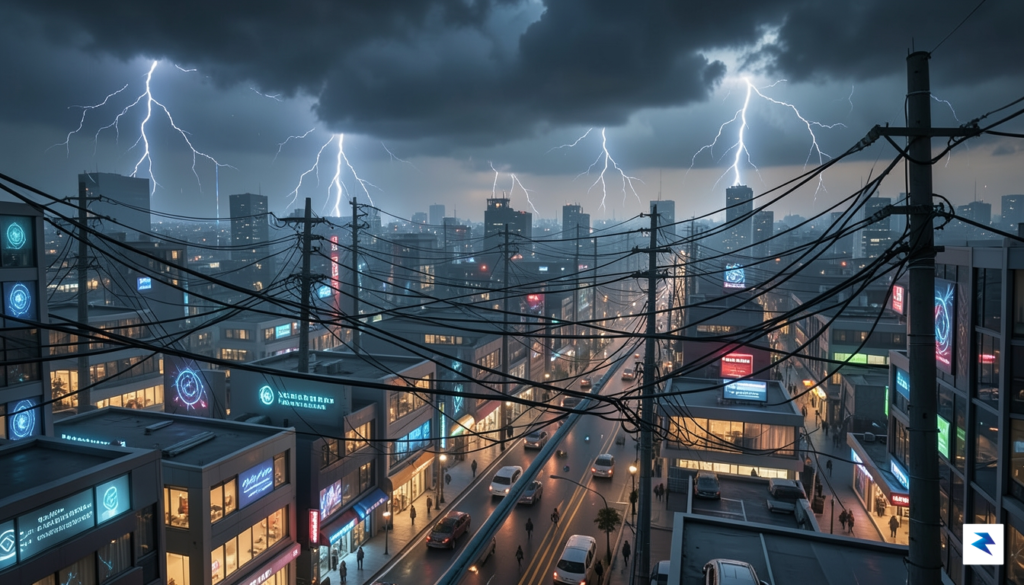
For decades, our electrical grid has operated on a top-down, centralized model designed for a world of predictable, one-way power flow. Massive, distant power plants—mostly burning coal or natural gas—generate electricity that travels across aging transmission lines to reach our homes and businesses. However, this legacy architecture is increasingly ill-equipped to handle the realities of the 21st century. As we aggressively pivot toward electrification, the sheer volume of power required is ballooning, exposing the fragility of a system that was never engineered to accommodate such rapid, widespread shifts in consumption patterns.
The strain on this infrastructure is multifaceted and compounding. On one hand, we are witnessing an unprecedented surge in demand driven by the rise of energy-hungry AI data centers and the widespread adoption of residential electric vehicles. When thousands of households simultaneously plug in their cars during evening peak hours, the grid experiences massive spikes that it struggles to balance. Simultaneously, the transition to renewable energy sources like wind and solar introduces a layer of intermittency that traditional plants were not designed to manage. Because these resources don’t generate power on a constant, linear schedule, the grid requires complex, real-time adjustments that current utility models are often too slow or rigid to execute effectively.
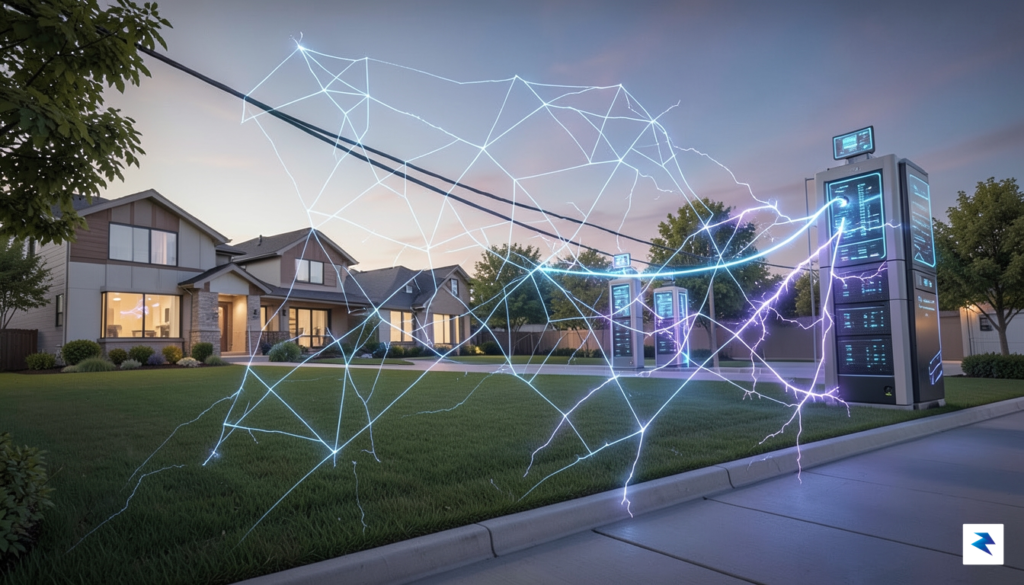
Furthermore, our physical infrastructure is aging, with much of the transmission hardware having exceeded its intended operational lifespan. This degradation makes the system highly susceptible to instability during extreme weather events, which are becoming more frequent and severe due to climate change. When a heatwave hits or a storm rolls through, the grid’s inability to dynamically reroute power or tap into localized reserves often leads to rolling blackouts or emergency load shedding. The centralized utility model acts as a single point of failure; if the main supply is disrupted, the entire downstream network suffers, leaving communities vulnerable to prolonged outages.
The core problem is not necessarily a lack of total energy capacity, but a profound lack of flexibility and responsiveness in how that energy is distributed across a rigid, outdated network.
To move forward, we must transition away from this brittle, centralized paradigm toward a more resilient, decentralized approach. By moving intelligence and storage capabilities closer to the consumer—essentially turning homes into micro-nodes of the grid—we can alleviate the pressure on major transmission lines. Without this shift, the bottleneck between our aspirations for a high-tech, electrified economy and the physical limitations of our power delivery system will only continue to widen, threatening both our economic productivity and our daily quality of life.
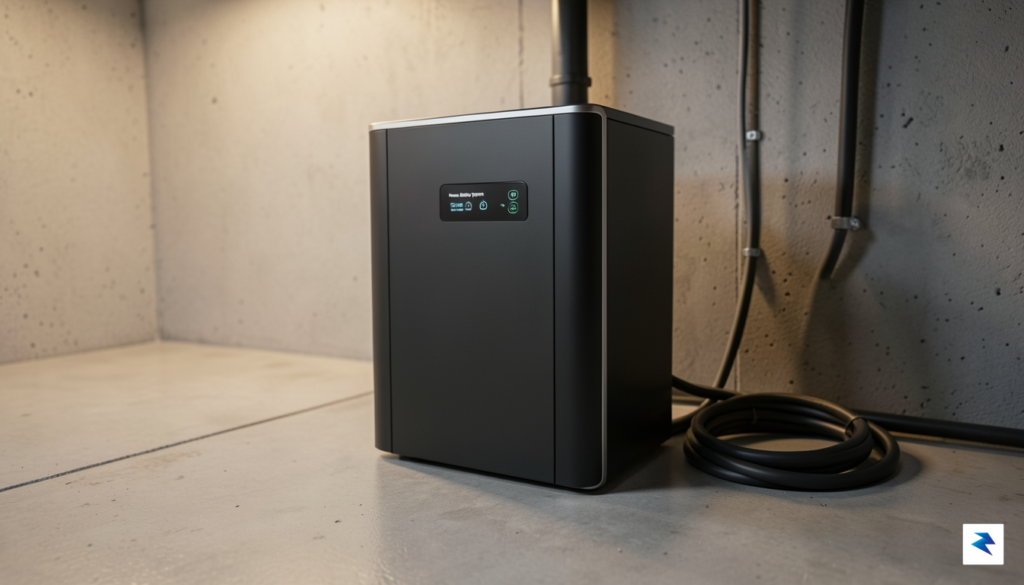
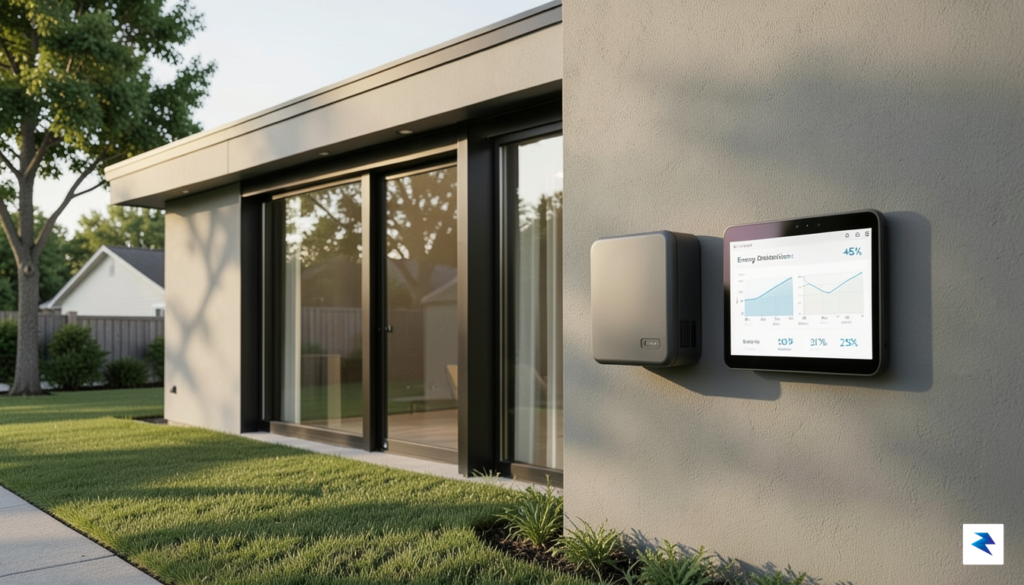
At the core of the Base Power model is a sophisticated evolution of the Virtual Power Plant (VPP) concept, which effectively turns individual residential properties into active participants in the energy market. Rather than relying solely on massive, centralized power stations that require long-distance transmission lines—which are prone to failure during extreme weather—the company installs high-capacity battery systems directly within the home. These units act as a dual-purpose asset: for the homeowner, they provide seamless backup power during outages, ensuring critical devices remain operational regardless of grid instability. Simultaneously, they function as a distributed node in a wider network, allowing grid operators to aggregate the energy stored across thousands of homes to stabilize the local electrical infrastructure exactly when and where the demand spikes.
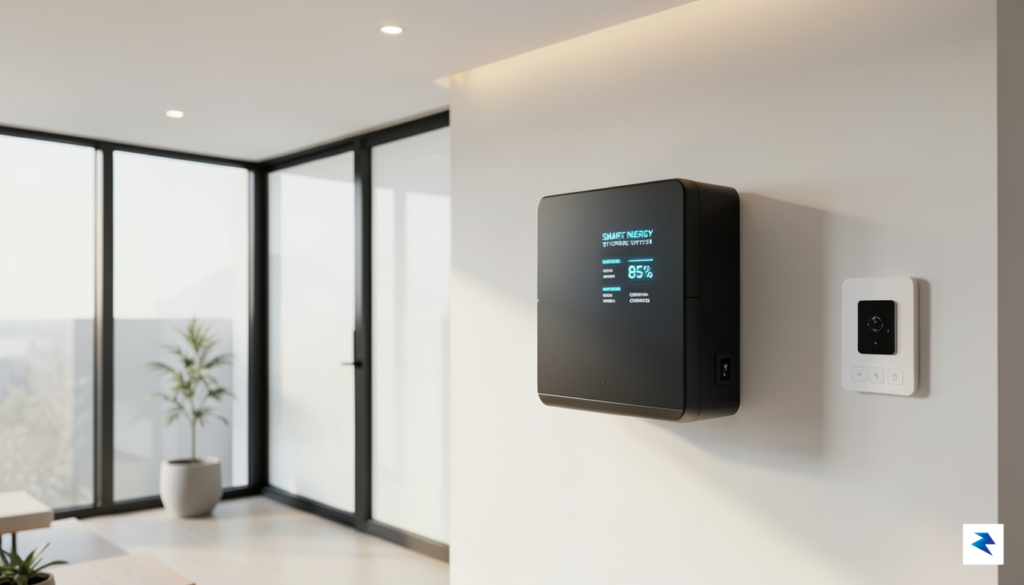
The operational mechanics of this decentralized approach stand in stark contrast to traditional utility-scale battery farms. While massive lithium-ion storage facilities are undeniably powerful, they are geographically static and require significant investment in land and transmission infrastructure to bridge the gap between energy storage and end-users. Base Power bypasses these logistical bottlenecks by embedding the storage capacity directly at the edge of the grid. By orchestrating this fleet of residential batteries through a centralized software layer, the system can discharge power in millisecond intervals to match fluctuations in electricity demand. This precision not only prevents the need for carbon-intensive “peaker plants”—which are often fired up only during moments of extreme stress—but also reduces the physical strain on aging power lines that struggle to carry electricity across vast distances.
The true innovation lies in shifting the grid from a rigid, top-down hierarchy to a flexible, resilient mesh that scales organically with the needs of the community.
This decentralized strategy fundamentally changes the economics of energy distribution. By utilizing a network of distributed storage, the grid gains the ability to “island” or balance itself locally, effectively reducing the risk of cascading failures during heatwaves or winter storms. Furthermore, because these batteries are situated behind the meter, they allow for a more efficient load-shifting process, where energy is captured during periods of low cost and high production—such as during peak solar output—and released precisely when the grid is most vulnerable. Through this intelligent integration of hardware and software, Base Power demonstrates that the most effective way to solve the grid crisis is not necessarily to build bigger power plants, but to make the existing infrastructure smarter and more responsive through the power of distributed, home-based technology.

For years, the PJM Interconnection—the regional transmission organization that manages the flow of electricity across much of the mid-Atlantic and Midwest—has functioned as a massive bottleneck for the clean energy transition. The traditional process for adding new power capacity is a bureaucratic gauntlet, often requiring multi-year studies, expensive infrastructure upgrades, and endless regulatory reviews just to connect a new project to the grid. This queue has become so congested that many promising renewable energy projects are effectively stranded, languishing in a state of limbo while the grid faces increasing pressure from rising electricity demand and aging infrastructure. Developers are often forced to wait half a decade or longer before receiving the “go-ahead,” a timeline that is fundamentally incompatible with the urgent need for grid stability.
Base Power’s approach represents a radical departure from this sluggish status quo by effectively bypassing the traditional interconnection queue altogether. Instead of attempting to force massive, utility-scale power plants through the clogged PJM pipeline, Base Power leverages existing residential electrical connections. By deploying intelligent, distributed energy storage systems directly into homes, the company transforms individual properties into active, responsive components of the broader grid. Because these systems are situated behind the meter on established service lines, they avoid the exhaustive regional interconnection studies that paralyze utility-scale projects. This architectural shift turns what was once a passive grid liability—a household simply drawing power—into a dynamic grid asset that can provide support when the system is most strained.
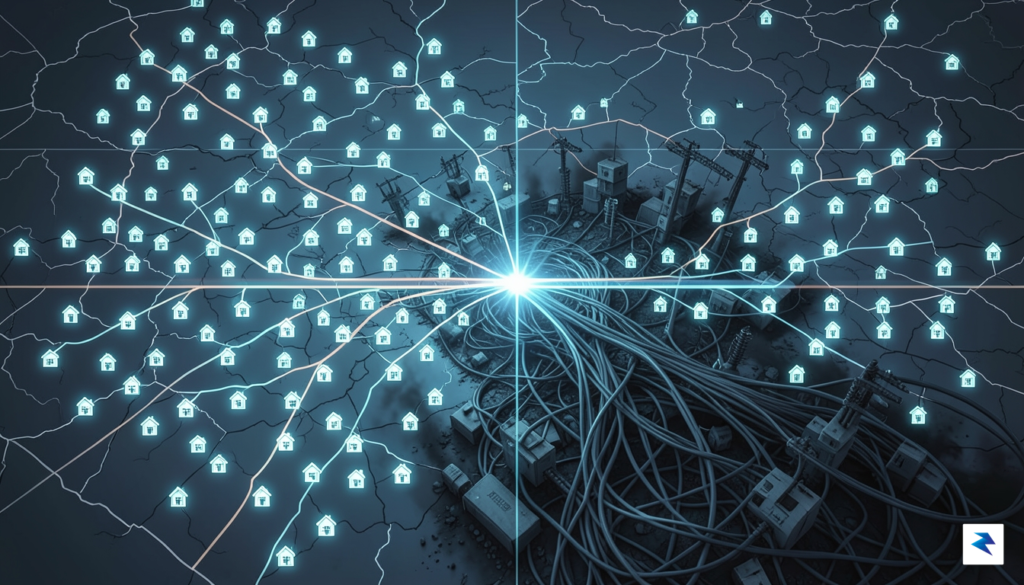
This strategy is essentially democratizing grid entry, proving that we do not necessarily need to build massive, centralized power plants to solve the current energy crisis. By aggregating residential resources, Base Power can inject capacity exactly where it is needed most, minimizing transmission losses and reducing the stress on regional substations. This distributed model offers a level of agility that traditional, centralized energy planning simply cannot match in today’s volatile market. Furthermore, this bypass strategy provides a blueprint for how technology can outpace slow-moving regulatory frameworks. By operating within the existing residential footprint, the company shifts the focus from “waiting for permission” to “optimizing what we already own,” effectively fast-tracking the transition to a more resilient, responsive, and efficient power network.
By shifting the burden of grid stability from centralized, slow-moving projects to a distributed network of smart, residential resources, we can solve energy scarcity at the speed of software rather than the speed of bureaucracy.
The result is a more robust grid that can absorb intermittent energy loads and respond to peak demand spikes without waiting for a new power plant to be permitted or constructed. This approach not only sidesteps the PJM headache but also empowers homeowners to become active participants in the energy economy. As the grid continues to face unprecedented challenges, the ability to deploy capacity quickly and locally will be the defining factor in preventing outages and maintaining lower costs for everyone.
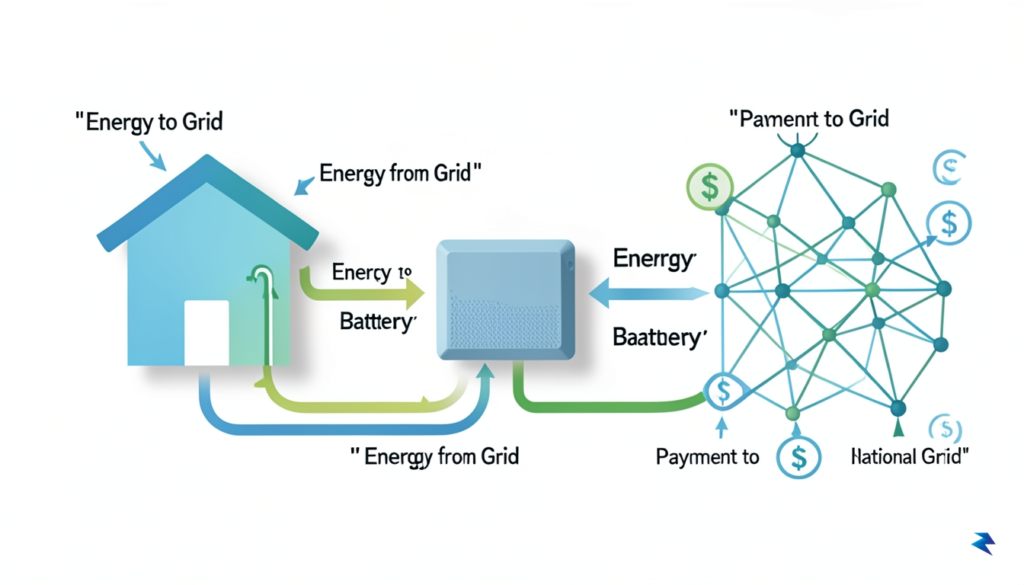
The economic architecture underpinning Base Power functions as a sophisticated bridge between the private needs of individual households and the systemic demands of the modern energy grid. At its core, the model transforms the residential battery system from a static appliance into a dynamic financial asset. For homeowners, the value proposition is twofold: they gain immediate protection against the rising frequency of blackouts and grid instability, while simultaneously converting their energy storage into a revenue-generating asset. By allowing the utility to tap into this decentralized storage during peak demand periods, residents effectively lower their overall utility bills, turning what was once a sunk cost of home ownership into a source of ongoing financial relief.
For utilities, the benefits are equally compelling, primarily centered on the ability to manage load balancing without the astronomical expense of building new, centralized power plants or upgrading aging transmission infrastructure. When grid demand spikes—often during extreme heat waves or sudden cold fronts—utilities are typically forced to purchase expensive, “peaker” plant energy or risk rolling blackouts. By aggregating thousands of home batteries, Base Power creates a virtual power plant (VPP) that provides instant, reliable capacity exactly where it is needed most. This capability allows grid operators to defer or entirely avoid the capital-intensive infrastructure projects that would otherwise be passed down to consumers through higher rates, thereby stabilizing the market for everyone.
The true innovation lies in aligning incentives: homeowners receive resilience and lower bills, while utilities gain a flexible, scalable buffer that prevents systemic grid failure without the need for traditional, centralized infrastructure expansion.
The ambitious scale of this vision is underpinned by significant venture backing from firms like Andreessen Horowitz (a16z), which recognizes that the future of energy infrastructure is not just in bigger wires, but in smarter software and distributed assets. This capital infusion is essential for the logistical heavy lifting required to scale a hardware-heavy operation, including the manufacturing, installation, and software integration necessary to orchestrate a vast network of home batteries. By providing the runway to move from a niche luxury offering to a mass-market solution, this venture support ensures that the technology can reach the critical mass required to make a tangible impact on national grid reliability. Ultimately, this approach creates a self-sustaining cycle where the more homeowners participate, the more resilient and cost-effective the entire grid becomes, proving that the most effective way to modernize energy is to empower the individual consumer at the edge of the network.
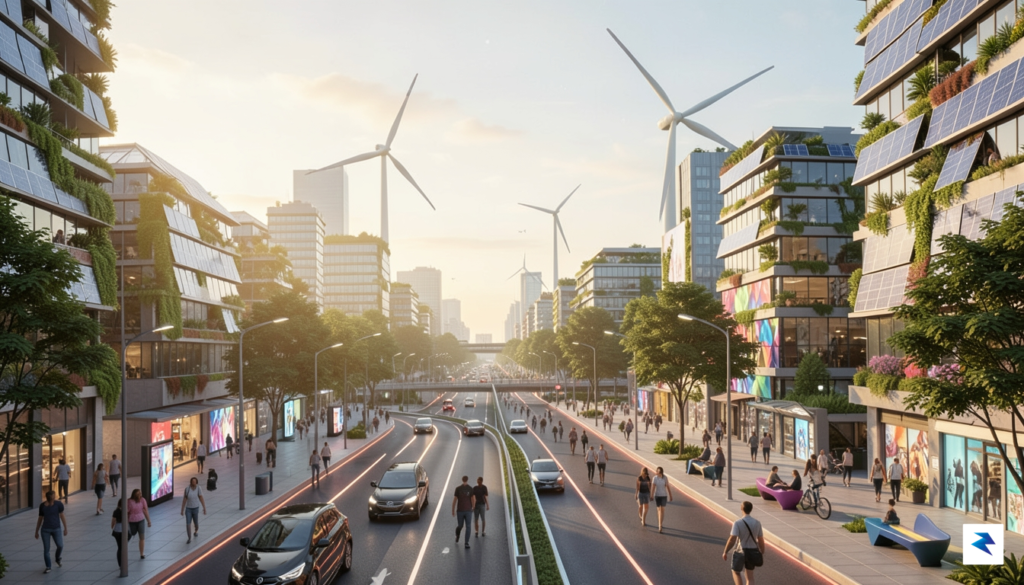
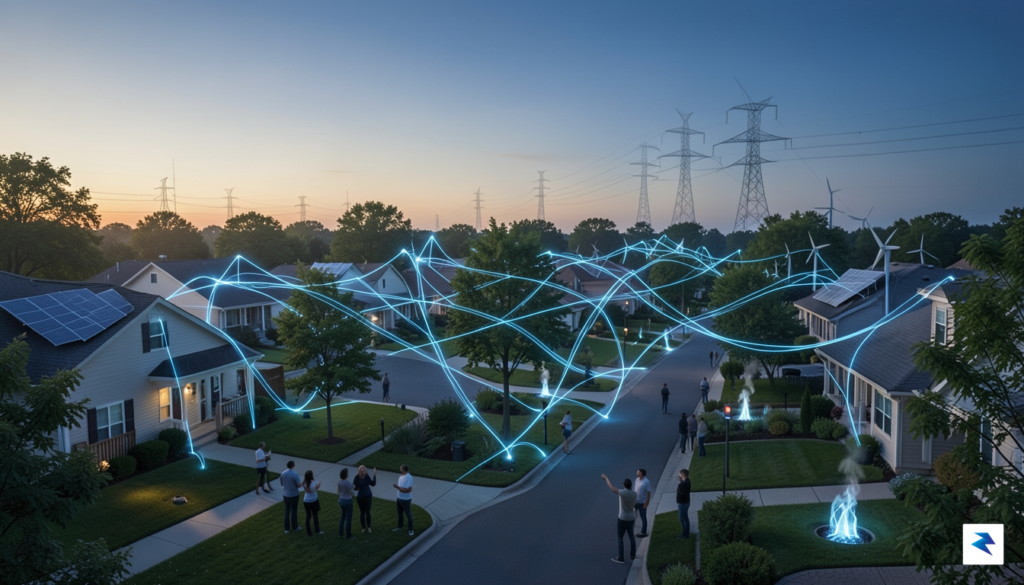
The rapid evolution of virtual power plants (VPPs) signals a fundamental shift in how we perceive the traditional utility model. By transforming residential energy storage systems into a cohesive, grid-responsive network, companies like Base Power are effectively decentralizing the backbone of our power infrastructure. This scalability is not merely a technical ambition; it is a necessity for a grid grappling with the dual pressures of aging hardware and the volatile demands of a warming climate. As more homes integrate intelligent battery systems, the collective capacity of these distributed assets could eventually rival the output of traditional fossil-fuel-burning peaker plants, providing a cleaner, more nimble alternative that responds to local fluctuations in real-time.
However, this transition toward a decentralized network will not be without its hurdles. Regulatory frameworks, currently designed for large-scale, centralized providers, must undergo significant modernization to accommodate the bidirectional flow of electricity between individual homes and the utility grid. These regulatory headwinds involve complex questions regarding fair compensation for homeowners, interconnection standards, and the security protocols required to protect a decentralized network from cyber threats. Policymakers must move quickly to create a transparent, market-driven environment that encourages consumer participation without sacrificing the core stability of the system. If these administrative barriers are addressed, the long-term impact on grid decarbonization could be profound, allowing for a higher penetration of intermittent renewable energy sources like wind and solar by providing the necessary buffering and demand-response capabilities.
The true strength of a decentralized power grid lies in its inherent redundancy; by spreading the load across thousands of individual nodes, the system becomes significantly more resistant to localized failures and catastrophic outages.
Ultimately, the shift toward a home-centric energy architecture enhances national energy security by reducing our dependency on vulnerable, centralized transmission lines that are increasingly prone to extreme weather events. By empowering households to act as active participants rather than passive consumers, we are moving toward a future where energy resilience is built into the fabric of our communities. This transition represents a shift from a rigid, top-down infrastructure to an agile, collaborative ecosystem. As these technologies mature, the goal is clear: a grid that is not only greener and more efficient but also profoundly more capable of withstanding the unpredictable challenges of the coming decades.
You must be logged in to post a comment.